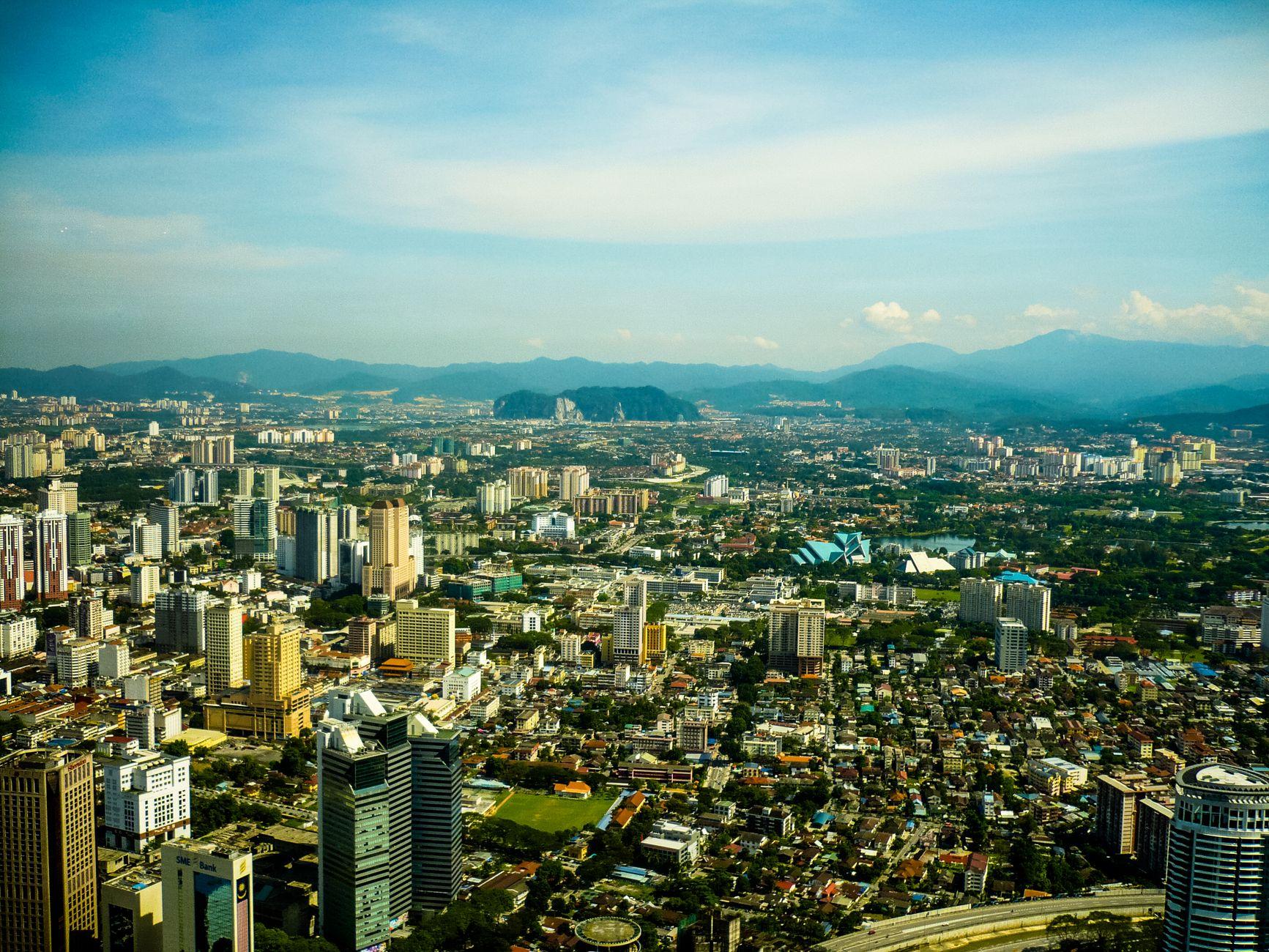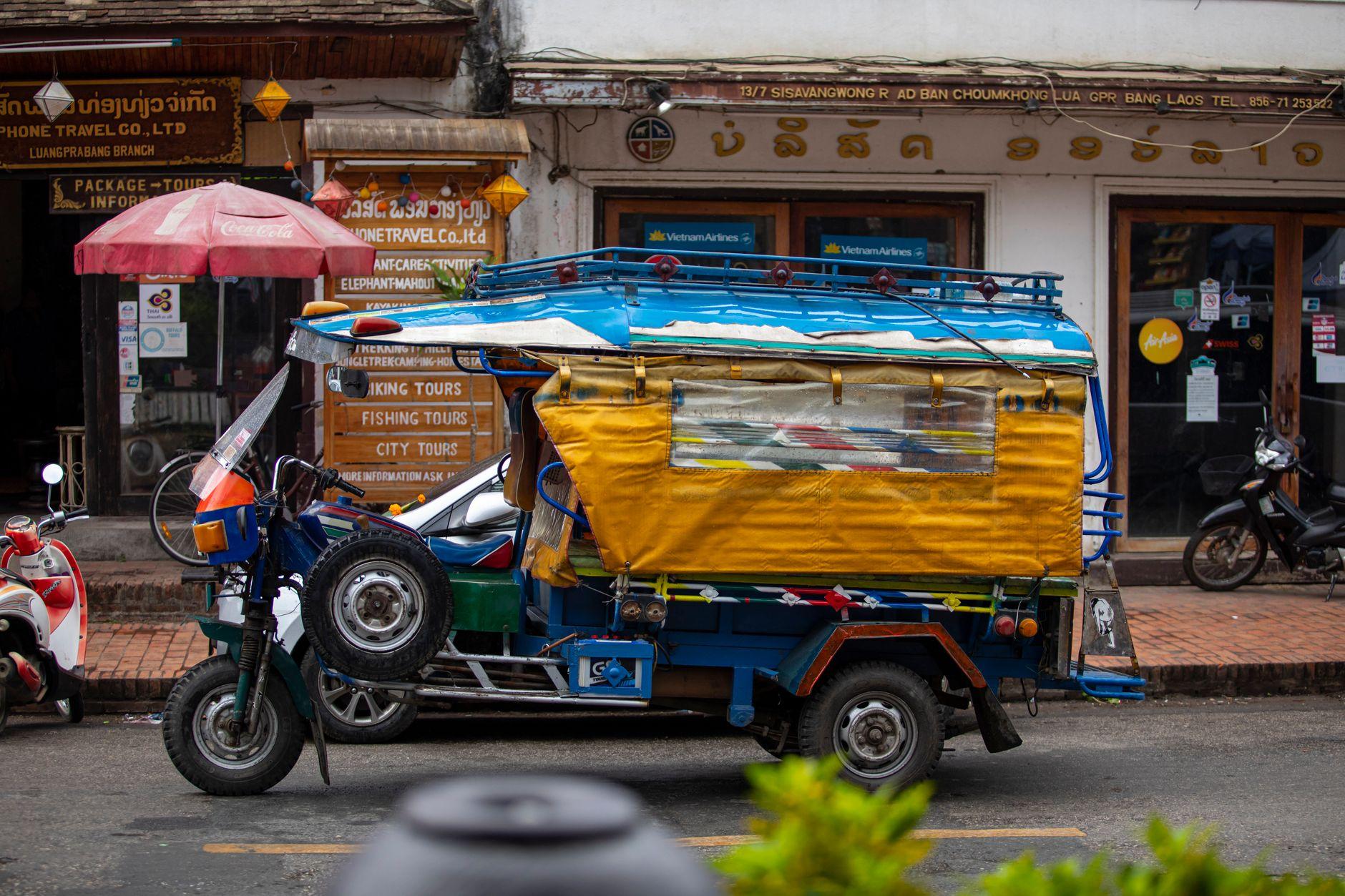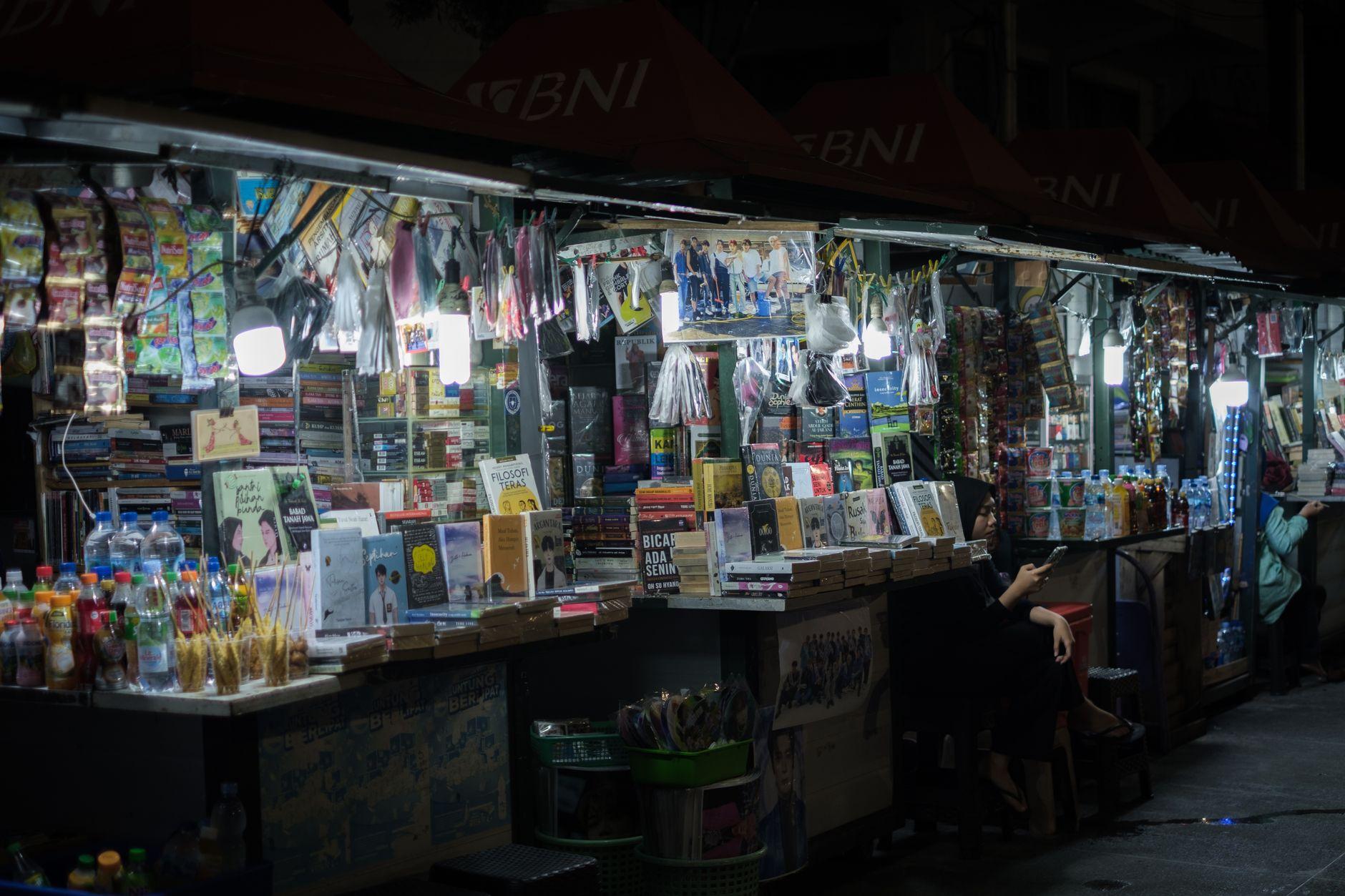


It is 7:40 in the morning at a khao piak stall near Vientiane's That Dam stupa, and the woman ahead of you is paying for two bowls of noodle soup. She does not touch her bag. She points her phone at a small laminated square taped to the soup cart, taps twice, shows the screen to the vendor, and sits down. Then it is your turn, and you produce what can only be described as a brick: a rubber-banded stack of kip notes thick enough to prop open a door, from which you now have to count out payment for one bowl of soup while the line behind you grows.
That contrast, the local paying in two seconds and the foreigner performing wallet surgery, is daily life for a lot of new expats in Laos. It does not have to stay that way.
Why your wallet in Laos is always full and always broke
The Lao kip comes in big denominations, and everyday prices come in big numbers. A modest lunch, a Loca ride across town, a bag of fruit from Talat Sao: each one peels several notes off the stack. The physical result is a wallet that bulges but somehow never contains quite the right combination of notes. You are forever either handing over too large a bill to a vendor who cannot break it, or carrying a fist of small notes that add up to less than you think.
Longer-term expats develop coping rituals. The drawer at home where change accumulates. The mental map of which minimarts will break a large note without sighing. The habit of paying for cheap things with big bills specifically to farm change. It works, but it is a strange amount of cognitive load to spend on the question of how to pay in Laos for a coffee.
The ATM run is the worst part of the routine
Cash in Laos has to come from somewhere, and for most expats without a local account that means ATMs. Two things make this painful. First, withdrawal limits per transaction are low, so covering a normal week of expenses can mean multiple withdrawals. Second, each withdrawal carries a fee from the Lao ATM operator, and often another from your home bank on top, plus whatever your bank does to the exchange rate along the way.
Low limits plus per-withdrawal fees is a genuinely bad combination. The fee is roughly fixed, the amount you can pull is capped, so the percentage you lose on every cash top-up is stubbornly high, and the only way to reduce it is to make the trip more often, which is its own cost. If you have read about how a few percent in foreign transaction fees compounds when you're abroad, the Lao ATM circuit is that problem with extra steps and a longer walk.
LAO QR changed the equation, quietly
Meanwhile, the payment layer locals actually use has been spreading fast. LAO QR, the national QR standard, is now on counters all over Vientiane and increasingly across Luang Prabang: cafes on the riverfront, pharmacies, minimarts, guesthouses, the vegetable lady at the morning market with a printed code clipped to her umbrella pole. Merchants like it because it means less cash to count, guard, and bank. Customers like it because it means no change problem, ever.
The catch for foreigners has always been access. LAO QR runs through Lao bank apps, and opening a Lao bank account as a newly arrived expat ranges from bureaucratic to impossible depending on your visa situation. So you end up in the odd position of living in a city where the QR economy is thriving all around you while you are stuck hauling paper.
Joining the QR economy without the bank account
This is exactly the gap Moreta Pay was built for. You keep your money where it already lives, a US bank connected via Plaid or ACH, a European SEPA account, UK Faster Payments, a Canadian e-Transfer, or an international card, and top up a wallet in your own currency. When you want to pay in Laos, you scan the merchant's regular LAO QR code, the same one the person ahead of you in line just used. The app shows you the amount, the exchange rate, and the merchant name before you confirm, the wallet converts to kip, and the vendor is paid instantly.
No Lao bank account. No queue at the ATM. No brick of notes. And crucially, no mystery about what the conversion cost you, because the rate is on screen before you tap confirm rather than buried in a statement three days later.
If you have lived in Thailand and gotten used to scanning PromptPay everywhere, the mental model transfers directly. We wrote about living in Thailand without a Thai bank account, and Laos is heading down a similar path, just a couple of years behind and moving quickly in the two big cities.
Be honest about where cash still rules
Laos is not a cashless country, and pretending otherwise will strand you. A realistic split for an expat in 2026 looks like this:
- QR works reliably: cafes, restaurants, and minimarts in Vientiane and Luang Prabang, most guesthouses and hotels, pharmacies, phone shops, a growing share of market vendors.
- Cash still wins: tuk-tuk and songthaew drivers outside the app economy, small village shops on a trip to Vang Vieng or the Bolaven Plateau, temple donations, the odd stall whose QR sign has faded in the sun and whose owner shrugs when the scan fails.
The practical strategy is to flip your defaults. Instead of cash as the main method with cards as backup, make QR your main method and keep a modest cash reserve for the exceptions. That single change means fewer ATM trips, smaller withdrawals when you do go, and a wallet that closes flat. It also fits neatly into the broader principle of never keeping all your travel money in one place, because your home bank balance, your Moreta Pay wallet, and a small kip float are three separate layers.
A week that actually works
Here is what the rhythm looks like once you settle in. Sunday: one ATM withdrawal, deliberately modest, just enough small-denomination cash for drivers and village runs. Monday through Saturday: coffee, lunch, groceries, the pharmacy, all paid by scanning LAO QR codes straight from your wallet balance, each one confirmed with the rate visible up front. When the wallet runs low, you top it up from your home bank in your own currency from your phone, no trip anywhere required.
The soup stall test is a good benchmark. When you can pay for breakfast in the same two taps as the woman ahead of you, you have stopped being a visitor to the Lao payment system and started being a participant in it. Set up Moreta Pay before your next morning market run and leave the brick of kip at home.