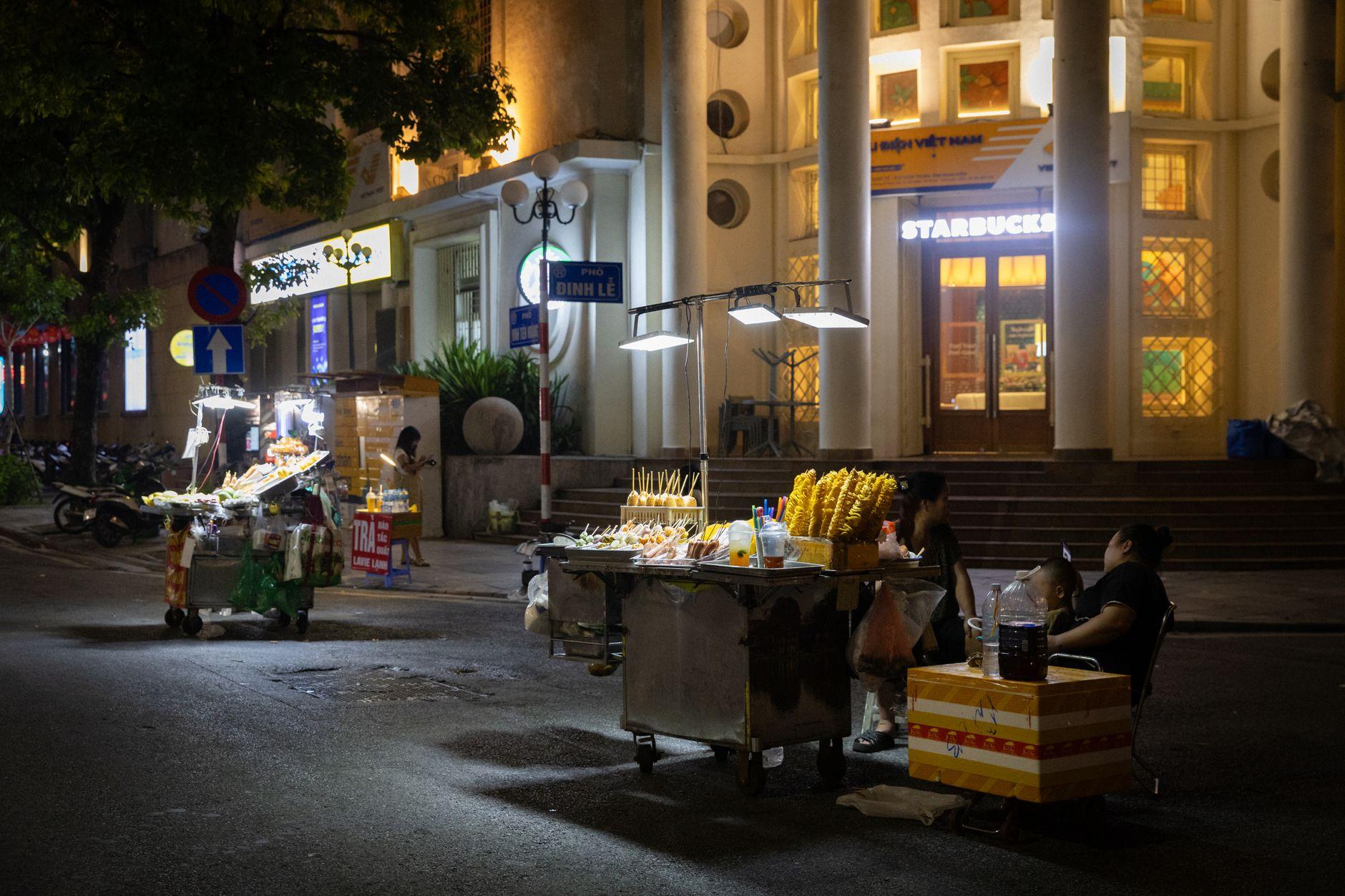

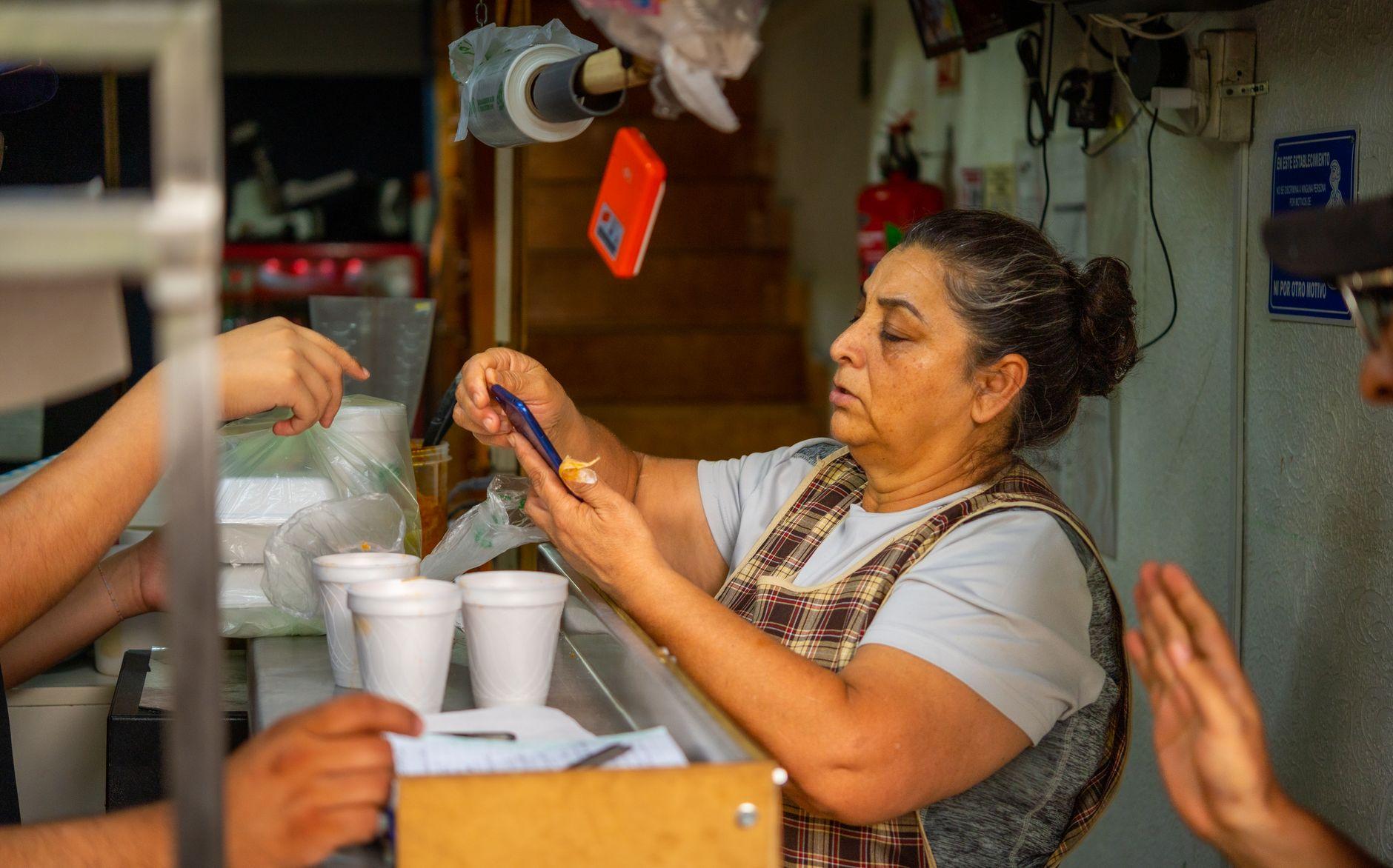
It's 8:40 on a Tuesday morning in Chiang Mai. You're third in line at a moo ping cart off Nimman, two skewers and a bag of sticky rice, maybe 35 baht total. The woman ahead of you doesn't touch her wallet. She points her phone at a laminated blue square taped to the cart, taps twice, and walks off with her breakfast. The vendor doesn't even look at the screen. You, meanwhile, are holding a 1,000 baht note fresh from the ATM, and you can feel the vendor's heart sink as you hand it over.
That laminated blue square is a PromptPay QR code, and within your first week in Thailand you'll realize it is the actual payment system of the country. Not a trendy option. Not a fintech experiment. The default. Street food stalls, laundry shops, massage places, 7-Eleven, fruit vendors who operate out of a pickup truck bed. If money changes hands in Thailand, there's almost certainly a PromptPay code within arm's reach.
PromptPay was built for Thais, which is the whole problem
PromptPay is Thailand's national QR payment network, tied to Thai bank accounts and Thai phone numbers. Locals link it once and then pay for everything with it, which is why so many small merchants have quietly stopped caring about other payment methods. Why pay card terminal fees when every customer can scan for free?
This creates a strange split for foreigners. Thailand feels incredibly easy to pay in if you're a local, and weirdly hostile if you're not. Your Visa or Mastercard works fine at the mall, at chain hotels, at the fancy brunch place. Then you step into the actual daily economy, the one where nomads do most of their spending, and merchants wave your card away. Taxis are the sharpest example: outside of ride-hailing apps, most drivers accept exactly two things, cash or a QR scan. A foreign card might as well be a library card.
The 220 baht tax on not having a plan
So most new arrivals default to cash, and that's where the lesson in this article's title comes in. Thai ATMs are notorious for charging foreign cards a fee that commonly runs around 220 baht per withdrawal, charged by the ATM itself, before your home bank adds anything on its side. If you've ever wondered why one withdrawal can sting twice, we broke down how the ATM operator fee and your issuing bank fee stack as separate charges, and Thailand is a textbook case.
Do the mental math on a nomad month. If you withdraw cash weekly, that's four fees. Pull smaller amounts because you don't like walking around with a thick stack of notes, and the fees multiply. It's not ruinous, but it's a steady leak, and it pushes you into bad habits: withdrawing huge amounts at once, hiding cash around your apartment, and still ending up short on a Sunday night when the nearest ATM is a motorbike ride away.
What a normal week of spending actually looks like
Here's roughly how everyday spending breaks down for a nomad based in Bangkok or Chiang Mai, and what each situation really expects:
- Morning coffee and street food: QR or small cash. Many stalls genuinely struggle to change large notes early in the day.
- 7-Eleven runs: QR works at the counter, and you'll be there more often than you expect. 7-Eleven is where Thailand buys phone credit, snacks, toiletries, and late-night everything.
- Taxis and songthaews: cash or QR only in most cases. Drivers often have their PromptPay code printed and stuck to the dashboard.
- Laundry, massage, barbers, tailors: QR codes taped to the wall or counter, nearly universal.
- Co-working day passes and cafes: usually QR, sometimes cards at the bigger chains.
- Online bookings: platforms like Agoda, Trip.com, Lazada, and Shopee all offer QR-based checkout in Thailand, which locals use constantly.
- Markets and night bazaars: the one zone where small cash still earns its keep, mostly for tiny purchases and friendly haggling.
Notice the pattern. The card-friendly economy is a thin layer on top. The QR economy is everything underneath, and that's where a nomad's daily life actually happens.
Joining the QR lane without a Thai bank account
For years the answer was "open a Thai bank account," which is a paperwork saga that depends on your visa, your branch, and sometimes the mood of the person behind the desk. Most nomads on shorter stays never manage it.
This is exactly the gap Moreta Pay fills. You top up a wallet from your own bank at home (US bank via Plaid or ACH, SEPA in Europe, UK Faster Payments, Canadian e-Transfer, or a card), in your own currency. Then at the moo ping cart, you scan the same PromptPay code everyone else scans. The app shows you the amount, the exchange rate, and the merchant name before you confirm, converts your balance to baht, and the vendor gets paid instantly, just like they do from the local ahead of you in line. No Thai account, no 220 baht ATM toll, no mystery foreign transaction fee showing up on a statement three days later.
The merchant-name check matters more than it sounds, by the way. Seeing who you're actually paying before you confirm is a quiet safeguard at a market stall where codes are taped up by hand.
Habits that make Thailand feel genuinely cashless
A few things experienced Thailand nomads do that are worth copying from day one:
- Keep a few hundred baht in small notes anyway. Thailand is not 100 percent cashless. Temple donations, some songthaew rides, and the occasional stubborn vendor still want paper. The goal is cash as a backup, not a lifestyle.
- Screenshot nothing, confirm everything. Thai vendors are used to glancing at a payment confirmation screen. Keep the app open until they nod.
- Have a plan for dead zones. Basement food courts and old shophouses can have patchy signal, and you don't want to discover that mid-transaction. We've covered what to do when your wallet app won't load at the counter, and the short version is: load the app before you order, not after.
- Pay your recurring stuff by QR too. Bills and online purchases in Thailand increasingly route through the same QR rails, so once you're set up with Moreta Pay for street-level spending, the online side comes along for free.
Thailand rewards people who pay the way locals pay. Prices stay honest, transactions take seconds, and you stop structuring your days around ATM locations. The vendor at the moo ping cart will still smile at your 1,000 baht note, but she'll smile a lot wider when you just scan the blue square like everyone else.
If Thailand is on your 2026 calendar, get Moreta Pay set up before your flight so your first street food breakfast goes as smoothly as everyone else's in line.