
Buy a kilo of tomatoes at a verduleria in Palermo and you will notice two things. First, the price is probably different from last month, because that is life with Argentine inflation. Second, the little QR stand next to the scale gets used more than the cash drawer. Locals scan it with Mercado Pago or MODO, confirm, and walk out while you are still counting thousand-peso notes.
For an expat settling into Buenos Aires, Cordoba, or Mendoza without a local bank account, the question of how to pay in Argentina is genuinely more complicated than in most countries, because the exchange rate itself is part of the decision. So let's weigh the real options honestly.
First, understand why Argentina is different
Two features shape everything here. One: inflation means prices move fast and the largest banknotes do not buy much, so paying in cash often means carrying a visibly thick stack of bills for an ordinary grocery run. Two: Argentina does not have a single exchange rate in practice. There is an official rate, there are rates applied to foreign card transactions, and there is the informal market rate everyone mentions at dinner parties. Which rate you get depends on how you pay, and most newcomers spend their first month confused about whether they just overpaid by a little or a lot.
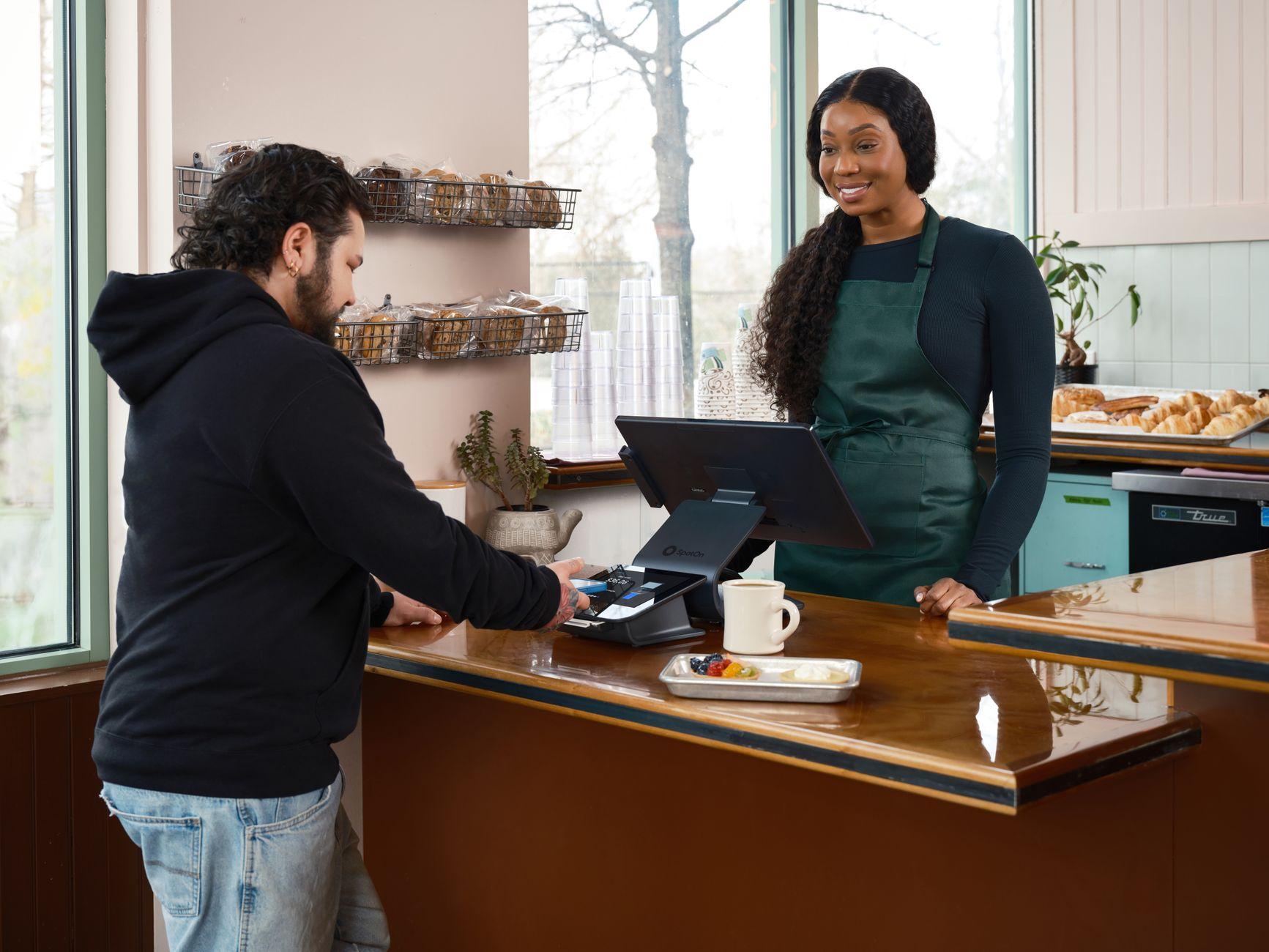
Meanwhile, QR payments have quietly become the default. Mercado Pago built an enormous network of merchant QR codes, MODO arrived as the banks' answer, and the system is interoperable, so one printed code at a counter can accept payments from multiple apps. If you have ever wondered why some countries print three QR codes at one counter and others print just one, Argentina mostly landed on the one-code side, which is good news for anyone trying to join the system from outside.
Option one: cash, the old faithful
The case for it: cash works everywhere, from the colectivo-adjacent kiosko to the parrilla that has had the same owner since 1987. Some smaller merchants still quote a better effective price for cash. And if you bring foreign currency and exchange it carefully, you can land close to the informal rate.
The case against it: almost everything else. ATM withdrawal limits in Argentina are famously low relative to prices, fees stack up, and you may face the dynamic currency conversion trap on top (the same one we broke down in our piece on why ATMs offer two withdrawal amounts). Exchanging cash means finding a trustworthy casa de cambio, counting large stacks in public, and then storing bricks of pesos that lose value while they sit in your apartment. For a two-week trip, manageable. For an expat paying rent, groceries, and gym fees month after month, it becomes a part-time job.
Option two: your foreign debit or credit card
The case for it: card payments from foreign-issued cards have become far more sensible in Argentina than they used to be, with rates applied to tourist card spending that are much closer to reality than the old official rate. Supermarket chains, pharmacies, restaurants in tourist zones, and hotels take cards without drama.
The case against it: you never quite know which rate hit your statement until days later, and whether your home bank quietly added a foreign transaction fee on top. Small merchants, markets, delivery drivers, and plenty of neighborhood spots either do not take cards or visibly prefer not to. Card terminals go down. And some businesses will simply point at the QR code on the counter and wait, because that is how their regulars pay.
Option three: Mercado Pago or MODO, the local way
The case for it: this is the native payment layer of Argentina. Mercado Pago in particular is everywhere: street fairs in San Telmo, empanada counters, your building's expensas in some cases, the guy selling garrapiñadas outside the Subte. If you can use it fully, daily life gets dramatically easier.
The case against it: using it fully is the problem. Getting a properly funded local wallet generally means local identity documents and a local banking relationship, which means residency paperwork, a DNI, and patience with Argentine bureaucracy. Expats on tourist stamps, digital nomads doing a three-month stint, and even new arrivals waiting on residency often find themselves locked out of the very system every merchant is set up for. You can see the QR code. You just cannot pay it.
Option four: a travel wallet that speaks QR
This is the gap Moreta Pay was built for. You top up the wallet from your home bank (US bank via Plaid or ACH, European SEPA, UK Faster Payments, Canadian e-Transfer) or an international card, in your own currency. At the counter, you scan the same Mercado Pago or MODO QR code the locals scan. Before you confirm, the app shows you the amount, the merchant name, and the exact FX rate being applied. You approve it, the merchant is paid instantly in pesos, and you never had to open an Argentine account or guess which of the country's several exchange rates you just received.
The honest trade-offs: you do need to keep the wallet topped up, which takes a little planning. And it is a payment tool, not a local bank account, so it will not replace the things residency paperwork eventually gets you, like receiving a local salary. But for the daily problem (paying for lunch, groceries, the ferreteria, a Shopee-style online checkout, or a utility bill in supported countries) it slots you into Argentina QR payments without the bureaucracy.
What a sensible week actually looks like
Most long-term expats in Argentina end up with a stack, not a single answer:
- A small cash reserve for the handful of situations that still demand it: some taxis, tiny kioskos, propinas, the occasional cash-discount negotiation.
- The foreign card for hotels, flights, and bigger-ticket purchases where card acceptance is reliable and you want the purchase protection.
- QR via Moreta Pay for the daily grind: cafes, verdulerias, ferias, delivery pickups, anywhere the counter has that familiar printed code. This is where you stop carrying the brick of bills and stop doing exchange-rate arithmetic in your head, because the rate is on the screen before you tap confirm.
The pattern that emerges from the comparison is not that any single option wins outright. It is that cash and cards each cover their corner, while the QR layer, the one locals actually live on, used to be closed to anyone without local banking. Now it is not.
If Argentina is on your 2026 horizon, set up Moreta Pay before you land and walk into your first verduleria able to pay the way the person ahead of you in line does.