
Ask five friends who visited Peru for money advice and you will get five confident answers, most of them half true. Bring crisp dollars. Carry lots of cash. Cards work fine in Lima. Watch out for fake bills. Each of these contains a kernel of truth wrapped in outdated or incomplete information, and acting on them blindly is exactly how tourists end up overpaying, stranded at a market stall, or holding a counterfeit 100 sol note they cannot spend.
So let's go through the beliefs one at a time and straighten them out, because paying in Peru in 2026 looks very different from what most guidebooks still describe.
Belief: "Peru is a cash country, so I just need soles"
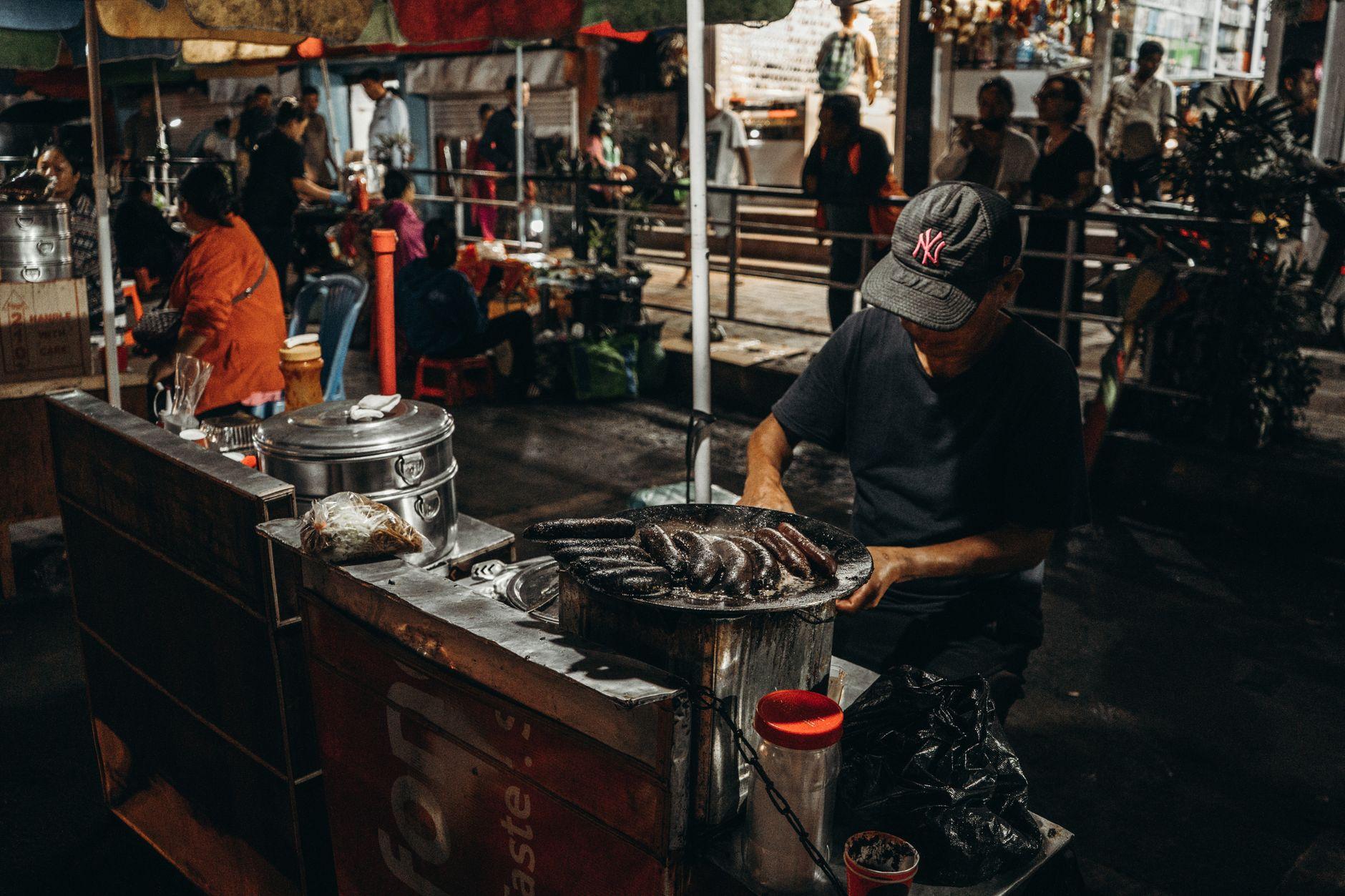
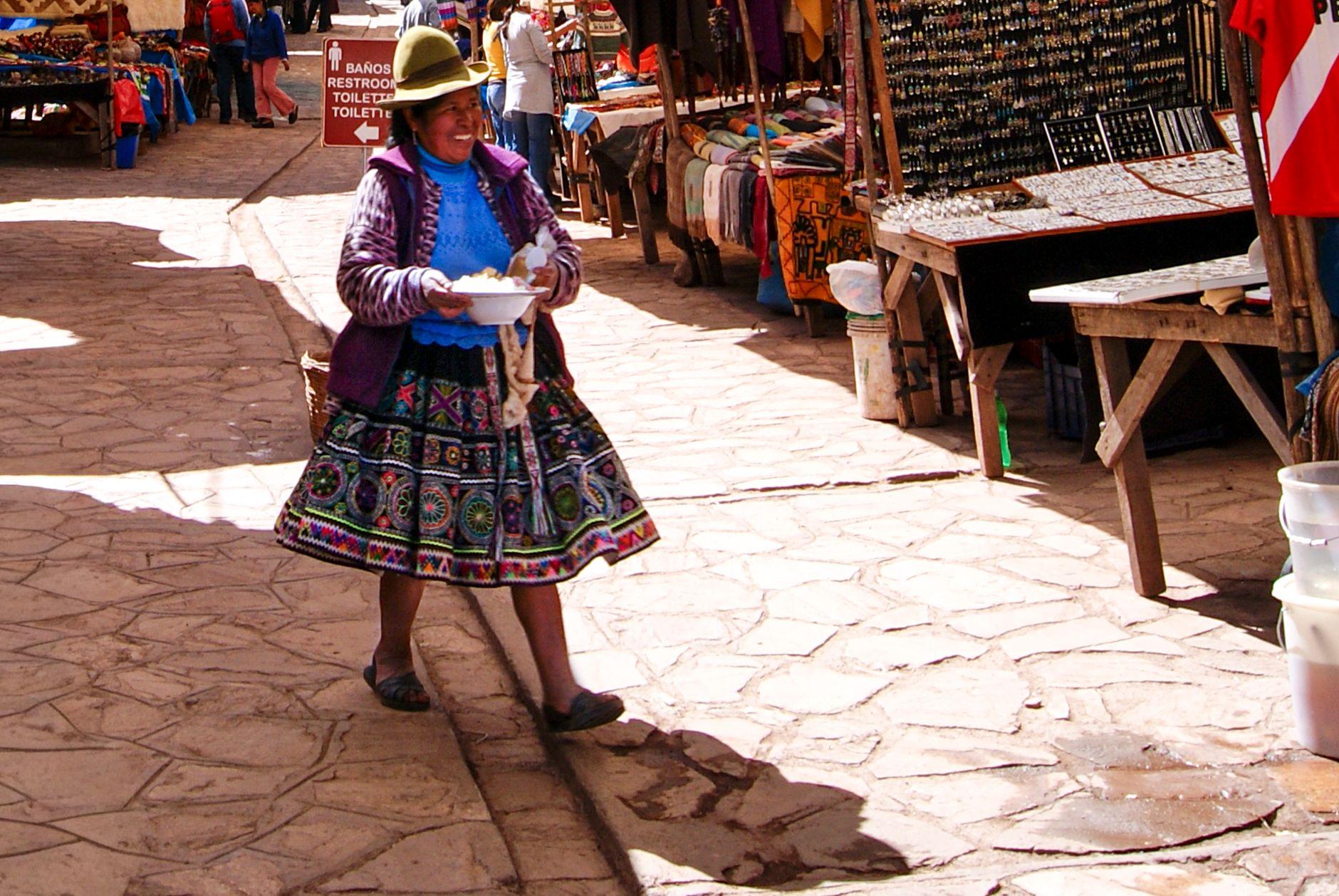
Partly true, mostly stale. Soles are still essential, but the striking thing about Peru now is how thoroughly two QR wallets, Yape and Plin, have taken over everyday payments. The woman selling emoliente from a cart has a laminated Yape code. The taxi driver in Arequipa has one taped to the dashboard. The stall in Cusco's San Pedro market selling alpaca gloves has one pinned next to the price tags. Locals pay for a ten sol menú lunch, a three sol juice, a mototaxi ride, all by scanning a code.
What this means for you: a vendor who looks cash-only often is not. Many small sellers actually prefer QR payments because it saves them from making change and from handling bills they then have to check for counterfeits. The mistake is assuming cash is the only tool in the box and missing the payment rail the whole country actually runs on.
Belief: "Everyone accepts US dollars anyway"
This one lingers from an earlier era. Yes, some hotels, tour agencies, and larger shops in tourist zones will take dollars, and some tours are even priced in them. But day to day, Peru runs on soles. Pay in dollars at a restaurant and you are at the mercy of whatever rate the cashier decides on the spot, which is rarely in your favor.
And if you do bring dollars to exchange, you will discover the crisp bill obsession: torn, marked, or worn notes get rejected at casas de cambio. Travelers regularly find themselves carrying dollars nobody will accept at a decent rate. Dollars are a backup in Peru, not a payment method.
Belief: "Counterfeit bills are a scare story for tourists"
Unfortunately not. Watch any Peruvian shopkeeper receive a 50 or 100 sol note and you will see a small ritual: holding it to the light, feeling the texture, checking the security thread. Locals do this because fake bills genuinely circulate, and they do it to each other, not just to foreigners. The people most likely to get stuck with a counterfeit are the ones who do not know what a real note feels like, which describes almost every tourist on day two of their trip.
The classic traps: receiving change in a dark taxi at night, changing money with an unofficial street changer, or accepting a large note back at a busy market. The fix is partly knowledge (learn the security features, refuse street changers) and partly just handling less cash. Every payment you make by scanning a QR code is a transaction where nobody can hand you a fake bill as change.
Belief: "My contactless card will cover the rest"
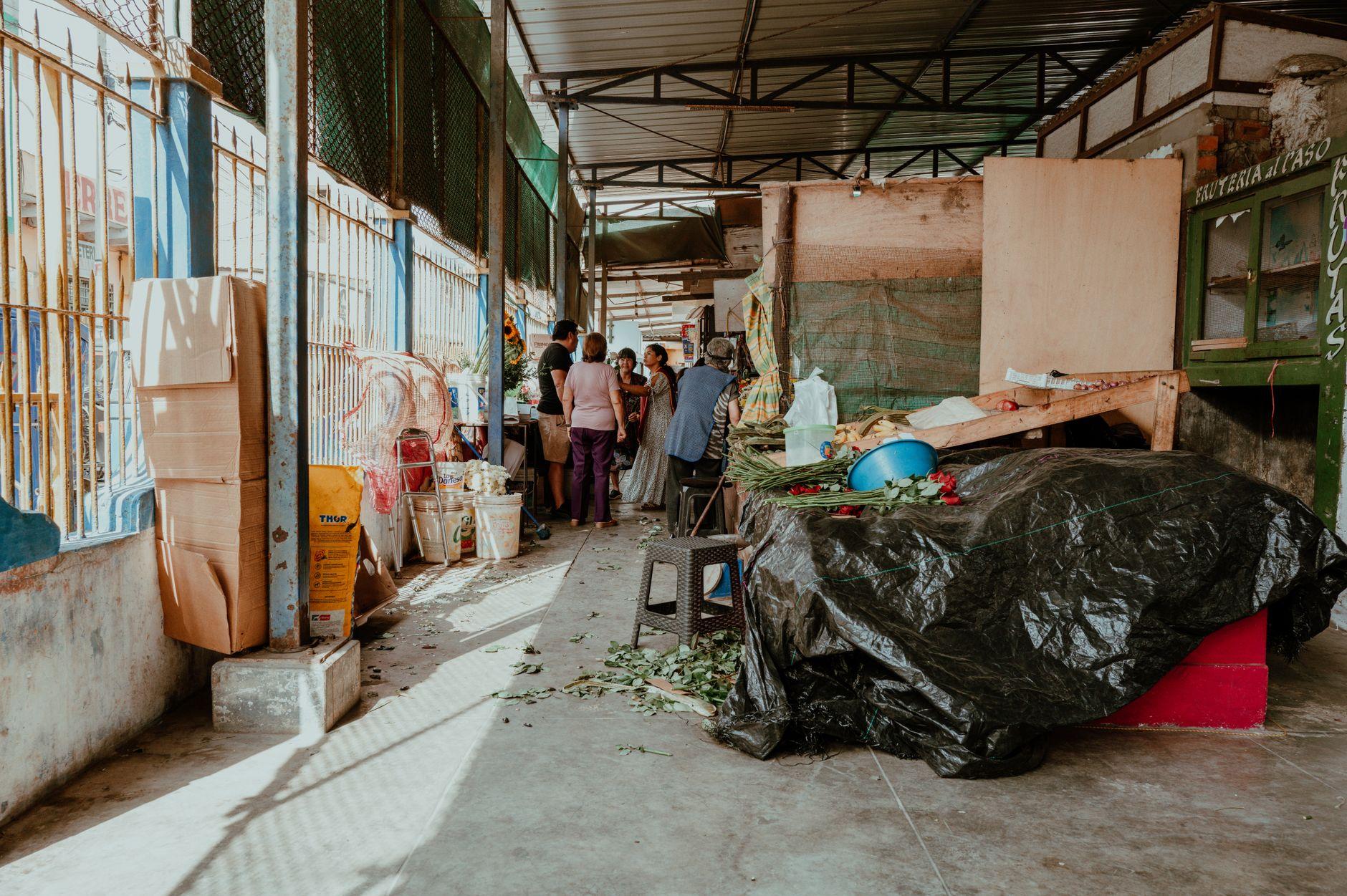
In Miraflores and Barranco, in supermarkets like Wong or Plaza Vea, in chain restaurants and malls, yes, your Visa or Mastercard taps happily. Step outside that bubble and the picture changes fast. The artisan stall in Pisac, the colectivo to the Sacred Valley, the picantería serving rocoto relleno, the lady selling picarones at night, none of these have a card terminal. Many of them have exactly two options: cash or a Yape and Plin QR code.
This is the gap that catches travelers most often. They assume "card plus a little cash" covers Peru the way it covers Western Europe, then find that the most interesting, most local places to eat and shop sit entirely outside the card network. If you want to know how to pay in Peru where Peruvians actually spend, the answer increasingly is a QR scan, not a tap.
Belief: "Fine, I'll just download Yape when I land"
Here is the frustrating part. Yape is tied to Peruvian banking and identity, and Plin lives inside the apps of local banks like Interbank, BBVA, and Scotiabank. For a short-term visitor without a Peruvian ID or local bank account, setting either one up ranges from painful to impossible. The country's dominant payment method is, in practice, closed to the people visiting it.
This is where Moreta Pay changes the math. It lets you scan the same Yape and Plin QR codes the merchant already displays, with a wallet you top up from your own bank at home, whether that is a US account via Plaid or ACH, a European SEPA transfer, UK Faster Payments, Canadian e-Transfer, or an international card. You see the amount, the exchange rate, and the merchant name before you confirm, the wallet converts to soles, and the vendor gets paid instantly through the rail they already use every day. No Peruvian bank account, no local SIM gymnastics, no begging a stranger to Yape on your behalf while you hand them cash.
Belief: "I'll just do big ATM runs and be done with it"
ATM withdrawals in Peru come with withdrawal fees, daily limits, and the simple risk calculus of walking around Lima or Cusco with a week of spending money in your pocket. Big withdrawals also mean big notes, and big notes bring you right back to the counterfeit-change problem, because many small vendors cannot or will not break a 100.
A smarter pattern for visiting Peru without cash anxiety: carry a modest amount of small soles for the genuinely cash-only moments (some rural spots, small tips, the occasional stubborn taxi), and route everything else through QR. If you are nervous about leaning on your phone for payments abroad, it is worth reading what actually happens to a QR payment app if your phone gets stolen, because the answer is far more reassuring than losing a wallet full of bills.
Belief: "QR codes are only for street stalls, not real purchases"
In Peru, QR payments scale well beyond the juice stand. Restaurants, pharmacies, guesthouses, laundries, tour operators, and intercity transport counters display Yape and Plin codes, and QR checkout also shows up online on booking platforms. With Moreta Pay the same wallet handles QR-based online payments on sites like Trip.com and Agoda, which is handy when you are booking the next leg of a trip from a hostel in Cusco. And if that next leg crosses the border south, the money questions change again, as we covered in our guide to the money questions tourists in Bolivia ask too late.
What the corrected picture looks like
Put the myths aside and Peru's money reality is simple. Soles, not dollars. QR first, cash second, card a distant third outside the tourist core. Counterfeits are a real but manageable risk, and the best defense is minimizing the cash changing hands at all. The locals already figured this out, which is why Yape and Plin codes hang from every stall and dashboard in the country.
The only thing missing was a way in for visitors. Get Moreta Pay on your phone before you board the flight to Lima, fund it in your own currency, and spend your trip scanning the same codes Peruvians do.