
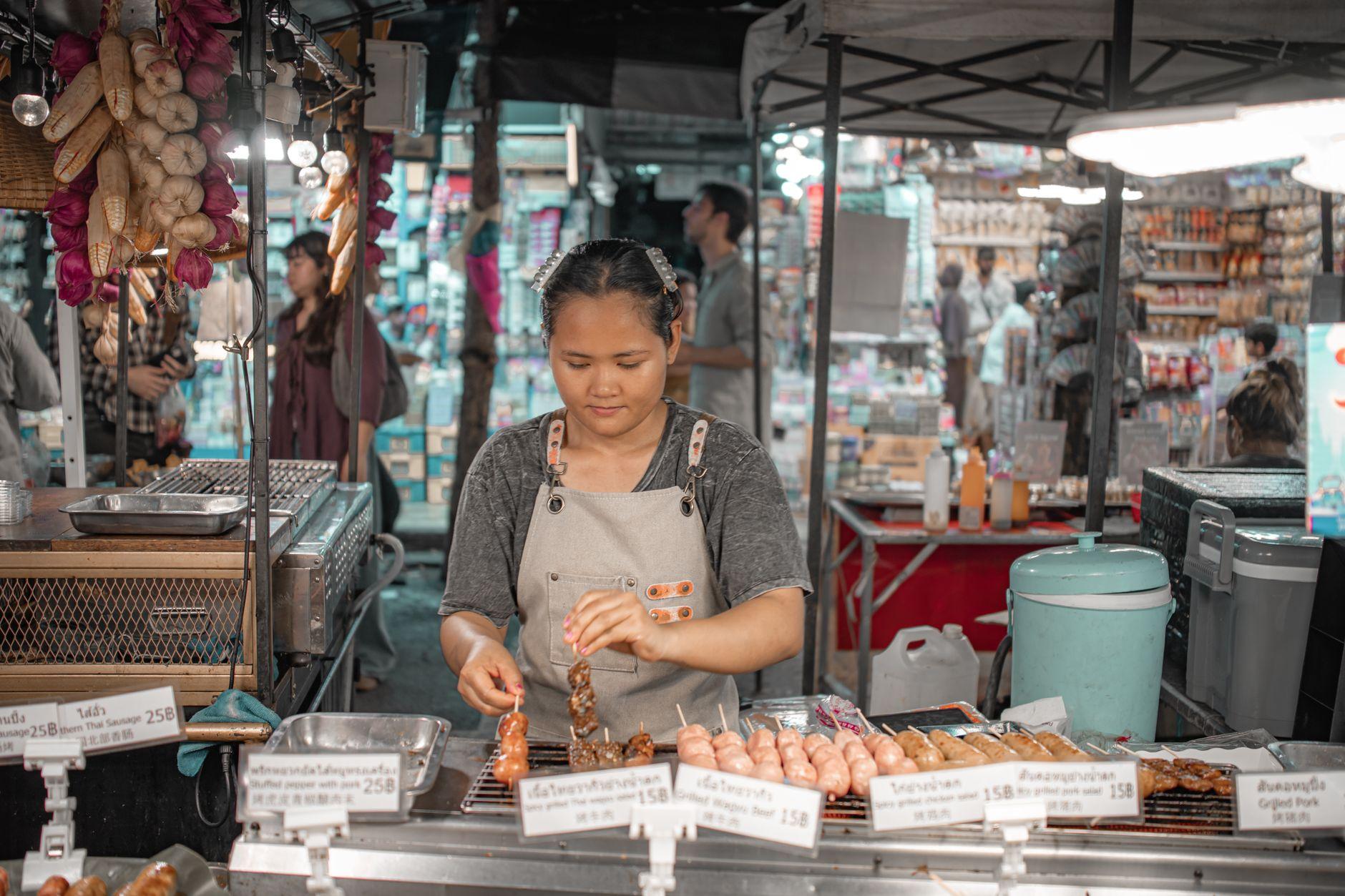
Ask ten people planning a trip to Thailand how they intend to pay for things, and you will hear the same confident answers: bring cash, use your travel credit card, hit an ATM when you land. All three answers were reasonable a decade ago. In 2026 they range from outdated to actively expensive, because everyday Thailand now runs on PromptPay, the national QR payment system that locals use for everything from a 40 baht bowl of noodles to their electricity bill.
Let's take the most common beliefs one at a time and compare them to what actually happens on the ground.
Myth 1: "Thailand is a cash country, so I should bring a thick stack of baht"
Walk through any Bangkok market, any Chiang Mai coffee shop, any 7-Eleven in the country, and watch what locals do at the register. They are not counting out banknotes. They are scanning a small laminated QR code taped to the counter or hanging from the cart's umbrella pole. That is PromptPay, and it is accepted almost everywhere, including the kind of street food stall where you would swear cash is the only option.
Cash still works, of course, and it is smart to carry a little for the occasional holdout. But the idea that Thailand is fundamentally a cash economy is years out of date. If you are still deciding how much physical currency to bring, our guide to which banknotes get the best exchange rates in Thailand covers the cash side, but the honest answer is that you need far less of it than you think.
Myth 2: "My Visa or Mastercard will be fine for daily spending"
Your foreign card will work at hotels, big malls, and chain restaurants in tourist zones. Outside that bubble, it mostly will not. Small merchants frequently refuse foreign cards outright, and plenty of them do not have a card terminal at all. Why would they? A QR code costs nothing to print and the money arrives instantly.
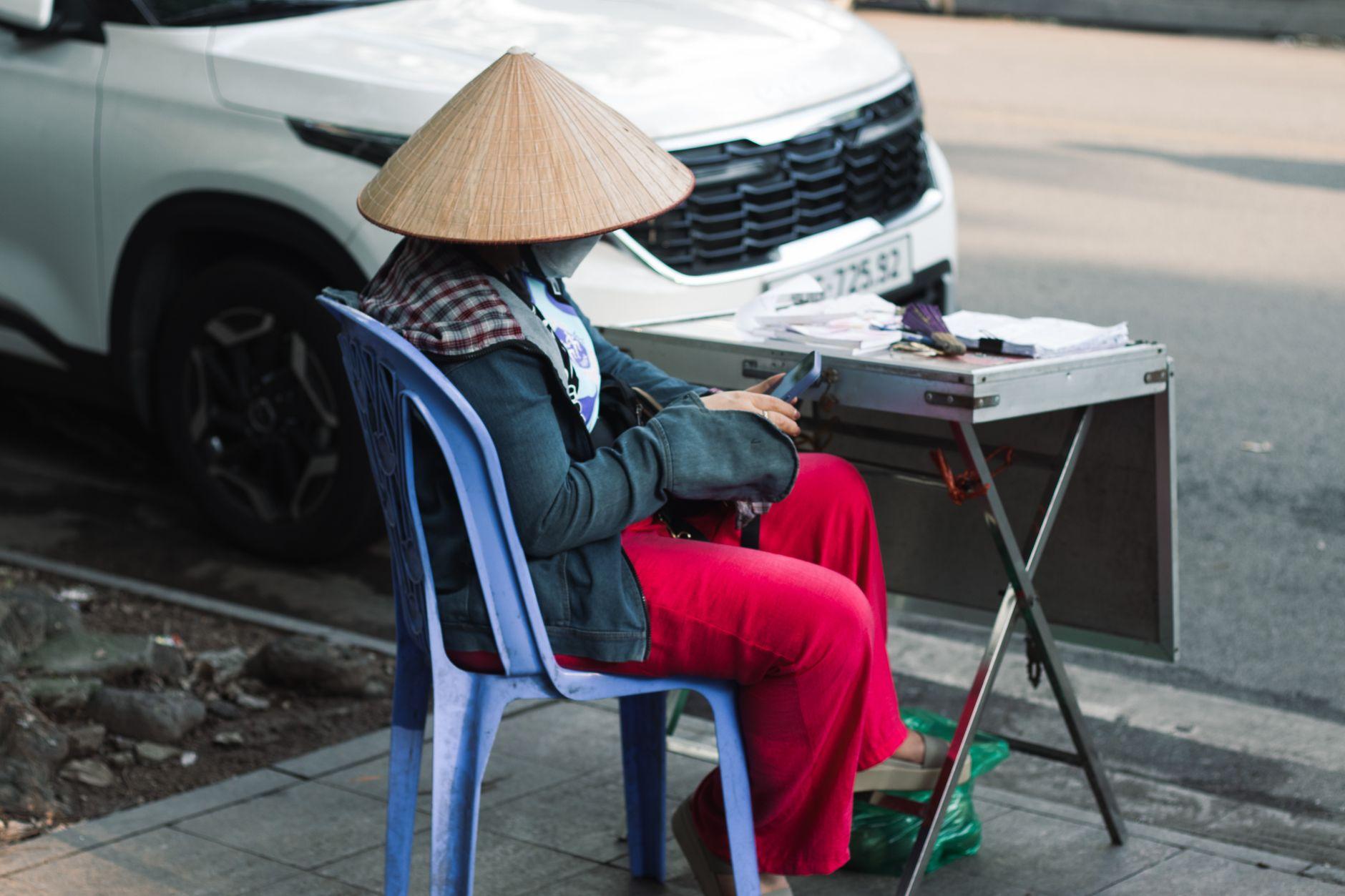
Taxis are the classic trap. Many Bangkok taxi drivers accept exactly two things: cash or a PromptPay QR scan. Hand them a credit card and you will get a polite shake of the head while the meter keeps you hostage. The same goes for motorbike taxis, songthaews, laundry shops, fruit vendors, and the lady who makes the best mango sticky rice on your soi.
Myth 3: "I'll just withdraw cash from ATMs as I go"
You can, but Thai ATMs are famously unkind to foreign cards. The standard fee is around 220 baht per withdrawal, charged by the ATM itself, before your home bank adds whatever it adds. Do that twice a week for a month and you have paid a meaningful chunk of money for the privilege of carrying paper around, paper you then have to break at stalls that would rather you scanned a code anyway.
The ATM run also creates a rhythm problem. You withdraw a large amount to minimize fees, carry more cash than you are comfortable with, spend it unevenly, and end the trip either making one more expensive withdrawal or stuck with leftover baht. Locals avoided this entire cycle years ago by moving to QR.
Myth 4: "QR payments are only for Thai people with Thai bank accounts"
This one used to be true, and it is the myth that keeps the most travelers stuck in the cash-and-ATM loop. PromptPay is tied to the Thai banking system, so you cannot simply download a Thai bank app at the airport. Opening a local account as a short-term visitor ranges from tedious to impossible depending on your visa.
But you no longer need the account, because you can join the QR ecosystem from the outside. With Moreta Pay, you top up a wallet from your own bank at home (a US bank via Plaid or ACH, SEPA in Europe, Faster Payments in the UK, Canadian e-Transfer) or with an international card, all in your own currency. Then you scan the exact same PromptPay QR code the Thai customer ahead of you just scanned. The app shows you the amount, the merchant name, and the FX rate before you confirm, the wallet converts to baht, and the vendor is paid instantly. No Thai bank, no cash, no 220 baht ATM toll.
One practical note: wallet top-ups from a bank are not always instant, so load your balance before you need it rather than at the noodle cart. We wrote a whole piece on how early to send an ACH top-up before paying QR codes abroad if you want to time it right.
Myth 5: "QR is just for street food, I'll still need other methods for everything else"
PromptPay goes far beyond the market stall. Convenience stores, pharmacies, dentists, gyms, coworking spaces, and massage shops all take it. Online, the big platforms Thais actually shop and book on, including Lazada, Shopee, Agoda, and Trip.com, offer QR payment at checkout, and you can scan those codes with Moreta Pay the same way you would a code taped to a counter. Longer-stay expats can even handle bills in supported countries through the same wallet, which matters once you have a condo lease and a monthly internet plan with your name on it.
In other words, QR is not a backup method for small purchases. For most people living in Thailand, it is the primary method for nearly everything, and visitors can now operate the same way.
What a cash-light day in Thailand actually looks like
Here is the rhythm once you are set up. Morning coffee at an independent cafe: scan the code by the register, confirm, done. Grab a ride across town: the driver flips over a laminated card with his QR code, you scan, he hears the notification chime and nods. Lunch at a food court: every stall has its own code clipped to the glass. Afternoon 7-Eleven run for water and snacks: QR at the till. Evening night market: scan at the grilled chicken stall, scan at the smoothie cart, scan for the t-shirt you did not need but bought anyway.
At no point did you touch an ATM, worry about having exact change, or watch a vendor sigh at your foreign credit card. You paid the way everyone around you paid, and you saw the exchange rate on every single transaction before confirming it, which is more transparency than any currency exchange booth will ever give you.
Before you land
The setup is the easy part: install Moreta Pay, connect your home funding source, and load your wallet while you are still on fast airport Wi-Fi or, better, before you even fly. From your first taxi out of Suvarnabhumi to your last mango sticky rice, you will be scanning the same codes locals do. Ready to skip the ATM line entirely? Set up Moreta Pay before your flight to Thailand and arrive already able to pay like you live there.