
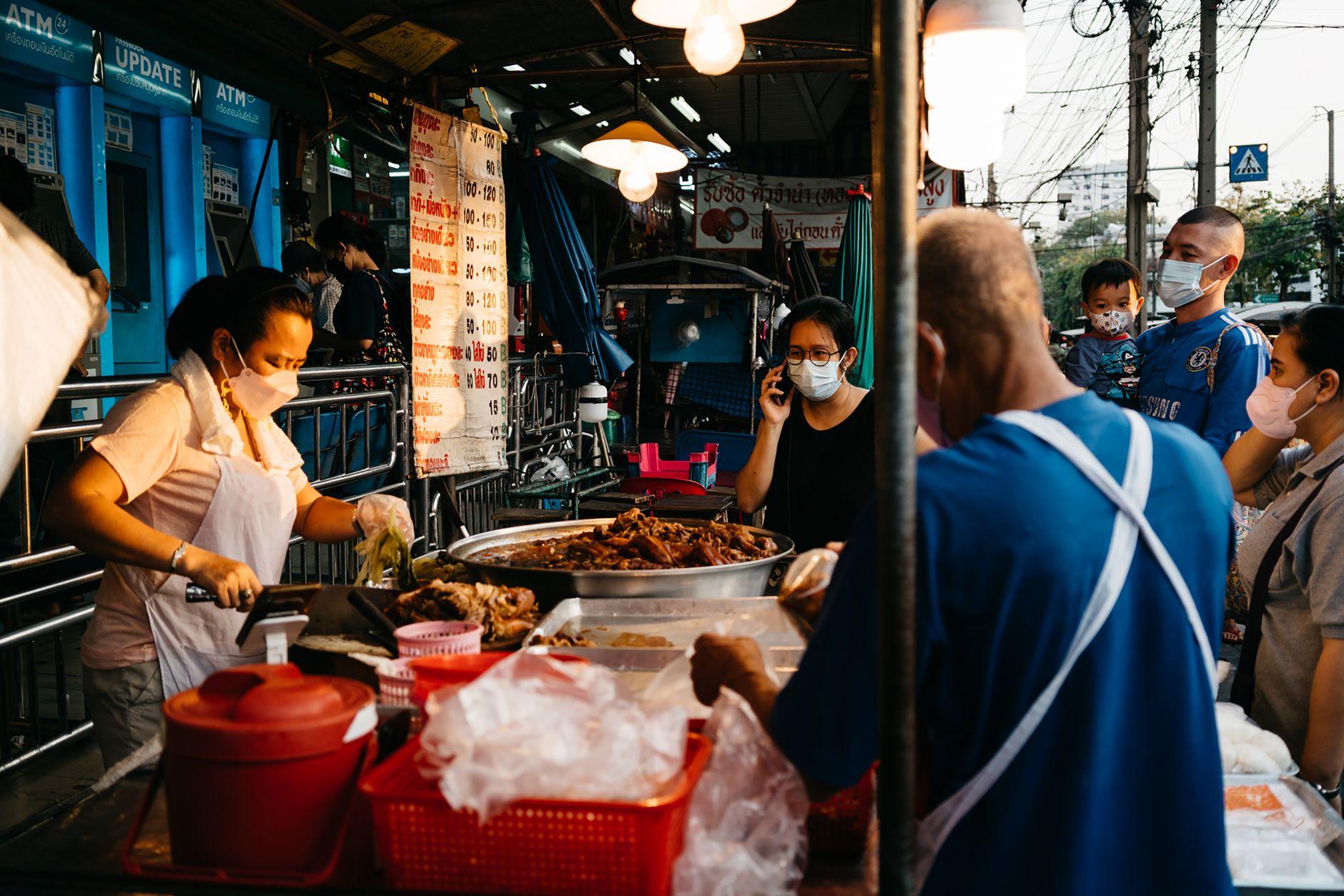
Opening a Thai bank account as a foreigner is famously inconsistent. One branch wants a work permit, the next wants a long-term visa, a third says come back with a letter from your embassy. Meanwhile you still need to eat, get around Bangkok or Chiang Mai, and pay your landlord. These are the questions new expats in Thailand ask most, answered without the runaround.
Do I actually need a Thai bank account to live here?
For daily spending, no. Thailand's day-to-day economy runs on PromptPay QR codes and cash, and you can participate in the QR side of it without ever setting foot in a Thai bank branch. An account becomes genuinely useful if an employer insists on paying salary locally, but for buying groceries, eating out, taking taxis, and paying bills, plenty of expats go months (or indefinitely) without one.
What is PromptPay, and why is it everywhere?
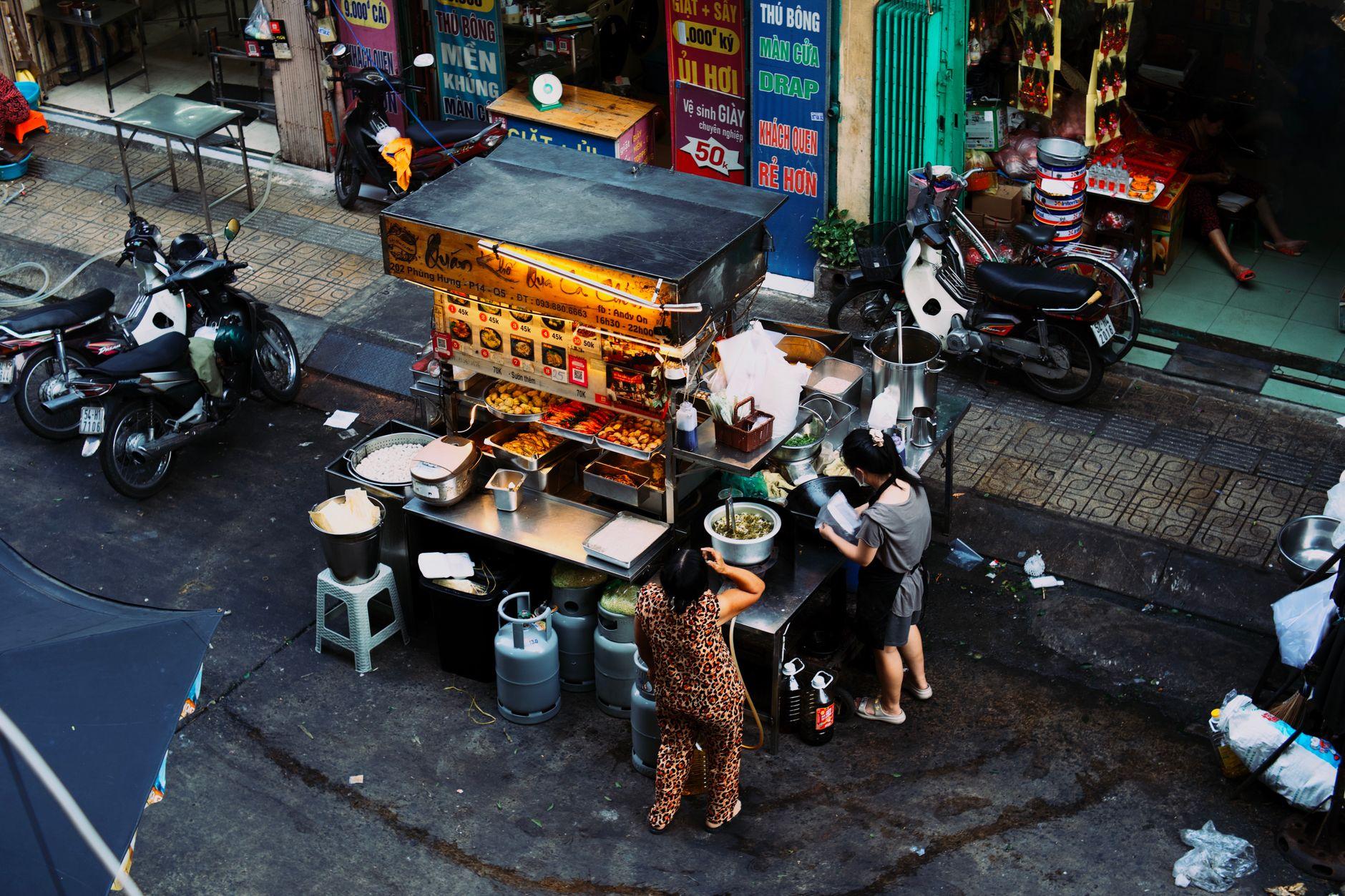
PromptPay is Thailand's national QR payment standard. Every merchant, from a som tam cart on a Bangkok soi to the 7-Eleven on the corner, can print one laminated QR code and accept payment from any Thai banking app. That universality is why you see the same style of QR sticker on noodle stalls, massage shops, laundry counters, and motorbike taxi drivers' handlebars. Locals barely carry cash anymore because one scan covers almost everything.
Can foreigners pay PromptPay QR codes without a Thai bank?
Yes, and this is the piece most new arrivals discover late. A wallet app like Moreta Pay lets you scan the exact same PromptPay QR codes Thai locals use. You top up the wallet from your home bank or an international card in your own currency, then scan the merchant's code, check the amount, the FX rate, and the merchant name on screen, and confirm. The merchant receives Thai baht instantly, exactly as if a local had paid. No Thai account, no local SIM-linked banking app, no awkward explanations at the counter.
Will my foreign Visa or Mastercard work in shops?
Sometimes, and that's the problem. Malls, hotel chains, and bigger restaurants usually take international cards. But a large share of the places you'll actually spend money every day (food stalls, local cafes, markets, small pharmacies, repair shops) either refuse foreign cards or never had a card terminal at all. Their payment options are cash or PromptPay QR, full stop. Relying on your card alone means constantly being told no at exactly the places with the best food.
Is it true Thai ATMs charge foreign cards heavily?
Painfully true. Thai ATMs typically charge foreign cards around 220 THB per withdrawal, on top of whatever your home bank adds. For an expat withdrawing cash every few days, that quietly becomes one of your biggest recurring expenses. It's the main reason long-stayers either open a Thai account eventually or move their daily spending onto QR payments, where there's no withdrawal fee to pay in the first place.
How do I pay for taxis, Grab, and motorbike taxis?
Metered taxis in Bangkok are notorious for being cash-or-QR only, and many drivers now prefer the QR. Motorbike taxi drivers often have a PromptPay code printed on a card hanging from their jacket. Grab lets you attach an international card in the app, which works, but the moment you step outside the app into a regular taxi or a songthaew, you're back in PromptPay territory. Having a way to scan those codes removes the nightly scramble for exact change.
What about rent, electricity, and other bills?
Many landlords in Thailand now send tenants a PromptPay QR code for monthly rent rather than asking for a bank transfer, precisely because it's easier for everyone. Utility and phone bills can often be settled by QR as well, and Moreta Pay supports bill payments in its supported countries, so recurring expat costs don't require a local account either. For larger or unusual payments, confirm with your landlord first, but the humble QR sticker covers more of expat life than most people expect before arriving.
Can I shop online on Lazada and Shopee without a Thai card?
Yes. Thai e-commerce platforms like Lazada and Shopee, and travel sites like Agoda and Trip.com, support QR-based checkout. Instead of typing in a card that might get declined for being foreign, you choose the QR option at checkout and scan it with your wallet the same way you would at a market stall. For expats furnishing an apartment or ordering anything bulky, this quietly solves a recurring headache.
How do I load money in without a Thai bank?
You fund the wallet from home. Americans can connect a US bank via Plaid or use ACH, Europeans can use SEPA, Brits have Faster Payments, Canadians have e-Transfer, and anyone can top up with an international credit or debit card. If you're moving to Thailand from Europe, it's worth reading how to top up a travel payment app with a SEPA transfer before an Asia trip so your balance is ready before you land. The conversion to baht happens at the moment you pay, with the rate shown before you confirm, so there are no hidden foreign transaction fees buried in a statement weeks later.
Should I still carry some cash?
A little, yes. Temples with donation boxes, some songthaew routes upcountry, and the occasional holdout vendor still want baht notes. The realistic expat setup in 2026 is a small cash float for edge cases and QR for everything else, which flips the old model of hoarding cash and treating digital as the backup. That split also means a lost wallet costs you a few hundred baht instead of a week's budget, and if it's your phone that goes missing instead, it helps to know how secure a QR payment app is once your phone gets stolen.
What does this look like on a normal day?
Morning coffee at a local cafe, scan the counter QR. Lunch at a street stall, scan the laminated code taped to the cart. Top up groceries at 7-Eleven, scan at the till. Taxi home, scan the code on the driver's dashboard. Rent due, scan the landlord's QR from a photo they sent on Line. Every one of those is a standard PromptPay code, and with Moreta Pay on your phone, every one of them is payable in seconds from a balance you funded from your home bank. Life in Thailand without a Thai bank account stops being a workaround and starts being the plan. If you're arriving soon, set up Moreta Pay before your flight and skip the ATM fee education entirely.