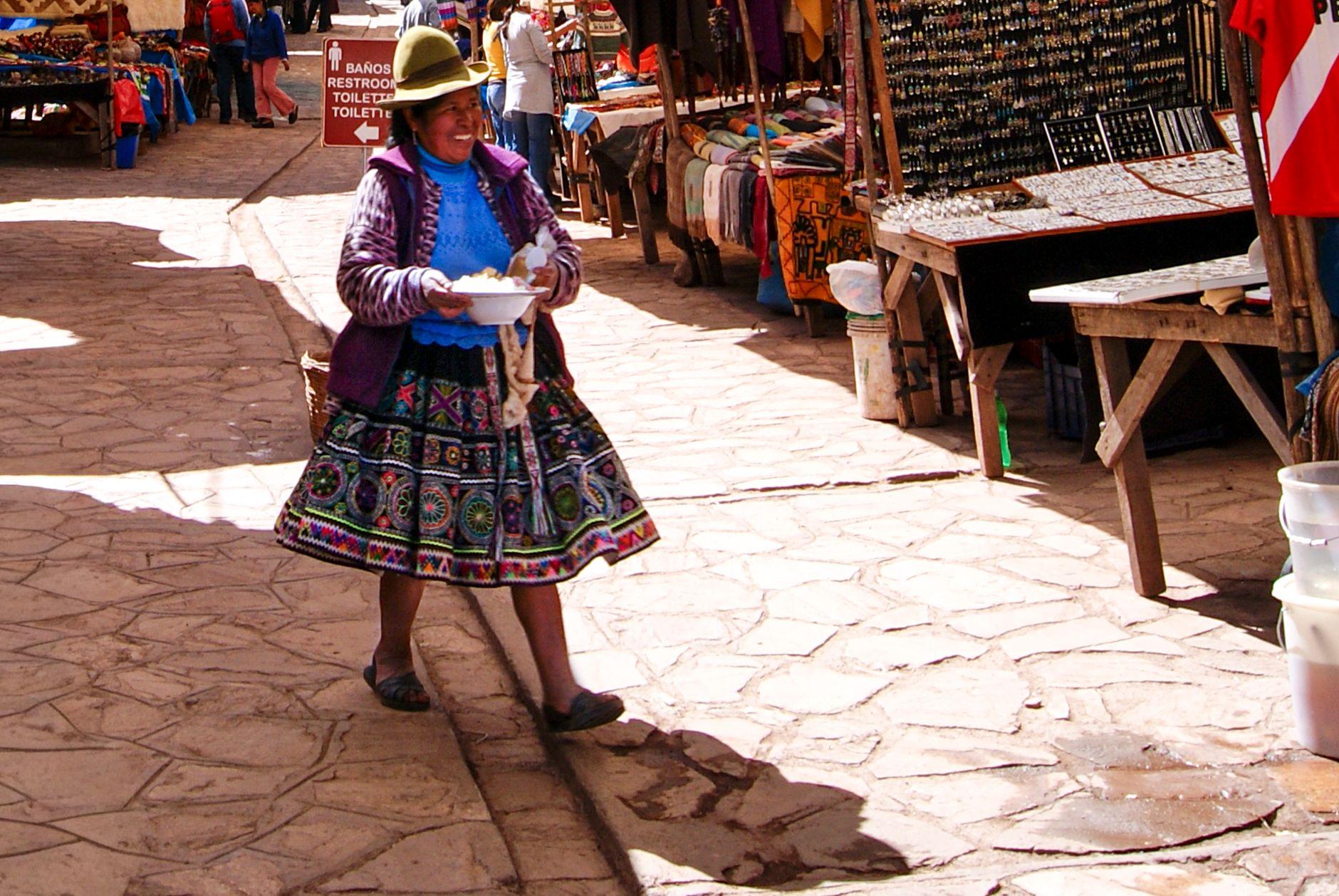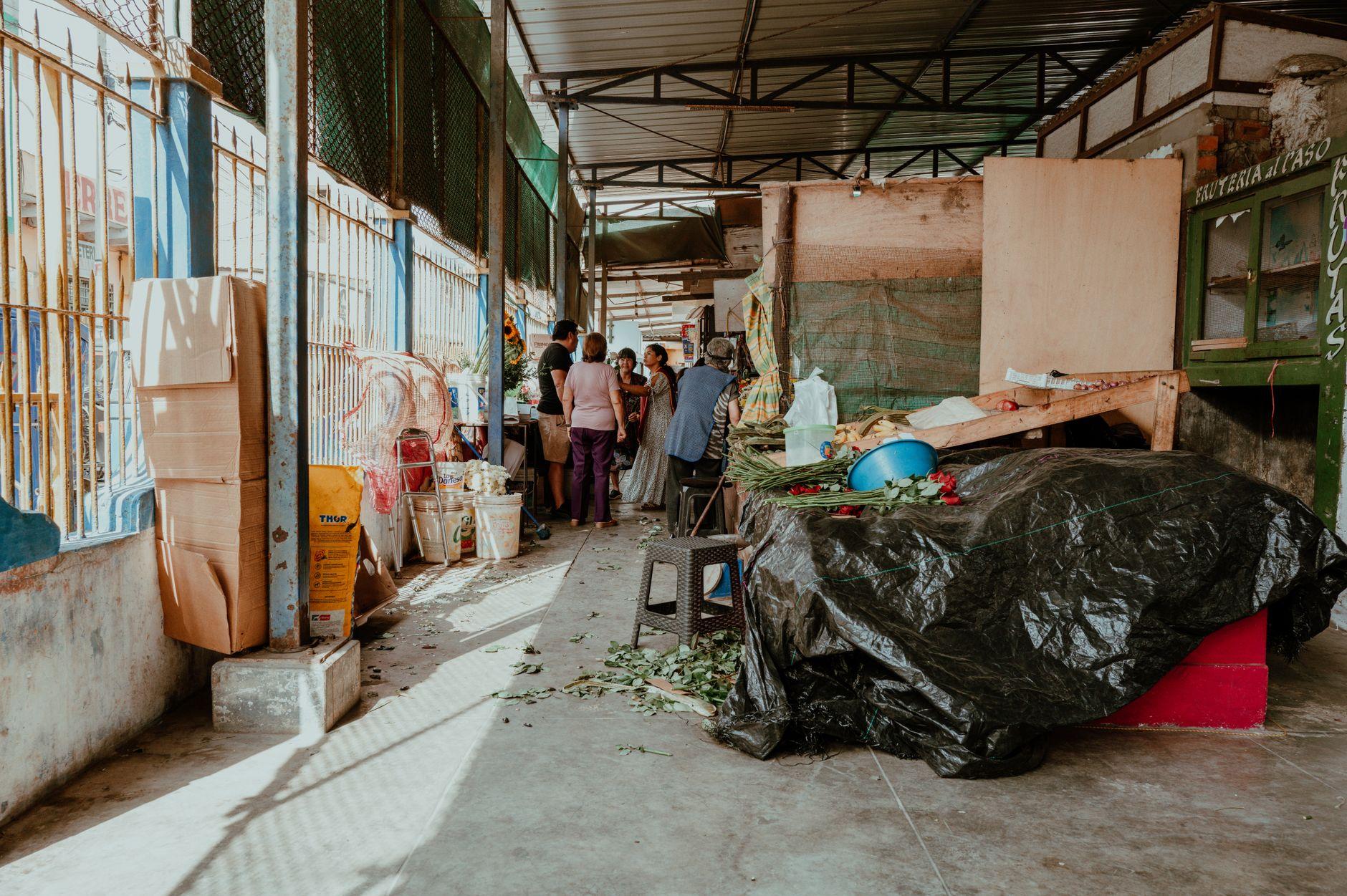

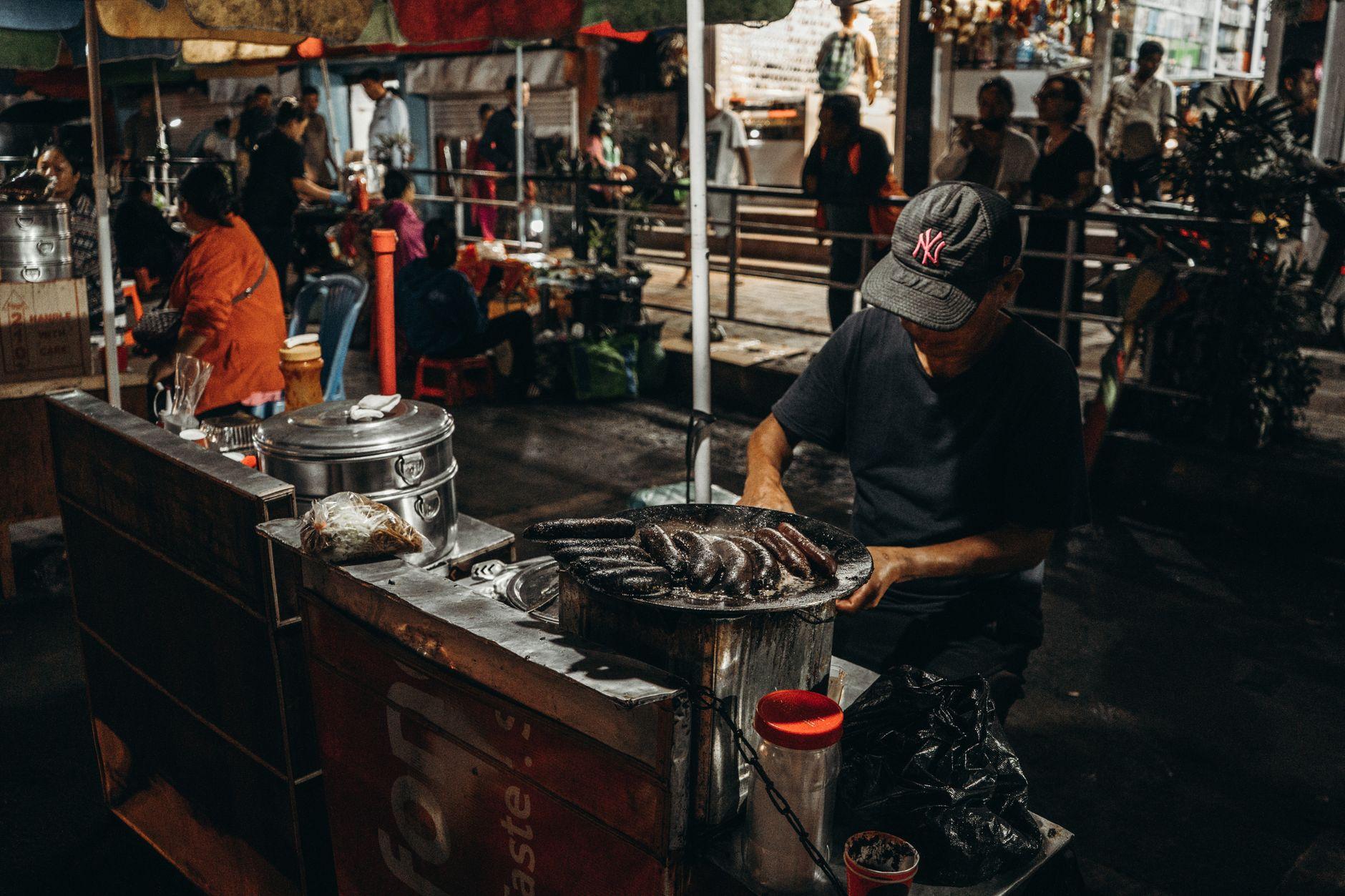
It's a Tuesday morning in Laureles, Medellín. You've ordered two empanadas and a tinto from a cart that smells like fried heaven, and you're holding out a crisp 50,000 peso bill fresh from the airport ATM. The señora looks at it, looks at you, and shakes her head. No hay cambio. No change. Then she taps a laminated card taped to the glass case: a QR code with a little Nequi logo on it. The guy behind you, a paisa in gym clothes, reaches past, scans it with his phone, taps twice, and walks off with his breakfast in about eight seconds. You're still holding the fifty.
That little scene is Colombia's money reality in 2026, compressed. The country didn't go cashless the way Scandinavia did, with cards everywhere. It went cashless through phones, through QR codes, and through apps like Nequi, Daviplata, and Bancolombia's QR system that almost every local has and almost no tourist can open. Most of the money mistakes visitors make here come from not understanding that split.
Mistake one: treating the airport ATM like a ritual
The classic move is to land in Bogotá or Medellín, find an ATM, and pull out a thick stack of pesos "to be safe." Then you spend the next week discovering that big bills are a burden. Street vendors, buses, small tiendas, and taxi drivers often can't break them, and nobody enjoys the little standoff while someone runs next door to find change.
You do want some cash in Colombia. Rural areas, some markets, and the occasional old-school taxi still run on it. But "some" is the operative word. A modest amount in small bills covers the genuinely cash-only moments. Pulling out a huge sum on day one just means ATM fees, a fat wallet you have to worry about, and a pile of 50,000s nobody wants to change.
Mistake two: losing count of the zeros
Colombian pesos come with a lot of zeros, and your jet-lagged brain will betray you. Prices are quoted in thousands, locals casually drop the "mil" in conversation, and a 10,000 and a 50,000 note can look alarmingly similar at midnight when a taxi is idling. Tourists overpay by a factor of five without anyone even trying to scam them, simply by handing over the wrong bill.
Two habits fix this. First, slow down and read the number on the note, every time, out loud if you have to. Second, pay digitally whenever possible, because a screen showing the exact amount, the merchant name, and the conversion into your own currency removes the whole zeros problem. There's no squinting at paper when the number is confirmed before you tap.
Mistake three: handing your card around like it's 2015
Here's something that surprises visitors: in Colombia, the card machine comes to you. At restaurants, the waiter brings the datáfono to your table rather than walking off with your card. That's not quirky service, it's culture shaped by years of card cloning fears. Colombians are deeply wary of letting a physical card out of their sight, and that wariness is a big part of why QR payments took over so fast. A QR code can't be skimmed. There's no magnetic stripe to copy, no number to photograph.
So when a tourist insists on handing a foreign credit card to a small shop, or taps it on sketchy-looking terminals all over town, they're taking a risk that locals deliberately engineered out of their daily lives. Follow the local instinct here. If the people who live in Medellín prefer scanning a code over swiping a card, that preference exists for a reason.
One more card trap while we're at it: if a terminal ever offers to charge you in your home currency instead of pesos, decline and pay in pesos. The "helpful" conversion is rarely in your favor.
Mistake four: assuming you can just download Nequi
Those purple Nequi stickers and red Daviplata signs are everywhere, from Poblado specialty coffee shops to fruit stands in Bogotá's plazas. Naturally, travelers think: I'll just get the app. Then they hit the wall every expat knows about, because these apps are built for residents. You generally need a Colombian ID and a local phone number, which means the entire QR ecosystem that Colombia actually runs on stays locked to visitors, and they get pushed back to cash and cards, the two options locals are quietly moving away from.
This is exactly the gap Moreta Pay exists for. You top up a wallet from your own bank at home (US bank via Plaid or ACH, SEPA in Europe, UK Faster Payments, Canadian e-Transfer) or an international card, in your own currency. Then at the empanada cart, you scan the same QR code the paisa in gym clothes scanned. You see the amount, the exchange rate, and the merchant's name before you confirm, the wallet converts to pesos, and the vendor is paid instantly. No Colombian bank account, no cédula, no stack of unbreakable fifties.
If you're trying to figure out how one wallet can cover multiple countries on the same trip, the key is thinking in payment networks rather than borders. We broke that down in choosing a cashless travel app by network, not country.
Mistake five: being careless with your phone, because now it IS your wallet
Colombians have a famous phrase: no dar papaya. Roughly, don't give anyone an easy opportunity. Flashing an expensive phone on a street corner in the wrong neighborhood is the textbook example. If your phone becomes your payment method (and in Colombia it should), it deserves the same street smarts your wallet used to get. Scan and pay inside the shop, not on the curb. Keep the phone locked, keep app security on, and know what happens to your money if the phone disappears. We covered that scenario in detail in what happens to a QR payment app when your phone gets stolen abroad. Short version: a locked payment app with a protected wallet is far safer than a pocket full of cash, which has no password at all.
How this plays out over a real week in Colombia
Put it all together and a sensible week looks like this. You land with a wallet already topped up from home. You withdraw a modest amount of cash in small bills for the genuinely analog moments. At cafes, menú del día lunches, markets, and your coworking space in Medellín, you pay the way locals do, by scanning the Nequi, Daviplata, or Bancolombia QR on the counter. For hotel bookings on platforms like Trip.com or Agoda, QR-based online checkout works from the same wallet. Your card mostly stays in the hotel safe, your cash stays small, and the zeros stop being scary because the app shows you exactly what you're paying every single time.
The empanada señora doesn't want your fifty. She wants the eight-second payment her regulars give her. With Moreta Pay on your phone, you can be one of them from the moment you land. Set up your wallet before your flight to Colombia and skip the airport ATM line entirely.