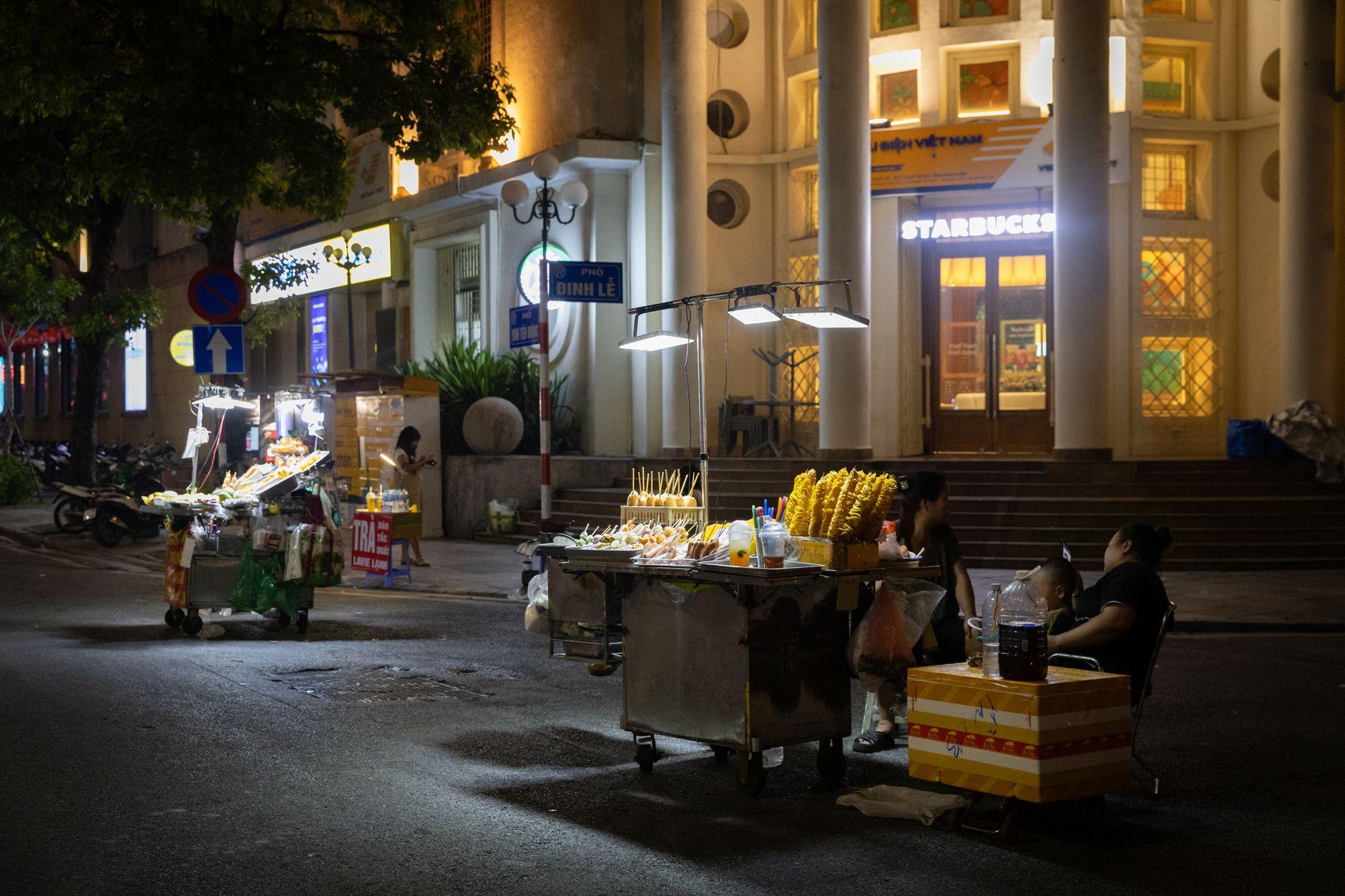

Spend one week in Hanoi, Da Nang, or Saigon and you'll notice the same object everywhere: a laminated card with a QR code, taped to the counter or propped against the cash tray. The banh mi cart has one. The laundry shop has one. The lady selling iced coffee from a cooler on the sidewalk has one.
Locals scan it with their banking app, type the amount, and walk away. No cash changes hands. As an expat without a Vietnamese bank account, your job is to figure out how to do the same thing. Here's how that actually works in 2026.
What that QR code actually is
The code on the counter is almost always VietQR, Vietnam's standardized bank-to-bank QR format. It encodes the merchant's bank account, so any Vietnamese banking app (Vietcombank, Techcombank, MB Bank, and the rest) can scan it and push a transfer instantly.
That's why one code works for everyone. Vietnam mostly avoided the cluttered counters you see in some countries where every wallet app demands its own sticker. If you're curious why some markets end up with three codes at one till and Vietnam usually has one, we've broken that down separately.
The catch for foreigners: those banking apps require a Vietnamese bank account, which usually means a long-term visa, a work permit, or a residence card, plus a branch visit. If you're on a tourist visa or newly arrived, you're locked out of the local rails by default.
Why your foreign card keeps getting a polite shrug
Visa and Mastercard work fine in Vietnam, in a narrow band of places: international hotels, big malls, chain restaurants, some coffee chains in District 1 or central Hanoi. Step outside that band and card terminals mostly don't exist.
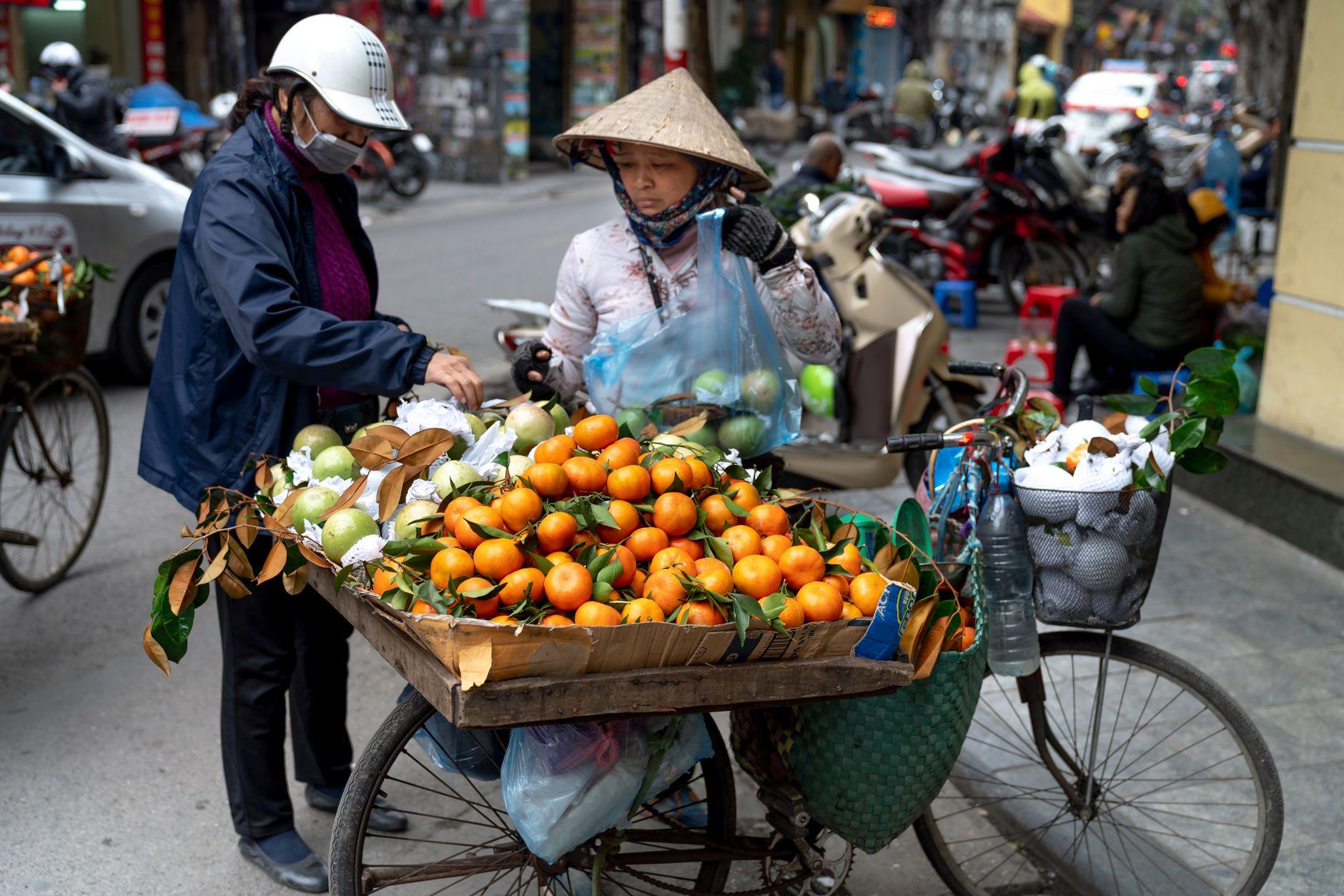
Your neighborhood pho place doesn't have one. The motorbike mechanic doesn't have one. The fruit vendor definitely doesn't. Even mid-range local restaurants often accept only cash or QR. Grab is the main exception since you can attach a foreign card in the app, and it's worth doing for rides and food delivery. But Grab doesn't cover the other thirty small payments in your week.
Cash still matters, just less than you'd think
Vietnam is not cashless. Wet markets, parking attendants, some rural areas, and the occasional stubborn vendor still want dong notes. Keep a modest cash float, ideally in small denominations, because a 500,000 dong note at a street stall can genuinely be a problem to break.
But the balance has shifted fast. QR is now the default for a huge share of urban daily spending, and many expats find cash becomes the backup, not the routine. That changes your whole setup: instead of planning ATM runs, you plan how to get onto the QR rails.
Scanning VietQR without a Vietnamese bank
This is where Moreta Pay fits. It lets you scan the same VietQR codes locals use, without opening a Vietnamese account.
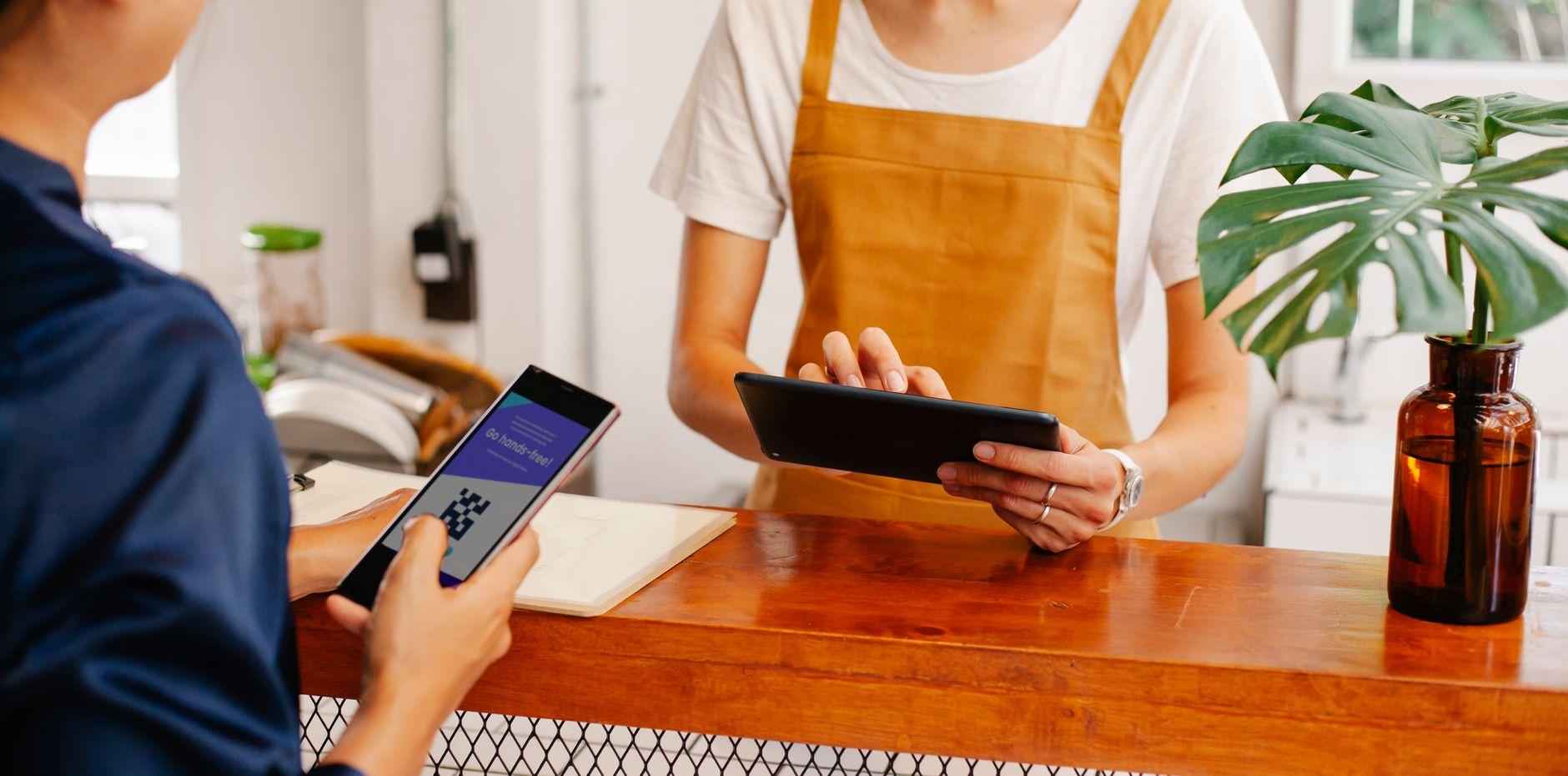
The flow: you top up a wallet in your own currency from your home bank (US bank connection via Plaid or ACH, European SEPA, UK Faster Payments, Canadian e-Transfer) or an international card. At the counter, you scan the laminated code, and the app shows you the amount, the FX rate, and the merchant's name before you confirm. Tap confirm and the merchant is paid in dong instantly, same as if a local had scanned it.
Two details matter in practice. First, seeing the merchant name before confirming is a real safeguard at busy stalls, since a mismatched name means someone swapped the code. Second, seeing the FX rate on screen means you know exactly what a 45,000 dong coffee costs you in dollars or euros before the money moves, which is more transparency than a foreign card ever gives you.
A normal Tuesday, paid entirely by phone
Here's what a QR-first day looks like for an expat in Da Nang or Saigon:
Morning coffee: scan the code taped to the espresso machine, confirm, done before the barista finishes your ca phe sua da.
Lunch: com tam from a family-run spot. The QR card lives in a plastic stand next to the chili sauce. Type the amount they tell you, show the success screen, go.
Laundry pickup: the shop weighs your bag, points at the code on the wall.
Evening: Grab home on your linked card, then a couple of beers at a bia hoi place where, yes, sometimes cash still wins. That's fine. The point isn't zero cash, it's ending the constant ATM cycle.
Online orders and bills follow the same logic
The QR habit extends beyond counters. Shopee and Lazada checkouts, and travel bookings on platforms like Trip.com and Agoda, offer QR-based payment options that a wallet like Moreta Pay can handle the same way you'd pay at a cafe: scan or confirm, see the rate, approve. Bill payments in supported countries work through the app too, which helps once you're settled enough to have recurring utilities.
For long-stayers, this covers the awkward middle period, the months when you live like a resident but the banks still treat you like a tourist. Some expats eventually open a local account once their paperwork allows it. Plenty never bother, because the daily friction they were trying to solve is already gone.
Set up before you land, not after
A short checklist that saves you a scramble on arrival:
1. Connect your home bank before flying. Bank connections and identity checks are easier on home WiFi than in an arrivals hall.
2. Pre-load your wallet. Land with a balance ready so your first coffee is a scan, not a hunt for an ATM.
3. Carry some cash anyway. Small notes for markets, parking, and the occasional holdout vendor.
4. Add a card to Grab. Transport and delivery, sorted separately.
5. Always check the merchant name on screen. Ten seconds of attention, zero swapped-code surprises.
If Vietnam is one stop in a longer regional life, know that the same no-local-account question plays out differently next door. We looked at how the Thailand version of this problem compares, and the short answer is that a wallet that speaks the local QR standard travels better than any card does.
The laminated card on the counter isn't going anywhere. The only question is whether your phone can talk to it. Get set up with Moreta Pay before your flight and your first Vietnamese coffee can go on the same rails the locals use.