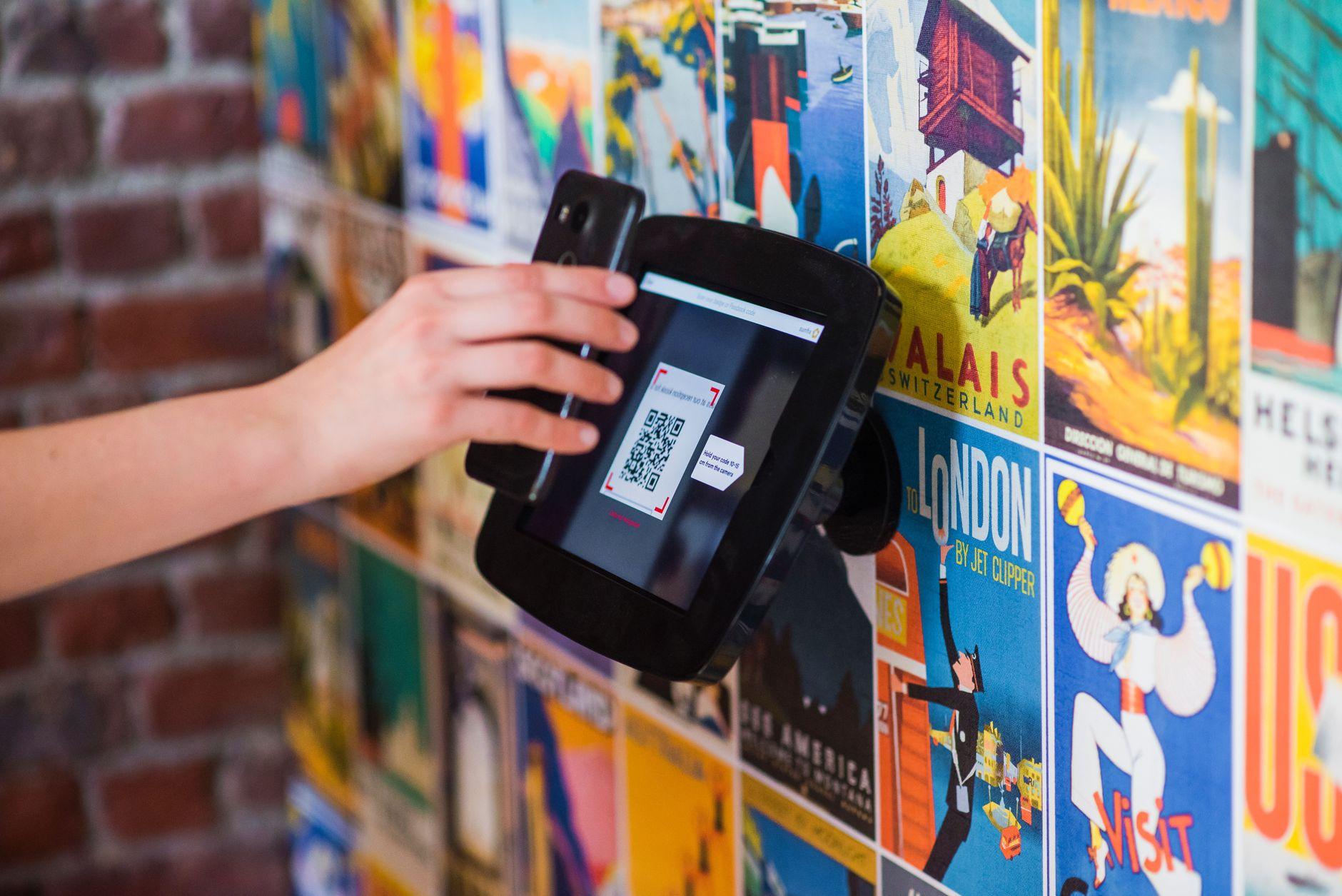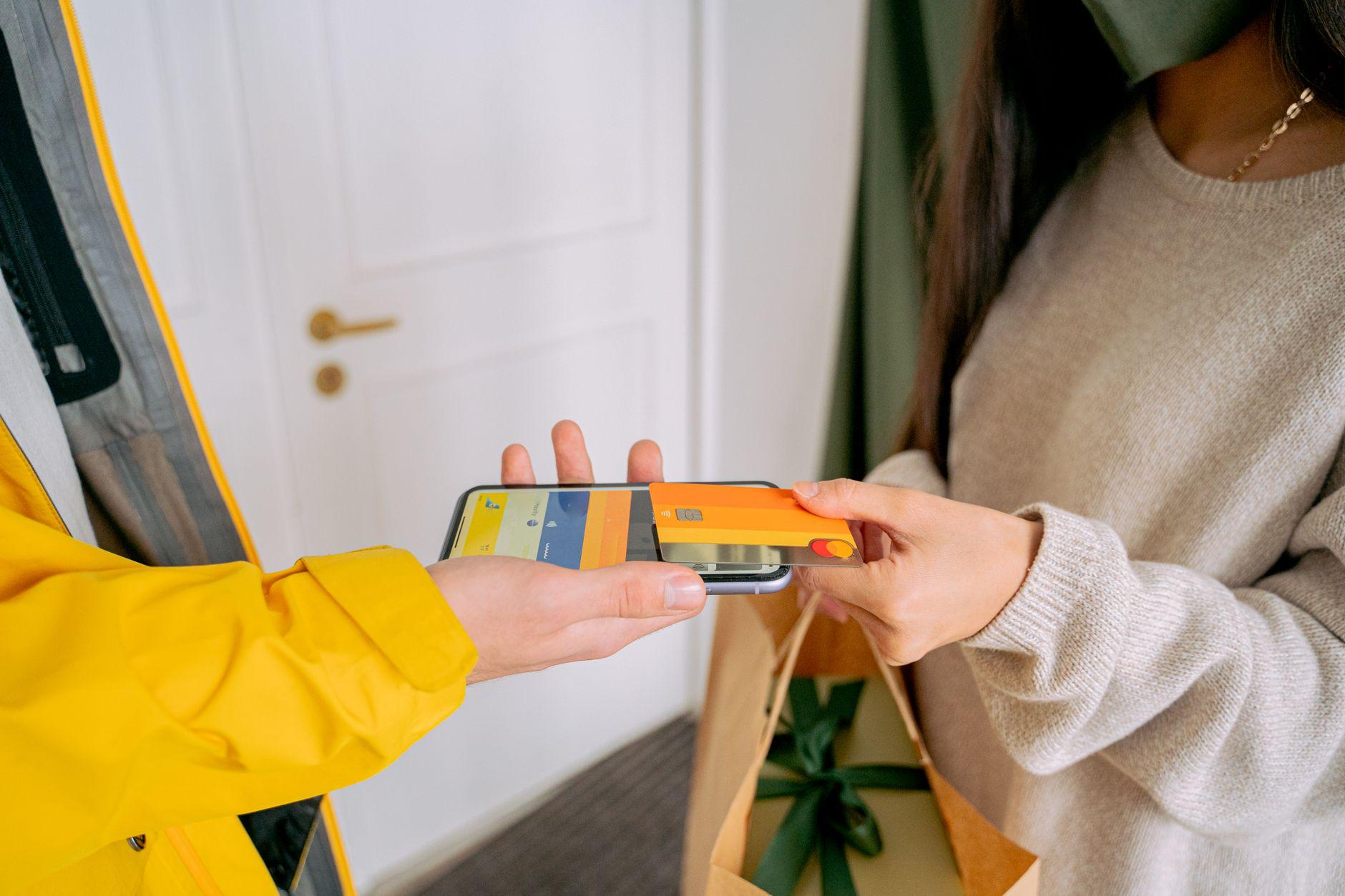


A vendor at a night market in Kuala Lumpur will scan almost anything you hand her, a phone, a card, a printed slip, as long as the payment clears. What she will not do is wait around while an app crashes or a transfer bounces. Trust, in that thirty-second transaction, is not abstract. It is whether the money shows up. That same test, at a much larger scale, is what separates fintech apps that survive from the ones that quietly disappear from app stores. Y Combinator backing and FinCEN registration are two specific, verifiable signals of that survivability, not marketing badges. YC funds companies after a selection process built around clarity and defensibility of the business model [playbook.samaltman.com], and FinCEN registration indicates a Money Services Business registered with the U.S. Treasury [source: MSB regulatory requirements]. Neither signal guarantees a good travel wallet app. Together, they narrow the field considerably.
What does Y Combinator backing actually verify about a fintech startup?
Y Combinator backing verifies that a startup passed a selection process that specifically screens for a clear, defensible answer to what the company does and why it works as a business [playbook.samaltman.com]. YC's own guidance to applicants emphasizes clarity over technical complexity: founders are pushed to explain their product so plainly that a non-technical investor understands it immediately [saastr.com]. That filter matters for travel wallets specifically, because the space is full of apps built on interesting technology with unclear paths to sustainable operation. YC has funded over 572 fintech and financial services startups [ycombinator.com], which means the accelerator has seen enough failure patterns in this category to apply real scrutiny during selection, not a rubber stamp.
Backing is not a guarantee of product quality after the fact. It is a snapshot, taken at the funding decision, of whether informed outside parties believed the underlying model could work. For a traveler evaluating a travel wallet app, that snapshot is still useful information, roughly equivalent to knowing a restaurant passed a health inspection. It does not tell you if the food is good tonight, but it tells you someone independent checked the fundamentals.
What does FinCEN registration mean for a travel wallet?
Moreta is registered with FinCEN as a Money Services Business. That status is a credential, not a marketing claim, and it sits alongside Moreta's Y Combinator backing as one of the few facts about a fintech app that a traveler can verify independently rather than take on faith from an app store listing.
For a traveler, the practical question is simpler: does this company have a documented, checkable relationship with U.S. financial oversight, or does it not.
How do QR code payment apps differ from currency conversion apps like Wise or Revolut?
A QR code payment app connects directly to a country's native QR payment network, the same rail a local resident uses to pay at a market stall or noodle counter. A currency conversion app, by contrast, typically issues a card or account balance that a merchant's card terminal processes through international card networks. Wise operates as a multi-currency account and transfer platform, holding balances across more than 40 currencies and sending to over 160 countries at the mid-market rate with a transparent percentage fee. Wise is not a bank, though eligible U.S. customers who opt into its interest-earning feature can receive pass-through FDIC insurance through its program banks. Revolut holds up to 36 currencies and offers mid-market rates on weekdays within plan limits, but applies a 0.5 to 1 percent markup on all weekend transactions regardless of plan limits, with a separate fair usage fee applying to exchanges made outside monthly plan limits.
Neither is built around connecting directly to a national QR standard the way a dedicated travel wallet is. Native QR standards like VietQR, KHQR, DuitNow, and QR Ph dominate domestic retail payment in their respective countries and are increasingly linked through cross-border initiatives such as ASEAN Regional Payment Connectivity, while Pix operates as Brazil's domestic instant payment system [source: native QR payment standards]. An app that plugs into those rails directly is solving a different problem than one converting currency for card acceptance.
| Comparison point | Wise | Revolut | Moreta |
|---|---|---|---|
| Core mechanism | Multi-currency account, mid-market FX | Multi-currency card, tiered plans | Direct QR rail access with FX at point of payment |
| Weekend FX | Mid-market | 0.5-1% markup on all weekend transactions | Rate shown before confirming, every transaction |
| Currencies/countries | 40+ currencies, 160+ countries | Up to 36 currencies | QR networks across Asia and Latin America |
| Regulatory status | Not a bank, pass-through FDIC insurance available for eligible US customers | Bank in some regions, e-money institution in others | FinCEN-registered MSB |
How do other travel wallets and QR platforms compare on trust signals?
Stepping back from the card-versus-QR distinction, a separate and more direct comparison is against apps built specifically for QR payments abroad. LocalPay is a non-custodial stablecoin wallet on Solana that lets travelers spend USDT and USDC at QR merchants in specific Southeast Asian markets by converting crypto to local currency instantly. WanderWallet is built around Latin American rails, letting travelers pay via Pix and Mercado Pago using USD or EUR balances without a local bank account, with coverage limited to countries like Brazil, Argentina, Colombia, and Bolivia.
Each of these solves a real, narrower problem well within its stated scope. What distinguishes a broader travel wallet app is combining regional QR rail access with the two trust signals discussed above, rather than adding features that a single funding round or a single registration filing cannot verify. Moreta's rate comparison tool exists precisely because travelers should not have to guess: it shows exchange rates, fees, and total spending power against alternatives like Wise, Revolut, and cash withdrawn from an ATM, letting the traveler judge the trade-off with numbers rather than reputation.
What security measures should a travel wallet app have?
A send money abroad app or QR code payment app handling customer funds should have layered identity verification and continuous fraud monitoring, not a one-time signup check. Moreta uses Persona for identity verification and pairs it with 24/7 fraud monitoring, real-time account alerts, and login anomaly detection. Funds sit with licensed partner banks, and bank links go through Plaid. None of this is exotic. It is the baseline a traveler should expect before handing an app access to a bank account or card, and its absence in a competing app is worth noticing.
Frequently Asked Questions
Is Y Combinator backing a guarantee that a fintech app is trustworthy?
No. It indicates the company passed a funding process that specifically screens for business model clarity [playbook.samaltman.com], but ongoing trustworthiness depends on how the company operates after funding.
Does FinCEN registration mean an app is fully regulated in every state?
FinCEN registration is a federal credential for Money Services Businesses operating in the United States [source: MSB regulatory requirements].
What is the best travel card for 2026 if I want to use local QR codes instead of a card terminal?
The right choice depends on which countries you are visiting and whether you want to pay through native QR rails or an international card network. A travel wallet app built around direct QR access, rather than card-based conversion, is the relevant category if scanning local QR codes is your priority.
How does a travel wallet app handle currency conversion differently than a card?
A QR-based travel wallet converts currency at the moment of payment and shows the exact rate before you confirm, while a card transaction is typically converted by the card network or issuing bank after the fact, sometimes with a dynamic currency conversion option at the terminal that is worth declining in favor of local currency billing.
Can I use one app across all of Asia and Latin America, or do I need a different app per country?
This depends entirely on which QR networks a given app connects to. Some apps are built around specific regions or countries. Others aim for broader coverage across native QR standards in multiple regions.
Why does exchange rate transparency matter more for travel apps than the headline fee?
A low advertised fee can be offset by a poor exchange rate baked into the conversion, which is why comparing total spending power, not just the fee line, against alternatives like ATM withdrawal or a card network is the more accurate test.
Which travel wallet apps are FinCEN-registered?
Moreta Global Inc. is registered with FinCEN as a money services business. For any other app, look for the same statement on its own website before you compare it on fees.
About Moreta
Moreta Global Inc. is a Delaware corporation, Y Combinator-backed, and registered with FinCEN as a Money Services Business. The platform gives international travelers a digital wallet that connects directly to native QR payment networks across Asia and Latin America, letting users top up from a home bank or card and pay merchants in local currency without carrying cash or relying on ATM withdrawals. Security is built around Persona identity verification, continuous fraud monitoring, and Plaid bank links, with funds at licensed partner banks. Moreta's rate comparison tool lets travelers see, before they commit, how its exchange rates and fees stack up against Wise, Revolut, or cash from an ATM.
If you are comparing travel card exchange rates or evaluating which currency conversion app actually reaches the QR rails you will use on the ground, visit Moreta to see how the numbers compare for your specific route.
References
- Financial Technology and Services Startups funded by Y Combinator (YC) 2026 | Y Combinator (ycombinator.com)
- The Y Combinator Guide to Perfectly Pitching Your Seed ... (saastr.com)
- Startup Playbook (playbook.samaltman.com)