
There is no direct wire between Malaysia's DuitNow QR and Brazil's Pix, and there will not be one anytime soon. If you are flying from Kuala Lumpur to Sao Paulo, your national QR apps stop working the moment you cross a border, no matter how good the exchange rate on your home bank card looks. The two countries run separate instant payment rails, and the layover in between (usually Dubai, Doha, or Addis Ababa) sits in a third payment zone entirely. The practical fix isn't waiting for the rails to merge. It's carrying a wallet that can plug into each local network as you land in it.
DuitNow QR (Malaysia) and Pix (Brazil) are both dominant, high-volume national QR systems, but they are not technically linked to each other. No direct flights connect Kuala Lumpur (KUL) to Sao Paulo; expect a connection through a Gulf or East African hub and total travel time that can run well over a full day. Cross-border QR interoperability is being built through multilateral efforts like Project Nexus and Brazil's emerging "International Pix," not through a Malaysia-Brazil bilateral link. ATM withdrawal fees abroad and dynamic currency conversion at card terminals quietly erode your travel budget across a three-country trip like this. A digital wallet that taps into each country's actual QR standard beats carrying separate local SIM cards, apps, or cash reserves for each leg.
About the author: Moreta operates a digital wallet built specifically to connect to national QR networks including DuitNow QR in Malaysia and Pix in Brazil, and has tracked the absence of direct Malaysia-Brazil payment interoperability as part of its own market research into long-haul, multi-country traveler routes.
What payment systems does Malaysia actually use?
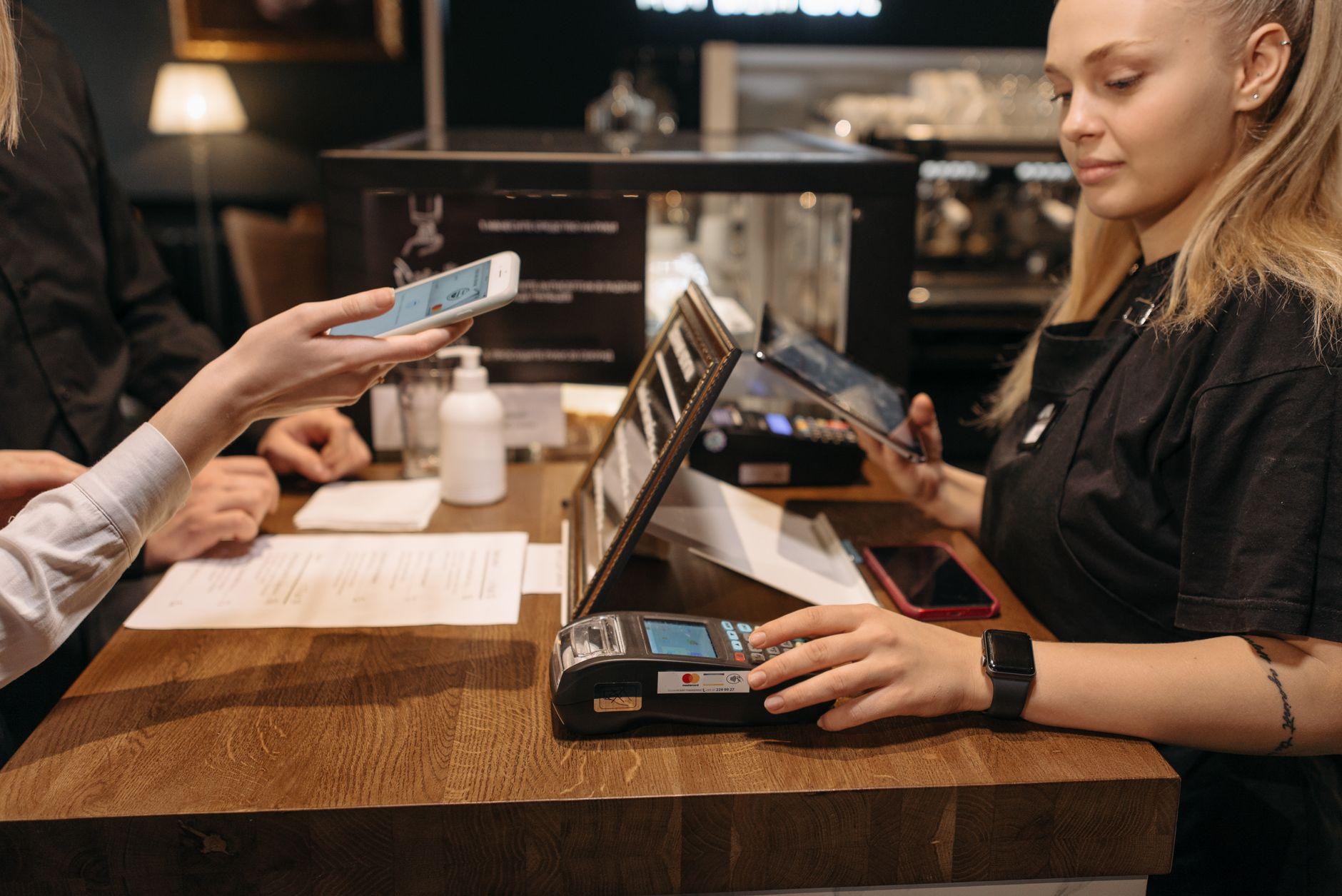
Malaysia's primary QR payment network is DuitNow QR, the national standard with more than 2 million merchant touchpoints, from hawker stalls in Petaling Street to convenience chains across Kuala Lumpur. International wallets like Alipay and WeChat Pay also work in Malaysia, but they're largely integrated through local partners like Touch 'n Go and routed through the DuitNow network rather than running as fully separate rails. If you're used to scanning a QR code at a mamak counter for teh tarik, that code is almost always a DuitNow QR code regardless of which app generated it on the merchant's side.
This matters before you even think about Brazil, because whatever payment habit you build in Kuala Lumpur has zero carryover once you land in Sao Paulo. DuitNow QR is a closed domestic standard. It was not designed to talk to Brazil's system, and nothing in its architecture currently lets it.
What payment system does Brazil actually use?
Brazil's dominant QR payment system is Pix, accepted by more than 13 million businesses nationwide, run by the country's central bank as an instant transfer rail rather than a card network. Scan a Pix QR code at a padaria in Sao Paulo's Vila Madalena and the payment settles in seconds, bank account to bank account, no card terminal involved. International networks like Alipay and WeChat Pay also operate in Brazil, but they're increasingly reaching merchants by integrating with the Pix ecosystem through local payment aggregators, not by running their own independent merchant networks at scale.
The practical result: Pix has become the default way most Brazilians pay for everything from a coconut water on Ipanema beach to splitting a bill at a churrascaria. A tourist with a foreign card can technically pay in many places, but a tourist who can generate and settle a Pix QR payment is transacting exactly the way locals do, at local rates, without a card network markup sitting in the middle.
Do DuitNow and Pix connect to each other?
No, and this is worth being precise about rather than hand-wavy. There are currently no direct bilateral cross-border QR payment agreements or technical interoperability standards between Malaysia's DuitNow and Brazil's Pix. Both countries participate in broader multilateral efforts, most notably the Bank for International Settlements' Project Nexus, which aims to eventually link domestic instant payment systems on a global basis. That's an infrastructure project measured in years, not a feature you can rely on for a trip you're booking now.
Brazil is moving faster on its own. Brazil is actively building out "International Pix" for cross-border transactions, and in August 2026 Liquid Group and PagBrasil enabled Asian digital wallets on the RoamQR network to pay via Pix QR codes, with UnionPay separately announcing plans to connect Chinese payment apps to Pix. None of that yet includes a Malaysia-specific bridge. For a Kuala Lumpur to Sao Paulo traveler in 2026: assume zero interoperability between your Malaysian payment app and Brazilian merchants, and plan your funding method accordingly.
What does the actual flight route look like, and why does it matter for payments?
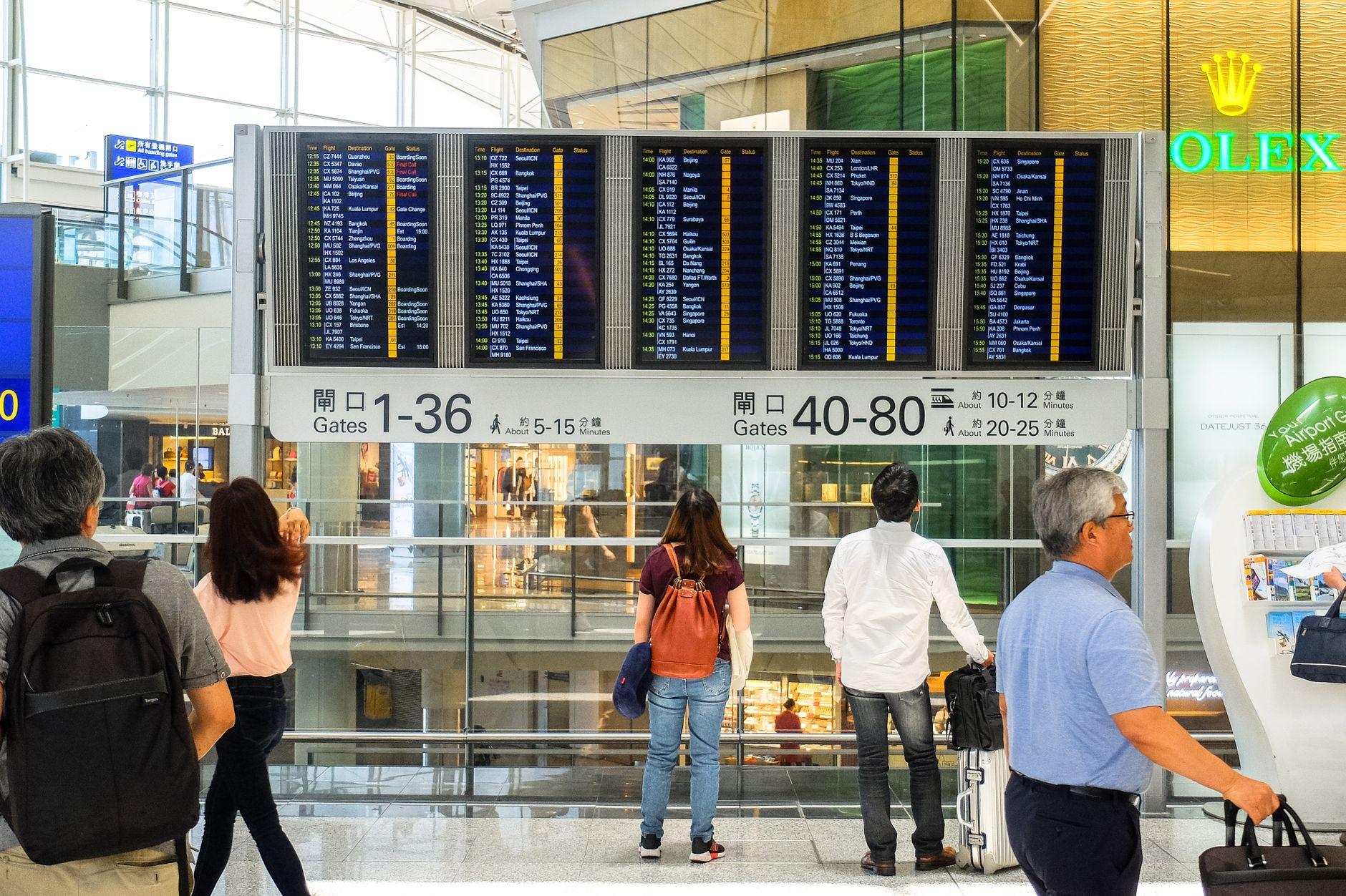
There are no direct flights between Kuala Lumpur (KUL) and major Brazilian airports like Guarulhos (GRU) or Congonhas (CGH) [travala.com][skyscanner.com]. You'll connect through a hub such as Dubai, Doha, or Addis Ababa, and total travel time can range from roughly 24 hours on the fastest available itineraries to well over 40 hours depending on the layover and airline combination [google.com][booking.com]. That layover isn't just dead time. It's a third currency zone where your Malaysian ringgit balance and your Brazilian real needs are both irrelevant, and where airport card terminals frequently push dynamic currency conversion (DCC) on you at checkout.
Decline it every time. DCC lets the terminal charge you in your home currency at a rate the merchant's bank sets, not your card network. Always choose to be charged in the local currency of wherever you're standing, whether that's Dubai International or a food stall in KL.
How should you actually fund payments across three currency zones?
This is where a currency exchange comparison matters more than most travelers assume. ATM withdrawal fees abroad stack up fast when you're pulling cash three separate times across a route like this: once in ringgit, once in whatever the layover hub uses, once in reais. Add your home bank's foreign transaction fee, the ATM operator's fee, and a possible bad exchange rate baked into the withdrawal itself, and a "quick cash grab" at each stop becomes an expensive habit.
A digital wallet like Moreta Pay sidesteps this by working across each destination's actual QR rail rather than forcing you into cash or card-terminal conversions:
- Top up your Moreta wallet from your home bank, card, or connected account in your own currency before you fly.
- Land in Kuala Lumpur and scan any DuitNow QR code at a hawker stall, mall, or taxi counter.
- See the merchant name, the exact amount, and the FX rate before you confirm anything.
- Confirm, and the merchant is paid instantly in ringgit.
- Land in Sao Paulo weeks or months later, and repeat the same four steps against a Pix QR code, no new app download required.
That's the practical version of a best exchange rate app for this kind of trip: one wallet, two local rails, no separate SIM-card-linked wallet signups in each country. It's also functionally an international remittance app and a send money internationally app when you need to move funds to family or pay a service provider directly rather than tap a merchant terminal.
What about connecting flights through Alipay or WeChat Pay markets?
If your Kuala Lumpur to Sao Paulo route happens to route you through a market where Alipay or WeChat Pay have local integration, remember these run as overlays on local rails (DuitNow in Malaysia, increasingly Pix-linked aggregators in Brazil), not as independent cross-border networks you can use identically everywhere. Don't assume a wallet that worked at your layover will work the same way in Sao Paulo.
Honesty clause: what still needs cash
Keep a modest cash reserve regardless of which wallet you carry. Hawker stall change in Kuala Lumpur, small toll or parking fees in transit hubs, and informal vendors in parts of Sao Paulo still run cash-only. A reserve of RM50-100 equivalent for Malaysia and R$50-100 for Brazil covers most of these gaps without leaving you carrying a wallet full of unused foreign notes.
Frequently Asked Questions
Is there a direct flight from Malaysia to Brazil?
No. All Kuala Lumpur to Sao Paulo routes connect through a third hub, typically Dubai, Doha, or Addis Ababa [travala.com][google.com].
Can I use my DuitNow QR app in Brazil?
No. DuitNow is a Malaysian domestic standard with no technical link to Pix or any Brazilian payment network.
Does Pix work for foreign tourists?
Pix itself is a Brazilian bank-linked system, but wallets that integrate with the Pix network, including some Asian digital wallet partnerships launched in 2026, let travelers pay Pix QR codes without a Brazilian bank account.
What's the cheapest way to pay across a multi-country layover trip?
Compare your total cost, not just the advertised exchange rate. ATM withdrawal fees abroad, DCC markups, and repeated card foreign transaction fees typically cost more than a wallet that converts at the point of QR payment.
Should I get local currency before I land?
A small cash buffer for each destination helps with rural areas, tips, or cash-only stalls, but exchanging large amounts in advance usually gets a worse rate than paying via QR at the point of sale.
Will QR payment interoperability between Malaysia and Brazil ever exist?
Multilateral projects like BIS Project Nexus are working toward linking instant payment systems globally, but no direct Malaysia-Brazil bridge exists today, and there's no confirmed timeline for one.
About Moreta
Moreta Global Inc. is a Delaware corporation and FinCEN-registered Money Services Business, backed by Y Combinator's Summer 2024 batch. The Moreta app connects travelers directly to local QR payment standards, including DuitNow QR in Malaysia and Pix in Brazil, letting users top up from a home bank or card and pay merchants in local currency at a transparent, disclosed rate. For travelers routing through multiple currency zones on a single trip, like a Kuala Lumpur to Sao Paulo flight with layovers in between, that means one wallet instead of a stack of local apps and cash withdrawals.
If you're planning a Malaysia to Brazil flight and want to see the actual rate comparison against ATM withdrawals or a card network before you go, visit Moreta and check your route.
References
- Flight Routes from Kuala Lumpur (KUL) to São Paulo (SAO) (travala.com)
- Skyscanner (skyscanner.com)
- Trip from Federal Territory of Kuala Lumpur to São Paulo (google.com)
- Search flights from Kuala Lumpur (KUL) to São Paulo (SAO) (booking.com)