
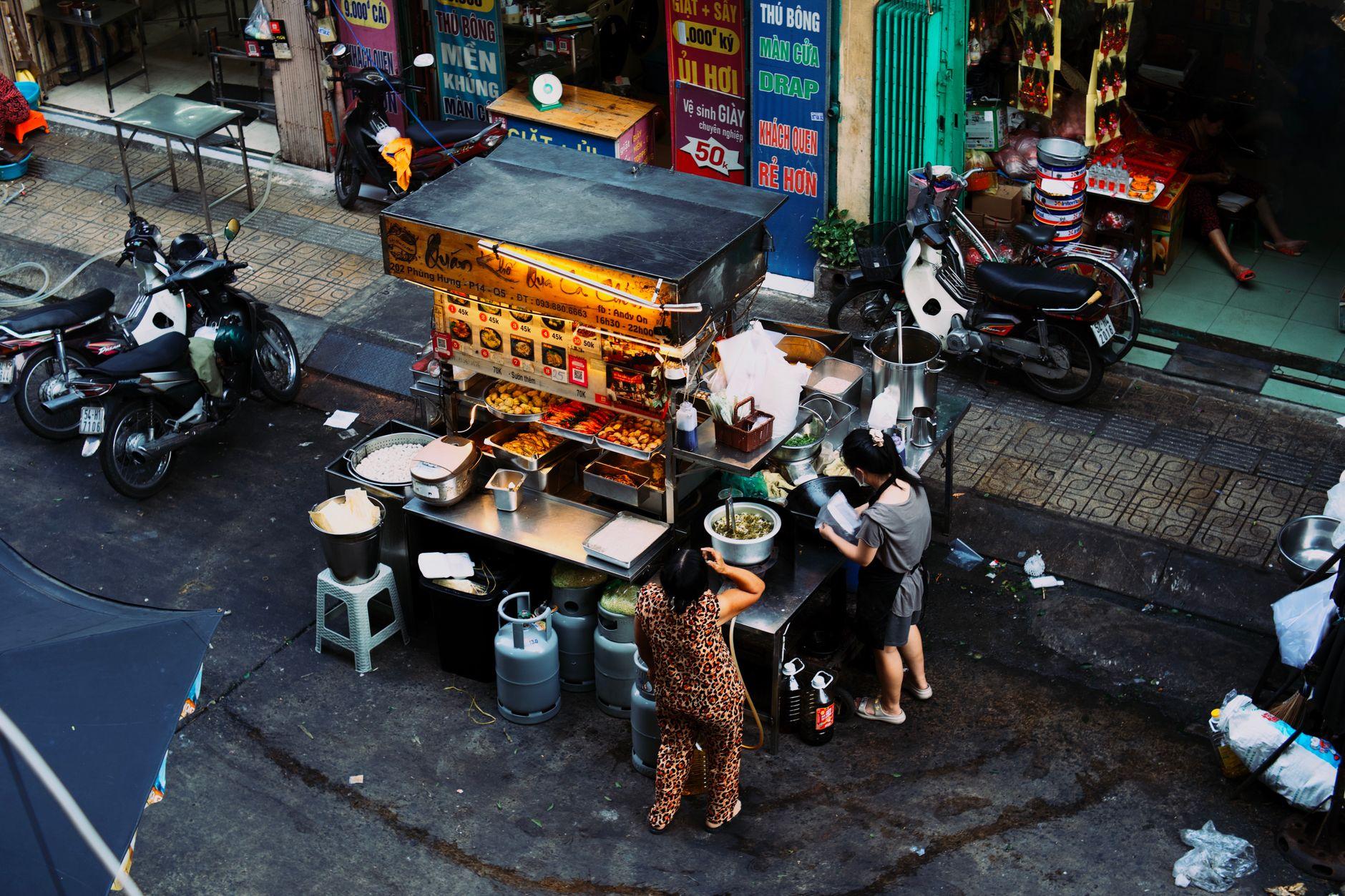
Move to Vietnam and within a week you will notice the laminated cards. They are taped to the glass of bánh mì carts, propped against the espresso machine in Da Nang coffee shops, zip-tied to the handlebars of motorbike taxis. Each one is a QR code, and each one is how a growing share of daily life actually gets paid for here.
Yet most new expats arrive carrying a set of beliefs about money in Vietnam that were true ten years ago, or were never true at all. Those beliefs push people into expensive, inconvenient habits that locals quietly avoid. Let's take the big ones apart.
"Vietnam is a cash country, so I just need a thick stack of đồng"
Half right, which is the dangerous kind of right. Cash absolutely still works in Vietnam, and plenty of vendors prefer it. Nobody is going to refuse your banknotes at a wet market in Hội An.
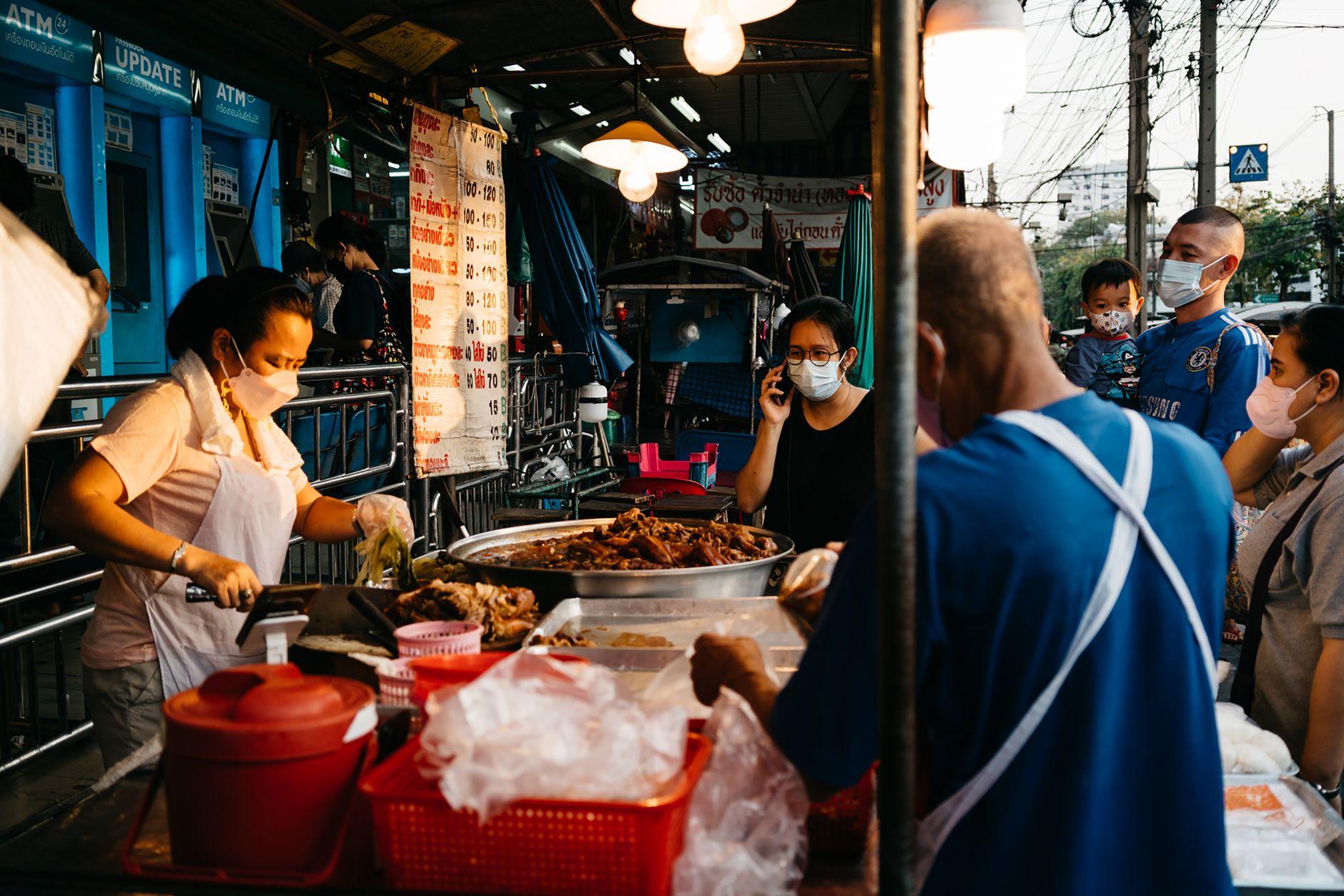
But watch the person ahead of you in line at a phở stall in Hanoi. More and more often, they are not handing over cash. They are opening their bank's app, scanning the vendor's VietQR code, typing the amount, and showing the confirmation screen. The vendor nods, the noodles arrive. This happens at street carts, at nail salons, at the lady selling mangoes off a bicycle. QR payment in Vietnam is not a mall phenomenon. It reached the sidewalk a while ago, and it keeps spreading because it solves a real local problem: nobody has to make change.
Change, by the way, is the hidden tax of all-cash living here. ATMs dispense large notes, and a street vendor often cannot break a 500,000 đồng bill for a 25,000 đồng coffee. QR sidesteps that entire awkward dance.
"Those QR codes are only for people with Vietnamese bank accounts"
This is the belief that keeps the most expats stuck in cash mode, and it used to be basically true. VietQR codes are built around Vietnam's domestic banking system, and the usual way to pay one is through a Vietnamese bank app, which requires a local account, which requires residency paperwork that many expats do not have in their first months (or ever, on certain visas).
Here is what changed: you no longer need to be inside that banking system to pay into it. With Moreta Pay, you scan the exact same VietQR code the locals scan. The app shows you the merchant name, the amount in đồng, and the exchange rate from your home currency before you confirm anything. You fund the wallet from your own bank back home, via a US bank connection or ACH, SEPA in Europe, Faster Payments in the UK, Canadian e-Transfer, or an international card. No Vietnamese account, no residency card, no awkward visit to a bank branch with a stack of documents.
In other words, the laminated card on the bánh mì cart was always for you too. You just needed a way in. It is the same shift we described for expats across the border in Thailand in our guide to paying for daily life there without a Thai account, and Vietnam's version of the story runs on VietQR instead of PromptPay.
"My Visa or Mastercard will cover the important stuff"
Your foreign card will work beautifully at your hotel, at Vincom malls, at upscale restaurants in District 1, and at international chains. Then it will spend the rest of the month in your wallet doing nothing.
Outside those pockets, card terminals are genuinely scarce. The co-working café where you spend your mornings, the mini-mart under your apartment, the mechanic who fixes your rented Honda, the tailor, the laundry service that charges by the kilo: these businesses typically take two things, cash and QR. Expats who assume card acceptance works like it does in Seoul or Singapore end up making constant detours to ATMs, which brings us to the next myth.
"The ATM run is just part of expat life"
Plenty of long-term expats have built their routine around a weekly cash withdrawal, and they will tell you it is fine. What they usually mean is that they have stopped noticing the friction: finding a machine from a bank that treats foreign cards well, dealing with per-withdrawal limits that force multiple trips, and then walking around with a brick of banknotes in a country where your daily expenses are small and frequent.
Once you can pay QR codes directly from a wallet funded in your home currency, the ATM stops being infrastructure and becomes a backup. You will still want some cash in Vietnam, genuinely. Keep small notes for the vendors who prefer it, for rural trips, and for the occasional parking attendant. But "some cash as backup" is a very different life from "cash as the operating system."
"QR is a street-food thing, not a real-life thing"
The sidewalk is where you notice QR first, but it goes much deeper than lunch. Vietnamese daily life increasingly routes through QR for the boring essentials. Shopping on Shopee or Lazada? QR checkout is a standard option. Booking a domestic flight or a hotel in Phú Quốc on Trip.com or Agoda? Same. In supported countries, bills can be settled the same way, which matters once you are an expat with recurring obligations rather than a tourist with a seven-day itinerary.
This is the part that separates "managing in Vietnam" from "actually living in Vietnam." The expats who feel settled are the ones whose payment method works at the mango bicycle and at online checkout, not one or the other.
"Going phone-first with money is asking for trouble"
The fear is understandable: if your phone is your wallet, a snatched phone on a Saigon motorbike feels like losing everything. In practice, a wallet app protected by your lock screen and its own authentication is harder to drain than a physical wallet full of đồng, which has no password at all. Cash taken is cash gone. A payment app can be locked, recovered, and restored on a new device. We have written in detail about what actually happens to a QR payment app when your phone is stolen abroad, and the short version is that your phone is the safer place for your money, not the riskier one.
What the first cashless week actually looks like
Here is the realistic rhythm for a new arrival in Hanoi, Da Nang, or Ho Chi Minh City. You top up a Moreta Pay wallet from your home bank before you even need it. Morning cà phê sữa đá: scan the code by the register, confirm, done. Grab bánh mì from the cart, same move. Grocery run at the mini-mart, laundry drop-off, a Shopee order for a fan and a phone stand, all paid the same way, each time with the merchant name and the FX rate on screen before you commit, and no foreign transaction fee buried in your statement later.
You will still hand over cash a few times a week, and that is fine. The point is not purity. The point is that "how to pay in Vietnam" stops being a daily logistics question and becomes a two-second scan.
The QR codes are already waiting on every counter in Vietnam. Set up Moreta Pay before you land and you can scan the first one you see.