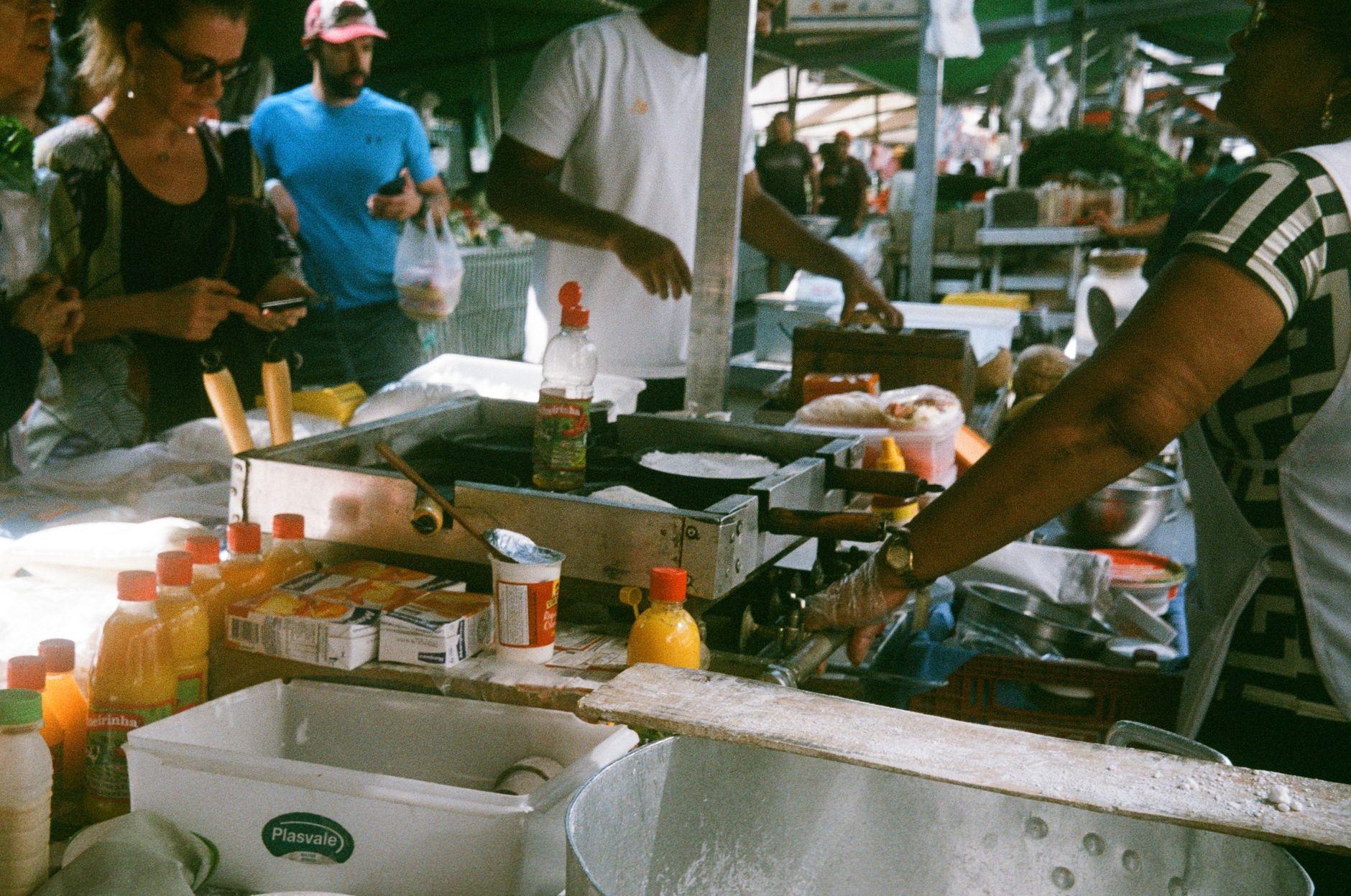

Stand at any juice stall in Lima's Surquillo market for ten minutes and you'll notice something: almost nobody is handing over cash. Locals point their phones at a laminated QR code taped to the counter, the vendor's phone chimes, and the transaction is done. The same thing happens in Cusco taxis, at menú lunch spots in Miraflores, and with the woman selling picarones from a cart in Barranco. The codes belong to Yape and Plin, Peru's two dominant QR wallets, and together they have quietly become the default way Peruvians pay for anything under the price of a flight.
If you're visiting, this creates a specific problem. The payment method everyone around you is using is one you almost certainly cannot get. So the real question for anyone planning how to pay in Peru is not "what's the best option" in the abstract. It's "what's the best option available to someone without a Peruvian bank account." Let's weigh them honestly.
Option one: cash, and the counterfeit problem that comes with it
Cash still works everywhere in Peru, and for the smallest transactions (a sol or two for a bus fare or a bag of cancha) it's often the simplest answer. But Peruvian cash comes with a complication that guidebooks and hotel receptionists will warn you about repeatedly: counterfeit bills circulate, and tourists are considered easy targets for receiving them as change. Vendors hold notes up to the light, snap them, and run their fingers along the texture before accepting them. You'll see locals refuse a bill and ask for another one without any awkwardness at all.
As a visitor, you're playing this game at a disadvantage. You don't know what a genuine 100 sol note feels like, you're often rushing, and if someone passes you a fake, you're the one stuck with it. Nobody downstream will accept it, and trying to spend a known counterfeit is a genuinely bad idea. Add the usual ATM logistics of fees, withdrawal limits, and carrying a wad of soles through crowded markets, and cash starts to look less like a convenience and more like a tax on your attention. If you want a framework for deciding how much paper money is actually worth carrying, we've written about how much cash to carry across a Latin America trip, and the short version is: less than you think, as a floor rather than a primary method.
Verdict: necessary in small amounts, but the counterfeit risk and the constant inspection ritual make it a poor main strategy.
Option two: your foreign card
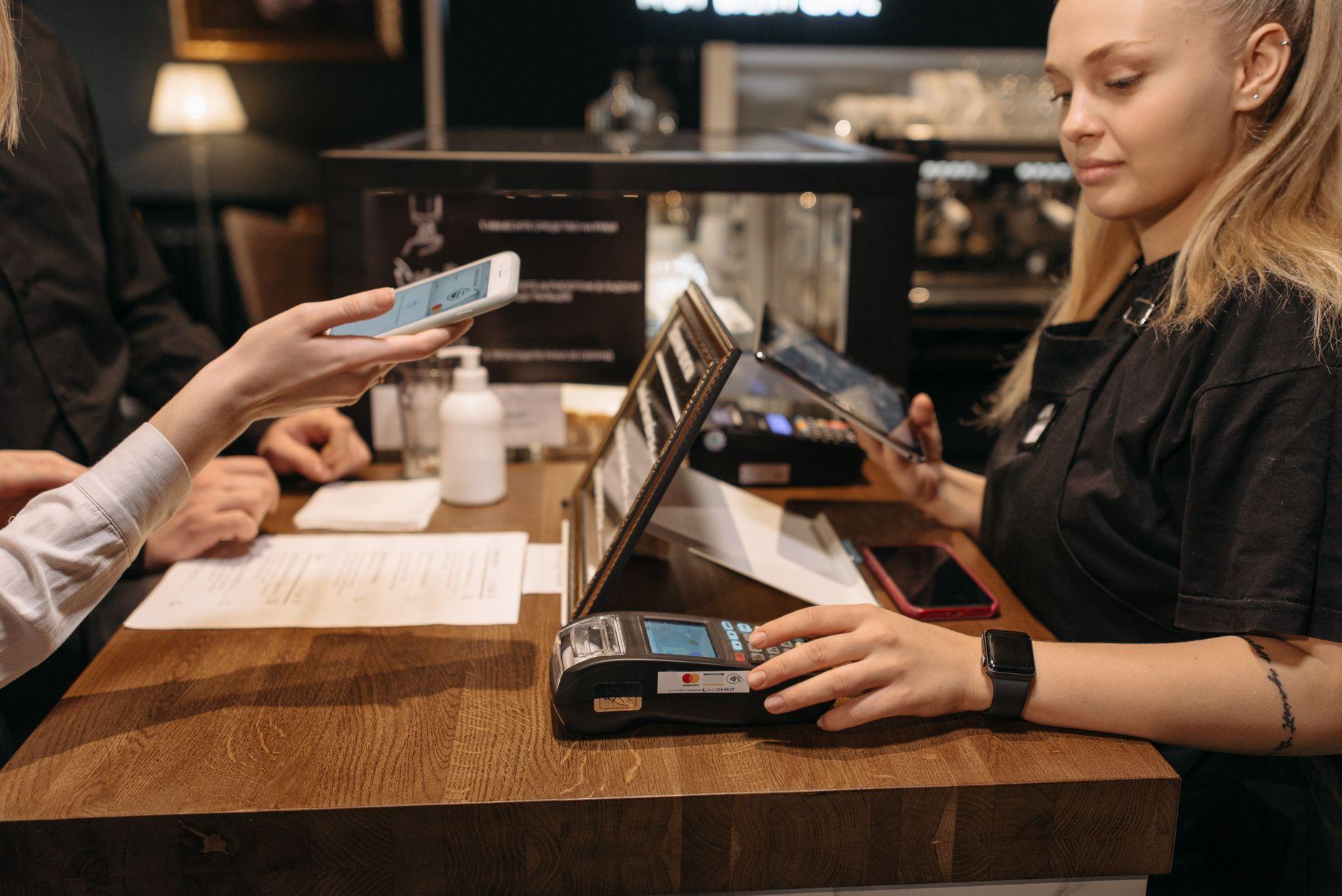
In a Lima mall, a chain supermarket like Wong or Plaza Vea, or a mid-range restaurant in Miraflores or San Isidro, your Visa or Mastercard will usually work fine at a terminal. The problems start the moment you leave that bubble. The menú place with the five-course lunch, the market stall, the taxi, the artisan in Pisac, the sandwich window near your hostel in Cusco: many of these either don't have a card machine or visibly prefer you didn't use it. Card terminals cost merchants money per transaction, while a Yape or Plin QR costs them essentially nothing, which is exactly why the QR sticker has spread to places a card machine never reached.
Then there's what your card does behind the scenes. Foreign transaction fees, surprise conversion markups, and the dynamic currency conversion prompt (always choose soles, never your home currency, if a terminal asks) all chip away at every purchase without you seeing a clear number up front.
Verdict: a solid backup for hotels, supermarkets, and larger restaurants, but it leaves you stranded for exactly the everyday purchases that make up most of a trip.
Option three: signing up for Yape or Plin yourself
This would be the ideal answer, so it's worth explaining why it mostly isn't one. Yape and Plin are built on top of Peruvian banking identity. They're designed around local bank accounts and national ID, which means a short-term visitor on a tourist stamp is effectively locked out. Expats who stay long enough to establish residency and open a local account can eventually get there, but if your trip is measured in weeks, the practical answer is no. You will spend your entire visit watching other people use a payment system you can see but not touch.
Verdict: the best system in the country, and not realistically available to you.
Option four: scanning the same codes with a travel wallet
This is the gap Moreta Pay was built for. Instead of trying to become a Peruvian bank customer, you load a wallet from your own bank at home (US bank connection, SEPA, UK Faster Payments, Canadian e-Transfer, or an international card) in your own currency. Then, at the juice stall or in the taxi, you scan the exact same QR code the locals scan. Before you confirm, you see the amount, the merchant name, and the exchange rate on screen. You approve, the merchant gets paid in soles instantly, and their phone chimes just like it does for everyone else in line.
The honest trade-offs: you need your phone charged and some connectivity, and you need to top up before you spend, so a little planning helps. But compared to the alternatives, the balance is hard to argue with. No counterfeit risk, because no physical bills change hands. No wondering whether this particular stall takes cards, because the QR sticker is already there. No opaque conversion, because the rate is shown before you tap confirm rather than discovered on a statement two weeks later.
It also extends past the market stall. QR-based checkout shows up in Peruvian online commerce too, and the same wallet covers QR payments on platforms like Trip.com and Agoda when you're booking the next leg from your hostel bed. If Peru is one stop on a longer route, it's worth setting things up before you fly; our pre-trip checklist for a multi-country QR itinerary walks through doing the bank connection and first top-up from home Wi-Fi rather than airport roaming.
How this plays out over a real week in Peru
Put the four options side by side against an actual itinerary and the conclusion mostly writes itself. Airport to hotel: card or wallet, fine either way. Three market meals a day, taxis, a walking tour tip, a bag of coca candy, laundry by the kilo: this is QR territory, and cash is your only fallback if you can't scan. A splurge dinner in Barranco: card works, QR works. An overnight bus booked online: QR checkout or card.
The pattern is that cash and cards each cover a slice of the trip, while the Yape and Plin rails cover nearly all of it. You can't join those rails directly as a visitor, but you can pay into them. Carrying a modest cash float for the edge cases, keeping a card for hotels, and doing the bulk of daily spending by scanning QR codes through Moreta Pay is the setup that matches how Peru actually works in 2026, rather than how it worked when every guidebook said "bring crisp US dollars."
If you'd rather spend your time in Peru eating ceviche than inspecting banknotes for watermarks, get Moreta Pay set up before you land and scan the same stickers everyone else does.