
Ask any Philippines expat group how to handle money and you will get the same advice within minutes: get GCash, get Maya, done. It sounds simple. Then you land in Manila or Cebu, try to sign up, and discover the advice skipped a few important details. The gap between what people tell you and what actually happens at the counter is wide enough that it is worth walking through the most common beliefs one by one.
Belief: "Just download GCash, everyone uses it"
Everyone does use it. That part is true. GCash and Maya are the twin engines of daily payments here, from Metro Manila coffee shops to carinderias in Iloilo. What the advice leaves out is that both apps are built around a Philippine mobile number and Philippine identity verification. As a foreigner you typically need a local SIM registered in your name, and full verification usually asks for local ID documents that a newly arrived expat simply does not have. Some people manage it eventually, often after a visit to a service center and a lot of patience. Many give up and go back to cash, which is exactly the situation they were trying to avoid.
The workaround is understanding what those apps are actually plugged into, which brings us to the next myth.
Belief: "The QR code on the counter only works with local apps"
The blue and white QR codes you see taped to counters across the Philippines are mostly QR Ph codes, the national interoperable standard. A single QR Ph code can be paid by GCash, by Maya, by local bank apps, and by any wallet connected to the same rail. The merchant does not care which app scanned it. This is the same pattern playing out across the region, and it is why some countries have consolidated down to one code at the counter while others still print three.
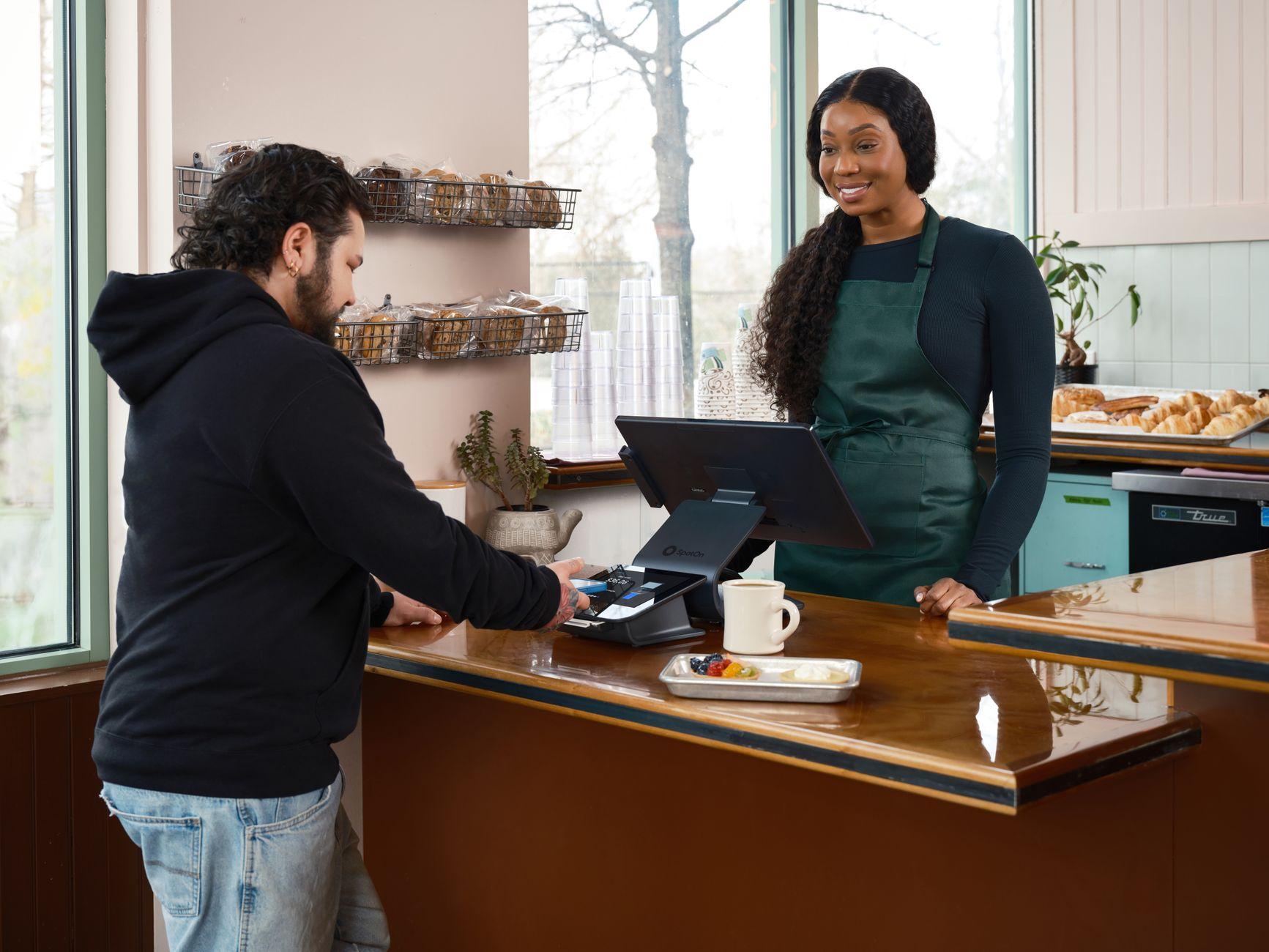
This is where a visitor-friendly wallet changes the math. Moreta Pay lets you scan those same QR Ph codes with a wallet funded from your home bank or card, in your own currency, with no Philippine SIM, no local ID, and no local bank account. You see the amount, the exchange rate, and the merchant name before you confirm, and the merchant gets paid in pesos instantly. To the vendor, you look exactly like a local customer.
Belief: "The Philippines is a card country because of all the malls"
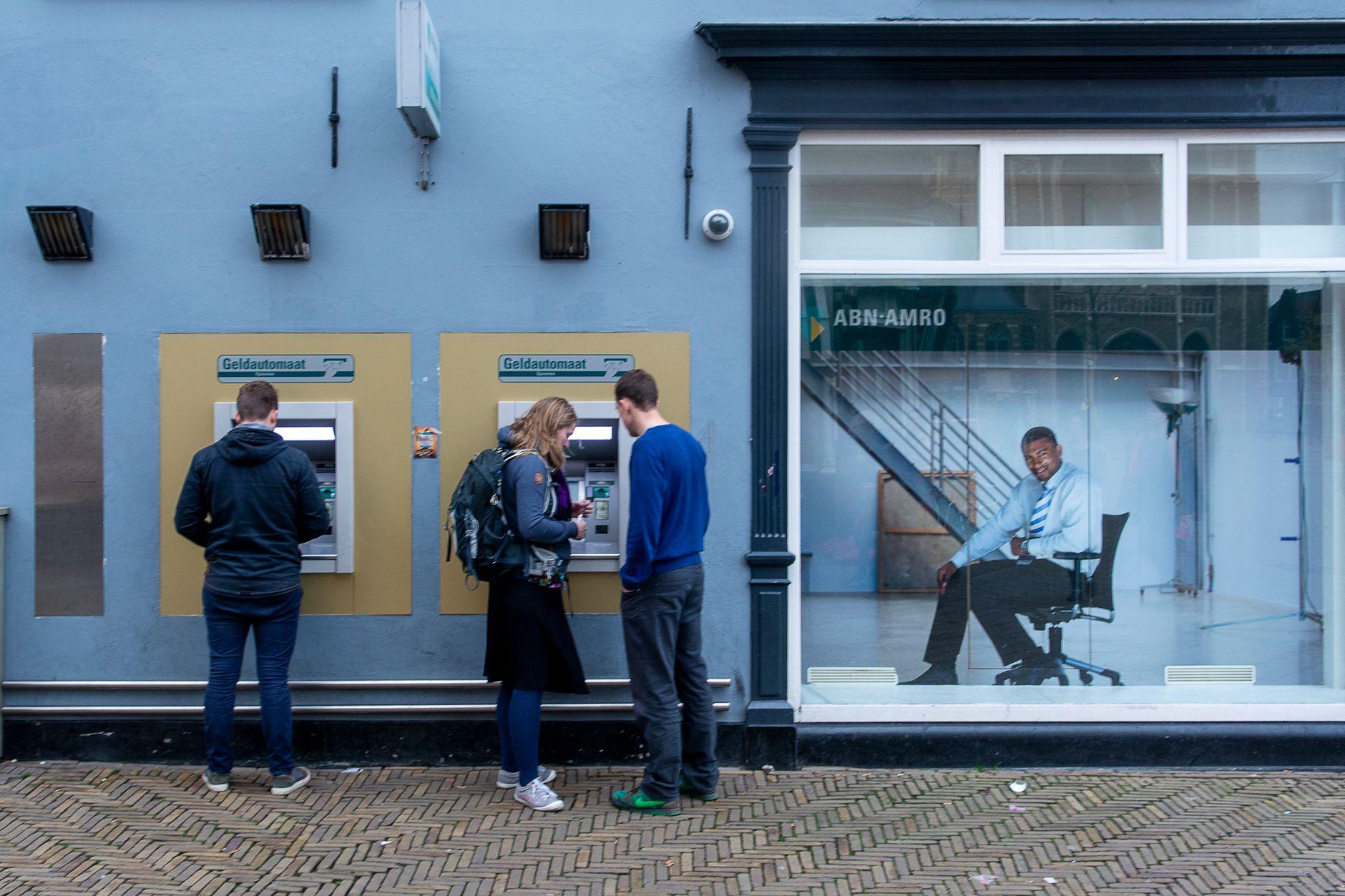
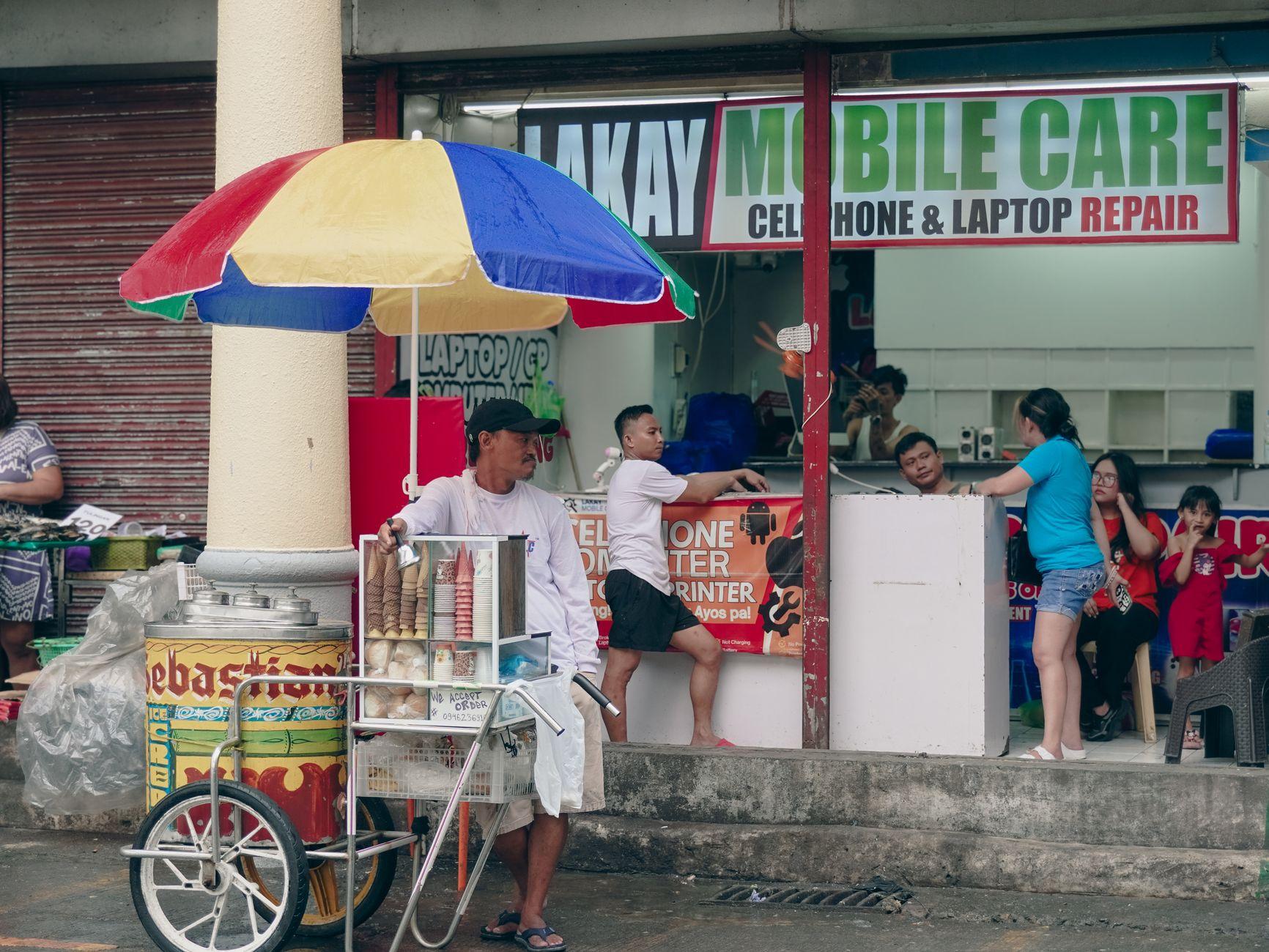
The malls fool people. Yes, SM and Ayala malls take international cards at nearly every store, and a first week spent in Bonifacio Global City can convince you the whole country runs on Visa. Then you take a tricycle, buy mangoes from a roadside stall, eat at a turo-turo, or pay for laundry by the kilo, and the card stays in your pocket. Daily life in the Philippines happens at small merchants, and small merchants take two things: cash and QR. If your only tools are an international card and an ATM card, you are locked out of half the economy and paying foreign transaction fees on the other half.
Belief: "ATMs are everywhere, I'll withdraw as I go"
In Makati, sure. The Philippines is 7,000 islands, and the ATM map thins out fast once you leave the big cities. Island-hopping expats learn this the hard way. Siargao before a surf competition, El Nido in high season, smaller islands in the Visayas: machines run out of cash, go offline, or simply do not exist within an hour of where you are staying. Locals plan around this. Visitors who assumed the withdraw-as-you-go strategy would work end up borrowing pesos from strangers or paying a boatman to detour past a town with a working machine.
The realistic setup is layered: a wallet that scans QR Ph for everything that accepts it, plus a cash reserve for everything that does not. Treating any single method as your only method is the mistake, which is a lesson that applies well beyond the Philippines.
Belief: "Cash is dead in the Philippines"
The opposite myth, and equally wrong. In the provinces, cash is still king. Jeepney fares, habal-habal rides, small sari-sari stores in barangays without reliable signal, church donations, the fish market at dawn: these run on coins and small bills, and they will for a long time. The honest picture is a country split by geography. Urban centers and tourist towns are deep into QR Ph territory, and QR stickers are spreading to surprisingly small merchants because a sticker costs the vendor almost nothing. Remote areas remain cash-first. A functioning expat setup respects both realities instead of picking a side.
Belief: "Online shopping here needs a local card or wallet"
Lazada and Shopee dominate e-commerce in the Philippines, and both lean heavily on local payment options at checkout, which frustrates foreigners whose international cards get declined or surcharged. But QR-based checkout is one of those local options, and it does not require a local identity, only a wallet that can pay the code. Moreta Pay handles QR payments on platforms like Lazada, Shopee, Agoda, and Trip.com, so booking a Cebu Pacific-adjacent hotel or ordering a fan for your apartment works the same way as paying a street vendor: scan, review, confirm.
What a normal week actually looks like
Put the corrected beliefs together and a realistic week for a Philippines expat without a local bank account looks like this. Groceries at the supermarket, coffee in Poblacion, a haircut, a Grab-adjacent errand, all paid by scanning QR Ph codes from your phone. A few hundred pesos in cash in your pocket for trikes and the sari-sari store. Before any island trip, a larger cash withdrawal in the city, because you now know better than to trust the ATM situation on a small island. Bills and online orders paid through QR checkout from the couch. No local SIM registration saga, no verification queue, no envelope of emergency dollars taped under a drawer.
The expats who struggle here are not the ones who failed to get GCash. They are the ones who believed one of the myths above and built their whole money plan on it.
Land ready, not scrambling
You can set all of this up before your flight. Load a Moreta Pay wallet from your home bank or card while you are still at home, and the first QR Ph sticker you meet in the Philippines, at a taxi window or a mango stand, is already payable. Get your wallet ready before you land in the Philippines and skip the signup queue entirely.