
Mongolia surprises new arrivals in both directions. Ulaanbaatar is far more digital than most people expect, with QR codes taped to counters in coffee shops, pharmacies, khuushuur stands, and supermarkets. Then you drive two hours out of the city and none of it matters, because the ger camp takes tugrik notes and nothing else. Expats settling in for a teaching contract, a mining rotation, or a long remote-work stint end up asking the same handful of questions. Here they are, answered directly.
Can I actually live in Ulaanbaatar without a Mongolian bank account?
For daily spending, yes. Opening a local account as a foreigner typically requires residency paperwork, and many expats on shorter contracts never bother. Inside the city, the practical combination is a QR payment method for shops and restaurants plus a reserve of tugrik cash for everything else. What you cannot easily do without a local account is receive a Mongolian salary in tugrik, so people paid locally usually open one eventually. If your income comes from abroad, you can skip it entirely.
What QR system do Mongolian shops actually use?
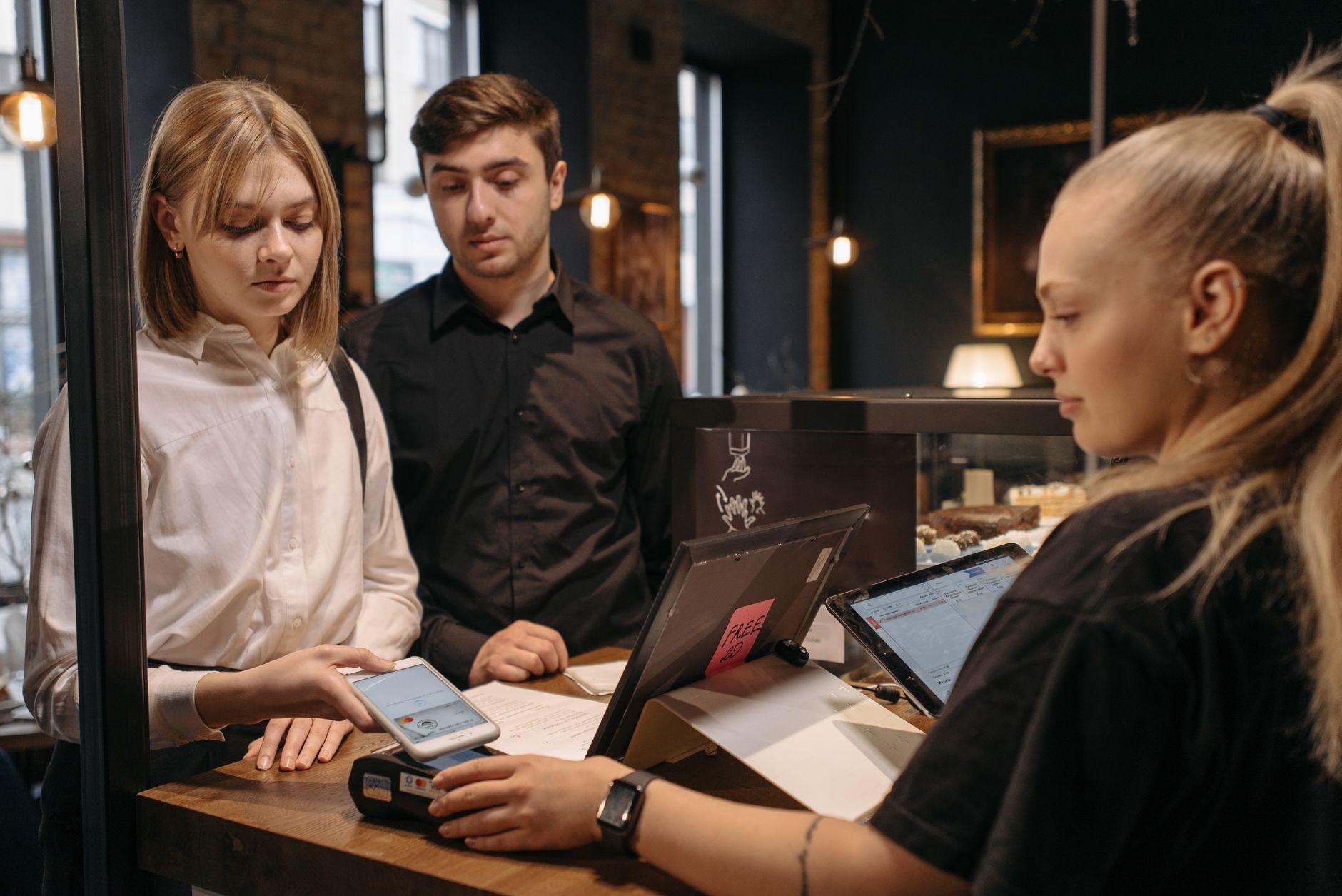
The name you will see everywhere is QPay, the aggregator that most Ulaanbaatar merchants display at the register. You will also run into SocialPay stickers from Golomt Bank and other bank-specific codes, sometimes several on one counter. The catch for foreigners is that these apps are built around Mongolian bank accounts and phone numbers, so downloading them rarely gets you anywhere. This is where Moreta Pay changes the picture: it lets you scan the same standard merchant QR code the locals scan, funded from your own bank back home, with the amount and FX rate shown before you confirm. You join the local rail without joining a local bank. If you are curious why some counters end up wallpapered in codes while others show a single sticker, we unpacked that pattern in a separate piece on multi-QR counters.
Will my foreign Visa or Mastercard work?
In the places built for visitors, usually. Large supermarkets like those in central Ulaanbaatar, hotel restaurants, and international chains generally take foreign cards. Step outside that bubble and acceptance drops fast. The neighborhood buuz shop, the tailor, the vegetable kiosk, the guy who fixes your boots near Narantuul market: these run on QR and cash. And even when your card is accepted, your home bank may quietly add a foreign transaction fee on top of whatever rate it applies. Cards are a backup in Mongolia, not a plan.
Do I still need tugrik cash?
Absolutely, and more of it than in most Asian countries. Ulaanbaatar itself is quite cashless in day-to-day life, but Mongolia is not Ulaanbaatar. The moment you head to Terelj for a weekend, join a Gobi tour, or visit a countryside naadam, you are back to counting banknotes. Ger camps, horse guides, roadside guanz canteens, and small-town shops deal in cash, and there may be no working ATM for a very long drive in any direction. The sensible expat habit is a split system: QR for the city, an envelope of tugrik for everything beyond the last paved road.
How much cash should I take when leaving the city?
More than you think you need, in smaller denominations than you think you need. Countryside vendors often cannot break large notes, and there is no card terminal to fall back on. Budget for fuel, food, park entry, guide tips, and a margin for the unplanned (a flat tire fixed in a village, an extra night when weather closes a road). Withdraw or exchange in Ulaanbaatar before departure, because provincial ATMs can be empty, offline, or simply absent. Keeping your money spread across more than one method is not paranoia here, it is standard practice, and the logic behind a proper payment redundancy plan applies to Mongolia more than almost anywhere.
How do expats handle rent, utilities, and phone top-ups?
Rent is the most old-fashioned part of expat life in Mongolia. Many landlords still prefer cash in tugrik, handed over monthly, though some accept transfers if you eventually open a local account. Utilities and mobile top-ups are increasingly payable by QR or through kiosks in shopping centers, which foreigners can use with cash. Serviced apartments and expat-oriented landlords sometimes accept card payments, but do not assume it. Ask before you sign anything.
What about online shopping and bookings while I am in Mongolia?
Domestic e-commerce and delivery platforms lean on local payment methods, which is the same wall foreigners hit at the register. For travel bookings, international sites remain the easy route, and where a platform offers QR-based checkout, a wallet like Moreta Pay can complete it the same way it handles an in-person code. For anything strictly local-app-only, the workaround most expats use is a Mongolian friend or colleague placing the order while you hand over cash or scan their preferred repayment method. Not elegant, but it works.
Should I exchange money before arriving or after?
After. Tugrik is hard to source outside Mongolia and rates abroad are poor when you can find it at all. In Ulaanbaatar, banks and licensed exchange offices handle dollars and euros easily. The better move is to minimize how much physical exchanging you do in the first place: load a travel wallet before you land, pay the city portion of your life by QR at a rate you can see on screen before confirming, and exchange only what your countryside plans genuinely require.
What does a normal payment day look like once you are set up?
Morning coffee near Sukhbaatar Square, scan the code on the counter, confirm, done. Groceries at a mid-size supermarket, same motion. Lunch at a canteen where the QR sticker is taped slightly crooked to the till, same motion again. The tugrik in your pocket stays untouched until the weekend trip, which is exactly the point. You review the merchant name, the amount, and the conversion before every payment, so there is no end-of-month mystery line from your home bank.
Mongolia rewards people who prepare on two fronts at once: digital for the capital, cash for the horizon. Sort out the digital half before your flight by setting up Moreta Pay and topping up from your home bank, and you will land in Ulaanbaatar already able to pay at the first counter you walk up to.