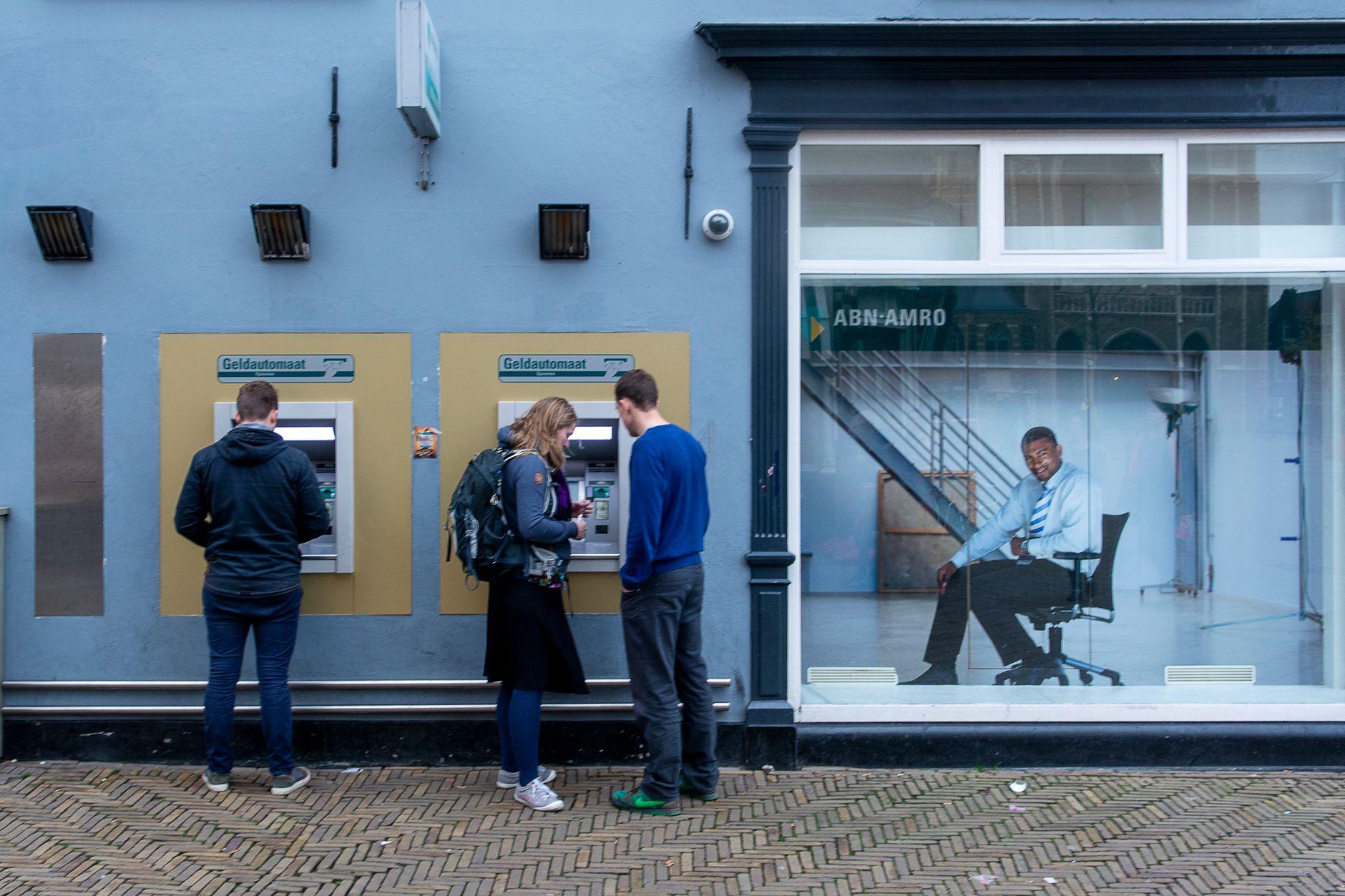

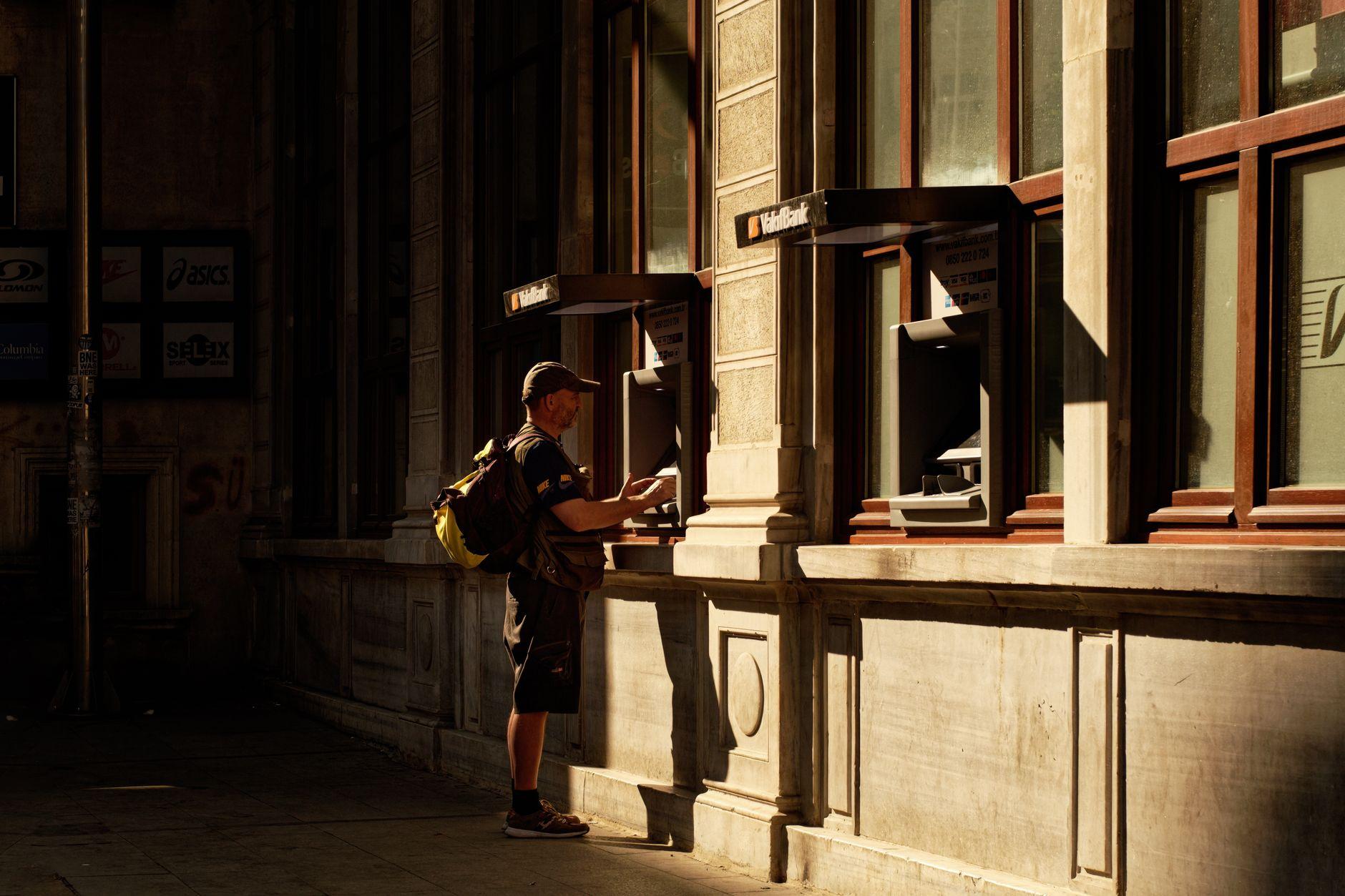
You stand at a Maybank machine on Jalan Alor, night market smoke drifting past the screen, and it offers you RM 1,500 in one tap. Three weeks later you are outside a Bradesco branch on Avenida Paulista, it is past 10 PM, and the machine caps you at R$ 300. Same traveler, same card, two completely different ceilings. The gap is not random. It comes down to local banking regulation, network security policy, and how each country's ATM infrastructure was built, and understanding that gap tells you exactly which withdrawal actually costs less once fees and conversion markups are counted.
Malaysian ATMs generally allow RM 1,500 to RM 3,000 per transaction, with your home bank setting the real daily ceiling. Brazilian ATMs typically cap you at R$ 1,000 to R$ 2,500 per transaction, and drop that further, often to R$ 300 to R$ 500, after 10 PM as a theft-deterrent measure. Kuala Lumpur letting you pull more cash per tap does not mean it is cheaper. Sao Paulo's lower ceiling does not mean it is more expensive either. The fee structure and the withdrawal limit are two separate systems, and conflating them is the single most common mistake travelers make budgeting for either country.
What determines an ATM withdrawal limit in Malaysia versus Brazil?
An ATM withdrawal limit is a ceiling set by a mix of the machine operator's cash-handling policy, the card network's fraud rules, and the cardholder's home bank. In Kuala Lumpur, that ceiling sits higher, typically RM 1,500 to RM 3,000 per transaction, because Malaysian retail banking infrastructure is built around high cash-machine liquidity and daily limits that your home bank controls more than the local machine does. In Sao Paulo, Brazilian ATMs enforce lower per-transaction caps, R$ 1,000 to R$ 2,500, and layer on a second restriction: many machines drop to R$ 300 to R$ 500 after 10 PM specifically as an anti-robbery measure, a policy baked into Brazilian ATM software rather than something your bank back home controls.
Think of it like two different sized buckets at a water fountain. The Malaysian bucket is bigger, so you fill your bottle in one trip. The Brazilian bucket is smaller and gets swapped for an even smaller one at night, so you make more trips. Neither bucket charges you per liter. The size just changes how often you have to walk back to the fountain, and every walk back is where fees can sneak in.
Does a higher withdrawal limit mean lower fees?
No, and this is the core misunderstanding behind the Kuala Lumpur versus Sao Paulo comparison. Withdrawal limit and fee structure are set by different parties for different reasons, so a higher ceiling in one city tells you nothing about what that withdrawal costs.
Building on that distinction, the actual fee comparison breaks down like this:
| Cost component | Kuala Lumpur (Malaysia) | Sao Paulo (Brazil) |
|---|---|---|
| Local ATM fee for foreign cards | Typically none at major banks | Flat fee, charged per withdrawal |
| Visa/Mastercard network conversion fee | About 1 percent, global standard | About 1 percent, global standard |
| Card network exchange rate spread | Under 1 percent, tracks mid-market | Under 1 percent, tracks mid-market |
| Home bank foreign transaction markup | 1 percent to 3.5 percent | 1 percent to 3.5 percent |
| Per-transaction limit | RM 1,500 to RM 3,000 | R$ 1,000 to R$ 2,500 (R$ 300 to R$ 500 after 10 PM) |
Visa and Mastercard do not set a Malaysia rate or a Brazil rate. They run one global exchange rate that tracks close to the mid-market rate with a spread typically under 1 percent, no matter which of the two cities your card is dipped in. Layer their roughly 1 percent network conversion fee on top and the card-network cost is nearly identical in both places. The real variable is the flat local withdrawal fee that Sao Paulo ATMs almost universally charge and Kuala Lumpur ATMs typically waive for foreign cards. Because that Brazilian fee is flat per transaction, not a percentage, the lower withdrawal limit compounds it: if you need R$ 2,000 in cash but the machine caps you at R$ 500 after dark, you are paying that flat fee four times instead of once.
Which city actually costs less to withdraw cash in?
Kuala Lumpur is cheaper per withdrawal in the typical case, because the flat local fee that Sao Paulo charges has no equivalent at most Malaysian banks. That said, the math shifts if you are comparing your home bank's markup against the local fee rather than against the card network's own conversion spread, since your bank's 1 percent to 3.5 percent foreign transaction fee applies in both cities regardless of what the local ATM charges.
A separate but related trap in both cities is Dynamic Currency Conversion, the option an ATM or card terminal gives you to be charged in your home currency instead of ringgit or reais. Decline it every time. DCC lets the local bank set its own exchange rate instead of Visa or Mastercard's global rate, and that local rate almost always carries a wider markup than the roughly 1 percent network spread you would get by choosing to be charged in local currency.
How does currency exchange rate comparison actually work for travelers?
A currency exchange rate comparison, done properly, has to isolate three separate costs: the network's exchange rate spread, the network's flat conversion fee, and your home bank's markup. Most travelers checking the Malaysia currency exchange rate or Brazil currency exchange rate before a trip look only at the headline number on a currency converter website, which reflects the mid-market rate, not what you will actually pay at an ATM or terminal. The real currency exchange rates comparison that matters is the effective rate after all three layers are stacked, and that number can differ by several percentage points from the mid-market figure depending on your card issuer.
This is also where fintech alternatives matter. Different wallet and card apps offer different fee structures, so comparing your home bank's charges against what a competitor offers on your specific trip makes sense before you leave. The specifics vary by region and by withdrawal size, so there is no one app that beats all others across every market and every amount.
Is there a way to skip the ATM fee stack entirely?
Stepping back from ATM mechanics, the more fundamental question is whether you need cash at all. In Malaysia, most transactions, from a mamak stall to a mall parking gate, run through DuitNow QR payment, the country's unified QR standard that connects nearly every bank and e-wallet. In Brazil, the equivalent is Pix, the instant bank-to-bank rail that has replaced cash for a large share of everyday retail purchases in Sao Paulo. Neither rail involves an ATM, a withdrawal limit, or a local cash-out fee.
You top up a digital wallet like Moreta Pay from your home bank or card, then scan the same DuitNow QR or Pix code the merchant already uses. Moreta shows you the merchant name, the amount, and the exact FX rate before you confirm, so you are comparing the real cost, not a rate hidden inside a converted total. At the point of sale it behaves exactly like a local wallet, because the merchant is paid instantly in ringgit or reais through the same rail a local customer would use.
The honesty clause still applies here. Small toll booths, some rural markets, and temple donation boxes in both countries still run on cash only, so carry a modest reserve, RM 50 to RM 100 in Malaysia or R$ 50 to R$ 100 in Brazil, for exactly those moments.
Frequently Asked Questions
Why does the Kuala Lumpur ATM let me withdraw more than the Sao Paulo one?
Malaysian ATMs are generally configured with higher per-transaction ceilings (RM 1,500 to RM 3,000) based on local bank liquidity policy, while Brazilian ATMs cap lower (R$ 1,000 to R$ 2,500) and drop further after 10 PM as a security measure against robbery.
Does Visa or Mastercard charge a different exchange rate in Malaysia than in Brazil?
No. Both networks apply one global exchange rate with a spread typically under 1 percent, plus a roughly 1 percent conversion fee, regardless of which country you withdraw in.
Should I use Dynamic Currency Conversion at a Kuala Lumpur or Sao Paulo ATM?
No. Always choose to be charged in the local currency, ringgit or reais, since accepting DCC hands rate-setting control to the local bank, which typically applies a wider markup than the card network's own rate.
Is DuitNow QR payment available to tourists without a Malaysian bank account?
Merchant-facing DuitNow QR codes are built for any wallet connected to the rail; a wallet like Moreta Pay lets you scan the same code without needing a local bank account or Malaysian phone number.
What is the best currency exchange app for comparing rates before a trip?
Look for one that shows the full effective rate, mid-market rate plus network spread plus any markup, rather than just the headline conversion number. Moreta's rate comparison tool displays exchange rate, fees, and total spending power side by side against ATM cash before you confirm a payment.
Why did my Sao Paulo ATM limit drop after 10 PM?
Brazilian banks widely enforce reduced nighttime withdrawal caps, often R$ 300 to R$ 500, as a deterrent against ATM robbery, a policy specific to Brazil's ATM security standards rather than a card network rule.
About Moreta
Moreta Global Inc. is a Delaware corporation, a FinCEN-registered Money Services Business, and Y Combinator-backed. The Moreta app lets international travelers top up a digital wallet from their home bank or card and pay directly through local QR networks, including DuitNow QR in Malaysia and Pix in Brazil, seeing the merchant name, amount, and exact exchange rate before confirming. Moreta connects you straight to the payment rail merchants already use, letting you spend in local currency without routing through an ATM's withdrawal limits and local fees. For travelers weighing ATM cash against a QR wallet in Kuala Lumpur, Sao Paulo, or the growing list of markets Moreta supports, the app's built-in rate comparison tool shows the real cost side by side before you spend.
If you are planning a trip to Malaysia, Brazil, or another market where Moreta operates, check your route's rates and fees at Moreta Pay.