
Ask a traveler who visited Laos years ago how to handle money there and you will get confident, outdated advice. Ask a forum and you will get the same advice, repeated louder. The trouble is that money in Laos has changed faster than the guidebooks, and most of what tourists "know" before they land in Vientiane or Luang Prabang is somewhere between half true and expensively wrong.
So let's do this the honest way: take the most common beliefs one at a time, and hold them up against how people in Laos actually pay in 2026.
Myth one: Laos is a cash-only country, so bring a mountain of kip
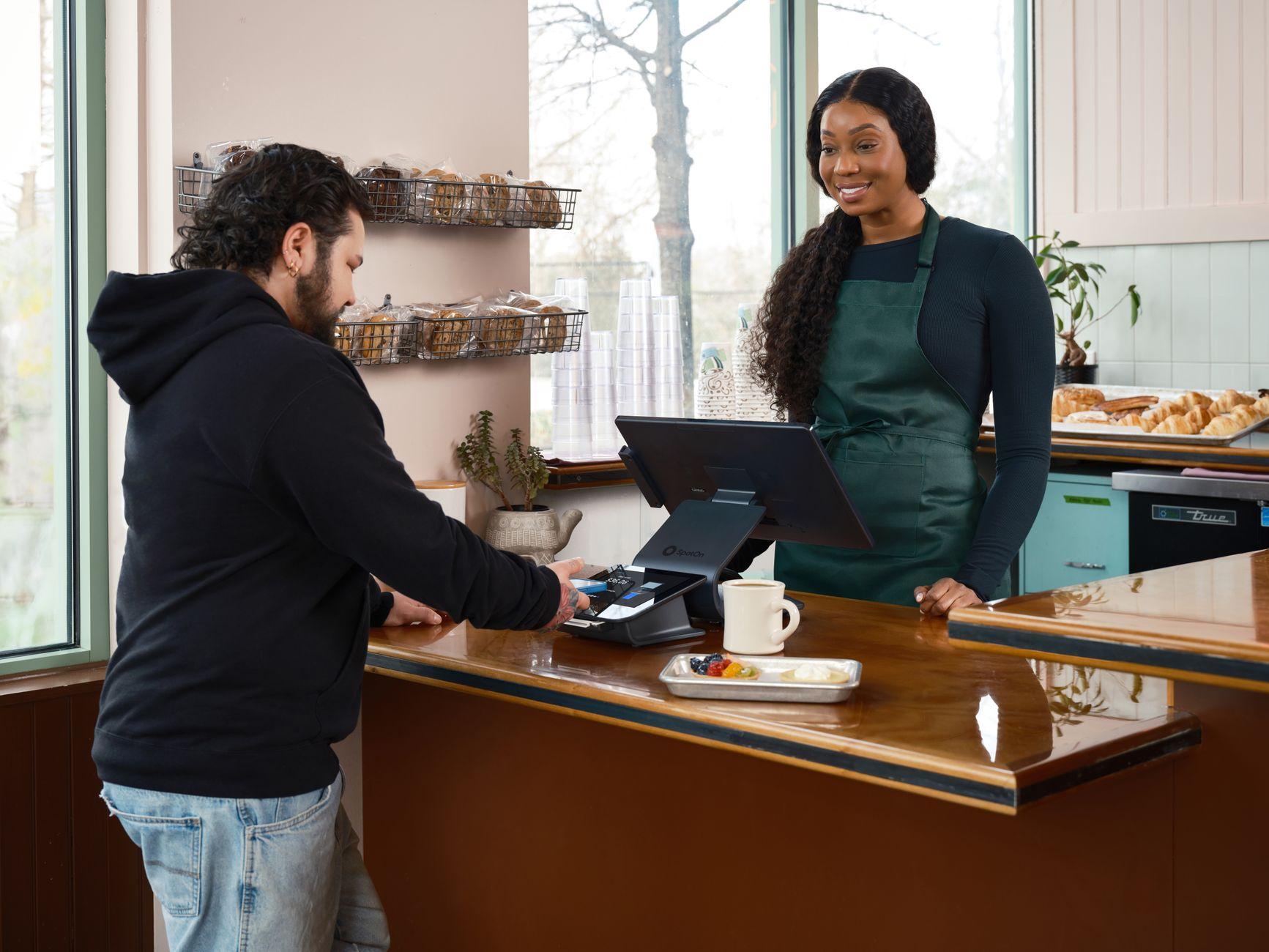
This was close to true once. It is not true now. LAO QR, the national QR payment standard, has spread steadily through Vientiane and Luang Prabang, and you will see the codes taped to glass counters at coffee shops, propped up on laminated cards at night market stalls, and stuck beside the till at minimarts. Locals scan them with their banking apps and pay in seconds. The barista is not surprised by a phone. The barista is surprised by exact change.
Cash still matters, especially in smaller towns, on long bus routes, and at the most rustic village stops. But the idea that you need to carry your entire trip budget in banknotes is a relic. In the two cities most tourists actually spend their time in, QR payments are part of daily life, and visitors who can join that ecosystem carry far less cash than the myth suggests. This is exactly the gap Moreta Pay fills: it lets you scan the same LAO QR codes locals use and pay from a wallet you topped up back home, in your own currency, with the exchange rate shown before you confirm.
Myth two: everyone accepts US dollars and Thai baht anyway
You will hear this a lot, usually from someone who once bought a beer near the Thai border with baht and extrapolated. Yes, some businesses in tourist areas will quote you a price in dollars or baht if you push. But the working currency of Laos is the kip, prices are set in kip, and whenever a merchant does you the "favor" of accepting a foreign currency, the conversion happens at whatever rate they feel like using in that moment. It is rarely a rate that favors you.
The pattern to internalize: paying in kip (whether cash or QR) means paying the posted price. Paying in anything else means paying the posted price plus an invisible markup you agreed to by not asking.
Myth three: just hit the ATM when you land, it's the cheapest way to get cash
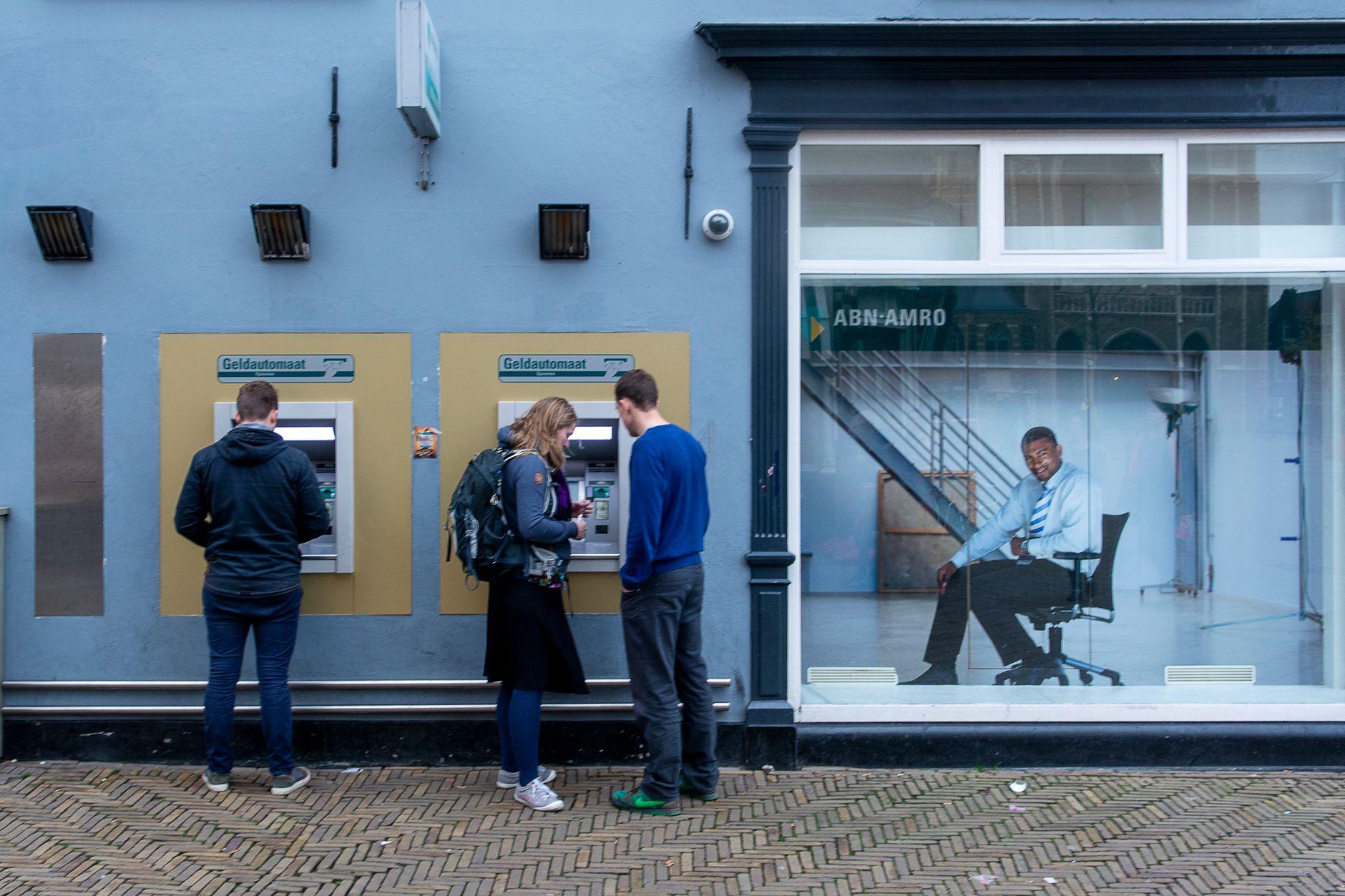
Here is where Laos genuinely punishes the default strategy. Lao ATMs tend to have low withdrawal limits per transaction, and each withdrawal comes with a fee from the local machine, often stacked with whatever your home bank charges for foreign withdrawals. Low limit plus per-withdrawal fees is a brutal combination: you cannot amortize the cost over one big withdrawal the way you might elsewhere, so you end up feeding the machine again and again, paying the toll every single time.
Travelers who plan a two-week trip around ATM cash quietly bleed money at every stop. The smarter structure is the inverse: use QR for everything that accepts it, and treat ATM cash as a small reserve for the places that don't, so you withdraw as rarely as possible. And if you are counting on your "no foreign transaction fee" card to save you at the ATM, it is worth reading why that label often hides costs anyway.
Myth four: a fat stack of kip means you're set
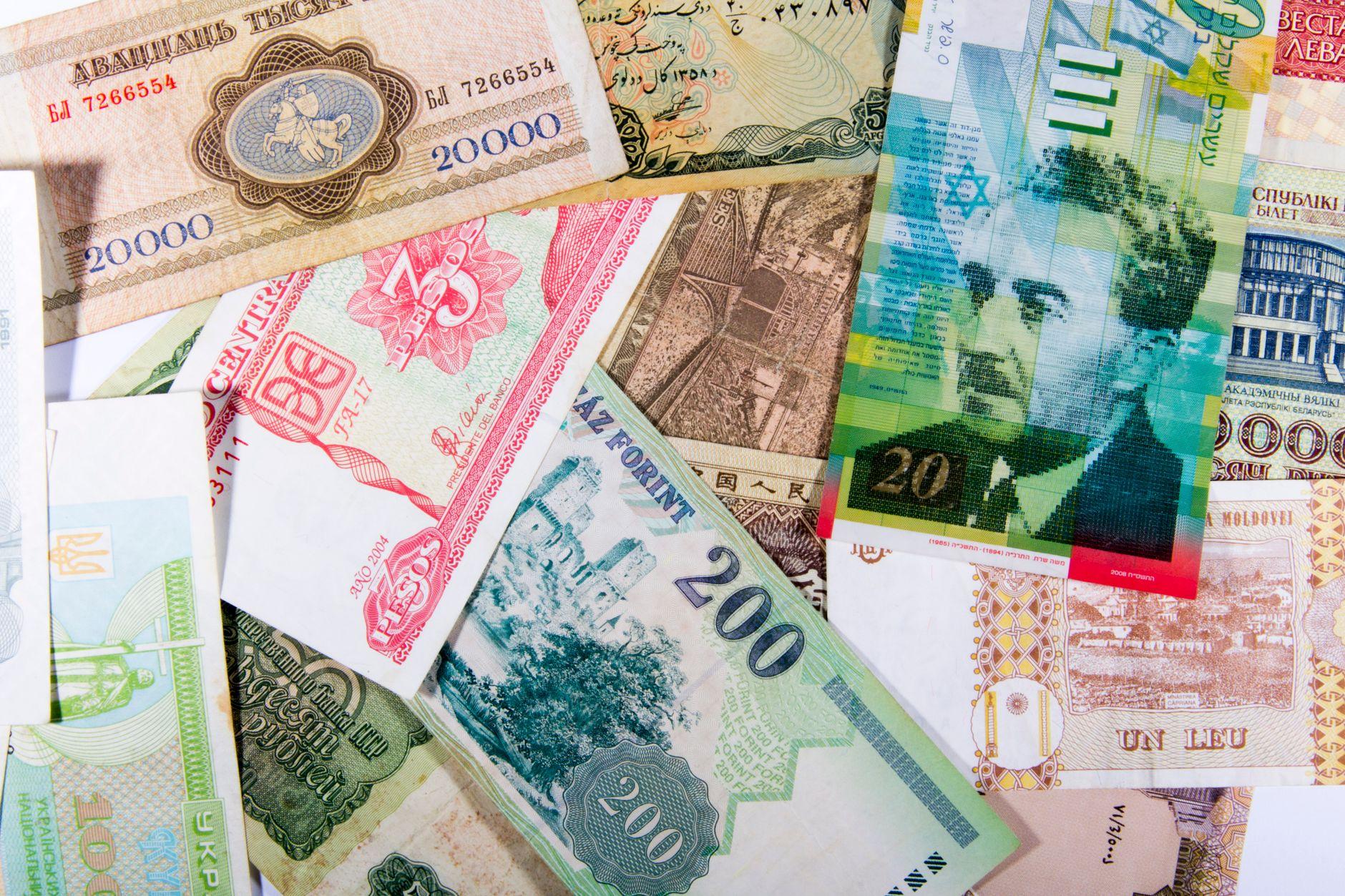
The kip comes in large denominations, and everyday prices run into the tens of thousands. The practical result is comic until it isn't: even a modest amount of spending money arrives as a brick of notes that will not fit in a normal wallet. Tourists end up with rubber-banded bundles in their daypacks, counting out banknotes at a noodle stall while a queue forms behind them, or fumbling a stack in a tuk tuk at night.
Beyond the awkwardness there is real risk. A lost or stolen wallet in Laos does not cost you a wallet, it costs you the brick. Every kip you hold in cash is unrecoverable the moment it walks away. Every kip you would have spent by QR is still sitting safely in an app on a phone you can lock. If the worst does happen, having a recovery plan for a stolen wallet abroad helps, but carrying less cash in the first place helps more.
Myth five: foreigners can't use Lao QR payments without a local bank account
This one is technically half right, which is why it survives. The local apps that scan LAO QR are built for residents: they generally want a Lao bank account, a local phone number, and local ID. As a visitor on a one-week or one-month trip, you were effectively locked out of the system, watching locals breeze through payments you couldn't make.
That lockout is the specific problem Moreta Pay was built to solve. You top up the wallet before or during your trip from your home bank (US bank via Plaid or ACH, SEPA in Europe, UK Faster Payments, Canadian e-Transfer) or an international card. In Laos, you scan the merchant's LAO QR code, see the amount in kip, the merchant name, and the exact FX rate on screen, and confirm. The merchant is paid instantly in kip, and you never opened a Lao bank account or bought a local SIM to do it.
Myth six: QR is only for fancy cafes catering to foreigners
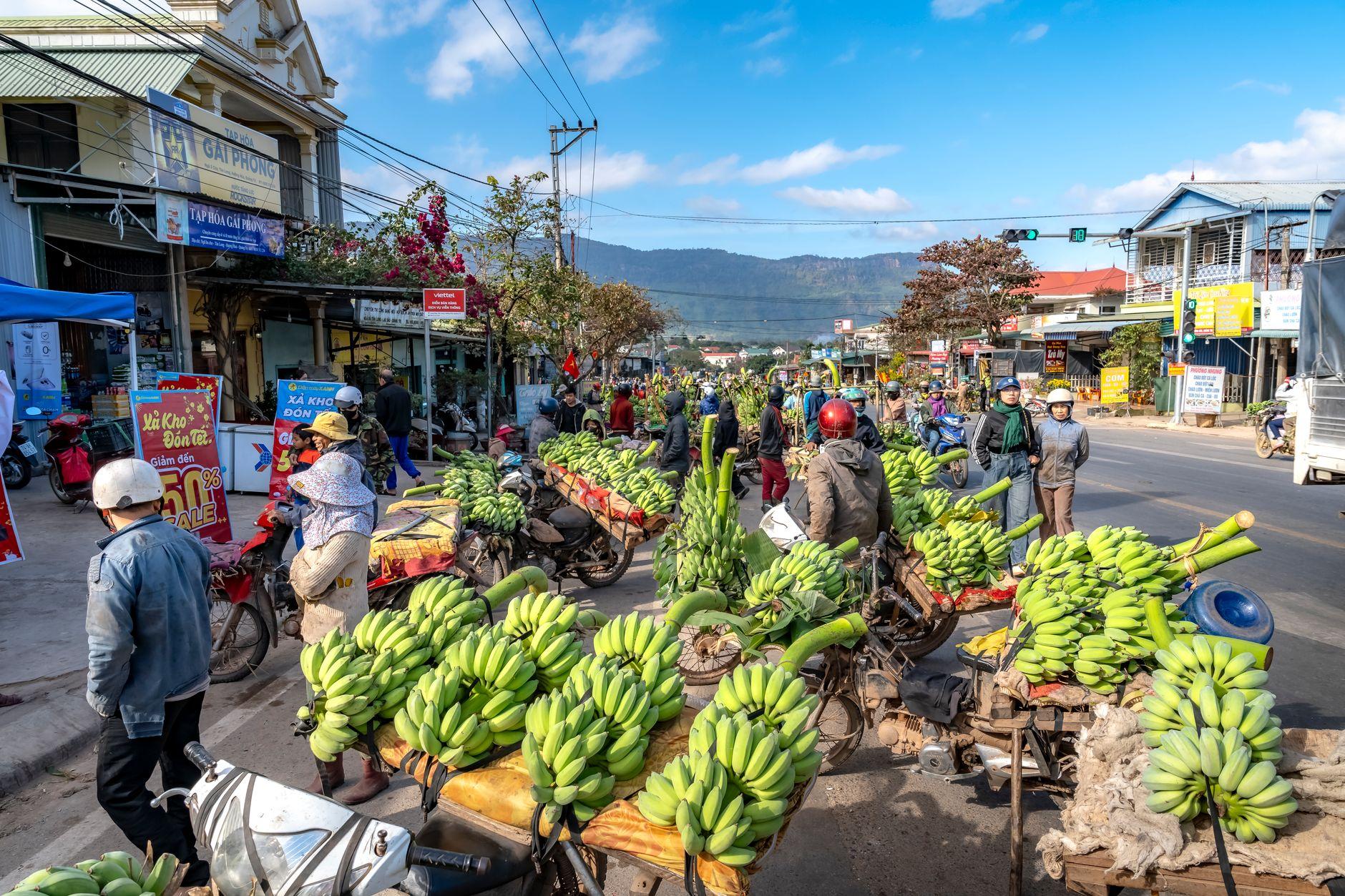
Almost backwards. The upscale hotel takes your Visa card. It is the small local economy that has embraced QR: the fruit shake stand, the family-run pho shop, the night market vendor selling grilled Mekong fish, the corner shop where you buy water. These are precisely the places where a card terminal never made economic sense but a printed QR code costs nothing. QR in Laos is a local habit first and a tourist convenience second, which is exactly why joining it feels like unlocking the real version of the country.
A saner setup for your Laos trip
Strip the myths away and the plan is simple. Carry a modest amount of kip for villages, temples' donation boxes, and the occasional cash-only ride. Make each ATM visit count instead of paying fees five times a week. Pay by QR everywhere the code is posted, which in Vientiane and Luang Prabang is most places you will actually spend money, and even extends to QR-based online checkouts when you book on platforms like Trip.com or Agoda for onward travel.
The wallet-brick era of Laos travel is ending. If you want your phone to work at the same stalls where locals scan and go, set up Moreta Pay before your flight to Vientiane and land already able to pay like you live there.