
Bolivia is one of those countries where travelers tend to learn about money the hard way. They arrive with assumptions imported from Peru or Chile, discover that their card barely works, that the ATM in a small town rejects everything foreign, and that the one thing they did not research (QR codes) turns out to be the thing locals in La Paz actually use. This article answers the questions tourists usually ask after the mistake has already cost them an afternoon, so you can ask them before.
Can I actually pay with QR codes in Bolivia?
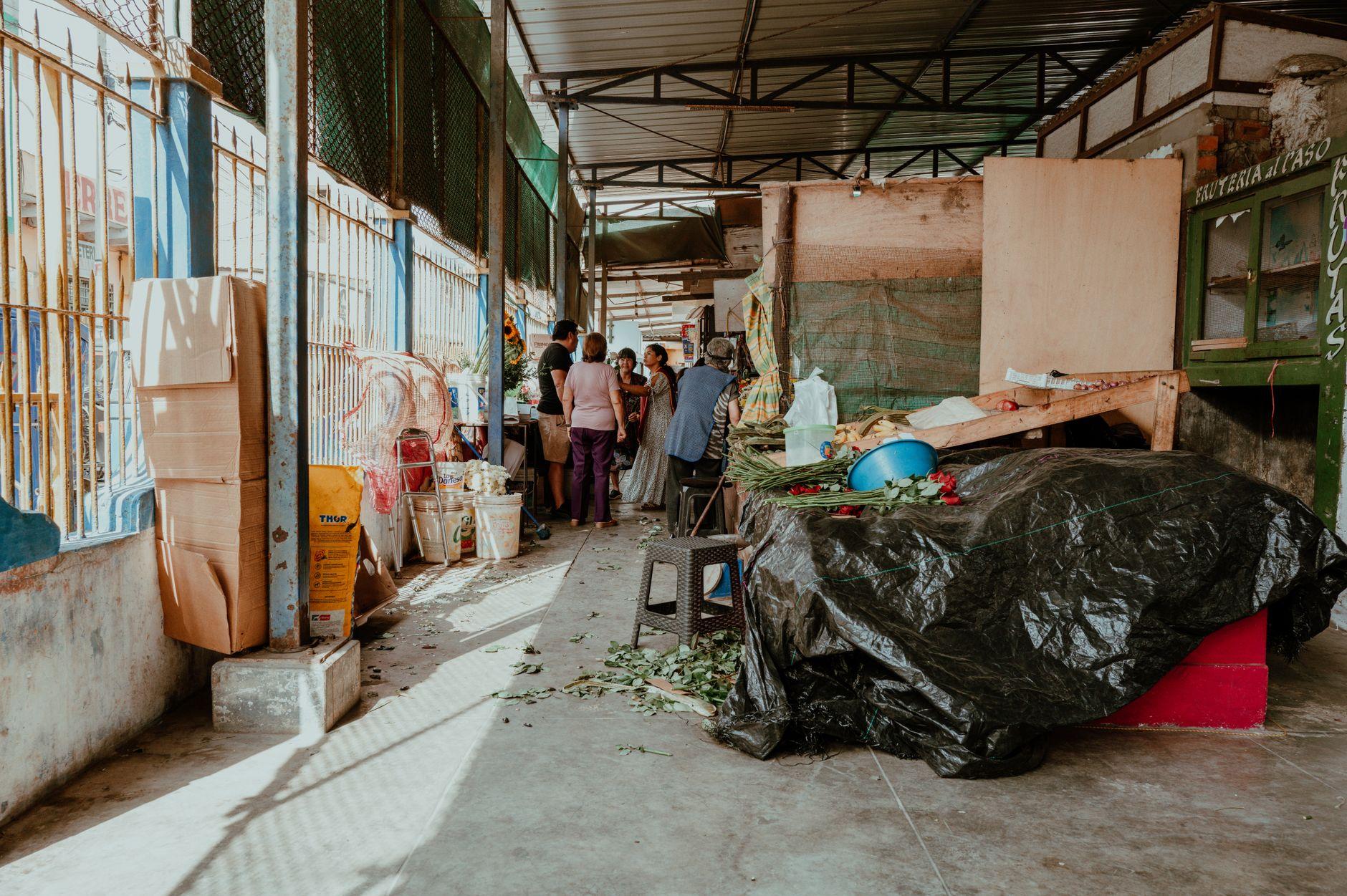
Yes, and more often than most visitors expect. Bolivia's interoperable QR system, QR Simple, has spread quickly through La Paz and Santa Cruz. You will see the printed codes taped to counters in cafes, pharmacies, mini markets, and increasingly at market stalls, where the vendor keeps the code laminated next to the scale. Locals scan with their banking apps and the money arrives instantly. The catch for tourists is obvious: QR Simple is built around Bolivian bank accounts, which you do not have. That is where a wallet like Moreta Pay changes the picture. You top it up from your home bank or card in your own currency, scan the merchant's QR Simple code, check the amount and FX rate on screen, and confirm. The vendor gets paid in bolivianos instantly, exactly as if a local had scanned it.
Do Bolivian ATMs accept foreign cards?
In La Paz, Santa Cruz, and Cochabamba, the larger bank ATMs generally do, though not all of them, and you may try two or three machines before one cooperates. Outside the big cities, the honest answer is often no. Travelers heading to Uyuni, Rurrenabaque, Copacabana, or small Altiplano towns routinely discover that the only ATM in town either rejects foreign cards or is out of cash. The mistake is not failing to find an ATM. The mistake is building your whole plan around finding one. Withdraw what you need for rural stretches while you are still in a major city, and if you rely on ATMs at all, it is worth checking whether your debit card refunds ATM fees abroad before you leave home, because fees stack up fast when you are forced into multiple small withdrawals.
Should I bring US dollars to Bolivia?
A modest reserve of US dollars in good condition is a reasonable backup, especially for border crossings and emergencies. But treating dollars as your primary money is a classic tourist error. Everyday Bolivia runs on bolivianos. Market vendors, bus companies, and small restaurants want local currency, and paying in dollars usually means a poor informal rate or a confused negotiation. Use dollars as insurance, not as a wallet.
What is the biggest money mistake tourists make in La Paz?
Carrying far too much cash because they assume all of Bolivia is cash-only. La Paz is genuinely two economies at once. The cash economy is real, you will need bolivianos for micros, some market purchases, and tips. But the QR economy is growing alongside it, and visitors who ignore it end up making extra withdrawals, breaking large bills at annoyed vendors, and walking around with a wad of notes they do not need. The smarter split: a day or two of cash in small denominations, and a funded QR wallet for everything that displays a code. The second mistake, closely related, is handing over a 200 boliviano note for a 12 boliviano purchase. Small vendors often cannot break large bills. Hoard your small notes like they matter, because they do.
Can I rely on my credit card?
Only in a narrow slice of the country: upscale hotels, some restaurants in wealthier neighborhoods of La Paz and Santa Cruz, larger supermarkets. Card terminals are not part of daily life the way they are in Chile or Brazil. Many places that happily accept a QR Simple scan have never owned a card machine, because the QR code costs the merchant nothing to print. If your mental model is "card where possible, cash otherwise," you will overestimate the card part badly. The more accurate model for Bolivia is "QR where possible, cash otherwise."
How much cash should I carry for Uyuni, the Amazon, or small towns?
Enough to cover the entire stretch, plus a buffer. This is the single most expensive lesson travelers learn in Bolivia. Salt flat tours, jungle lodges, rural guesthouses, and long-distance bus tickets in small terminals are overwhelmingly cash businesses, and the nearest reliable foreign-card ATM may be a full day's travel away. Count your expected days, estimate generously, add a margin for the unexpected night in a town you did not plan to sleep in, and withdraw it all in a major city before you go. Some tour operators let you pay a deposit online in advance, which reduces the pile of notes you need to carry across the Altiplano.
Is it risky to walk around with cash in Bolivian cities?
Bolivia is not unusually dangerous, but pickpocketing happens in crowded markets and bus terminals, as it does everywhere. The practical answer is to shrink the target. Keep a day's spending money accessible and the rest somewhere secure. This is one of the quiet advantages of doing your city spending by QR: the money sits in an app rather than a pocket, and if something does go wrong, a stolen phone is far less of a disaster than a stolen cash stash, since the wallet stays locked behind your credentials.
Can I pay for buses, tours, and accommodation bookings digitally?
Increasingly, yes, in the cities. Agencies in La Paz and Santa Cruz are among the businesses adopting QR Simple, and some will display a code for deposits or full payment. For anything you book through international platforms before arrival, you can often pay online, and if a Bolivian business sends you a QR code to settle a booking, a wallet that speaks QR Simple handles it the same way it handles a cafe counter. Moreta Pay also works for QR-based online checkouts on supported platforms, which is useful for pre-trip bookings on services like Trip.com.
So what does a sensible Bolivia money setup look like in 2026?
Three layers. First, a QR wallet funded before you land, so you can pay like a local in La Paz and Santa Cruz without touching an ATM. Second, a sensible stock of bolivianos in small notes, withdrawn in a big city and sized to cover your rural days completely. Third, a small emergency reserve of dollars you hope never to use. Travelers who set this up spend their trip looking at salt flats and cable car views instead of queuing at the third ATM of the morning.
Before your flight to El Alto, load up Moreta Pay from your home bank and arrive ready to scan QR Simple codes on day one, with the rate shown clearly every time you pay and no surprise foreign transaction fees buried in the small print.