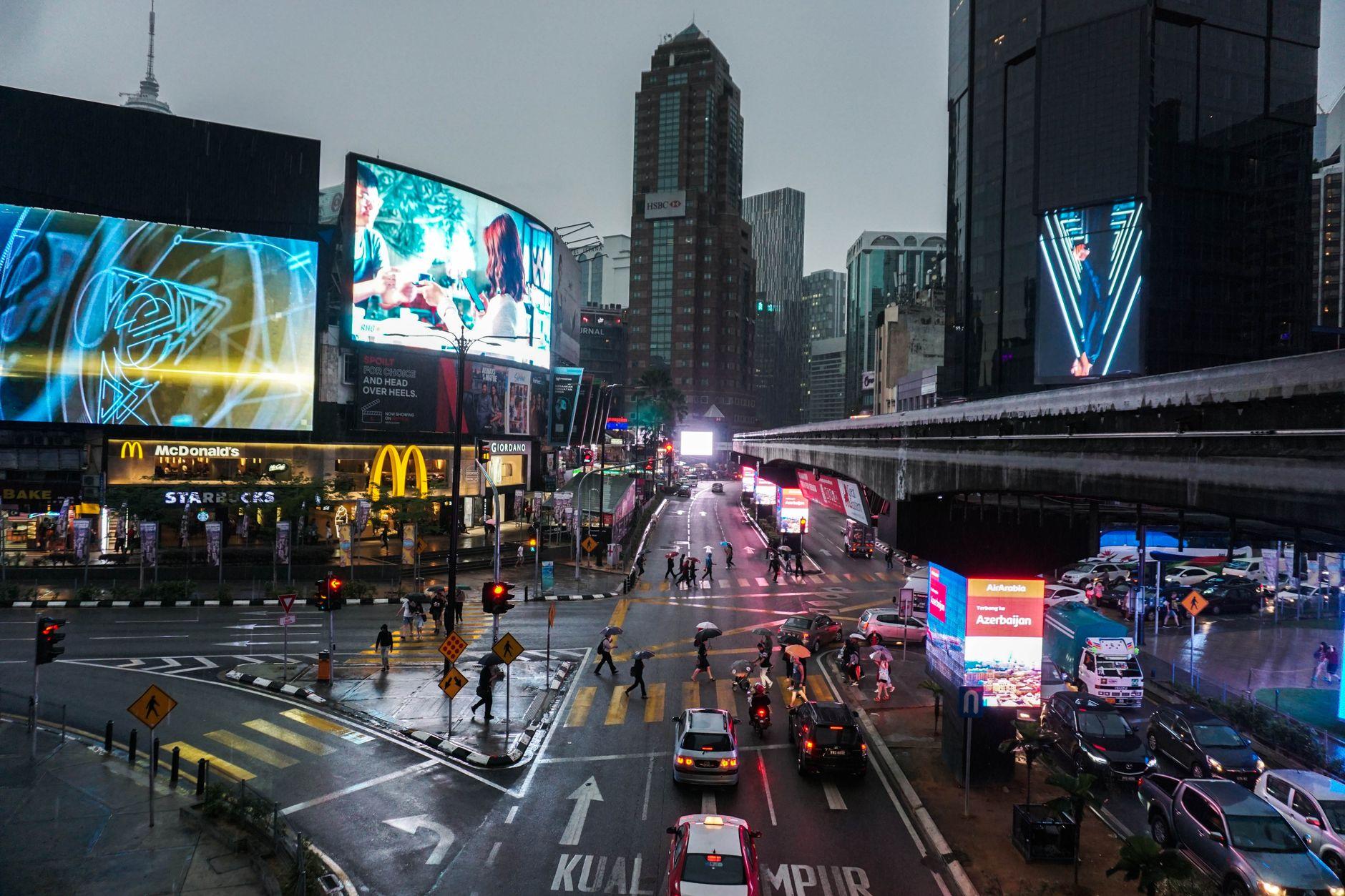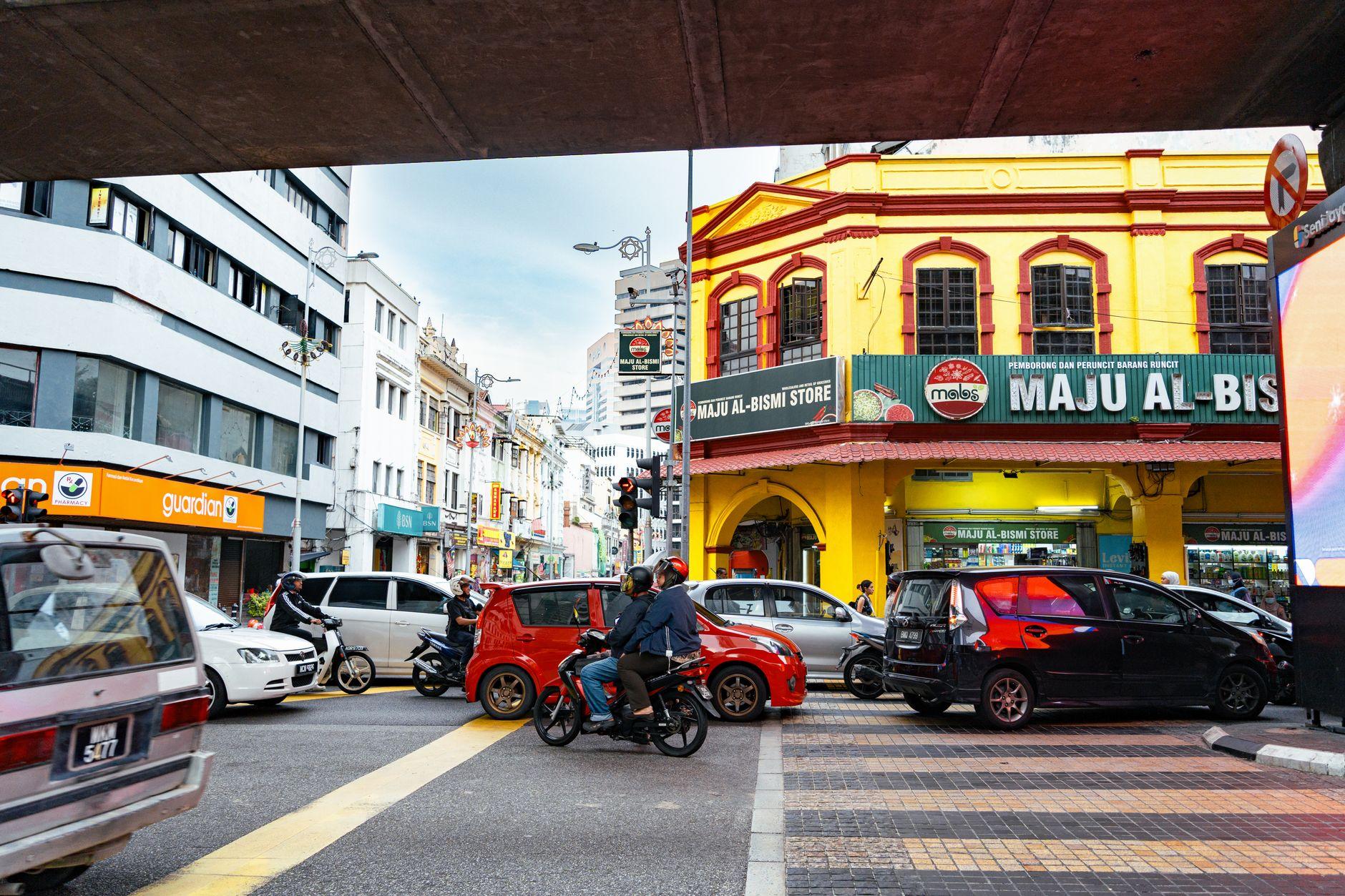

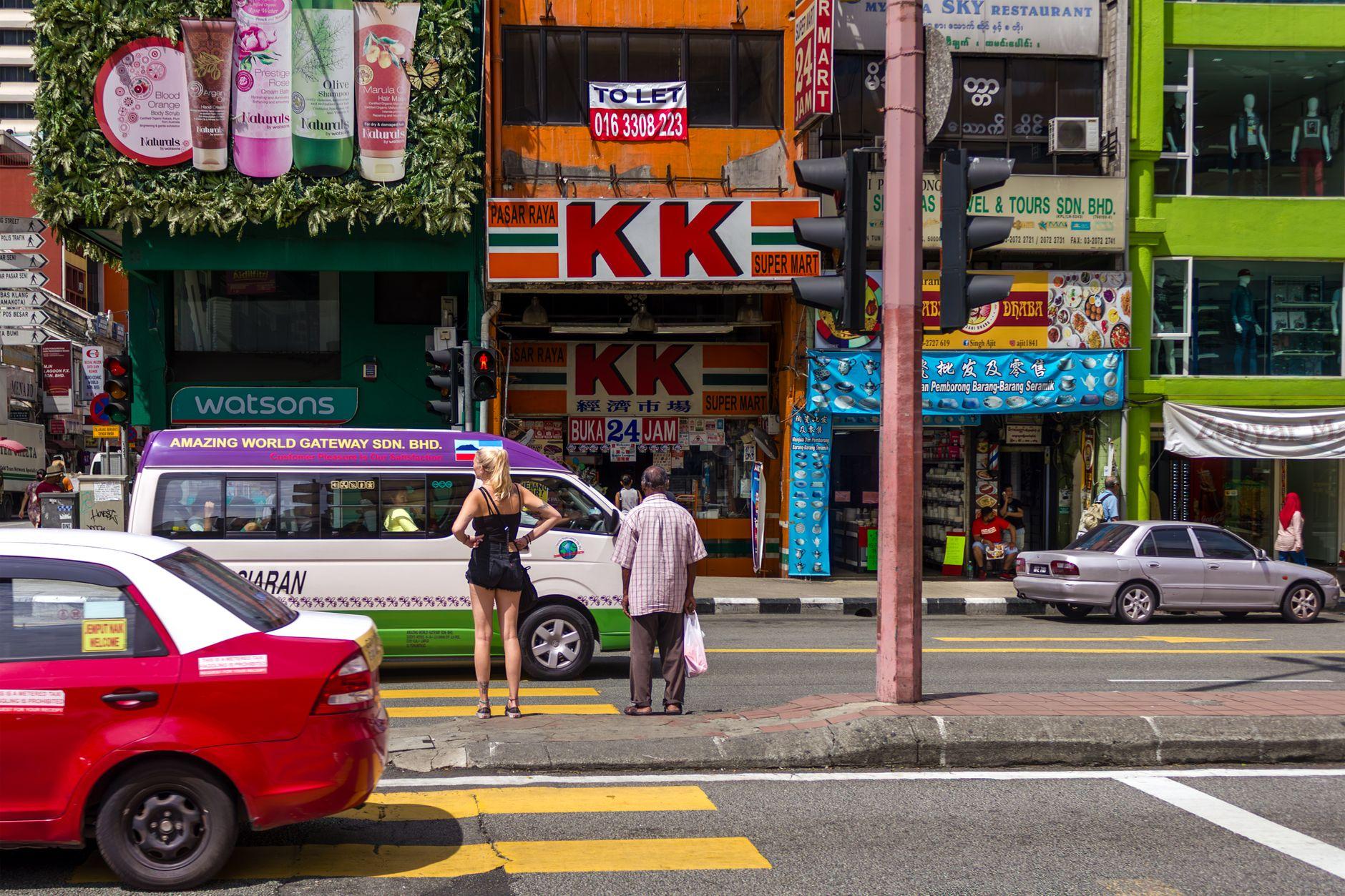
You're at a mamak stall on Jalan Alor in Kuala Lumpur. The man pulling teh tarik has no card terminal. He has a laminated DuitNow QR sign taped to the drinks fridge, and the table next to you is paying for roti canai by scanning it. Your debit card can't help here. It can only send you to an ATM.
Build a small set of tools, each with one job:
- Your debit card for occasional ATM cash only.
- A prepaid travel card or multi-currency card app as your card backup.
- A modest cash reserve for places that only take notes.
- A wallet that connects to the national QR network in countries where locals pay by scanning a code.
Moreta builds that last piece. Moreta Pay lets travelers fund a balance from a US bank account or debit card, then pay on networks like DuitNow QR in Malaysia, KHQR in Cambodia, Pix in Brazil and WeChat Pay in China. Those are the counters where a debit card has the least to offer.
Why shouldn't a US debit card be your main way to pay abroad?
That ATM trip is where international debit card fees add up. ATM fees overseas usually come in two layers:
- Your issuer's foreign transaction fee, typically 1 to 3 percent of the withdrawal.
- A flat out-of-network charge, typically 2 to 5 dollars per withdrawal.
The flat charge repeats every time, so five small withdrawals cost more than one larger one.
The second issue is exposure. A debit card draws directly on your checking account. If the card is skimmed, the thief reaches your main account, not a capped travel balance.
What are the realistic alternatives if you don't have a credit card?
Since the debit card is best kept as a cash tool, the real question is what handles everyday spending. Instead of hunting for one card to replace it, assign each tool a job.
| Option | Best job | Watch out for |
|---|---|---|
| US debit card | Withdrawing local cash at ATMs | Exposes your main account to fraud; ATM and foreign transaction fees vary by issuer |
| Prepaid travel card | Card payments from a fixed balance | May charge reload fees |
| Multi-currency card app (e.g. Revolut) | Holding several currencies for card spending | Terms vary by provider; check the current fee page |
| Cash | Places that only take notes | Vulnerable to theft |
| Local QR wallet | Counters that show a national QR code | Hard to fund without a local bank account unless it accepts US funding |
Is a prepaid travel card or a multi-currency wallet the better backup?
Your card backup matters most where card terminals are common, such as hotels, chain restaurants and rail stations.
A prepaid travel card holds a fixed balance you load in advance. If it's stolen, the thief reaches that balance and nothing behind it. For a traveler without credit, the best prepaid travel card is one you can reload from a checking account or debit card, with reload fees you've read before departure.
If you're comparing multi-currency card alternatives, judge each one against the countries on your route, not general rankings.
How do you pay through local QR networks as a visitor?
Some counters never had a card terminal at all.
A national QR standard is a shared payment format that every participating bank and wallet in a country can read. It works like a standard electrical socket. Each bank builds its plug to fit the same socket, so one QR sign at a fruit stall accepts payment from any connected app. The visitor's problem is the plug: local wallets are hard to fund without a local bank account.
Moreta Pay supplies that plug. The payment works like this:
- Top up in your own currency from your US bank account by ACH, or with a debit card, Apple Pay or Google Pay.
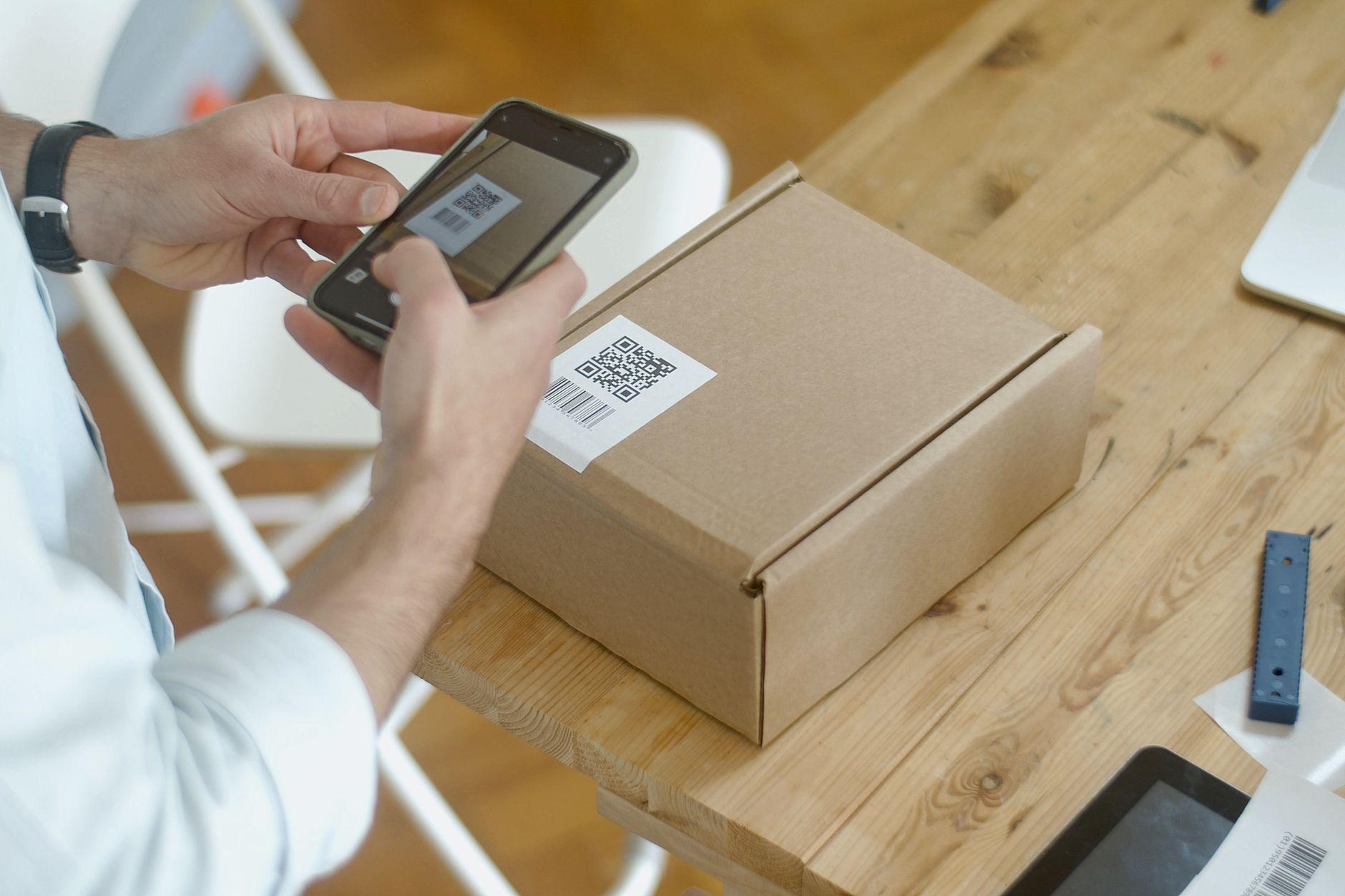
- Scan the merchant's QR code, the same one locals scan.
- Check the merchant name, local amount and exact exchange rate on screen, then slide to pay.
- The merchant receives local currency instantly, in their banking app or on their terminal.
Your balance stays in your own currency until you pay. The conversion happens at the moment of purchase, not in advance.
Where this applies:
- Malaysia: DuitNow QR at mamak stalls and night markets.
- Cambodia: KHQR at Phnom Penh's Russian Market, where prices can switch between US dollars and riel.
- Brazil: Pix at a São Paulo feira, for a pastel and a glass of caldo de cana.
- China: WeChat Pay. The app opens your payment code for the cashier to scan, and it works only while you are physically in China.
Money added as USDC or USDT on Solana can't be spent in Cambodia or China. Use a bank or card top-up for those countries.
How do you keep travel money safe without a credit card?
Travel money safety without a credit card comes down to limiting what any single loss can reach.
- Separate the debit card from daily spending. Carry it on ATM days and leave it in the hotel safe otherwise.
- Decline dynamic currency conversion. When an ATM or terminal offers to charge you in US dollars, the conversion rate is set by the machine's operator, not your card network. Always choose local currency.
- Turn on alerts for every account you carry, so an unfamiliar charge reaches you right away.
- Keep a modest cash reserve. QR coverage isn't total. Temple donation boxes, parking attendants and rural stalls still want notes: a few 10 MYR notes in Malaysia, a small fold of riel in Cambodia, and some 5 and 10 BRL notes in Brazil.
What should I set up before I fly?
- Install Moreta Pay, verify with a selfie and your passport, and link your US bank through Plaid early so your first ACH top-up has time to clear.
- Load your prepaid or multi-currency card backup and read its reload fees.
- Buy an eSIM. QR scanning needs a data connection at the moment you pay.
Frequently Asked Questions
Can I travel abroad with only a debit card?
Yes, but it works best as a cash tool. Pair it with a card backup and, in QR-heavy countries, a QR wallet so you aren't paying ATM fees for every meal.
Should I choose a multi-currency card if I don't have a credit card?
Read any multi-currency card review next to each provider's current fee page, and check how each fits your specific destinations.
Do I need a credit card to use Moreta Pay?
No. You can fund it from a US bank account by ACH or with a debit card. Travelers from Europe, the UK and Canada can use SEPA, Faster Payments or Interac e-Transfer.
Is Moreta Pay a currency conversion app?
In effect, yes. It converts your balance to local currency at the moment you pay and shows the rate before you confirm.
Is Moreta a bank?
No. Moreta Global Inc. is a FinCEN-registered Money Services Business, and customer funds are held by banking partners.
About Moreta
Moreta Global Inc. is a Delaware corporation, a FinCEN-registered Money Services Business and a Y Combinator-backed company (Summer 2024 batch). Its app, Moreta Pay, lets travelers, expats and digital nomads fund a balance from home and pay on local QR networks, including DuitNow QR in Malaysia, KHQR in Cambodia, Pix in Brazil, WeChat Pay in China, QR Ph in the Philippines and Yape in Peru. Every account is identity-checked, every payment shows the merchant name and exchange rate before you confirm, and transactions are monitored around the clock. Customer funds are held by banking partners.
If your route runs through Kuala Lumpur, Phnom Penh, São Paulo or Shanghai, see how it works at moretapay.com.