
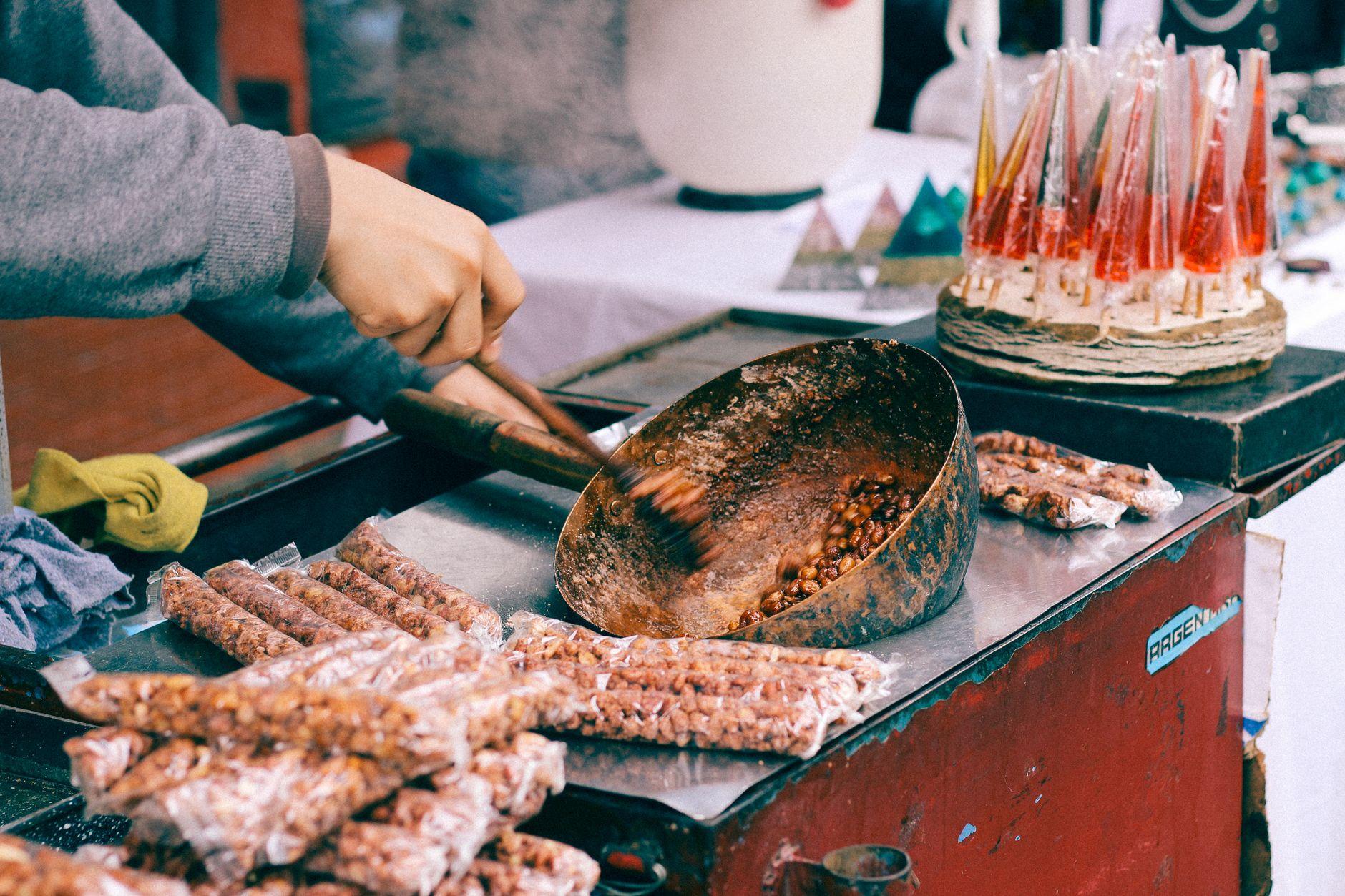
Ask five travelers how to pay in Argentina and you will get five confident, contradictory answers. Bring crisp hundred dollar bills. No, use your card, the rate is fine now. No, cash only, especially at markets. Argentina's money situation has changed so many times in the past few years that most advice you find online is a snapshot of a moment that no longer exists. So instead of another generic guide, let's take the most common beliefs travelers arrive with and check them against what actually happens when you are standing in front of a choripán cart at Feria de Mataderos, hungry, with a queue forming behind you.
Myth one: Argentina runs on cash, so stuff your money belt
This one used to be closer to true, and it is the belief that dies hardest. The reality in 2026 is that Argentina is one of the most QR-saturated countries in Latin America. Mercado Pago QR codes are taped to grill carts, fruit stands, kiosco counters, and the folding tables of artisans at San Telmo's Sunday feria. MODO, the app backed by Argentine banks, rides the same rails. Argentina pushed hard for QR interoperability, which means the single laminated code hanging off a vendor's cart often accepts payments from multiple local apps.
Watch locals at any market in Buenos Aires, Córdoba, or Mendoza. The person ahead of you buying empanadas is scanning, not counting bills. The vendor asks "¿transferencia o efectivo?" as routinely as a Bangkok vendor points at a PromptPay sticker. Cash still works everywhere, but the idea that it is the only option at street level is years out of date.
Myth two: inflation means you should carry more cash, not less
Travelers hear about Argentine inflation and conclude they need to hold physical pesos to keep up with prices. The logic is backwards. Inflation is exactly why carrying cash in Argentina is annoying. When prices climb, the stack of notes you need for a normal day gets thicker, and you spend real time at markets watching vendors count out change from a shoebox. Locals moved to digital payments partly because nobody wants to manage a wad of bills whose purchasing power is a moving target.
Digital payment flips the problem. You see the exact peso amount on screen, you pay it, done. No counting, no change, no wondering whether the notes in your pocket are worth what they were when you withdrew them last week.
Myth three: you have to hunt down the blue dollar to avoid getting fleeced
For years, travel forums treated the parallel exchange market as sacred knowledge: bring physical dollars, find a cueva, get a dramatically better rate. Then the gap between official and parallel rates narrowed, widened, and shifted again as policies changed. The honest answer in 2026 is that the multiple-rate landscape keeps moving, and a Reddit thread from two years ago is a terrible basis for your trip budget.
What matters practically is this: whatever the rate environment looks like the week you land, you want to see the actual conversion before you commit to a payment, not discover it on a statement later. That is the real lesson of Argentina's exchange rate chaos. Transparency at the moment of payment beats folklore about where to change bills. When you pay a merchant's QR through Moreta Pay, the peso amount, the FX rate, and the merchant name are all on screen before you confirm, so there is no post-trip statement archaeology.
Myth four: your foreign card handles street food just fine
Contactless cards do work at Argentine supermarkets, chain cafés, and plenty of sit-down restaurants. But the places this article is about, the ferias, the parrilla carts, the woman selling tortas fritas outside the subte, mostly do not have card terminals. A QR code costs a vendor nothing to print. A card machine is hardware, fees, and paperwork. So the street food economy standardized on QR, and your physical card is irrelevant there.
There is also the rate question. Even when a card is accepted, travelers are chronically confused about which exchange rate applies to foreign card transactions in Argentina, and the answer has changed more than once. If you have ever wondered why a supposedly fee-free card still produced a worse total than expected, the hidden costs behind "no foreign transaction fee" cards explain most of it.
Myth five: you can just download Mercado Pago like a local
Travelers see everyone scanning and think, fine, I will get the app too. Then they hit the wall: Argentine payment apps are built around a local ID (DNI) and an Argentine bank account or local funding source. As a visitor on a two-week trip, or even an expat in your first months, you generally cannot complete signup. The QR codes are everywhere and they are locked to a system you cannot join directly.
This is where a travel wallet earns its place. Moreta Pay lets you top up in your own currency from your home bank or an international card before or during your trip, then scan the same Mercado Pago and MODO QR codes locals use. The vendor gets paid instantly in pesos, exactly as if a porteño had paid. You never opened an Argentine account, never touched an ATM, and never had to explain your passport to a signup flow that expected a DNI. It is the same pattern we described for Brazil, where Pix-only beach vendors leave foreign cardholders stranded: the local QR rail is superb, and the trick is getting access to it as an outsider.
Myth six: markets are a cash negotiation culture, so digital is rude
Some travelers assume that pulling out a phone at a feria breaks some unwritten code, that haggling requires bills. Argentine vendors do not care. They quote a price, you pay it however is easiest, and for many of them a QR payment is preferable because it lands directly in their account without change-making or the risk of holding cash all day. At the Mercado de San Telmo, at neighborhood ferias in Palermo or Villa Crespo, at the weekend artisan fairs in Recoleta, scanning is completely normal behavior. The only rude move is holding up the line while you dig through a money belt.
What to actually do before you land
Keep a modest amount of cash for the genuine edge cases: a bus in a small town, a vendor whose phone died, a tip. Skip the airport exchange counter and the ATM scavenger hunt for everything else. Load a wallet before your flight, and treat every QR code you see, on a grill cart, at a verdulería, even on checkout pages of local booking sites, as something you can pay directly.
Argentina's street food is some of the best eating on the continent, and the payment layer around it is more modern than almost any traveler expects. Set yourself up to scan the same QR codes Argentines use with Moreta Pay, and the only thing left to negotiate at the feria is whether one choripán is really going to be enough.