
Cambodia runs on two currencies, one QR standard, and a lot of unspoken rules about which one applies when. New arrivals in Phnom Penh or Siem Reap usually figure it out through a week of awkward counter moments. This article answers the questions most expats end up asking, in the order they usually ask them.
Do I actually need a Cambodian bank account to live here?
For daily spending, no. Cambodia's payment life happens through KHQR, the national QR code standard built on the Bakong system run by the central bank. Every bank and wallet in the country issues KHQR codes, and they all interoperate. The coffee shop, the tuk tuk driver, the pharmacy, the woman selling mangoes from a cart, they very often have the same style of QR sticker taped somewhere visible. Locals scan it from whatever banking app they use. If you can scan KHQR, you can live here. A local account matters mostly for receiving a Cambodian salary, and many expats on foreign income never open one at all.
What exactly is KHQR, and why is it different from other countries?
KHQR is one unified standard, not a pile of competing apps. In some countries a single counter displays three or four different QR codes and you have to match the right app to the right sticker. Cambodia went the other direction, which is part of why some countries print one QR code where others print three. Because everything settles through Bakong, one code works for every participating bank and wallet. That uniformity is what makes it realistic for a foreigner to plug in: you do not need to guess which network a merchant belongs to, because there is effectively one network.
Why do prices show in US dollars but my change comes back in riel?
Cambodia operates a genuine dual currency economy. US dollars circulate alongside Cambodian riel, and most urban prices are quoted in dollars. But US coins do not circulate at all, so anything under a dollar gets settled in riel notes. Buy a $2.50 iced coffee, hand over $3, and you get riel back, calculated at whatever rounding convention that shop uses. Within a day your pockets fill with small riel notes that you then struggle to spend in useful quantities. Vendors also inspect dollar bills closely and will refuse torn, marked, or older series notes, which turns a simple cash payment into a small negotiation.
How does QR payment fix the dual currency mess?
It removes the change problem entirely. A QR payment is for the exact amount, down to the last riel, so there is no rounding, no drawer full of small notes, no debate about whether your $10 bill has an acceptable crease. This is the quiet reason so many locals prefer scanning even for tiny purchases. The exact amount problem, not technology enthusiasm, is what pushed KHQR onto fruit carts and noodle stalls. Expats who adopt it feel the difference within days: you stop doing mental math between two currencies at every counter.
Can I use KHQR without a Cambodian bank behind me?
This used to be the catch. KHQR is everywhere, but the apps that scan it are tied to local banks and wallets, and opening those typically means local paperwork. That is exactly the gap Moreta Pay covers. You top up the wallet from your home country (a US bank via Plaid or ACH, SEPA in Europe, UK Faster Payments, Canadian e-Transfer, or an international card), keep the balance in your own currency, and scan the same KHQR stickers locals use. Before you confirm, you see the merchant name, the amount, and the FX rate on screen. Confirm, and the merchant is paid instantly in local currency, with no local account required and no foreign transaction fee buried in your statement later.
Where in Cambodia does QR actually work, and where does it not?
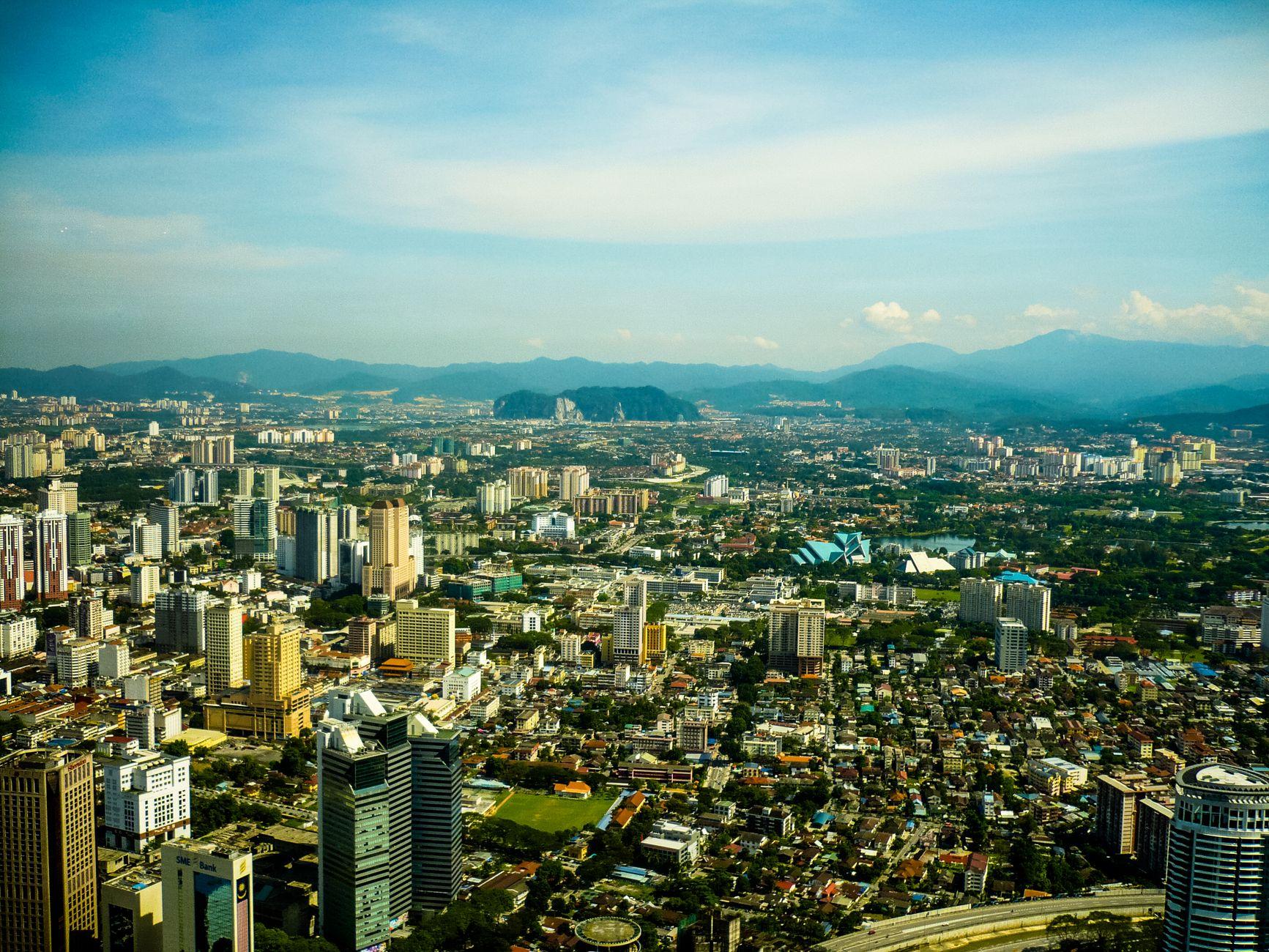
Phnom Penh and Siem Reap are deeply covered: cafes, minimarts, markets, pharmacies, tuk tuks booked through apps, even many independent drivers. Sihanoukville, Kampot, Battambang, and other provincial towns are well covered in commercial areas. Where it thins out is rural areas with patchy mobile signal, some countryside food stalls, and older vendors who never set up a merchant code. A ferry crossing or a remote temple entrance may still be cash only. The honest picture: QR handles the large majority of an urban expat's spending, and cash covers the edges.
So should I stop carrying cash completely?
No. Keep a modest amount of both currencies: a few small dollar bills in good condition and a stack of riel for sub dollar purchases where a vendor has no code. What changes is the role of cash. It becomes a backup instead of your primary method, which means fewer ATM runs, less exposure to worn note disputes, and no bulging pocket of 100 riel notes. It is also smart to keep more than one way to pay in general. We have written before about why you should never keep all your travel money in one app, and Cambodia, with its cash friendly fallback culture, is an easy place to run that kind of layered setup.
Can I handle online purchases and bills this way too?
Largely yes. QR based checkout shows up in Cambodian online commerce and travel booking, and platforms like Agoda and Trip.com that expats lean on for regional trips support QR payment flows that Moreta Pay can complete. Bill payment in supported countries works the same way: scan, review, confirm. Rent is the one area still governed by landlord preference. Some accept transfers to a KHQR code, others still want an envelope of dollars on the first of the month. Ask before you sign.
What does a normal day look like once this is set up?
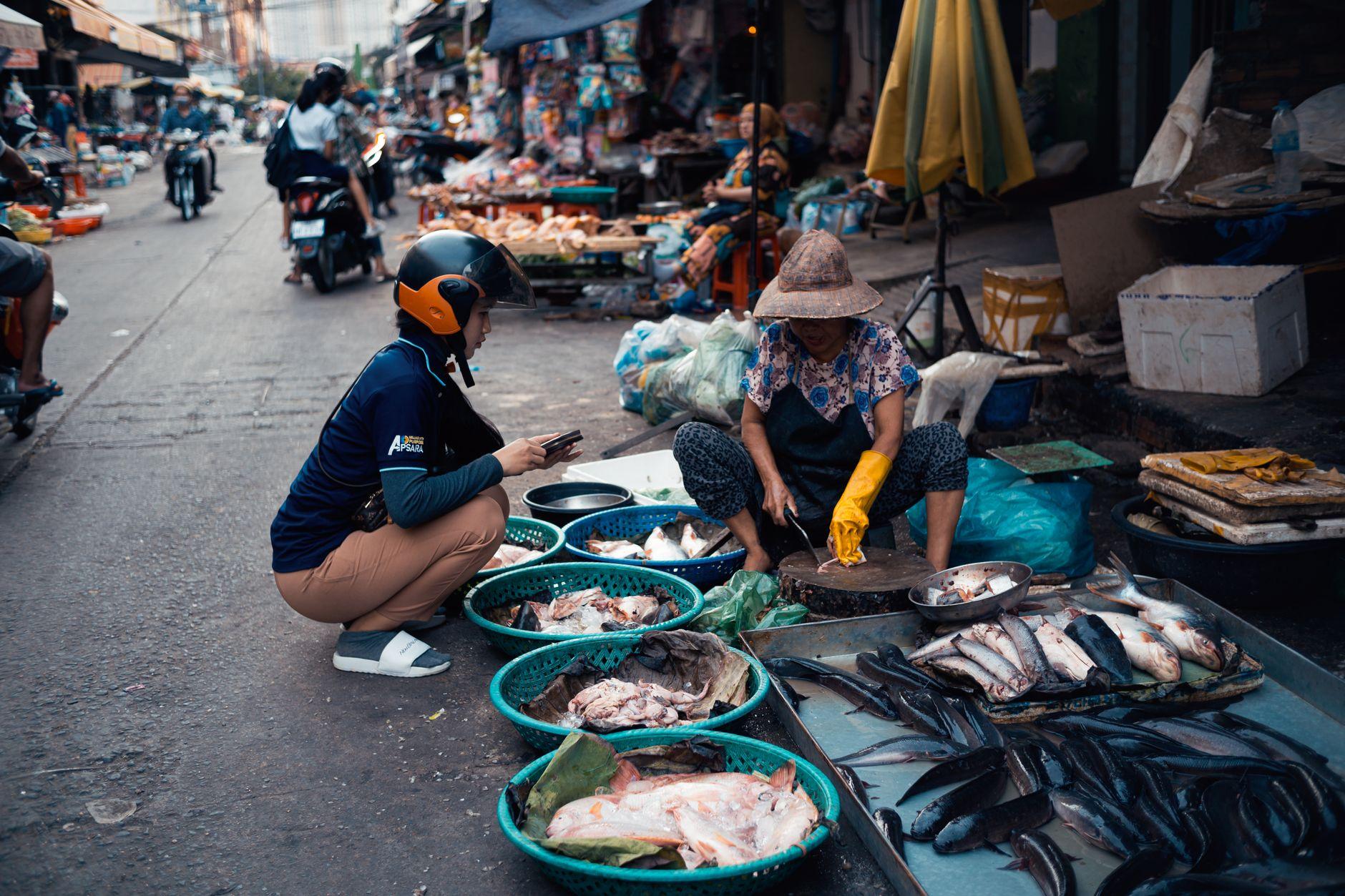
Morning coffee: scan the sticker by the register, pay the exact amount, no riel change. Lunch at a market stall: the vendor points at a laminated KHQR card, you scan, she checks the confirmation chime on her phone, done. Groceries at a minimart: scan at the till. Evening tuk tuk: the driver has a code taped to the roll bar. Not one of these transactions required a Cambodian bank account, a dollar bill inspection, or a pocketful of small notes. That is the daily reality KHQR built, and it is fully open to you as a visitor.
What should I do before I land?
Set up your wallet and complete your top up while you are still home on familiar wifi, so you arrive ready to scan rather than hunting for an ATM at the airport. If Cambodia is on your calendar this year, get Moreta Pay loaded before your flight and step off the plane already speaking the local payment language.