
Ask five people for money advice before moving to Colombia and you will get five confident, slightly outdated answers. Bring stacks of pesos. Never use your card. Open a Nequi account the day you land. Some of this was true once. Most of it is not true in 2026, especially in the cities where expats actually settle: Medellín, Bogotá, Cali, Cartagena. Here are the beliefs worth unlearning, one at a time.
Myth one: Colombia still runs on cash
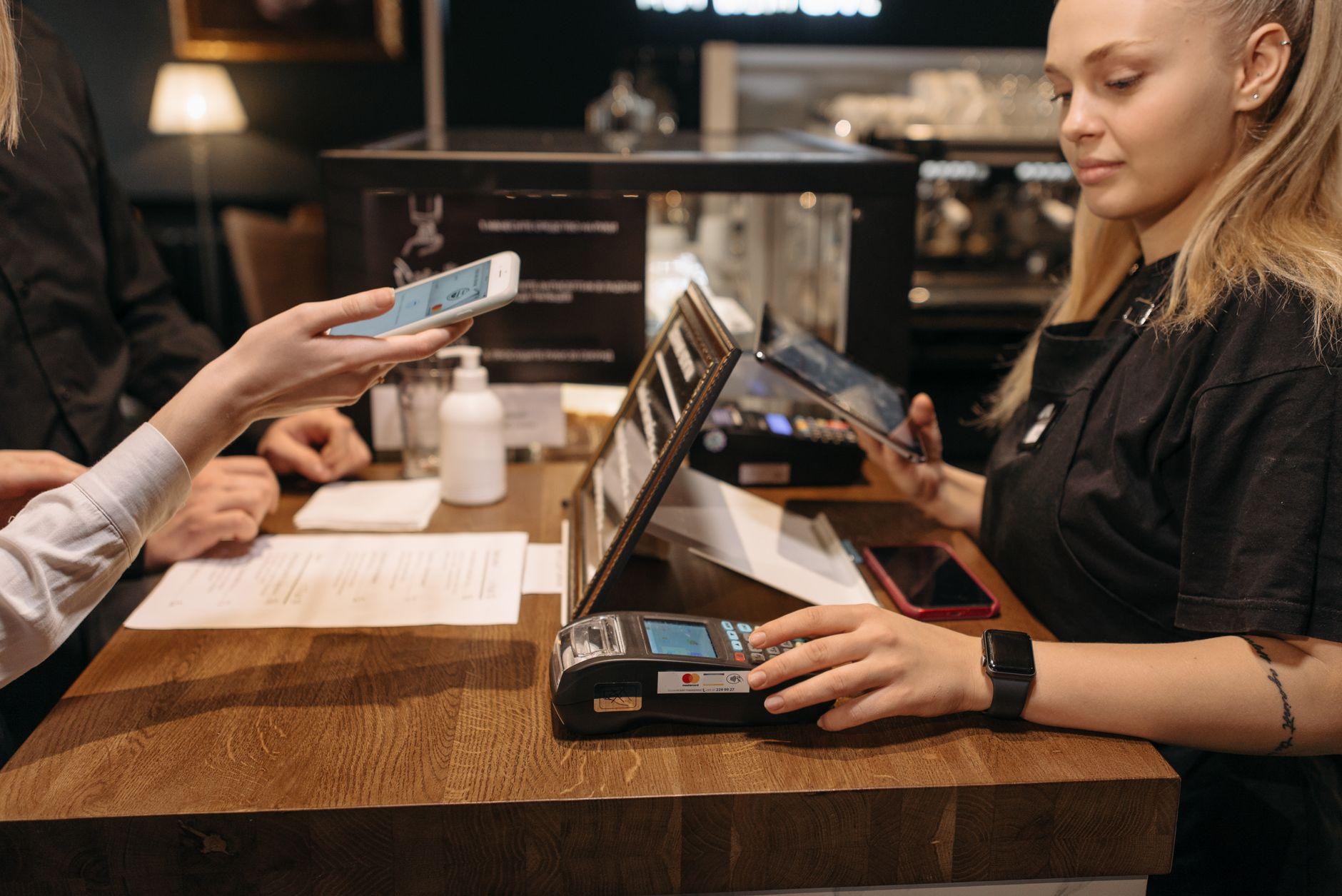
This one dies fast in El Poblado or Laureles. Walk into a café in Medellín and the counter has a printed QR code taped beside the register, usually labeled Nequi, Daviplata, or Bancolombia. The barista expects you to scan it. The fruit vendor outside has one laminated and hanging from the cart. Your Spanish teacher, your gym, the woman who sells almuerzo ejecutivo for lunch, all of them take QR transfers, and many of them visibly prefer it to handling bills.
Cash still matters in rural Colombia, on long bus routes through the coffee axis, and in small pueblos. But the idea that you need a thick envelope of pesos to survive daily life in a major Colombian city is a relic. Digital nomad hubs have gone heavily cashless, and the direction of travel is obvious: the QR code on the counter is the default, and cash is becoming the backup.
Myth two: card cloning is paranoia, just tap your Visa
Here is where Colombia differs from, say, Western Europe. Locals are genuinely wary of handing over physical cards, because card cloning (they call it clonación) has burned enough people that the fear is cultural, not theoretical. It is part of why QR payments spread so quickly here. A QR transfer never exposes a card number to a terminal, a skimmer, or a waiter who disappears with your card for three minutes.
So when you tap your foreign Visa at every opportunity, you are doing the thing locals deliberately stopped doing, and you are often paying foreign transaction fees and taking an opaque exchange rate for the privilege. Plenty of smaller merchants do not take cards at all. The dynamic verification question (pay in pesos or your home currency?) trips up travelers constantly. Locals solved all of this by moving to QR. The smart move is to follow them, not to out-stubborn them with plastic.
Myth three: you can just download Nequi like everyone else
This is the myth that wastes the most expat time. Nequi and Daviplata are brilliant, and yes, everyone in Colombia uses them. But they are built for Colombian residents. Signing up generally means a Colombian ID (a cédula de ciudadanía or de extranjería) and a Colombian mobile number, and funding the account means getting pesos into it somehow, which loops you back to the original problem of not having a local bank.
If you have a long-term visa and residency paperwork, by all means go through the process. But if you are a nomad on a few-month stint, or an expat still in the paperwork limbo that Colombian immigration is famous for, you do not need to force your way into a resident-only app to use the QR codes it reads. This is exactly the gap Moreta Pay exists for: you scan the same Nequi, Daviplata, or Bancolombia QR code the person ahead of you scanned, see the amount, the exchange rate, and the merchant name before confirming, and the merchant gets paid instantly in pesos. Your wallet is funded from your own bank at home (US bank via Plaid or ACH, SEPA, UK Faster Payments, Canadian e-Transfer) or an international card, in your own currency. No cédula, no Colombian bank account, no six-week wait.
If this pattern sounds familiar, it is because the same resident-only wall exists across Latin America. We wrote about the identical situation with Pix in Brazil, where the national QR system is everywhere and foreigners are locked out of the native apps.
Myth four: the ATM is your sensible fallback
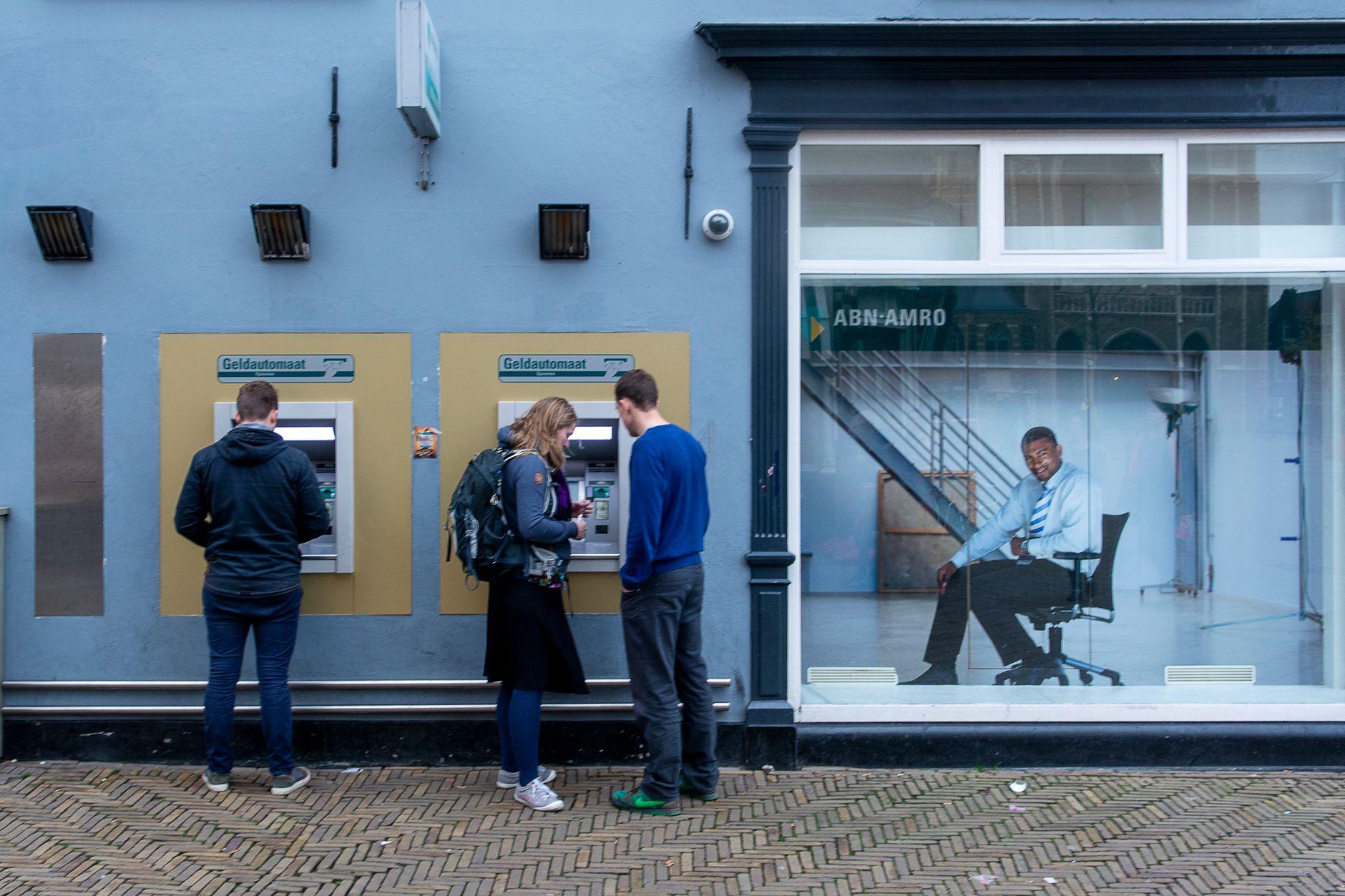
The ATM strategy in Colombia has three problems. First, withdrawal limits per transaction tend to be low relative to what you actually need, so you end up making multiple withdrawals and paying multiple fees. Second, between the local operator fee, your home bank's fee, and the rate applied, you rarely know what a withdrawal truly cost you until you check your statement later. Third, and most practically, standing at a street ATM counting out a brick of pesos is exactly the moment locals would tell you not to create. The common advice in Colombian cities, no dar papaya (do not make yourself an easy target), applies directly to cash handling.
Keep a modest cash reserve for pueblos, tips, and the occasional holdout tienda. But treating ATM runs as your primary payment strategy in a country where the corner bakery takes QR is choosing the worst option out of habit.
Myth five: QR codes are for empanadas, not real life
The street-food image undersells what Colombia's QR ecosystem actually covers. Rent paid to a landlord who gives you a Bancolombia QR. Utilities and mobile top-ups handled as bill payments. The dentist in Envigado, the coworking space in Laureles, the weekend finca booking, all payable the same way. And the ecosystem extends online: platforms like Trip.com and Agoda support QR-based checkout in many markets, so the flight to Cartagena or the hotel in Santa Marta can run through the same wallet you use for coffee. Moreta Pay handles those QR-based online payments and supported bill payments too, which means one funding source at home covers both your digital life and your physical one in Colombia.
Once you internalize that QR is the rail for nearly everything, the mental load of living in Colombia without a local bank account drops dramatically. There is no juggling between a cash budget, a card budget, and an online budget. There is one question: is there a QR code? In the cities, the answer is almost always yes.
What this looks like on an ordinary Tuesday
Morning tinto and pan de bono at the corner bakery, scan the Nequi code by the register. Metro card top-up with a bit of the cash reserve. Lunch at a corrientazo spot, scan the Daviplata code the owner points to. Afternoon at a coworking space, monthly fee paid against their Bancolombia QR. Groceries at the Exito or the neighborhood fruver, QR again. Evening Spanish class, the teacher sends her QR over WhatsApp. At no point did you visit an ATM, hand a card to a stranger, or wish you had a Colombian bank account.
That is the real texture of paying in Colombia in 2026, and it is available to you from the day you land, not the day your paperwork clears. Load a wallet before your flight and walk into Colombia's QR economy with Moreta Pay already set up.