

China is the country where the advice you got before arriving expires fastest. Friends who visited a decade ago remember counting out yuan notes. Guidebooks still talk about traveler-friendly ATMs. Meanwhile, the actual economy runs on two apps, WeChat Pay and Alipay, and the gap between what newcomers expect and what happens at the first restaurant counter is wide enough that people regularly leave meals half-ordered. So let's do this properly: take the most common beliefs about how to pay in China, and check them against reality one by one.
Belief one: cash is legal tender, so everyone has to accept it
Technically defensible. Practically misleading. Yes, the renminbi note in your pocket is money, and yes, refusing it outright is frowned upon. But the daily texture is different. The taxi driver sighs and rummages for change he does not have. The bubble tea shop has a cash drawer that has not been opened since the morning shift started. Self-service kiosks, shared bikes, many parking systems, and a growing number of small vendors simply have no cash path at all. You can insist, and sometimes it works, but you will spend your days negotiating rather than paying. Expats who live in China without cash are not making a lifestyle statement. They are just doing what everyone around them does.
Belief two: my Visa or Mastercard will cover the big stuff
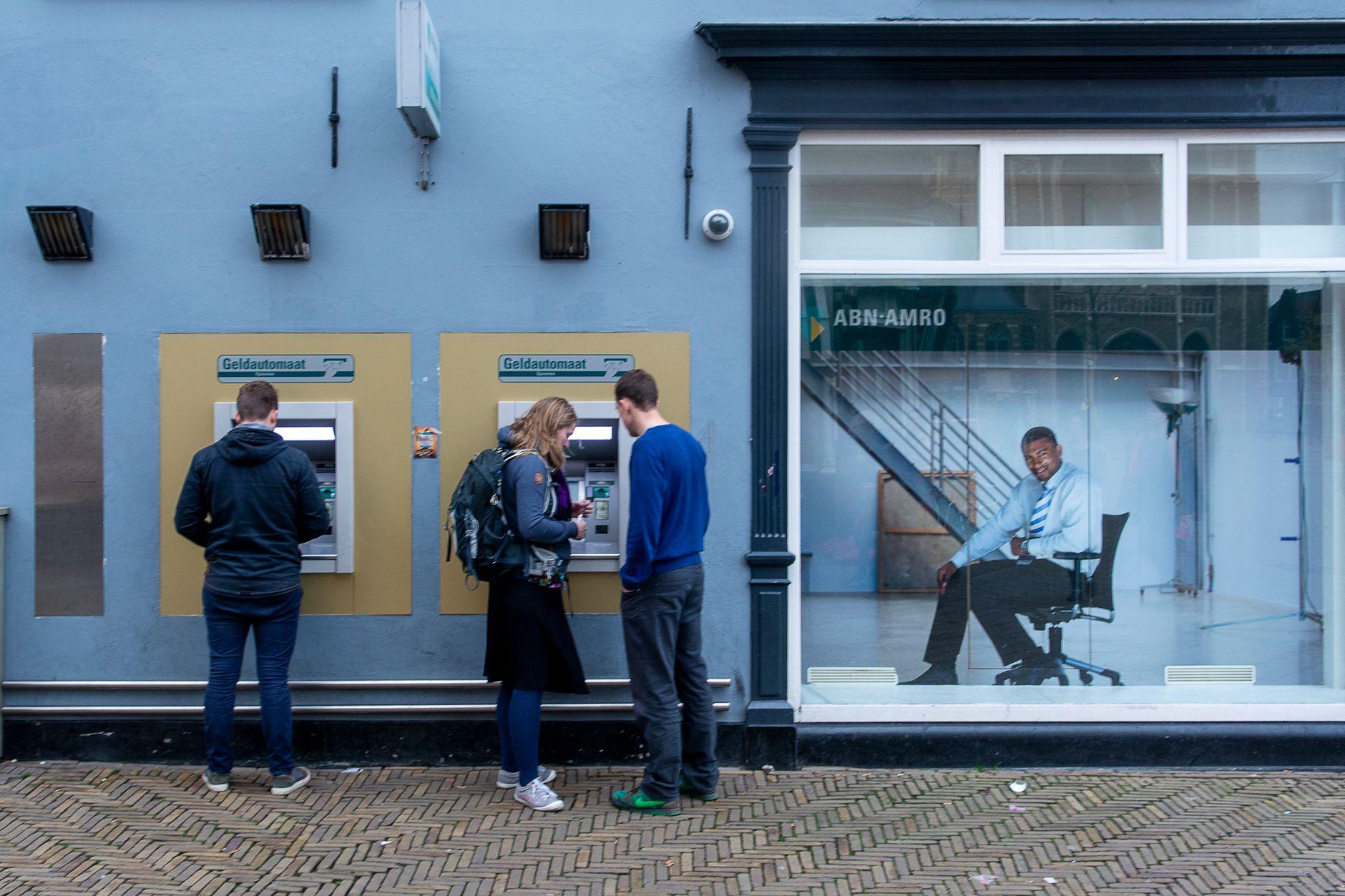
This one fails faster than people expect. International card acceptance in China is thin outside high-end hotels and a handful of shops aimed squarely at foreign tourists. The mid-range restaurant, the neighborhood supermarket, the train station convenience store: card terminals that take foreign networks are rare, and staff often do not know whether theirs does. Even where a card works, you inherit the usual problems of paying abroad on plastic, including the quiet markups we broke down in our piece on the 3% foreign transaction fee. Treat your physical card as a hotel and emergency tool in China, not a daily one.
Belief three: I'll just link my foreign card to WeChat Pay or Alipay when I land
Both ecosystems have opened doors for foreign cards in recent years, and for some visitors the linking process goes smoothly. For plenty of others it does not. Verification steps stall, cards from certain banks get rejected without explanation, and some merchants or transaction types quietly fall outside what a foreign-card-linked account can do. The frustrating part is the unpredictability: the setup that worked for the person in the seat next to you on the flight may fail for you, and you often discover the failure at a counter with a queue behind you. It is worth attempting, but it should not be your only plan. Arriving in China with exactly one payment method is how people end up standing in a restaurant doorway asking strangers to scan a code on their behalf.
Belief four: QR codes are just a shop thing
In China, the QR code is closer to a universal socket. Taxis expect it. The fruit vendor with a cart and a scale has a laminated code hanging from the handlebars. Street musicians display one. Utility bills, phone top-ups, and shared power banks all run through the same rails. Online, the pattern continues: checkout flows on platforms like Trip.com can present a QR code you scan with a wallet app rather than a card form. Once you can scan, the whole country opens up, from a bowl of noodles in a hutong to a hotel booking made from your sofa. Until you can scan, you are locked out of far more than shopping.
Belief five: you need a Chinese bank account to join the system
This was true for a long time, and it is the belief that causes the most anxiety for new expats, because opening a local account involves residence paperwork, patience, and often a visa category that short-term arrivals do not have. But the QR code on the counter does not check your residency. It just needs a wallet that speaks its language. This is exactly what Moreta Pay is built for: you top up the wallet from your own bank at home (US bank connection, ACH, SEPA, UK Faster Payments, Canadian e-Transfer) or an international card, in your own currency. In China, you scan the same WeChat Pay code the locals scan, see the amount, the FX rate, and the merchant name on your screen, and confirm. The merchant is paid instantly in yuan, and you never opened a Chinese account or touched an ATM to make it happen.
Belief six: two competing apps means double the confusion
WeChat Pay and Alipay do split the market, and most Chinese counters display codes for both, sometimes on the same laminated card. If you are curious why some countries end up with several codes taped to one register while others unify around a single standard, we explored that in our piece on why some counters print three QR codes and others just one. For your daily life, the practical takeaway is simpler than the market structure suggests: identify which code your setup can scan, and reach for that one every time. Vendors are used to foreigners hesitating over the duo and will usually point at the right sticker before you finish asking.
Belief seven: I should carry a thick stack of yuan as backup anyway
A modest amount of cash is sensible, the way a spare tire is sensible. A thick stack is a burden. Breaking a 100 yuan note at a small stall is a genuine imposition on the vendor, temples and some older establishments aside, and every cash withdrawal means finding an ATM that accepts your card, which in China is its own small quest. The better backup strategy is redundancy in digital methods: a linked-card attempt on one of the local apps if it works for you, plus a wallet like Moreta Pay funded from home, plus a small cash reserve for the rare cash-only moment. Three thin layers beat one thick one.
What a normal day actually looks like once you're set up
Morning: scan the code at the jianbing cart, confirm, eat. Midday: the office-district lunch spot where you order at a table QR and pay the same way. Afternoon: a Didi ride or a metro top-up, a delivery of water to the apartment, maybe a phone bill. Evening: splitting hotpot with friends who all paid by scanning before the plates were cleared. None of it involves a bank branch, a currency exchange counter, or an apologetic shrug at a cashier. That is the real story of China QR payments: not exotic, just frictionless, once you hold a wallet the system recognizes.
The myths persist because China changed faster than the advice about it. The counters moved on from cash, the cards never really arrived, and the QR code won. If you are heading there, or already staring down a WeChat Pay sticker you cannot use, set up Moreta Pay before your next meal out and scan the counter code like everyone else in line.