
Walk into a cafe in Sopocachi or a pharmacy in Equipetrol and you will see it taped to the counter: a QR code, usually printed on plain paper, sometimes laminated, often next to the till. That is QR Simple, Bolivia's interoperable QR payment standard, and in La Paz and Santa Cruz it is quietly becoming how people settle everyday bills.
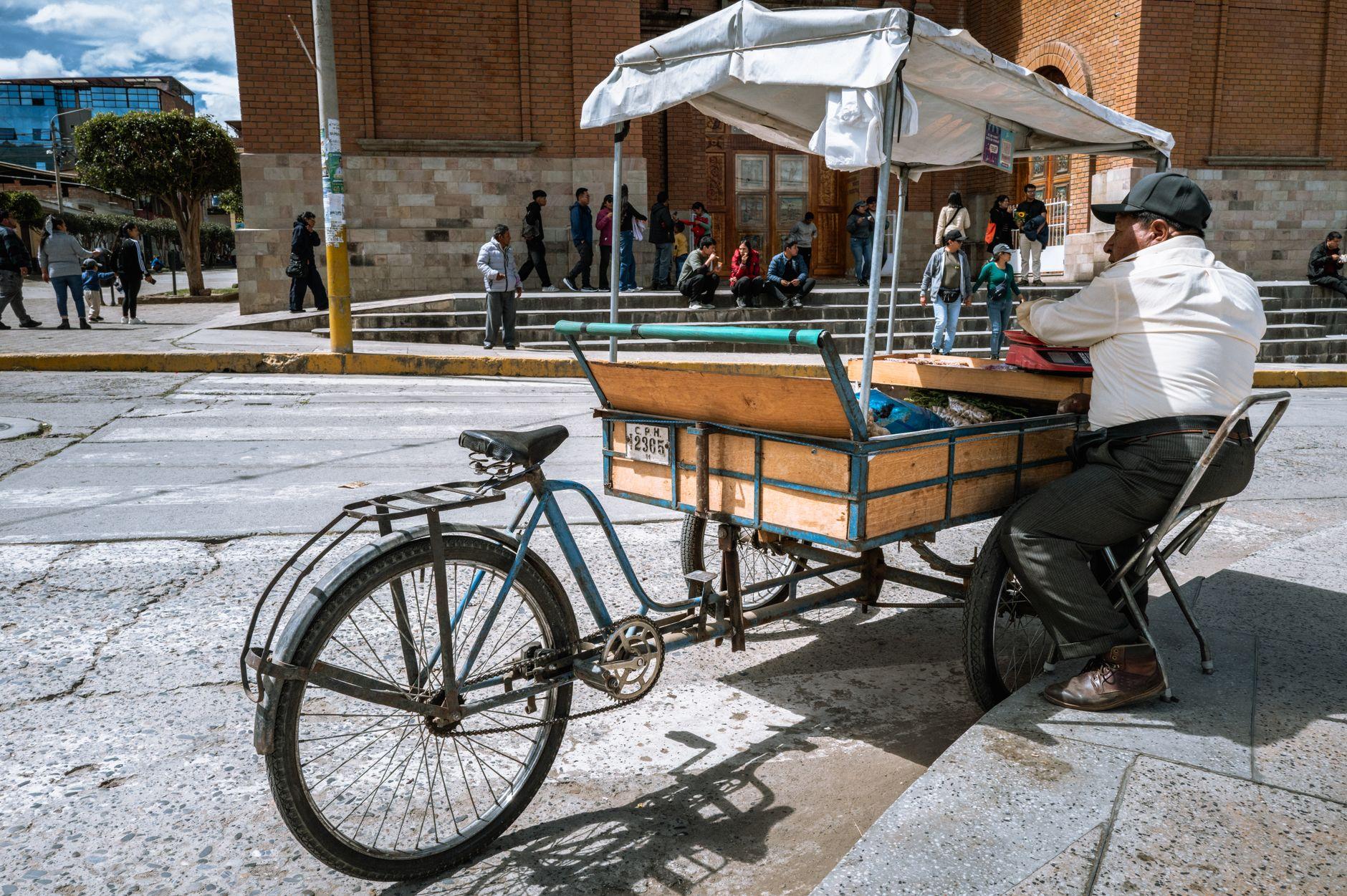
Then take a bus four hours out of either city and the picture flips completely. Bolivia outside its two biggest urban centers runs on cash, and not just any cash, but small bills, because nobody at a rural market wants to break a 200 boliviano note for a 7 boliviano salteña.
If you are an expat here without a Bolivian bank account, your whole payment strategy comes down to managing those two worlds at once. Here is how to do it.
What QR Simple actually is
QR Simple is the standardized QR format used across Bolivian banks. A merchant generates one code, and customers from different Bolivian banks can all scan it. That interoperability matters because it means shops only need to display a single code instead of a wall of competing stickers, something we have written about in why some countries print three QR codes at one counter and others print just one.
In practice, you will see QR Simple codes at supermarkets, cafes, pharmacies, gyms, hair salons, and increasingly at market stalls in La Paz and Santa Cruz. Some vendors have the code printed and taped up permanently. Others generate a fresh one on their phone for your exact amount and hold the screen out to you.
The catch for foreigners is the same one you hit everywhere in Latin America: the local apps that scan these codes are built on local bank accounts, and opening a Bolivian bank account as a non-resident ranges from tedious to impossible depending on your visa situation.
The workaround that does not involve a Bolivian bank
You have three realistic options as an expat in Bolivia:
- Cash for everything. Workable, but it chains you to ATMs, and as we will get to, that is a bigger problem in Bolivia than in most countries.
- A local friend's account. Some expats transfer informally to a Bolivian friend and have them pay. Fine for one dinner, miserable as a lifestyle.
- A wallet that scans local QR codes directly. This is where Moreta Pay fits. You top up the wallet from your home bank or card in your own currency, then scan the same QR Simple codes locals use. The app shows you the amount in bolivianos, the merchant name, and the exact exchange rate before you confirm, and the merchant gets paid instantly in their own currency.
That third option is the one that lets you behave like a local in the city without pretending you are one on paper. No Bolivian ID, no account opening appointment, no minimum balance in a currency you may not stay in.
The ATM situation is worse than you expect
Here is the part that catches new arrivals off guard. In La Paz, Santa Cruz, and Cochabamba, you can generally find ATMs that accept foreign cards, though not every machine and not every network. Outside those cities, machines that take an international card get scarce fast.
Planning a trip to the Salar de Uyuni? Uyuni town is not the place to discover your card does not work. Heading to Copacabana on Lake Titicaca, or down to Samaipata, or into the Yungas? Withdraw before you leave the city, full stop.
This creates an awkward dependency: the places where cash is most essential are exactly the places where getting cash is hardest. The sane strategy is to treat big-city time as your provisioning window. While you are in La Paz or Santa Cruz, pay your daily life by QR so you are not burning through your cash reserve, and keep the paper money for the trips where QR does not reach.
A day in La Paz without touching cash
Here is what the QR-first version of city life looks like once you are set up:
- Morning coffee in San Miguel: QR code taped by the register, scan, confirm, done.
- Groceries at a Ketal or Hipermaxi: pay at the till by QR.
- Lunch at a mid-range restaurant: the server brings the code on a phone or a printed card with the bill.
- Pharmacy run, a haircut, a coworking day pass: all increasingly QR-friendly in the main commercial zones.
With Moreta Pay, each of those scans pulls from the balance you loaded from home, converted at a rate you see on screen before you tap confirm. No hunting for an ATM mid-errand, no mystery foreign transaction fee showing up on a statement three days later.
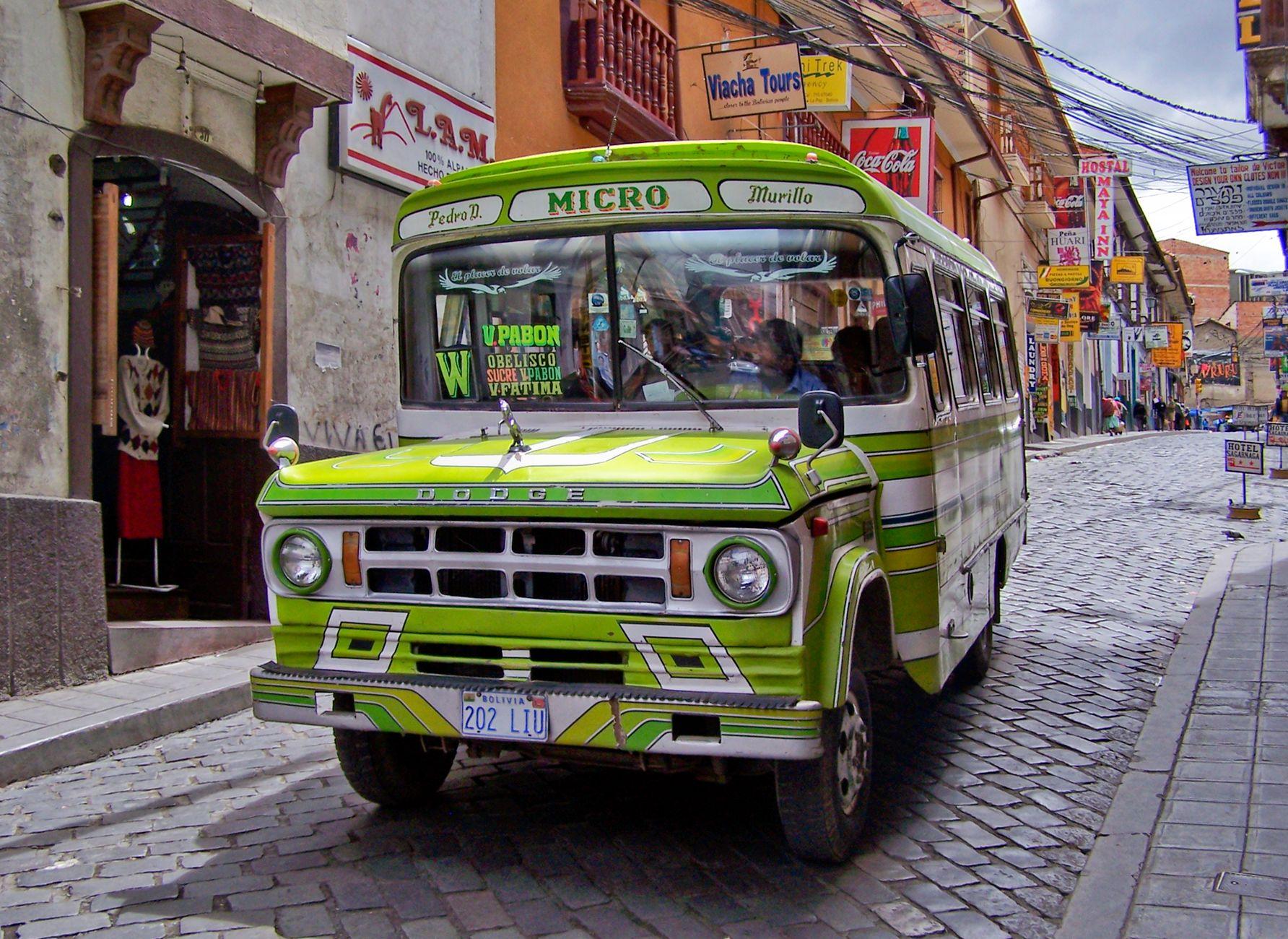
What still wants cash even in the city: micros and trufis (the shared minibuses that are the backbone of urban transport), many street food vendors, tips, and the smallest market stalls. Keep 50 to 100 bolivianos in small bills on you at all times and you will rarely be stuck.
The small-bill economy
One habit worth adopting early: hoard change. Bolivian vendors outside formal shops often cannot break large notes, and asking a juice vendor to change a 100 for a 6 boliviano cup will earn you a long sigh. When you do withdraw cash, break the big notes at supermarkets and chain pharmacies, which can handle them, and save the small bills for everyone else.
This is another quiet argument for paying by QR wherever it is accepted. Every cafe and supermarket you pay by scan is a transaction that does not eat your precious small bills, which stay reserved for the trufi and the market.
How Bolivia compares to its neighbors
If you have crossed over from Brazil, you will notice QR Simple is not yet as omnipresent as Pix, where even beach vendors scan. If you have come from Argentina, the FX picture here is mercifully simpler, though the no-local-bank problem is similar to what we covered in our Argentina payments guide. Bolivia sits in the middle: a real, growing QR ecosystem in two cities, and a firmly cash-based economy around them.
The trajectory, though, is clear. More counters in La Paz and Santa Cruz get a QR Simple code every month, and the expats who are set up to scan them spend noticeably less of their week managing paper money.
Your setup checklist before you land
- Install and fund a QR-capable wallet before you arrive, so your first coffee in La Paz can already be a scan.
- Plan your first ATM withdrawal for the airport or city center, and break the big notes immediately.
- Before any trip outside La Paz, Santa Cruz, or Cochabamba, withdraw enough cash for the entire trip plus a buffer.
- Keep a small-bill stash separate from your main cash so transport and street food never leave you fumbling.
That is really the whole system: QR for the city, cash for the road, and a wallet funded from home so you never need a Bolivian bank to make either side work. If Bolivia is on your 2026 horizon, get Moreta Pay loaded before you board and you can scan your first QR Simple code the same afternoon you land.