
You booked the flight, downloaded the offline maps, maybe practiced saying cam on. Then someone mentions that your credit card is going to be useless at the bun cha place, and suddenly you have questions. Good. These are the ones travelers actually type into search bars before landing in Hanoi or Ho Chi Minh City, answered directly.
Will my foreign credit card work in Vietnam?
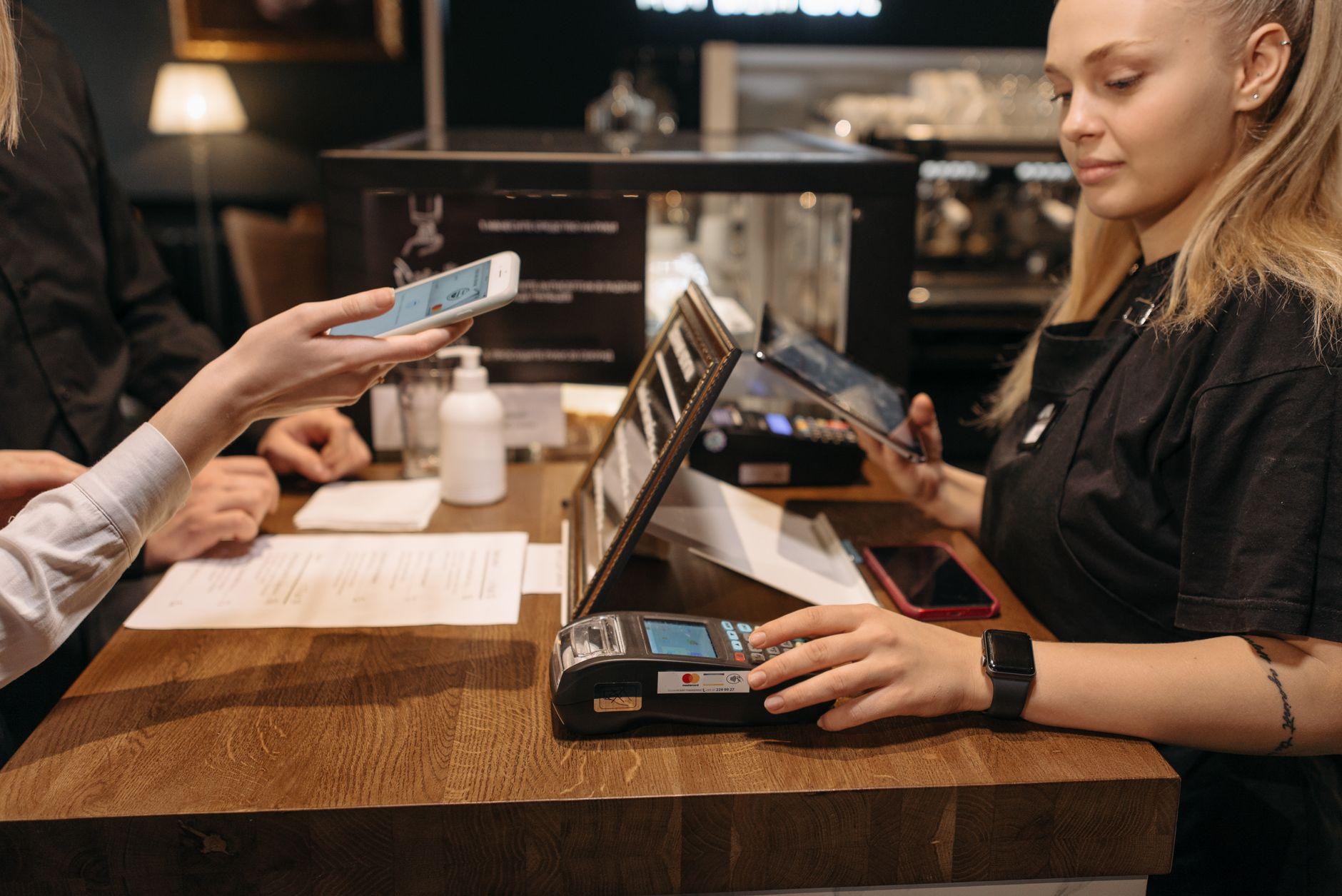
In hotels, shopping malls, and upscale restaurants in the big cities, usually yes. Almost everywhere else, do not count on it. The banh mi cart, the neighborhood com tam shop, the tailor in Hoi An, the mechanic who fixes your rented motorbike, none of them are running a card terminal for you. Some mid-range places technically have one, but it lives in a drawer and has a decent chance of being declared broken when you ask. In Vietnam, card acceptance is the exception, not the rule. Plan around that and nothing will surprise you.
What is the laminated QR code sitting on every counter?
That is VietQR, the interbank QR standard that Vietnamese banks share. A vendor prints their code once, laminates it or tapes it to the register, and from then on anyone with a Vietnamese banking app can scan it and pay straight from their account. It is the reason a street vendor with a plastic stool and a charcoal grill can accept digital payments without any hardware at all. We went deep on how that system took over the country in our earlier piece on the laminated QR card economy, but the short version is: those codes are everywhere, and they work.
Can I use VietQR without a Vietnamese bank account?
Not through a Vietnamese banking app, no. Those apps generally require a local account, which means local paperwork, a Vietnamese phone number, and often residency documentation that a traveler or short-stay nomad simply does not have. This is the gap Moreta Pay was built for. You top up a wallet from your home bank (US banks via Plaid or ACH, European SEPA, UK Faster Payments, Canadian e-Transfer) or an international card, in your own currency. Then you scan the exact same VietQR code the locals scan. The app shows you the amount, the exchange rate, and the merchant's name before you confirm, converts your balance to dong, and pays the vendor instantly. From their side, it looks like any other QR payment of the day.
Do street vendors and tiny cafes really take QR payments?
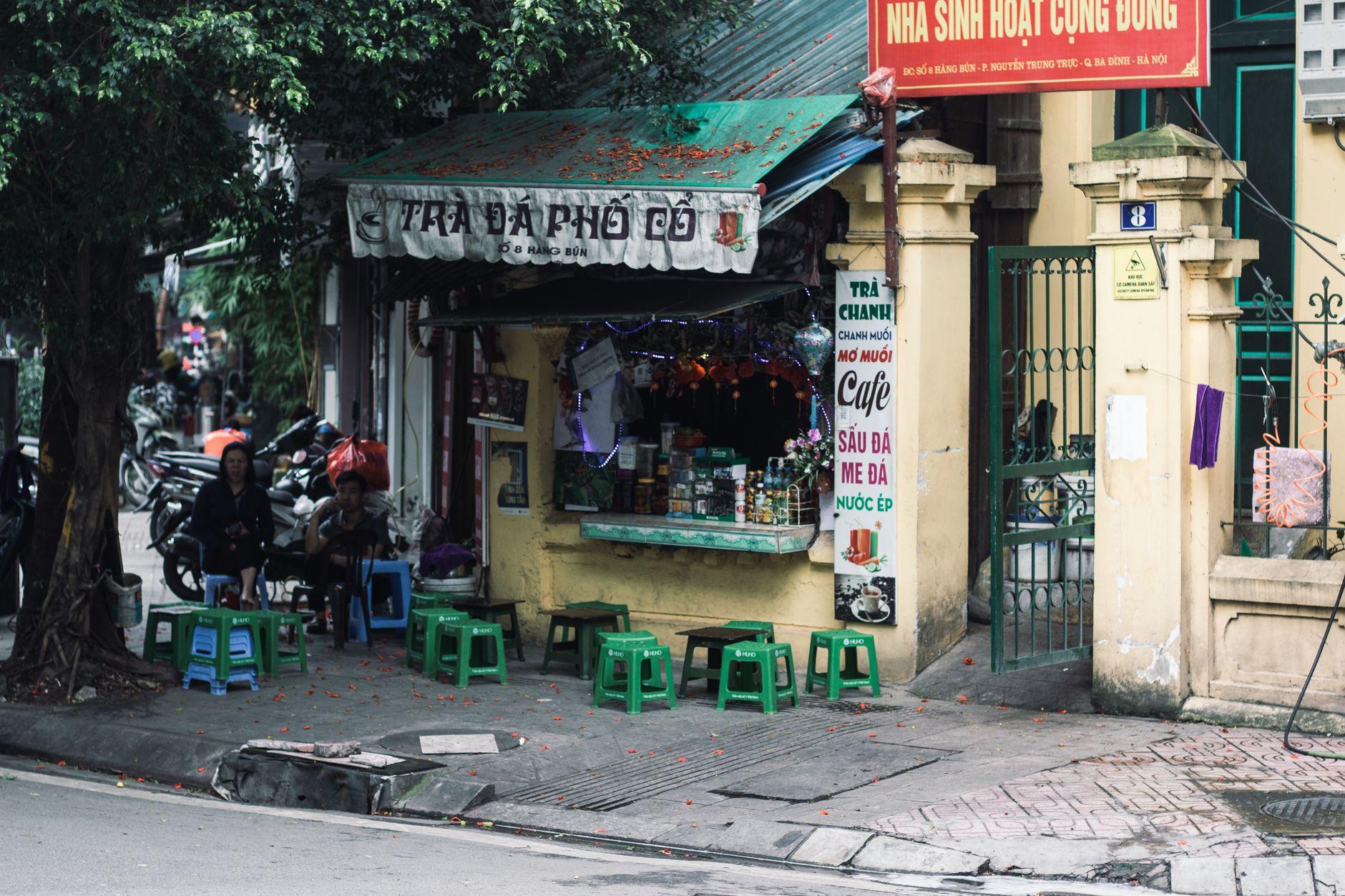
Yes, and more of them every month. The ca phe sua da cart, the lady selling sticky rice from a basket, the pho shop with six tables, the fruit vendor at the wet market, it is entirely normal for all of them to have a code taped up. Cash is still widely used, especially among older vendors, but QR is growing fast and vendors genuinely like it: no making change, no counting notes at closing time. If you see a code, you can use it. If the amount is not embedded in the code, you will enter it yourself, so glance at the menu board or ask first.
How much cash should I still carry in Vietnam?
Some, always. Think of dong as your backup, not your main plan. You want it for the occasional cash-only holdout, for very rural stretches, for the market auntie who waves off your phone with a smile, and for places where the mobile signal dies. Keep small notes if you can. Breaking a 500,000 dong note at a 25,000 dong coffee stand is a minor social event, and not one the vendor enjoys.
The prices have so many zeros. How do I avoid overpaying?
This is a real hazard with cash. Vietnamese notes come in big denominations, several of them share similar colors, and handing over 500,000 when you meant 50,000 is a classic first-week mistake. QR payments quietly solve this. The exact amount appears on your screen in digits, you see what it converts to in your own currency, and you confirm or you do not. No squinting at banknotes under a streetlight doing mental division.
Can I pay for online bookings and shopping the same way?
Often, yes. Vietnamese e-commerce and travel platforms lean heavily on QR at checkout, and Moreta Pay handles QR-based online payments on platforms like Shopee, Lazada, Agoda, and Trip.com. So the same wallet that buys your morning coffee can settle your Da Nang hotel booking or that impulse Shopee order for a raincoat once the monsoon catches you in Hue.
Is QR cheaper than just hitting the ATM?
For most visitors, the ATM routine is where money quietly leaks: withdrawal fees, your home bank's foreign transaction charges, and the dynamic currency conversion trap where the machine offers to charge you in your home currency at a rate that favors the machine. Paying by QR from a wallet that shows you the exchange rate upfront, with no hidden foreign transaction fees, removes the guesswork. You see the rate, you see the dong amount, you decide. There is also the unglamorous benefit of simply not carrying a brick of cash around a crowded night market.
What about outside the big cities?
QR has spread far beyond Hanoi and Saigon. Tourist towns like Hoi An, Da Lat, and Phu Quoc are well covered, and you will find codes in provincial towns you have never heard of. The further you get from a town center, into the northern mountains or deep in the Mekong Delta, the more cash reasserts itself. The practical rule: scan where you can, which will be most of the time, and keep a modest cash reserve for everywhere else.
I'm continuing on to Thailand or Cambodia. Does any of this carry over?
The habit carries over perfectly, because the whole region runs on national QR systems: PromptPay in Thailand, KHQR in Cambodia, DuitNow in Malaysia. The codes look different and the currencies change, but the gesture is identical. If Thailand is next on your route, our PromptPay guide covers what to expect on the other side of the border.
What should I do before my flight lands?
Three things. Set up your wallet and connect your home bank or card while you still have fast, familiar wifi. Top it up so you are ready the moment you clear immigration. And exchange or withdraw a small amount of dong for your backup stash, small notes preferred. Do that, and your first ca phe sua da can be a scan-and-sip affair instead of a fumble through unfamiliar banknotes. Get Moreta Pay set up before you board, and arrive in Vietnam already paying like you live there.