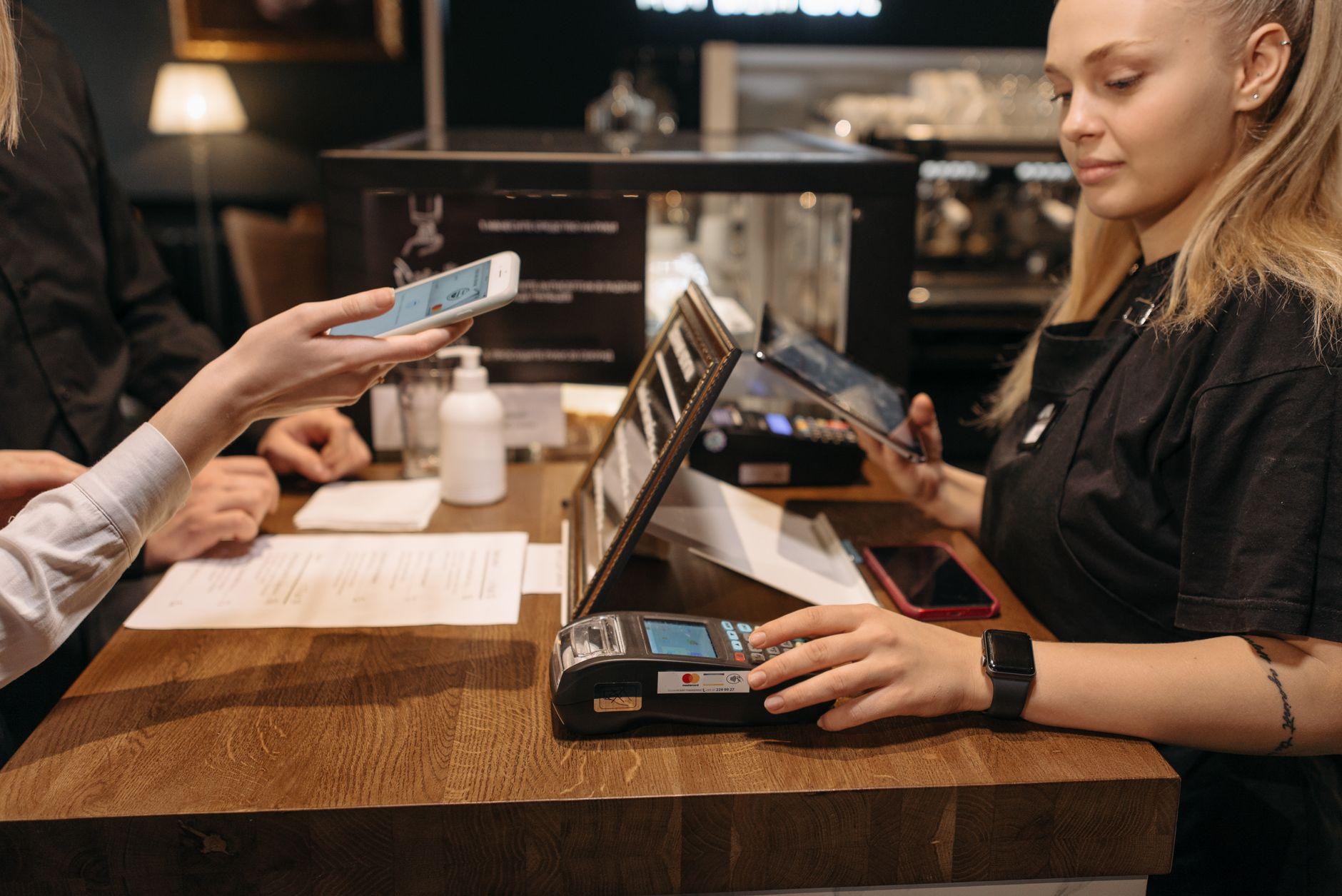

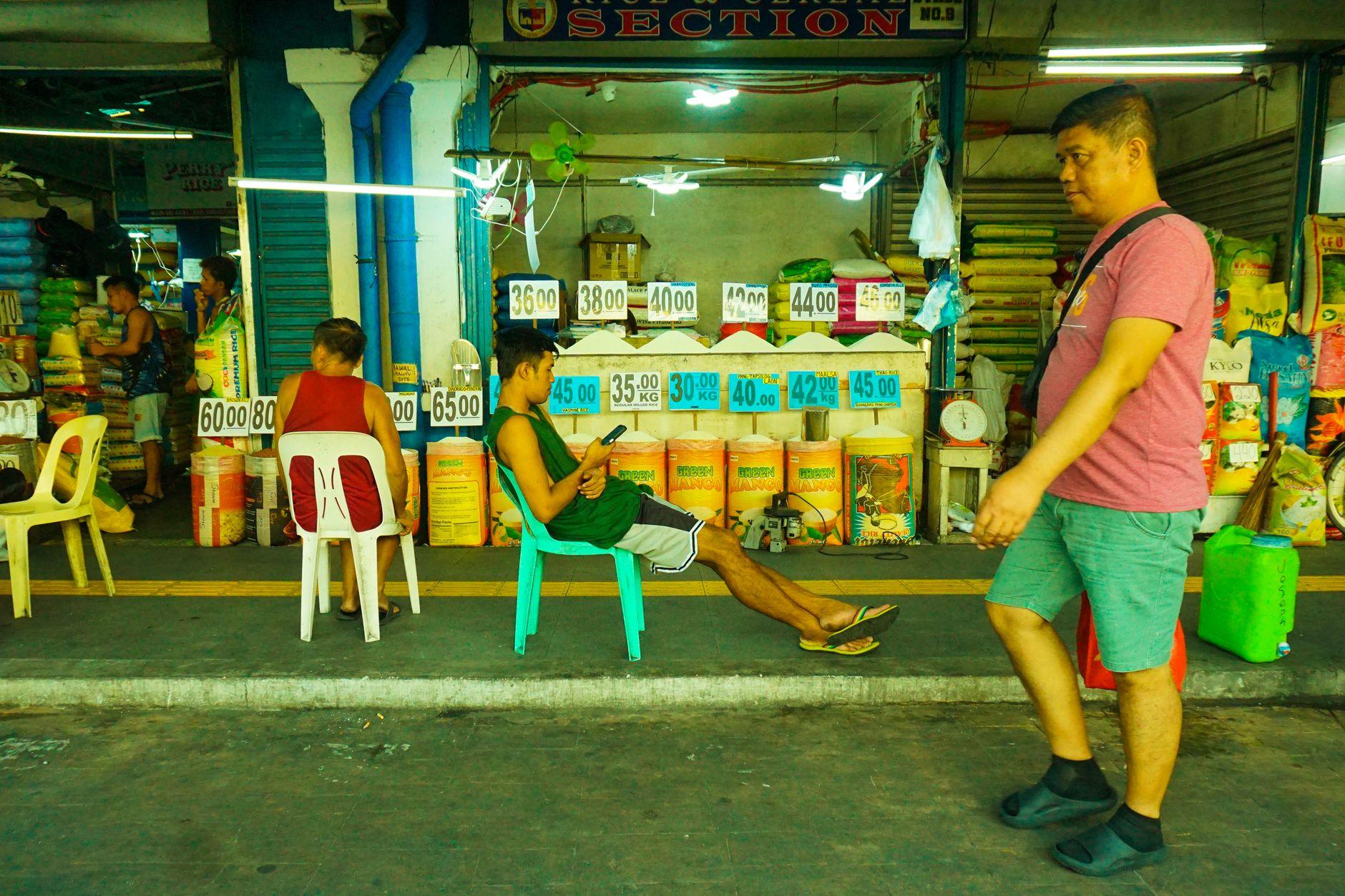
You're standing at a fruit cart in Cebu, holding the best mango of your life, and you've just handed the vendor a 1,000 peso bill for a 60 peso purchase. She sighs, calls over to the neighboring stall, waits, shrugs. No change. Meanwhile the woman behind you lifts her phone, points it at a laminated square taped to the cart's umbrella pole, taps twice, and walks off with three mangoes before you've finished apologizing.
That laminated square is a QR Ph code, and it is quietly the answer to almost every payment headache a traveler has in the Philippines. The catch is that the apps locals use to scan it don't want you. Here's how to get in anyway.
One Sticker That Takes Every Wallet
QR Ph is the Philippines' unified QR payment standard, and in 2026 it's genuinely everywhere in cities and tourist towns: carinderias, sari-sari stores, taxi dashboards in Manila, dive shops in Moalboal, coffee roasters in Baguio. The beauty of a national standard is interoperability. A merchant prints one code, and any compatible wallet can pay it. GCash users scan it, Maya users scan it, bank app users scan it.
That matters for you because it means you don't need the same app the merchant uses. You need any app that speaks QR Ph. Moreta Pay does, which is how a visitor with no Philippine bank account and no local SIM can scan the exact same sticker the locals do, see the amount and the exchange rate from their home currency, and confirm. The merchant gets pesos instantly and never knows or cares that you're paying from a wallet funded by a US bank account or a European SEPA transfer.
Why the Local Apps Are a Dead End for Visitors
Every Filipino friend, every Facebook group, every well-meaning hostel owner will tell you to download GCash. The advice is sincere and mostly useless. GCash and Maya verification is built around a Philippine mobile number and locally accepted ID, and foreigners routinely hit a wall partway through signup, or get verified only to find top-up options that assume a local bank. We went deep on this in our breakdown of what the "just get GCash" advice leaves out, but the short version for travelers is simple: don't burn your first day in Manila queuing for a SIM so you can attempt a verification process that may still reject you.
The smarter move is to arrive with a QR Ph-capable wallet already loaded. Top up Moreta Pay from your home bank or card before your flight, in your own currency, and you're ready to scan from the moment you clear immigration.
The Island Math Nobody Warns You About
Here's the part that's specific to the Philippines and catches people every trip. This is a country of thousands of islands, and the good ones often don't have reliable ATMs. Think about a typical itinerary: fly into Manila or Cebu, hop to El Nido or Siargao or Port Barton, spend a week hopping between beaches by bangka boat.
In the city, ATMs are everywhere. On the islands, you might find one machine in town that's out of cash by Friday afternoon, offline during a brownout, or capped at a withdrawal amount that barely covers two nights of accommodation. Travelers end up planning entire days around cash logistics: the boat to town, the queue, the backup machine, the fee on top of your bank's fee on top of a marked-up rate.
QR payments flip that math. The island resort that can't keep an ATM stocked very often does have a QR Ph code at reception, because the owner banks by phone like everyone else. The island-hopping tour operator in El Nido takes QR deposits. So does the smoothie shack in General Luna. Your phone works where the ATM doesn't, as long as there's signal.
What a Cashless Day Actually Looks Like Here
To make it concrete, here's a realistic day in Cebu or Palawan paying almost entirely by QR:
- Morning: Silog breakfast at a small eatery. Laminated QR Ph code taped to the counter by the register. Scan, check the peso amount and the FX rate on screen, confirm, show the owner the success screen.
- Midday: Grab ride or metered taxi in the city. Many drivers display a QR code on the dashboard. Where they don't, this is one of your cash moments (more on that below).
- Afternoon: Scooter rental, dive shop deposit, or an island-hopping booking. Larger amounts are exactly where QR shines, because you're not draining your cash reserve or hunting for an ATM to cover them.
- Evening: Night market food stalls. Hit or miss, but the hit rate climbs every year. Vendors who take GCash take QR Ph, and a wallet like Moreta Pay pays those same codes.
- Online: Booking the next leg on Trip.com or Agoda, or ordering gear on Lazada or Shopee for delivery to your hotel, can also go through QR checkout rather than a card that triggers foreign transaction fees or a fraud block.
If you've traveled elsewhere in the region, this rhythm will feel familiar. It's the same muscle memory as paying with PromptPay in Thailand, just with a different sticker on the counter.
Keep Some Pesos Anyway, Just Fewer of Them
Honesty time: cash is still king in the provinces, and pretending otherwise will strand you. Carry pesos for tricycle rides, jeepney fares, habal-habal motorbike taxis, small-town palengkes, environmental fees collected at beaches and waterfalls, and tips for boat crews. Keep small bills especially, because the 1,000 peso note problem from that mango cart is real everywhere.
The shift is in proportion. Instead of withdrawing enough cash to fund an entire week on an island, you carry a modest float for the QR holdouts and let your phone handle rent, restaurants, tours, shops, and bookings. One ATM visit instead of five. A few hundred pesos in your pocket instead of a vulnerable brick of them in your bag.
Set Up Before Wheels Down
A quick pre-flight checklist for paying in the Philippines without cash anxiety: download your QR wallet at home, connect your bank or card while you still have fast wifi, top up in your own currency, and test that you understand the confirm screen (amount, merchant name, FX rate, done). Then keep a small peso float for the tricycles and the beach fees, and stop thinking about money logistics entirely.
The vendors, the dive shops, and the smoothie shacks are already on QR Ph. Get Moreta Pay set up before you land and you'll be scanning right alongside them from your very first mango.