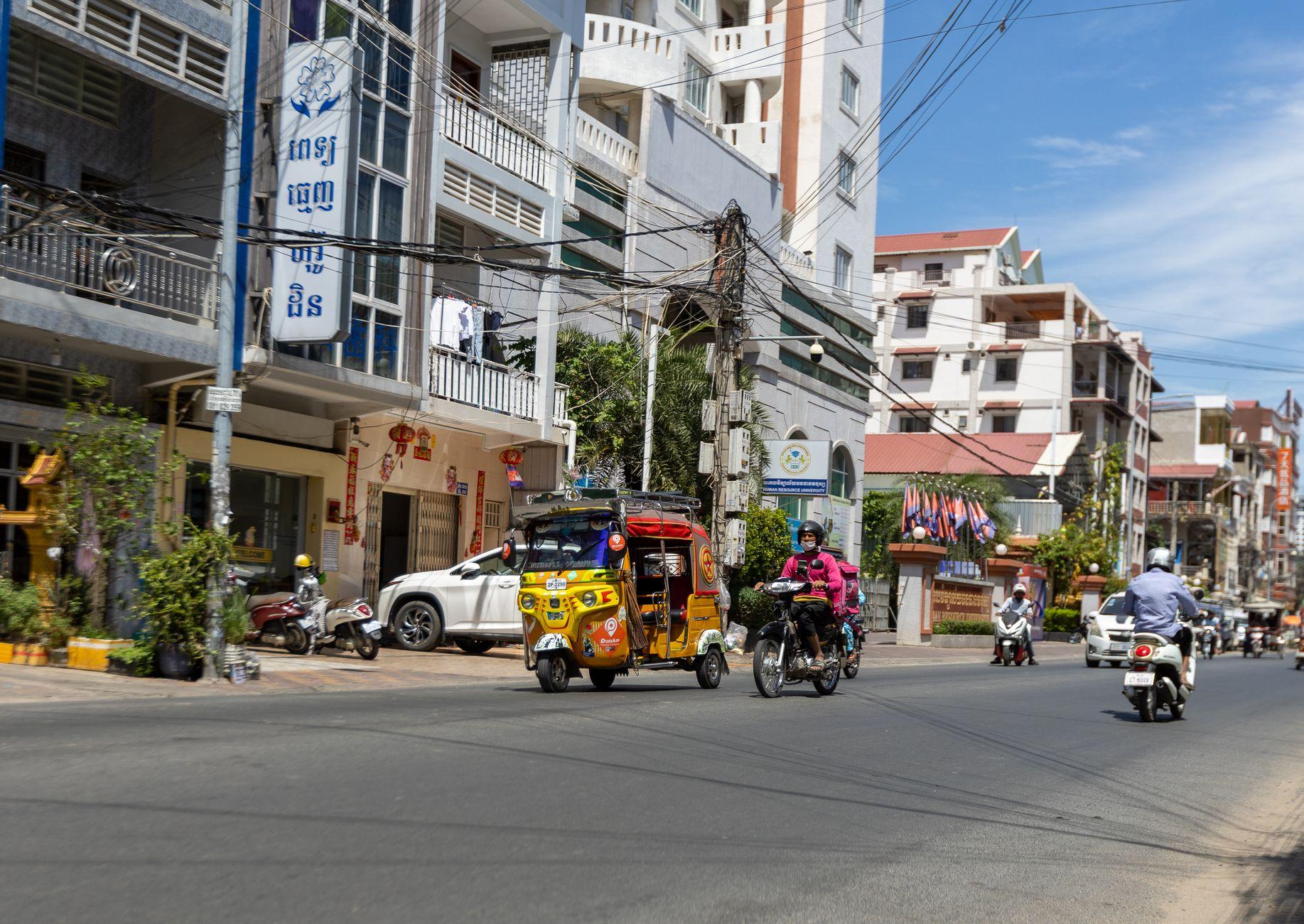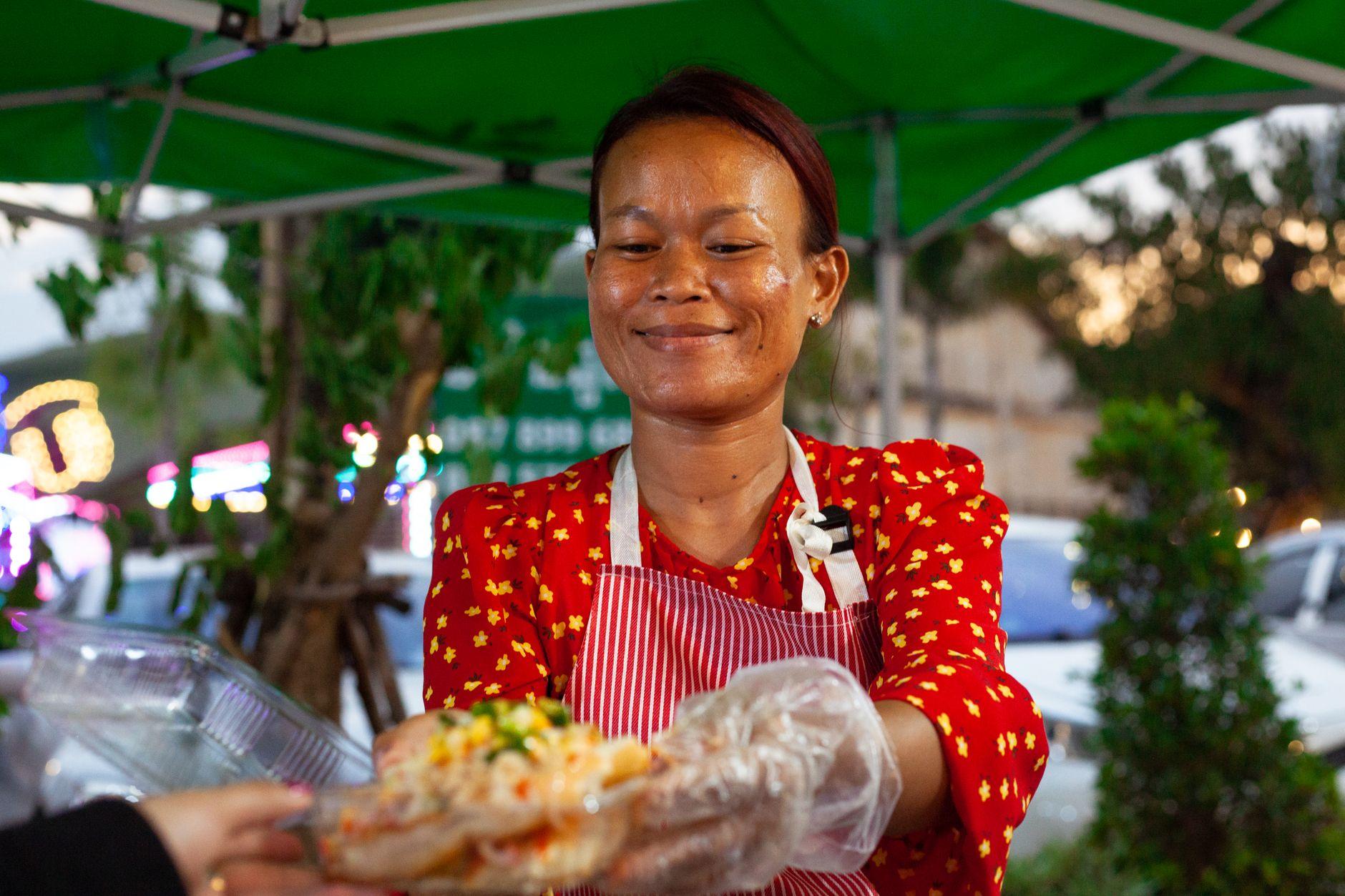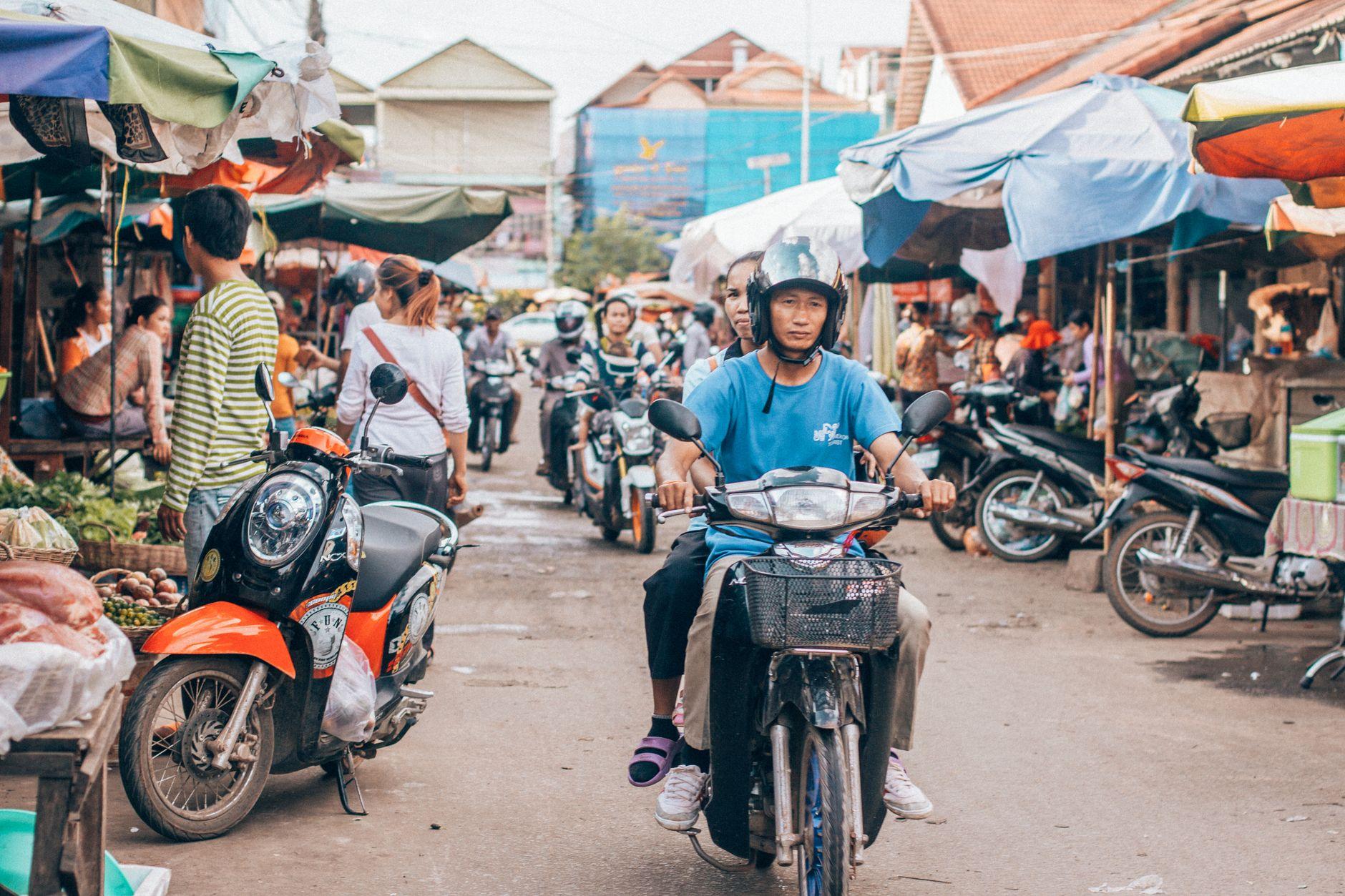

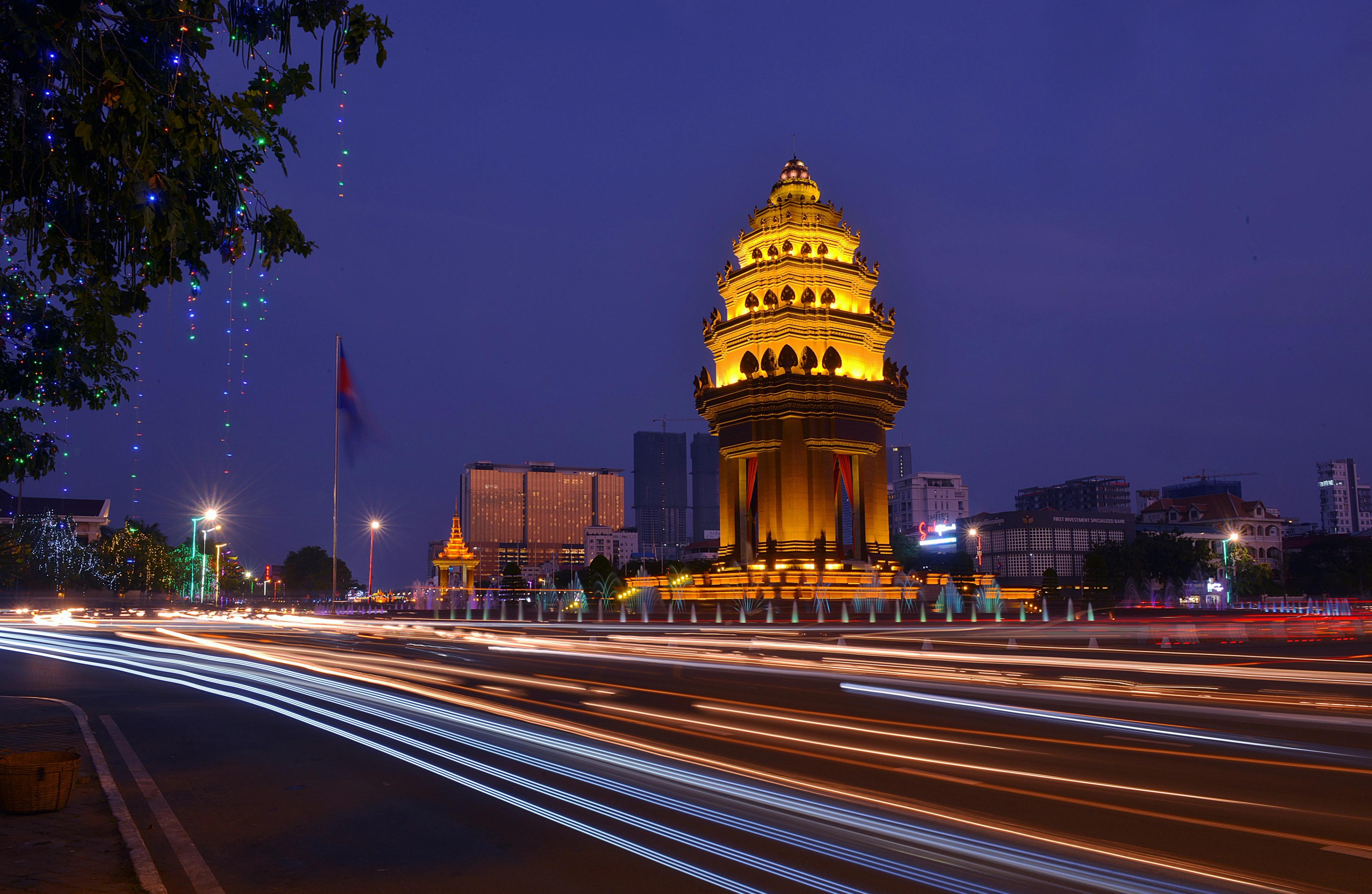
The woman selling num pang outside Kandal Market in Phnom Penh doesn't have a cash register. She has a baguette station, a squeeze bottle of chili sauce, and a laminated card zip-tied to her cart with a red QR code on it. I handed her a slightly torn five-dollar bill once, back in 2022, and she handed it right back. Too damaged. Wouldn't be accepted anywhere. These days the question doesn't even come up — you scan, she nods, and the line moves.
That red square is called KHQR, and in about four years it has done something almost no one predicted: it turned one of the most cash-dependent, under-banked countries in Southeast Asia into a place where street vendors get annoyed when you don't pay by phone.
Cash in Cambodia Was Never Simple
To understand why QR payments swallowed Cambodia so fast, you have to understand what they replaced. Cambodia runs on two currencies at once. Big purchases happen in US dollars. Small change comes back in Cambodian riel, at roughly 4,000 to the dollar. Buy a $2.50 coffee with a five, and you'll get two dollars plus a small stack of riel notes in return, and you'll do that math all day, every day.
Then there's the condition problem. Cambodian banks and shops famously refuse dollar bills with tears, ink stamps, or too many wrinkles. Travelers have been caught out by this for decades — you arrive with cash from home, and a third of it turns out to be unspendable. A payment system where the money can't rip was always going to have a certain appeal here.
So while people in card-heavy countries saw QR codes as a mild convenience, Cambodians saw them as a way out of a genuinely annoying daily ritual. That's the pattern with QR adoption almost everywhere it wins big — it fixes a local pain point, the way inflation drove Argentina into the arms of QR. Convenience alone doesn't change behavior. Friction does.
A Central Bank That Shipped an App
The unlikely hero of this story is the National Bank of Cambodia, which did something central banks almost never do: it built consumer-facing tech that people actually use.
In October 2020, the NBC launched Bakong, a blockchain-based payment backbone that connects the country's banks and mobile wallets into one system. Instead of every bank building its own walled garden — the fate that fragmented mobile payments in plenty of other countries — Bakong made them all interoperable from day one. Your ABA account can pay a Wing wallet can pay an ACLEDA merchant, instantly, for free.
Then came the masterstroke: KHQR, a single national QR standard rolled out across every bank and wallet in the system. One code per merchant. Any app can scan it. The vendor doesn't care which bank you use, and neither does the system.
The results have been dramatic even by Southeast Asian standards. Mobile banking users in Cambodia passed 10 million this year — in a country of about 17 million people — and KHQR payments now move more than $105 billion a year. For scale, that's several times Cambodia's entire GDP, circulating through little red squares taped to noodle carts.
The Riel Is Making a Comeback
Here's a subplot most visitors miss. Cambodia has spent decades trying to nudge its economy away from the US dollar and back toward its own currency, with limited success. It turns out the thing that finally moved the needle wasn't a policy or a campaign. It was the QR code.
Paying by phone removes the whole reason people preferred dollars in the first place — no worn-out notes, no change-counting, no mental math. Riel transactions through Bakong have grown more than 300% in volume over the past five years, according to central bank figures. When the money is digital, nobody cares what color the banknote would have been. Quietly, scan by scan, Cambodia is de-dollarizing itself.
From Phnom Penh to the Rice Fields
The first wave of adoption was predictable: coffee shops in BKK1, malls, the mini-mart chains. The second wave is the interesting one. KHQR stickers now show up at village grocery stalls, roadside fruit stands, and rural markets in provinces where the nearest bank branch might be an hour away by moto.
For a lot of rural Cambodians, a Bakong-connected wallet is the first financial account they've ever held. A farmer can get paid for produce without anyone carrying cash down a dirt road. A shop owner in Kampot can restock from a supplier in Phnom Penh with a transfer that costs nothing and arrives instantly. It's not perfect — smartphone access and patchy signal are still real barriers, and plenty of older vendors keep a cash box going alongside the code — but the direction is unmistakable.
The Borders Are Dissolving Too
Cambodia hasn't stopped at its own edges. Through a series of bilateral deals, KHQR now plugs into the QR systems of its neighbors. Thai tourists scan KHQR with their Thai banking apps and pay straight from baht. The same works with Vietnam and Laos. Chinese visitors can pay Cambodian merchants through UnionPay and Alipay. A Cambodian traveler, meanwhile, can stand in a Bangkok street market and pay a Thai vendor in riel with the same app they use at home.
If you zoom out, ASEAN is slowly wiring itself into one big scannable region, and Cambodia — a country that barely had ATMs twenty-five years ago — is one of the more enthusiastic builders. Nobody involved seems interested in waiting for credit cards to catch on first. Cambodia is simply skipping that chapter, the same leapfrog we've watched play out from China to Peru.
What This Means If You're Visiting
Practical reality: your foreign Visa or Mastercard still works at hotels and bigger restaurants, but the moment you step into a market, a tuk-tuk, or anywhere interesting, you're in QR country. The National Bank even launched a Bakong Tourists app so visitors can top up and scan at more than 3 million payment points — proof of how seriously Cambodia wants travelers inside the system rather than fumbling with cash outside it.
Bring some crisp dollars as a backup, because this is still Cambodia and a little cash never hurts. But know that the torn-bill anxiety, the pockets full of riel, the "do you have change for a twenty" dance — all of that is becoming optional. The num pang lady has moved on. You can too.
Traveling through the region and want one wallet that scans local QR codes across Southeast Asia? That's exactly what Moreta was built for. Download the app, top up, and pay like a local from Phnom Penh to Bangkok.