
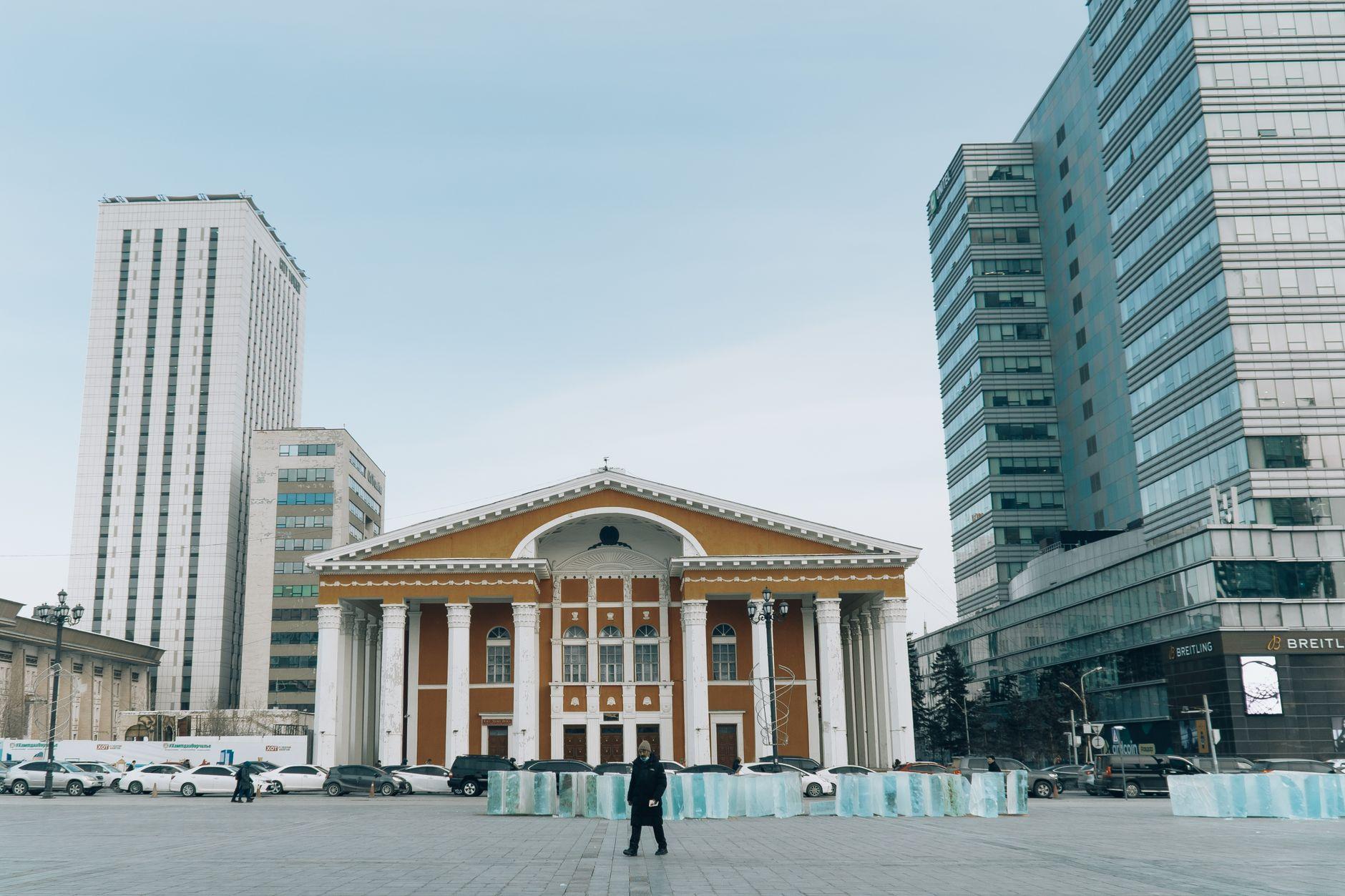
Mongolia punishes lazy money planning more than almost anywhere else in Asia. Ulaanbaatar is a genuinely modern QR-payment city where cafes, pharmacies, and supermarkets expect you to scan and go. Drive two hours out of town and none of that exists. There is no signal, no ATM, and a ger camp owner who deals strictly in tugrik notes.
Most tourist money problems in Mongolia come from preparing for one of these economies and then meeting the other. Here are the mistakes that actually cost people, and the fixes that actually work in 2026.
Mistake: arriving with a stack of US dollars and no plan for tugrik
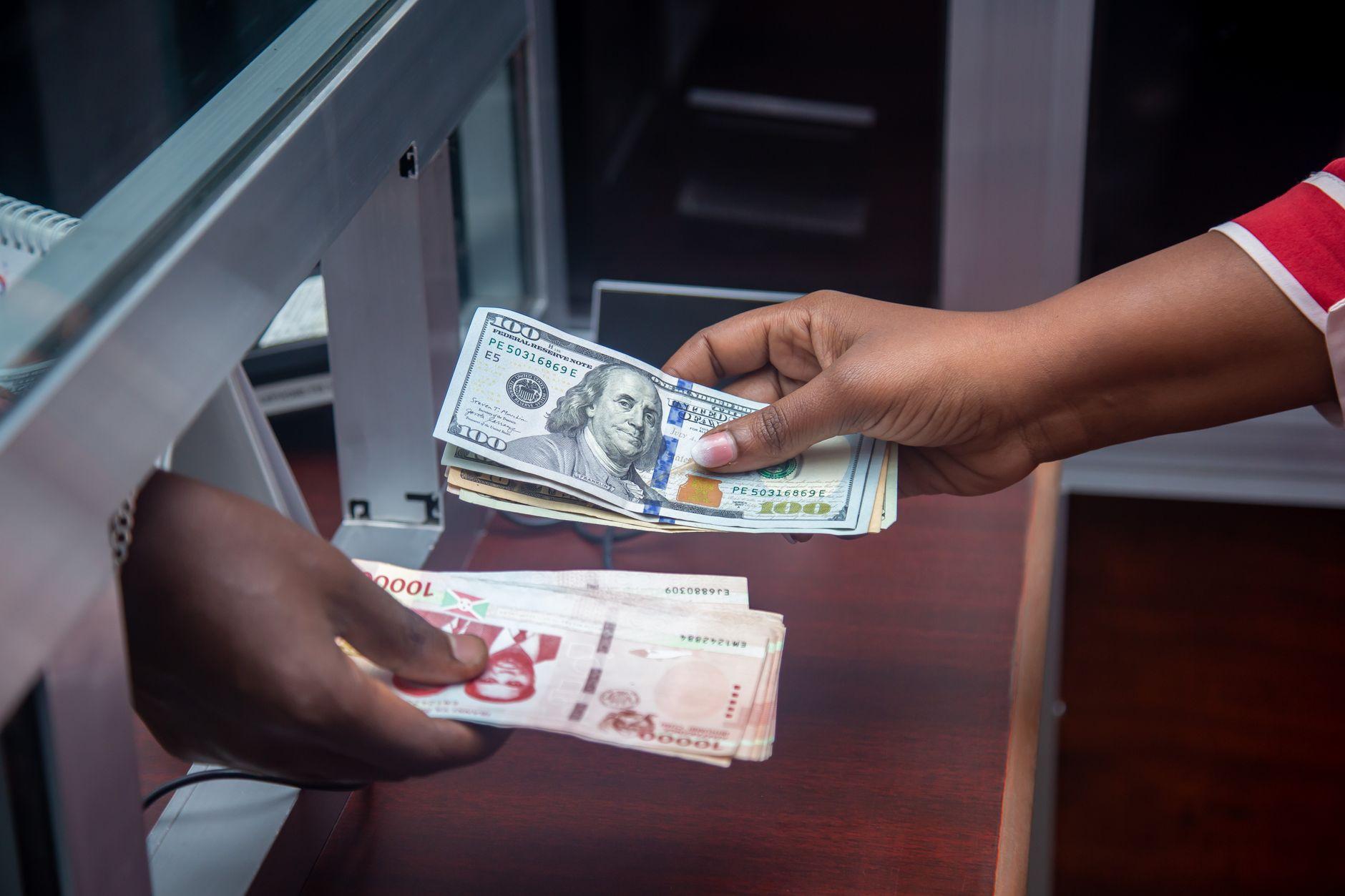
Mongolia is not a dual-currency country. The tugrik (MNT) is what you spend, and outside of some tour operators quoting prices in dollars, USD notes are not a walking-around currency. You cannot hand a taxi driver a five dollar bill and expect it to work.
Change money in Ulaanbaatar rather than at home, since tugrik is hard to buy abroad. Exchange offices in the city center generally beat the airport counter. And remember the largest banknote is 20,000 tugrik, so even a modest exchange leaves you with a thick stack. Bring something to carry it in.
Mistake: paying cash everywhere in Ulaanbaatar like it's still 2015
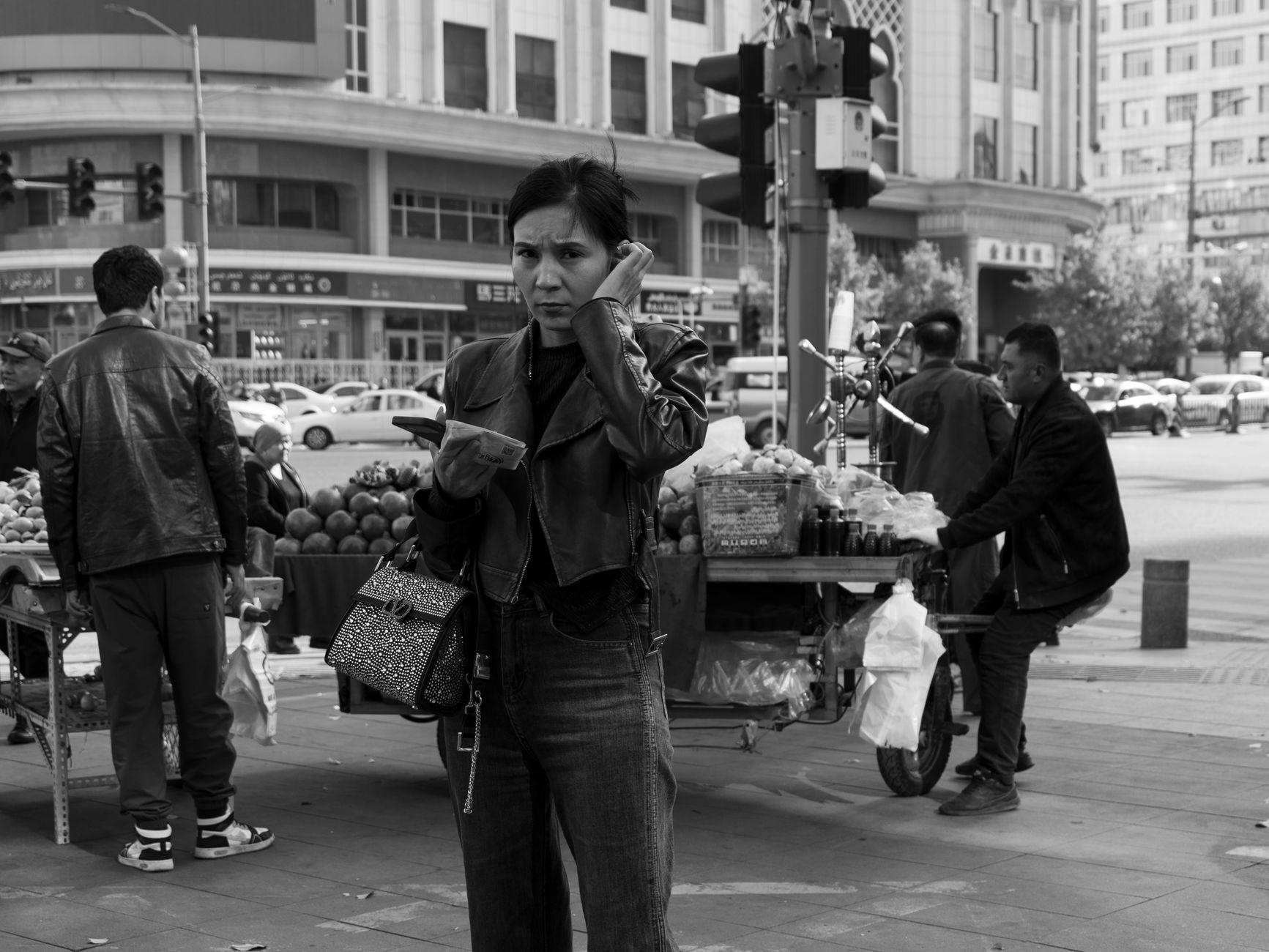
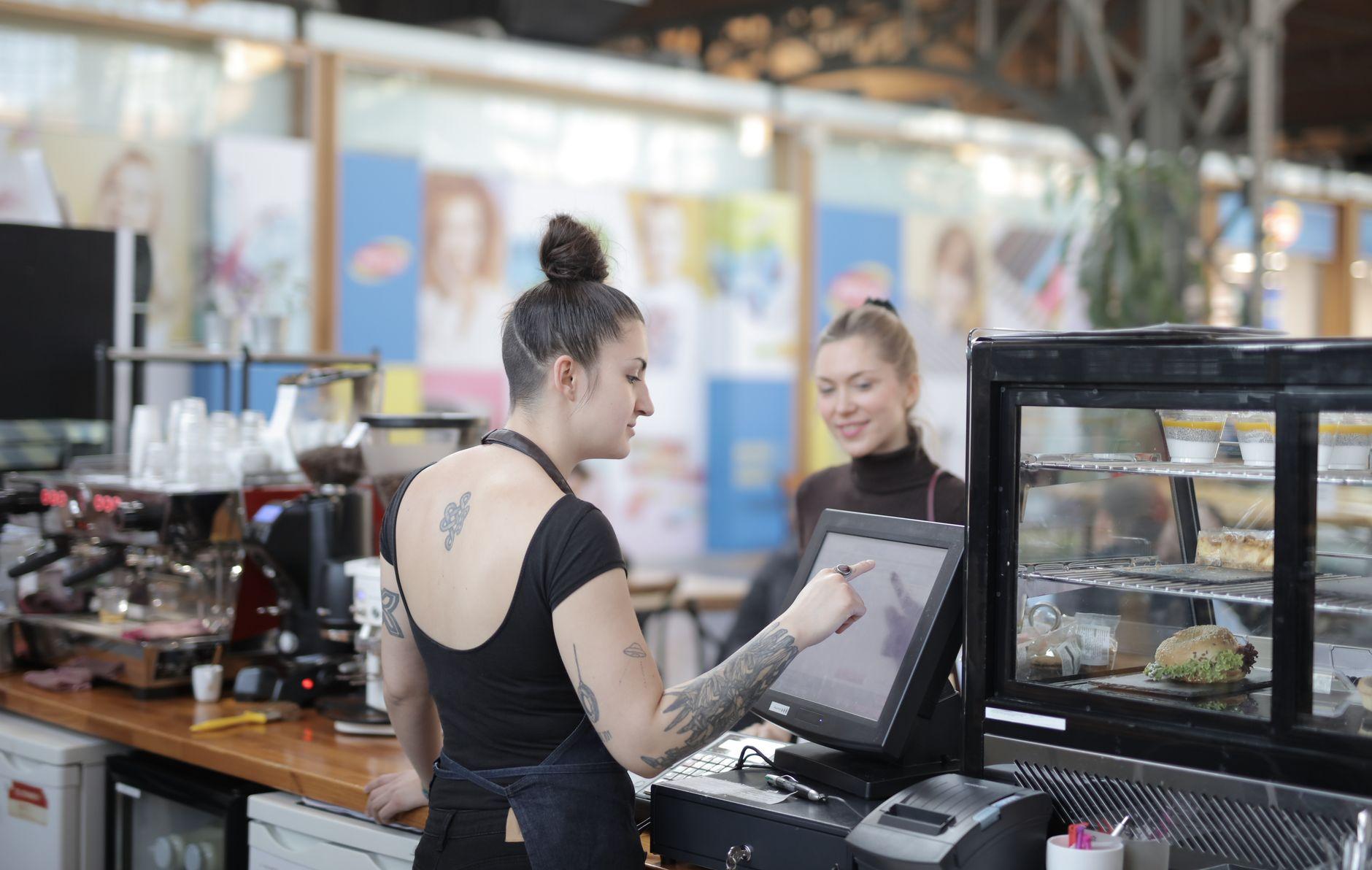
Watch the counter at any UB coffee shop or convenience store. Locals barely touch cash. QR stickers are everywhere, and cashiers are used to people paying by phone in a few seconds through apps tied to local banks, like SocialPay and Monpay, or through the QR codes that aggregators print for merchants.
Tourists who insist on cash for everything spend their trip hunting ATMs, eating withdrawal fees, and accumulating change they will never use. In the capital, QR is simply how Mongolia pays now, and joining that system is the single biggest upgrade you can make.
The catch is that the local apps are built for residents. They typically want a Mongolian bank account or a local phone number, which rules most visitors out. This is where Moreta Pay earns its place on your home screen: you top up a wallet from your own bank or card in your own currency, then scan the same QR codes the locals scan. You see the amount, the merchant name, and the exchange rate on screen before you confirm, and the shop gets paid in tugrik instantly. No local account, no guessing what the conversion cost you.
Mistake: heading into the countryside with a nearly empty wallet
This is the one that genuinely strands people. Outside Ulaanbaatar and a handful of provincial centers, Mongolia runs on cash, full stop. Ger camps, family homestays, roadside guanz canteens, park entrance fees, a driver who fixes your flat tire in the Gobi: tugrik, in hand, or nothing.
ATMs exist in aimag capitals, but they can be empty, offline, or unwilling to talk to your foreign card. Do not build a two-week Gobi loop around the hope of finding a working machine in a small town.
The fix is simple but requires discipline: before you leave UB, sit down with your itinerary and estimate every cash expense on the route. Meals, camps, showers, fuel contributions, tips for your guide and driver, souvenirs at a felt workshop. Then add a healthy buffer, withdraw or exchange it all in the city, and split it between two or three places in your luggage. Ask for a mix of denominations, because a herder family cannot break a 20,000 note for a small purchase.
Mistake: letting your card and your hotel decide the exchange rate
Card terminals do exist at bigger hotels, tour agencies, and some UB restaurants. When you use them with a foreign card, you often get offered a charge in your home currency instead of tugrik. Decline that every time and pay in MNT, because the on-the-spot conversion is almost never in your favor. Even cards that advertise no foreign transaction fees have quieter ways of costing you, which we broke down in this piece on why fee-free cards still lose you money abroad.
The cleaner move in the city is to skip the card terminal entirely and pay by QR, where you can see the FX rate before committing rather than discovering it on a statement three days later.
Mistake: ignoring your phone as a payment tool for bookings
A lot of Mongolia trip spending happens before you ever reach the steppe: domestic flights to Dalanzadgad or Mörön, hotel nights in UB, sometimes tours booked through platforms like Trip.com. If a checkout offers QR-based payment, Moreta Pay handles that the same way it handles a cafe counter, so you are not forced onto a card with murky conversion for the big-ticket items either.
Mistake: treating leftover tugrik as a souvenir problem
Tugrik is difficult to exchange once you leave Mongolia. Nobody outside the country wants it. So run your cash down deliberately in your final days: pay for your last meals, airport transfer, and market run at Narantuul with notes, and keep QR for anything in the city where it's accepted. Arriving at Chinggis Khaan International with a brick of unspendable tugrik is a self-inflicted loss.
The two-wallet plan that makes Mongolia easy
Put it all together and how to pay in Mongolia stops being complicated:
In Ulaanbaatar: pay by QR wherever you see a code, which is most shops, cafes, and restaurants. Top up your Moreta Pay wallet from your home bank before you fly, scan the merchant's code, check the rate, confirm. Keep a modest amount of cash for taxis and market stalls.
Outside Ulaanbaatar: assume cash only. Calculate your countryside budget before departure, carry it in mixed denominations, and treat any working ATM you pass as a bonus, not a plan.
The handoff between the two: do all your withdrawing and exchanging in UB, where rates are better and machines actually work. The city is your bank; the countryside is where you spend what you brought.
Travelers get into trouble in Mongolia when they bring one strategy to a country that demands two. Cover the steppe with tugrik and cover the capital with your phone, and the money side of the trip fades into the background where it belongs.
Before you land in Ulaanbaatar, set up Moreta Pay and load your wallet, and the city's QR economy is yours from the first coffee.