
Why Asia's QR Payment Revolution Matters

Why Asia's QR Payment Revolution Matters

Why Asia's QR Payment Revolution Matters

Jan 29, 2026

Jan 29, 2026

Jan 29, 2026

a hand holding a coin in front of a machine

Walking through Bangkok's bustling Chatuchak Market last month, I watched an elderly street vendor selling coconut ice cream accept payment from a German tourist. No cash changed hands. No credit card terminal beeped. Instead, the tourist simply opened her phone, scanned a weathered QR code taped to the cart, and walked away with her dessert in seconds.

This wasn't some futuristic vision—this is everyday life across Southeast Asia right now.

The Silent Transformation of Asian Payments

While Western countries debate the merits of going cashless, much of Asia has already moved on. The region didn't gradually transition from cash to cards to digital—it leapfrogged entire stages. In Vietnam, Thailand, and the Philippines, QR codes have become as common as ATMs once were in New York or London.

What makes this shift remarkable isn't just the technology. It's how naturally it fits into the rhythm of daily life. Street food vendors, luxury hotels, and everything in between have adopted the same simple system. According to recent industry reports, mobile payment adoption in Southeast Asia has grown faster than virtually any other region globally.

The numbers tell part of the story. China saw over 95% of mobile users relying on QR payments by 2022. Thailand's PromptPay system processes millions of transactions daily. But statistics alone miss the human element—the convenience factor that makes travelers wonder why this isn't standard everywhere.

Why Travelers Are Ditching Their Wallets

For years, international travel meant carefully calculating currency exchanges, finding reliable ATMs, and dealing with foreign transaction fees that ate into your budget. That calculation has changed.

Modern travelers arriving in Manila or Ho Chi Minh City face a different landscape. Local payment networks like KHQR in Cambodia and VietQR in Vietnam connect seamlessly with apps designed for international users. The result? You can pay for a $2 banh mi sandwich with the same ease as booking a $200 hotel room.

The practical benefits stack up quickly. No more carrying wads of cash that make you a target. No more fumbling with unfamiliar coins at checkout. No more wincing at the 3% foreign transaction fee your bank just charged. Instead, you see exactly what you're paying in real-time, with transparent conversion rates displayed before you confirm.

Security plays a bigger role than many realize. When you're traveling, physical cash creates genuine risks. Pickpockets target tourist areas. Hotel safes aren't always safe. Credit cards can be skimmed. QR payments eliminate most of these vulnerabilities—your phone stays in your pocket until the moment you need it.

The Infrastructure That Makes It Work

Behind every QR code scan sits an impressive payment infrastructure. Countries across Southeast Asia spent years building interoperable systems that now allow cross-border transactions to flow smoothly between Thailand, Indonesia, Singapore, Malaysia, and the Philippines.

Think about what that means in practice. A Malaysian using DuitNow can pay at shops in Bangkok. An Indonesian with a QRIS-enabled account can shop in Kuala Lumpur. The payment networks talk to each other, converting currencies and settling transactions in seconds.

This didn't happen by accident. Central banks across the region coordinated to create standards that work together. Unlike the fragmented approach in other parts of the world, Southeast Asian countries recognized that seamless connectivity benefits everyone—merchants get paid faster, consumers enjoy wider acceptance, and the digital economy grows.

The technical side remains deliberately simple. Merchants need little more than a smartphone or printed QR code. There's no expensive point-of-sale terminal to maintain, no monthly equipment fees, no complicated merchant accounts. This accessibility explains why even the smallest vendors can accept digital payments.

What This Means for Digital Nomads and Expats

If you're living in or frequently visiting Southeast Asia, the QR payment ecosystem changes your relationship with money. Digital nomads working from Chiang Mai coffee shops no longer need to maintain multiple bank accounts. Expats sending money home to family can use direct bank transfers through QR codes rather than expensive remittance services.

The convenience extends beyond simple purchases. Utility bills, rent payments, and even taxi fares increasingly happen through QR codes. Some apartment buildings have QR codes posted right at the entrance for package deliveries or guest parking fees. The system has woven itself into the fabric of daily transactions.

For those staying longer term, this shift reduces many traditional pain points. Opening a local bank account used to be essential for anyone spending more than a few weeks in a country. Now, international-friendly payment apps bridge that gap, letting you participate in the local economy without the bureaucratic hassle.

The Real-World Experience

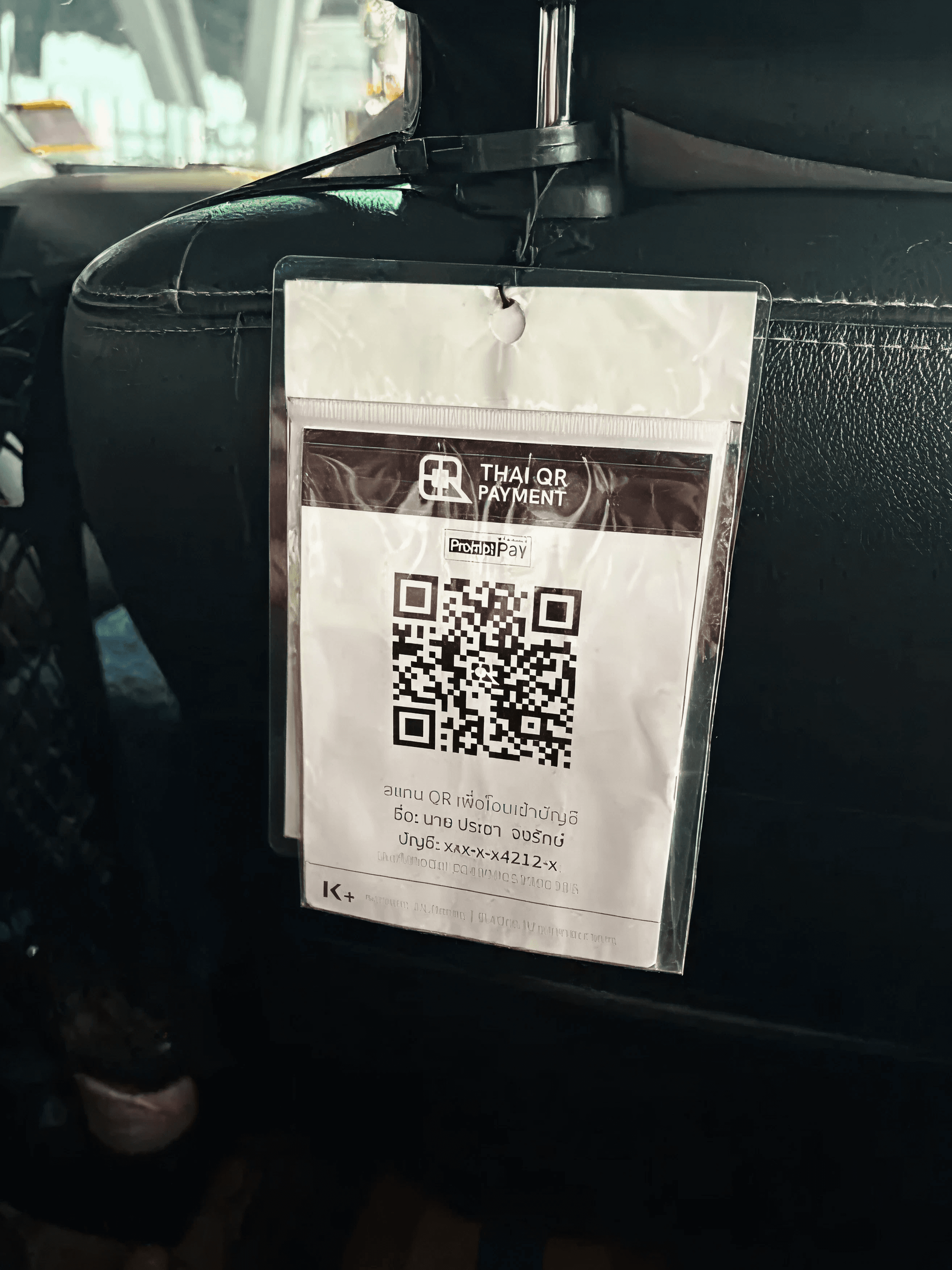
Here's what actually using QR payments feels like on the ground. You're at a night market in Hanoi. The vendor points to a laminated card with their QR code. You open your payment app, scan the code, and the amount appears automatically—often already filled in by the merchant. You review the total, confirm, and you're done. The whole process takes less time than counting out cash or running a card.

The merchant gets a notification immediately. No waiting for settlement, no worrying about chargebacks, no card processing delays. For businesses operating on thin margins, this instant confirmation matters tremendously.

What surprised me most during my recent travels wasn't how widespread QR payments were—I expected that. What caught me off guard was how preferred they've become. Many smaller merchants now actively encourage QR payments, sometimes offering small discounts compared to card payments because their processing costs are lower.

Looking Ahead

The trajectory points toward even greater integration. Plans are underway to connect Southeast Asian payment networks with systems in India, Japan, and South Korea. Some industry analysts predict that within a few years, a single payment app could work across most of the Asia-Pacific region.

For travelers and businesses alike, this evolution removes friction from international commerce. The days of carrying separate wallets of local currency for each country you visit are fading. Instead, your smartphone becomes a universal payment tool that works whether you're in Manila, Mumbai, or Melbourne.

The implications stretch beyond convenience. When payments become this seamless, it opens opportunities for smaller businesses to reach international customers. A craft vendor in a Thai village can now accept payment from tourists as easily as a Bangkok department store. That democratization of payment infrastructure could reshape regional commerce in ways we're only beginning to understand.

Making It Work for You

If you're planning travel to Southeast Asia or already there, adapting to this payment landscape takes minimal effort. Most payment apps designed for international users let you fund accounts through bank transfers or card deposits from your home country. You add funds in your local currency, then spend in whatever country you're visiting with the conversion happening automatically.

The key is choosing platforms that prioritize transparency. Look for apps that show you the exchange rate before you confirm a payment. Check what fees apply—the best services operate with minimal markups on currency conversion. Read user reviews from other travelers to understand real-world reliability.

Start small when testing a new payment system. Top up with a modest amount for your first few transactions. Once you're comfortable with how it works, you can increase your balance and rely on it more heavily. Most travelers find that after a week or two, digital payments become second nature.

One practical tip: always keep a small amount of local cash as backup. While QR payment acceptance is widespread in cities, some rural areas or very small vendors might still be cash-only. Having 500-1000 baht or equivalent gives you flexibility without weighing down your wallet.

The Bigger Picture

Asia's QR payment revolution represents more than a technological upgrade—it's a glimpse into how money moves in an increasingly connected world. The region didn't wait for perfect systems or universal standards. Instead, countries built working solutions, then figured out how to connect them.

That pragmatic approach offers lessons for other regions wrestling with payment modernization. You don't need to reinvent everything at once. Start with accessible technology that works for small merchants and individual users. Build from there. Let adoption drive further innovation rather than waiting for some idealized final solution.

For those of us who travel, work, or live across borders, these developments deliver tangible benefits right now. Easier payments mean more freedom to explore, less time managing logistics, and more focus on the experiences that make travel worthwhile. That's the promise of truly modern money—it fades into the background, letting life happen more smoothly.

The next time you're wandering through an Asian market and see a QR code next to a street food cart, you'll know you're looking at more than just a payment option. You're seeing the future of how people exchange value, built from the ground up to work for everyone from tourists to grandmothers selling fruit by the roadside.

And honestly? It works beautifully.

Walking through Bangkok's bustling Chatuchak Market last month, I watched an elderly street vendor selling coconut ice cream accept payment from a German tourist. No cash changed hands. No credit card terminal beeped. Instead, the tourist simply opened her phone, scanned a weathered QR code taped to the cart, and walked away with her dessert in seconds.

This wasn't some futuristic vision—this is everyday life across Southeast Asia right now.

The Silent Transformation of Asian Payments

While Western countries debate the merits of going cashless, much of Asia has already moved on. The region didn't gradually transition from cash to cards to digital—it leapfrogged entire stages. In Vietnam, Thailand, and the Philippines, QR codes have become as common as ATMs once were in New York or London.

What makes this shift remarkable isn't just the technology. It's how naturally it fits into the rhythm of daily life. Street food vendors, luxury hotels, and everything in between have adopted the same simple system. According to recent industry reports, mobile payment adoption in Southeast Asia has grown faster than virtually any other region globally.

The numbers tell part of the story. China saw over 95% of mobile users relying on QR payments by 2022. Thailand's PromptPay system processes millions of transactions daily. But statistics alone miss the human element—the convenience factor that makes travelers wonder why this isn't standard everywhere.

Why Travelers Are Ditching Their Wallets

For years, international travel meant carefully calculating currency exchanges, finding reliable ATMs, and dealing with foreign transaction fees that ate into your budget. That calculation has changed.

Modern travelers arriving in Manila or Ho Chi Minh City face a different landscape. Local payment networks like KHQR in Cambodia and VietQR in Vietnam connect seamlessly with apps designed for international users. The result? You can pay for a $2 banh mi sandwich with the same ease as booking a $200 hotel room.

The practical benefits stack up quickly. No more carrying wads of cash that make you a target. No more fumbling with unfamiliar coins at checkout. No more wincing at the 3% foreign transaction fee your bank just charged. Instead, you see exactly what you're paying in real-time, with transparent conversion rates displayed before you confirm.

Security plays a bigger role than many realize. When you're traveling, physical cash creates genuine risks. Pickpockets target tourist areas. Hotel safes aren't always safe. Credit cards can be skimmed. QR payments eliminate most of these vulnerabilities—your phone stays in your pocket until the moment you need it.

The Infrastructure That Makes It Work

Behind every QR code scan sits an impressive payment infrastructure. Countries across Southeast Asia spent years building interoperable systems that now allow cross-border transactions to flow smoothly between Thailand, Indonesia, Singapore, Malaysia, and the Philippines.

Think about what that means in practice. A Malaysian using DuitNow can pay at shops in Bangkok. An Indonesian with a QRIS-enabled account can shop in Kuala Lumpur. The payment networks talk to each other, converting currencies and settling transactions in seconds.

This didn't happen by accident. Central banks across the region coordinated to create standards that work together. Unlike the fragmented approach in other parts of the world, Southeast Asian countries recognized that seamless connectivity benefits everyone—merchants get paid faster, consumers enjoy wider acceptance, and the digital economy grows.

The technical side remains deliberately simple. Merchants need little more than a smartphone or printed QR code. There's no expensive point-of-sale terminal to maintain, no monthly equipment fees, no complicated merchant accounts. This accessibility explains why even the smallest vendors can accept digital payments.

What This Means for Digital Nomads and Expats

If you're living in or frequently visiting Southeast Asia, the QR payment ecosystem changes your relationship with money. Digital nomads working from Chiang Mai coffee shops no longer need to maintain multiple bank accounts. Expats sending money home to family can use direct bank transfers through QR codes rather than expensive remittance services.

The convenience extends beyond simple purchases. Utility bills, rent payments, and even taxi fares increasingly happen through QR codes. Some apartment buildings have QR codes posted right at the entrance for package deliveries or guest parking fees. The system has woven itself into the fabric of daily transactions.

For those staying longer term, this shift reduces many traditional pain points. Opening a local bank account used to be essential for anyone spending more than a few weeks in a country. Now, international-friendly payment apps bridge that gap, letting you participate in the local economy without the bureaucratic hassle.

The Real-World Experience

Here's what actually using QR payments feels like on the ground. You're at a night market in Hanoi. The vendor points to a laminated card with their QR code. You open your payment app, scan the code, and the amount appears automatically—often already filled in by the merchant. You review the total, confirm, and you're done. The whole process takes less time than counting out cash or running a card.

The merchant gets a notification immediately. No waiting for settlement, no worrying about chargebacks, no card processing delays. For businesses operating on thin margins, this instant confirmation matters tremendously.

What surprised me most during my recent travels wasn't how widespread QR payments were—I expected that. What caught me off guard was how preferred they've become. Many smaller merchants now actively encourage QR payments, sometimes offering small discounts compared to card payments because their processing costs are lower.

Looking Ahead

The trajectory points toward even greater integration. Plans are underway to connect Southeast Asian payment networks with systems in India, Japan, and South Korea. Some industry analysts predict that within a few years, a single payment app could work across most of the Asia-Pacific region.

For travelers and businesses alike, this evolution removes friction from international commerce. The days of carrying separate wallets of local currency for each country you visit are fading. Instead, your smartphone becomes a universal payment tool that works whether you're in Manila, Mumbai, or Melbourne.

The implications stretch beyond convenience. When payments become this seamless, it opens opportunities for smaller businesses to reach international customers. A craft vendor in a Thai village can now accept payment from tourists as easily as a Bangkok department store. That democratization of payment infrastructure could reshape regional commerce in ways we're only beginning to understand.

Making It Work for You

If you're planning travel to Southeast Asia or already there, adapting to this payment landscape takes minimal effort. Most payment apps designed for international users let you fund accounts through bank transfers or card deposits from your home country. You add funds in your local currency, then spend in whatever country you're visiting with the conversion happening automatically.

The key is choosing platforms that prioritize transparency. Look for apps that show you the exchange rate before you confirm a payment. Check what fees apply—the best services operate with minimal markups on currency conversion. Read user reviews from other travelers to understand real-world reliability.

Start small when testing a new payment system. Top up with a modest amount for your first few transactions. Once you're comfortable with how it works, you can increase your balance and rely on it more heavily. Most travelers find that after a week or two, digital payments become second nature.

One practical tip: always keep a small amount of local cash as backup. While QR payment acceptance is widespread in cities, some rural areas or very small vendors might still be cash-only. Having 500-1000 baht or equivalent gives you flexibility without weighing down your wallet.

The Bigger Picture

Asia's QR payment revolution represents more than a technological upgrade—it's a glimpse into how money moves in an increasingly connected world. The region didn't wait for perfect systems or universal standards. Instead, countries built working solutions, then figured out how to connect them.

That pragmatic approach offers lessons for other regions wrestling with payment modernization. You don't need to reinvent everything at once. Start with accessible technology that works for small merchants and individual users. Build from there. Let adoption drive further innovation rather than waiting for some idealized final solution.

For those of us who travel, work, or live across borders, these developments deliver tangible benefits right now. Easier payments mean more freedom to explore, less time managing logistics, and more focus on the experiences that make travel worthwhile. That's the promise of truly modern money—it fades into the background, letting life happen more smoothly.

The next time you're wandering through an Asian market and see a QR code next to a street food cart, you'll know you're looking at more than just a payment option. You're seeing the future of how people exchange value, built from the ground up to work for everyone from tourists to grandmothers selling fruit by the roadside.

And honestly? It works beautifully.