
Why Traditional Wallets Fail Travelers

Why Traditional Wallets Fail Travelers

Why Traditional Wallets Fail Travelers

Jan 27, 2026

Jan 27, 2026

Jan 27, 2026

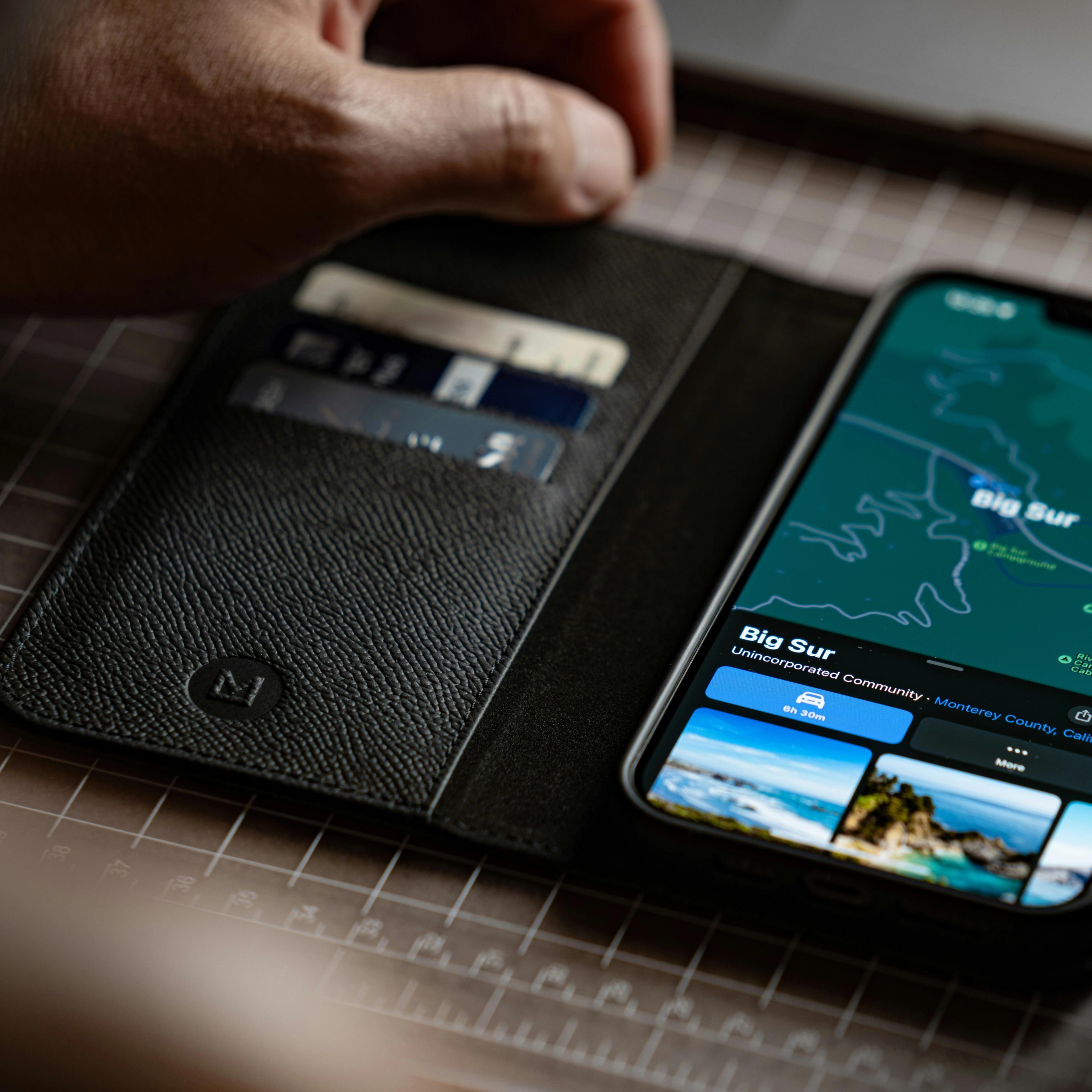
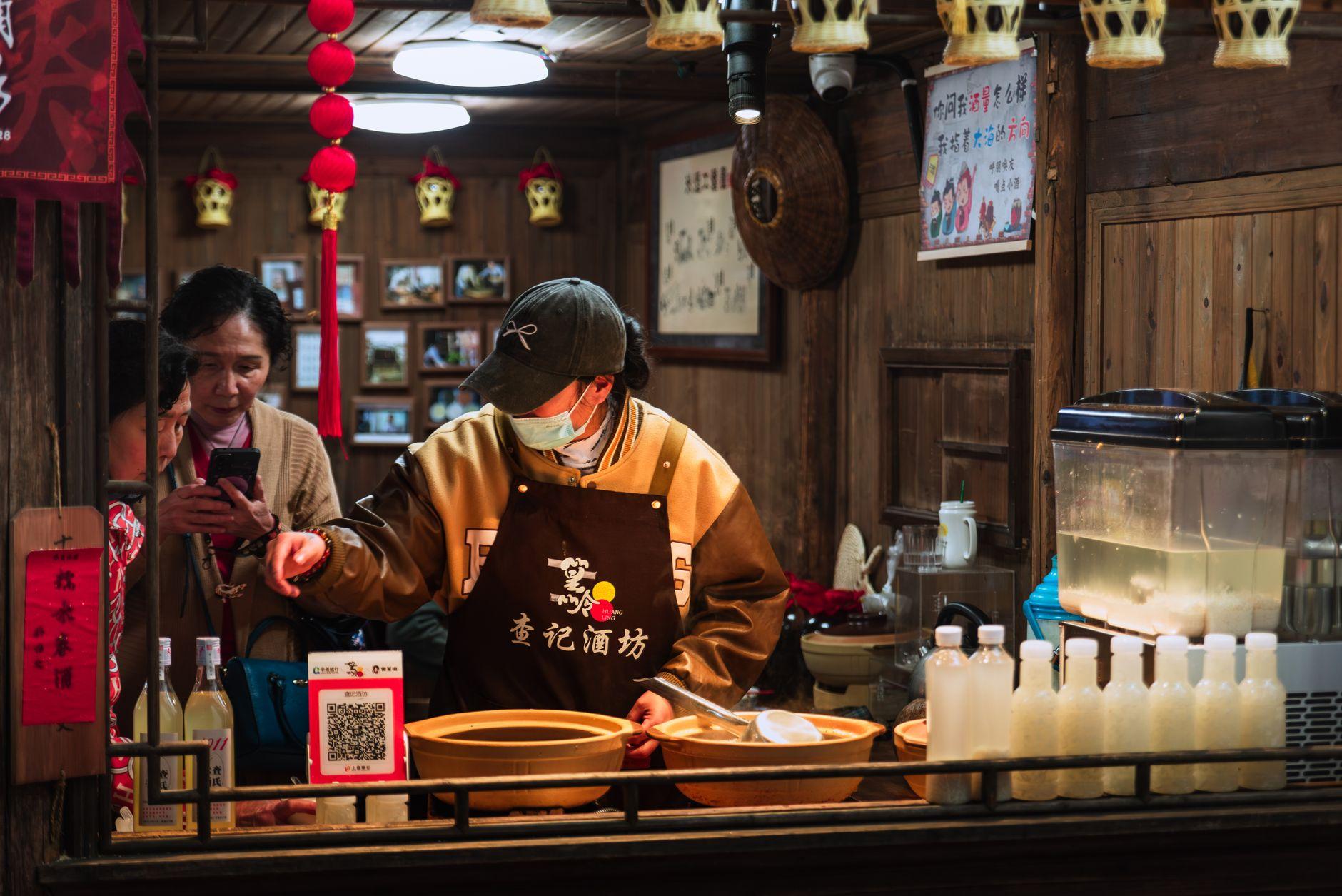
a person holding a cell phone in their hand

When Sarah landed in Bangkok for what was supposed to be her dream three-month Southeast Asian adventure, she thought she'd planned for everything. Her leather wallet was packed with freshly exchanged Thai baht, three credit cards, and her emergency cash stash. By day three, she'd already visited four ATMs, paid over $80 in foreign transaction fees, and had to cancel one card after a sketchy street vendor's payment terminal raised red flags.

Sound familiar? The truth is, that traditional wallet in your pocket wasn't designed for the realities of modern travel in Asia. While you're busy calculating exchange rates and hunting down the nearest ATM, locals are breezing through checkout lines with their phones. Here's why your old-school wallet is holding you back, and what savvy travelers are doing instead.

The Hidden Costs Eating Your Travel Budget

Let's talk about what those "convenient" ATM withdrawals are really costing you. Every time you pull cash from a foreign ATM, you're getting hit from multiple angles. Your home bank charges you a foreign transaction fee, usually around 3%. The ATM operator tacks on their own fee, sometimes $5 or more per withdrawal. Then there's the exchange rate markup that most banks quietly add.

Do the math on a month-long trip, and those fees can easily eat up $200-300 of your budget. That's several nights of accommodation in Southeast Asia or a week's worth of incredible street food. The worst part? Most travelers don't even realize how much they're losing until they check their statements back home.

Credit cards aren't much better. Sure, they're safer than carrying cash, but those same foreign transaction fees apply. Plus, many smaller vendors, street markets, and local restaurants in countries like Vietnam, Thailand, and the Philippines simply don't accept cards. The processing fees are too high for merchants, so they've moved on to something better while you're stuck searching for an ATM.

The Security Nightmare Nobody Talks About

Physical wallets create a constant anxiety loop when you're traveling. Where should you keep it? Front pocket? Back pocket? Hidden money belt under your shirt? Every crowded market, packed tuk-tuk, or busy hostel becomes a potential theft opportunity.

But here's what really keeps security experts up at night: card skimmers. These tiny devices can be attached to ATMs, gas pumps, or payment terminals, quietly stealing your card information while you make what seems like a routine transaction. In touristy areas across Southeast Asia, skimming is unfortunately common. One compromised card can derail your entire trip while you wait for a replacement to be shipped internationally.

Then there's the issue of theft. Losing a wallet abroad means losing everything at once: cash, cards, ID, maybe even your hotel key card. You're stuck making emergency calls to your bank at 3 AM due to time zone differences, trying to get cash wired through Western Union, and explaining to embassy officials why you need temporary documents.

Why Cash Is Dead in Southeast Asia

Walk into any 7-Eleven in Bangkok, roadside coffee shop in Ho Chi Minh City, or street food stall in Manila, and you'll notice something interesting. There's almost always a QR code displayed at the register. That's because Southeast Asia has leapfrogged the card payment era and gone straight to mobile digital payments.

According to recent data, QR code payment adoption in Southeast Asia is projected to surge by 590 percent by 2028, with transactions exceeding $1.2 trillion. In Thailand alone, over 61% of the population uses QR payments monthly. These aren't tech-savvy millennials exclusively; everyone from taxi drivers to market vendors to grandmothers selling fruit on the street has adapted.

The infrastructure shift is happening whether tourists are ready or not. More merchants are going cashless or cash-reluctant because accepting digital payments is faster, safer, and cheaper for them. When you show up with a wallet full of bills, you're actually creating friction in a system that's moved on.

This creates a bizarre situation where you, the visitor with presumably more resources and technology, are using a more primitive payment method than the local street vendor. You're the one fumbling with bills and coins while everyone around you is tapping their phones and walking away.

The Currency Exchange Trap

Every country you visit in Southeast Asia uses different currency. Thai baht in Thailand, Vietnamese dong in Vietnam, Philippine pesos in the Philippines, and so on. If you're island-hopping or crossing borders regularly, you're constantly dealing with currency exchange.

Traditional wisdom says to exchange money at official exchange booths rather than airports or hotels. Good advice, but it doesn't solve the fundamental problem. You still need to carry multiple currencies, do mental math to compare prices, and inevitably end up with leftover bills from your last destination that are worthless in your next one.

Those "helpful" airport currency exchange kiosks? They're banking on your convenience and charging rates that are often 10-15% worse than mid-market rates. Even "no fee" exchanges make their money by marking up the exchange rate itself. You might not see a line item called "fee" on your receipt, but you're definitely paying for it.

And here's a pain point nobody warns you about: small denomination problems. Need exact change for a street vendor? Good luck finding someone who can break your 1000 baht note at 6 AM. Running low on cash but the ATM only dispenses large bills? You'll spend your first hour trying to break it at a convenience store clerk who gives you the look like you've deeply inconvenienced their entire day.

What Smart Travelers Are Using Instead

The solution isn't to bring more cards or hide money in more creative places. It's to stop thinking of your wallet as your primary payment tool altogether. Digital payment platforms designed specifically for travelers are changing the game completely.

Take Moreta Pay, for example. Instead of juggling physical currency, you connect your home bank account, fund your digital wallet, and pay using QR codes that work across Thailand, Vietnam, the Philippines, and other Southeast Asian countries. When you scan a merchant's QR code, the app handles the currency conversion at mid-market rates, and the payment goes through instantly.

No need to hunt for ATMs. No foreign transaction fees eating your budget. No awkward currency exchanges or leftover bills. Most importantly, no physical wallet that can be lost or stolen. Everything lives securely on your phone, protected by encryption and authentication that's far more secure than a piece of leather in your pocket.

The best part? You're actually paying the way locals pay, which means you get access to the same wide network of vendors. That tiny family-run noodle shop that doesn't take cards? They have a QR code. The tuk-tuk driver? QR code. The fresh coconut vendor on the beach? You guessed it, QR code.

Making the Switch Before Your Next Trip

The transition to digital payments doesn't have to be complicated. Most platforms let you set up an account before you even leave home. You verify your identity with your passport and a selfie, link your bank account or card, and you're ready to go. The whole process takes about 10 minutes.

When you land in Southeast Asia, you can start using QR payments immediately. No need to find an ATM before leaving the airport or deal with pushy money changers. Pull out your phone, scan the code, and you're done.

For bills and utilities if you're staying longer-term, you can handle those digitally too. Need to pay your monthly electric bill? Scan the QR code on the bill. Topping up your phone? QR code. The same system that works for your morning coffee works for everything else.

And if you're worried about internet connectivity, most payment apps work with minimal data usage. As long as you can load the QR code scanner, you're good to go. Plus, with how widely available Wi-Fi is across Southeast Asia, you'll rarely find yourself completely offline.

The Bottom Line

Your traditional wallet served you well back home, but it's fundamentally out of sync with how payments work in modern Asia. Every time you pull cash from an ATM, wait for a merchant to make change, or pay another foreign transaction fee, you're operating in an outdated system.

The travelers who have the smoothest, most economical experiences are the ones who've embraced digital payments. They're saving money on fees, saving time on currency exchanges, and eliminating the security risks of carrying physical cash and cards.

Whether you're planning a two-week vacation or a year-long digital nomad adventure, rethinking how you handle money should be part of your preparation. Your wallet might get you through the trip, but a smarter payment solution will make every transaction easier, safer, and cheaper.

Ready to leave your wallet worries behind? Download Moreta Pay and start paying like a local, no matter where your travels take you in Southeast Asia. Your future self (and your bank account) will thank you.
When Sarah landed in Bangkok for what was supposed to be her dream three-month Southeast Asian adventure, she thought she'd planned for everything. Her leather wallet was packed with freshly exchanged Thai baht, three credit cards, and her emergency cash stash. By day three, she'd already visited four ATMs, paid over $80 in foreign transaction fees, and had to cancel one card after a sketchy street vendor's payment terminal raised red flags.

Sound familiar? The truth is, that traditional wallet in your pocket wasn't designed for the realities of modern travel in Asia. While you're busy calculating exchange rates and hunting down the nearest ATM, locals are breezing through checkout lines with their phones. Here's why your old-school wallet is holding you back, and what savvy travelers are doing instead.

The Hidden Costs Eating Your Travel Budget

Let's talk about what those "convenient" ATM withdrawals are really costing you. Every time you pull cash from a foreign ATM, you're getting hit from multiple angles. Your home bank charges you a foreign transaction fee, usually around 3%. The ATM operator tacks on their own fee, sometimes $5 or more per withdrawal. Then there's the exchange rate markup that most banks quietly add.

Do the math on a month-long trip, and those fees can easily eat up $200-300 of your budget. That's several nights of accommodation in Southeast Asia or a week's worth of incredible street food. The worst part? Most travelers don't even realize how much they're losing until they check their statements back home.

Credit cards aren't much better. Sure, they're safer than carrying cash, but those same foreign transaction fees apply. Plus, many smaller vendors, street markets, and local restaurants in countries like Vietnam, Thailand, and the Philippines simply don't accept cards. The processing fees are too high for merchants, so they've moved on to something better while you're stuck searching for an ATM.

The Security Nightmare Nobody Talks About

Physical wallets create a constant anxiety loop when you're traveling. Where should you keep it? Front pocket? Back pocket? Hidden money belt under your shirt? Every crowded market, packed tuk-tuk, or busy hostel becomes a potential theft opportunity.

But here's what really keeps security experts up at night: card skimmers. These tiny devices can be attached to ATMs, gas pumps, or payment terminals, quietly stealing your card information while you make what seems like a routine transaction. In touristy areas across Southeast Asia, skimming is unfortunately common. One compromised card can derail your entire trip while you wait for a replacement to be shipped internationally.

Then there's the issue of theft. Losing a wallet abroad means losing everything at once: cash, cards, ID, maybe even your hotel key card. You're stuck making emergency calls to your bank at 3 AM due to time zone differences, trying to get cash wired through Western Union, and explaining to embassy officials why you need temporary documents.

Why Cash Is Dead in Southeast Asia

Walk into any 7-Eleven in Bangkok, roadside coffee shop in Ho Chi Minh City, or street food stall in Manila, and you'll notice something interesting. There's almost always a QR code displayed at the register. That's because Southeast Asia has leapfrogged the card payment era and gone straight to mobile digital payments.

According to recent data, QR code payment adoption in Southeast Asia is projected to surge by 590 percent by 2028, with transactions exceeding $1.2 trillion. In Thailand alone, over 61% of the population uses QR payments monthly. These aren't tech-savvy millennials exclusively; everyone from taxi drivers to market vendors to grandmothers selling fruit on the street has adapted.

The infrastructure shift is happening whether tourists are ready or not. More merchants are going cashless or cash-reluctant because accepting digital payments is faster, safer, and cheaper for them. When you show up with a wallet full of bills, you're actually creating friction in a system that's moved on.

This creates a bizarre situation where you, the visitor with presumably more resources and technology, are using a more primitive payment method than the local street vendor. You're the one fumbling with bills and coins while everyone around you is tapping their phones and walking away.

The Currency Exchange Trap

Every country you visit in Southeast Asia uses different currency. Thai baht in Thailand, Vietnamese dong in Vietnam, Philippine pesos in the Philippines, and so on. If you're island-hopping or crossing borders regularly, you're constantly dealing with currency exchange.

Traditional wisdom says to exchange money at official exchange booths rather than airports or hotels. Good advice, but it doesn't solve the fundamental problem. You still need to carry multiple currencies, do mental math to compare prices, and inevitably end up with leftover bills from your last destination that are worthless in your next one.

Those "helpful" airport currency exchange kiosks? They're banking on your convenience and charging rates that are often 10-15% worse than mid-market rates. Even "no fee" exchanges make their money by marking up the exchange rate itself. You might not see a line item called "fee" on your receipt, but you're definitely paying for it.

And here's a pain point nobody warns you about: small denomination problems. Need exact change for a street vendor? Good luck finding someone who can break your 1000 baht note at 6 AM. Running low on cash but the ATM only dispenses large bills? You'll spend your first hour trying to break it at a convenience store clerk who gives you the look like you've deeply inconvenienced their entire day.

What Smart Travelers Are Using Instead

The solution isn't to bring more cards or hide money in more creative places. It's to stop thinking of your wallet as your primary payment tool altogether. Digital payment platforms designed specifically for travelers are changing the game completely.

Take Moreta Pay, for example. Instead of juggling physical currency, you connect your home bank account, fund your digital wallet, and pay using QR codes that work across Thailand, Vietnam, the Philippines, and other Southeast Asian countries. When you scan a merchant's QR code, the app handles the currency conversion at mid-market rates, and the payment goes through instantly.

No need to hunt for ATMs. No foreign transaction fees eating your budget. No awkward currency exchanges or leftover bills. Most importantly, no physical wallet that can be lost or stolen. Everything lives securely on your phone, protected by encryption and authentication that's far more secure than a piece of leather in your pocket.

The best part? You're actually paying the way locals pay, which means you get access to the same wide network of vendors. That tiny family-run noodle shop that doesn't take cards? They have a QR code. The tuk-tuk driver? QR code. The fresh coconut vendor on the beach? You guessed it, QR code.

Making the Switch Before Your Next Trip

The transition to digital payments doesn't have to be complicated. Most platforms let you set up an account before you even leave home. You verify your identity with your passport and a selfie, link your bank account or card, and you're ready to go. The whole process takes about 10 minutes.

When you land in Southeast Asia, you can start using QR payments immediately. No need to find an ATM before leaving the airport or deal with pushy money changers. Pull out your phone, scan the code, and you're done.

For bills and utilities if you're staying longer-term, you can handle those digitally too. Need to pay your monthly electric bill? Scan the QR code on the bill. Topping up your phone? QR code. The same system that works for your morning coffee works for everything else.

And if you're worried about internet connectivity, most payment apps work with minimal data usage. As long as you can load the QR code scanner, you're good to go. Plus, with how widely available Wi-Fi is across Southeast Asia, you'll rarely find yourself completely offline.

The Bottom Line

Your traditional wallet served you well back home, but it's fundamentally out of sync with how payments work in modern Asia. Every time you pull cash from an ATM, wait for a merchant to make change, or pay another foreign transaction fee, you're operating in an outdated system.

The travelers who have the smoothest, most economical experiences are the ones who've embraced digital payments. They're saving money on fees, saving time on currency exchanges, and eliminating the security risks of carrying physical cash and cards.

Whether you're planning a two-week vacation or a year-long digital nomad adventure, rethinking how you handle money should be part of your preparation. Your wallet might get you through the trip, but a smarter payment solution will make every transaction easier, safer, and cheaper.

Ready to leave your wallet worries behind? Download Moreta Pay and start paying like a local, no matter where your travels take you in Southeast Asia. Your future self (and your bank account) will thank you.