
Thailand Cash Guide: Your Complete Daily Budget Breakdown for 2026
Dec 9, 2025
Dec 9, 2025
Dec 9, 2025


Are you planning a trip to the magical "Land of Smiles?" Thailand is a bucket-list destination full of breathtaking sights and a vibrant culture to explore. Whether you're visiting Bangkok to enjoy the modern skyscrapers or Ayutthaya to sink yourself in the country's history, you need to set a budget!
No matter where you go, you'll quickly realize that Thailand is a cash-heavy society. While many establishments accept more modern digital payments, you'll likely use cash throughout your adventure, especially if you venture roads less traveled to immerse yourself in the lives of locals. There are many expenses to consider, and it's essential to have a solid budget. Depending on your preferences, you can spend as little as $30 USD to well over $200 per day.
In this blog, we'll help you create a Thailand daily budget that ensures you can enjoy everything from cozy accommodations to street food, all while managing ATM fees and navigating payment methods.
What You Actually Need Per Day
How much Thailand travel money do you genuinely need to have the time of your life? That all depends on what you're willing and able to spend. The good news is that you can enjoy yourself regardless of the size of your Thai Baht budget. Let's look at a few example budgets.
If you're a budget traveler, you can expect to spend between $30 and $50 a day. In Thai Baht, that's roughly ฿1,000 to ฿1,600. At this price point, you can comfortably venture through the country as a backpacker or solo traveler.
Accommodations will be modest. With that Thai Baht budget, you're limited to basic guesthouses and dormitory-style lodging. Food-wise, you'll get the most bang for your buck eating street food and buying meals at local vendors, all while getting around with public transit and those iconic tuk-tuks.
A mid-range traveler may spend more, with a Thailand daily budget of around $70 to $100 (฿2,200 to ฿3,200). With a little more money, you can stay at 3- or 4-star hotels and boutique accommodations. You'll also have wiggle room to enjoy more mid-range restaurants and catch the occasional private taxi.
If you're willing to shell out cash for a truly luxurious experience, you can expect to spend $150 (฿4,900) or more per day. Private villas and 5-star resorts are on your horizon, and you can enjoy more meals at fine dining establishments. With a bigger budget, you can also enjoy private transportation, chartered services and luxury cruises.
Of course, your Thailand daily budget can vary based on where you're traveling. If you're sticking to Bangkok and exploring islands in southern Thailand, you can expect to pay more than if you were visiting locations in northern Thailand.
How Much Cash Do I Need in Thailand: The Real Answer
Realistically, most travelers recommend having between $30 and $50 of cash on hand every day. Even if you plan to spend more, that range is a good rule of thumb. Many merchants accept cards and digital payments, but Thailand remains a cash-dependent country.
Older generations tend to trust cash more than alternative forms of payment. Furthermore, the necessary infrastructure is not yet in place for widespread digital payments. Limited connectivity makes it impossible for many merchants to accept alternative forms of payment outside major cities, such as Bangkok.
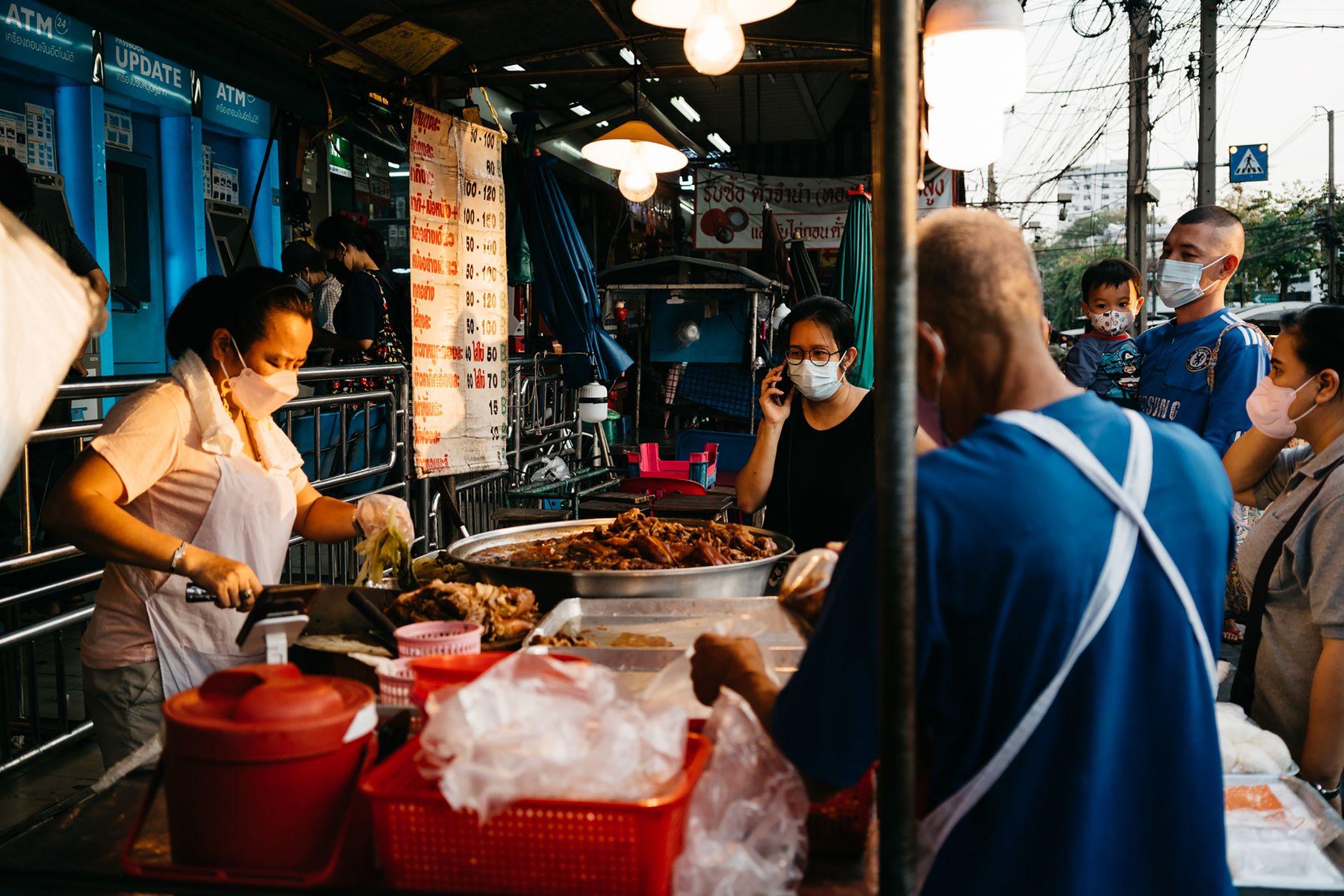
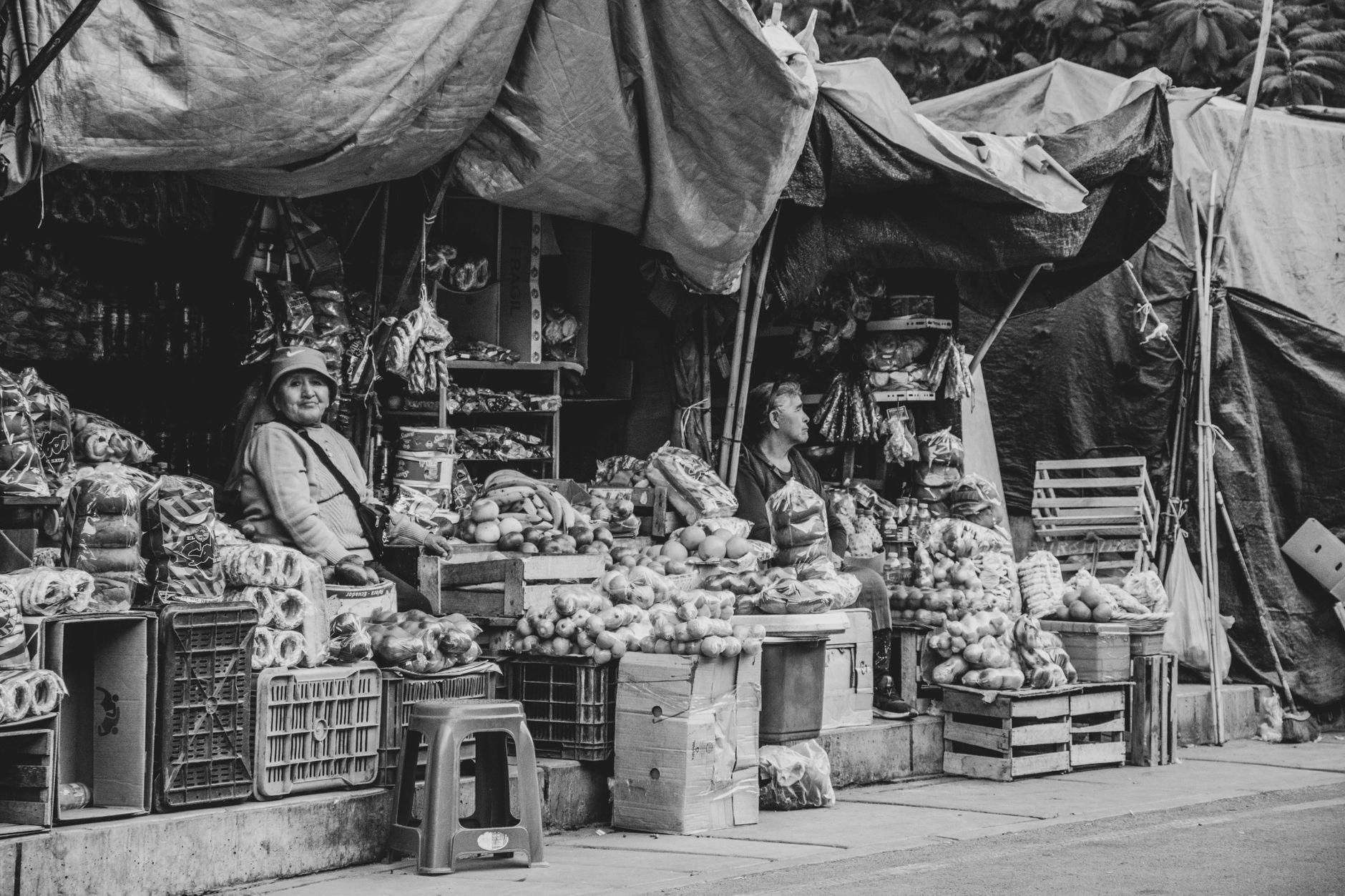
Culturally, many still prefer cash. That's especially true with small vendors and informal merchants. A big part of Thailand's economy is street merchants, food vendors and local shops, all of which don't accept anything but cash. Even transportation, such as tuk-tuk drivers, still prefer cash.
Having at least $30 of cash in your Thai Baht budget will ensure you can pay all the merchants and service providers you encounter.
Cash vs Cards: Where You Can Actually Use Plastic
If you prefer plastic, don't worry. There are still many places that accept cards. Generally, you can expect establishments in heavily touristed areas to accept card payments. Shopping malls, hotels and other formal hotspots in tourist-friendly locales usually accept plastic without issue.
However, you may have to pay an additional fee to use your card. Most merchants charge an extra 3 percent to cover processing fees. In other countries, companies typically absorb those fees. However, that's not the case in Thailand and other places in Southeast Asia. Therefore, you must consider the actual costs of using your card should you choose to do so.
Outside major tourist hubs and formal shopping centers, you'll encounter many cash-only vendors. Local transportation providers, small marketplace sellers, and street food merchants typically only accept cash. Don't let that stop you from enjoying everything they have to offer! The best strategy for visitors is to carry backup cash, like the $30 to $50 we mentioned earlier.
Having that cash on hand will allow you to pay any vendor that doesn't accept plastic, giving you the best of both worlds.
Thailand ATM Fees and How to Minimize Them
Before you can spend cash in your Thai Baht budget, you need to withdraw it from an ATM. ATM fees will apply. The standard is around 220 Baht. That can vary from one bank to the next, but that's the average. Some ATM networks, such as those from Aeon Bank, charge a little less.
In addition to Thailand's ATM fees, you must consider the fees that your bank at home charges. Many financial institutions charge hefty foreign ATM fees, which apply to every transaction. Before you travel, consider opening a new bank account that doesn't charge those fees. Certain types of accounts from Capital One, Discover and Charles Schwab Bank don't charge these fees, helping you get the most value out of every withdrawal. Some also have fee reimbursement features.
Another strategy that many travelers use is making fewer, larger withdrawals rather than several small daily ones. This approach can help you minimize ATM fees across the board.
Best Places to Exchange Money
You can't forget about exchange rates. If you plan to withdraw cash from ATMs, prepare yourself to receive unfavorable exchange rates. ATMs typically use the bank's buy/sell rate, which includes a built-in margin. As a result, the exchange rate is worse than what you'll get at a dedicated exchange booth.
Exchange booths, such as those from SuperRich, offer rates that are close to mid-market rates. Many also offer bonuses for larger withdrawals. These establishments actively compete for tourist dollars, so they provide generous rates to reel you in.
If you plan to use exchange booths, wait until you're out of the airport to do so. City-center booths have noticeably better rates. Those at the airport cater to those who need cash fast. They exploit convenience and often have built-in margins to help pay for the higher operating costs. Those hurdles don't exist at city-center booths, resulting in more favorable rates.
Once you get your money, set some aside for those cash-only vendors. Keep the rest secured, and consider using a money belt or hidden pouch to stash your cash safely.
Get the Most from Your Travel Money with Smart Planning
Proper financial planning can make your trip to Thailand much more enjoyable. Creating a Thailand daily budget that makes sense for you will help you save money and prevent overspending. If you want to save even more, consider using Moreta. Moreta is a platform built for travelers like you. Take advantage of Thailand's growing QR code payment network, make international transfers and lock in favorable mid-market rates without paying a single hidden fee. With Moreta, you can track expenses, save on excessive Thailand ATM fees and keep your money safe. Moreta Pay is a purpose-built platform designed to help you save money and spend strategically.
Download the Moreta Pay app today to set up your account and start planning for your dream Thailand adventure!
Are you planning a trip to the magical "Land of Smiles?" Thailand is a bucket-list destination full of breathtaking sights and a vibrant culture to explore. Whether you're visiting Bangkok to enjoy the modern skyscrapers or Ayutthaya to sink yourself in the country's history, you need to set a budget!
No matter where you go, you'll quickly realize that Thailand is a cash-heavy society. While many establishments accept more modern digital payments, you'll likely use cash throughout your adventure, especially if you venture roads less traveled to immerse yourself in the lives of locals. There are many expenses to consider, and it's essential to have a solid budget. Depending on your preferences, you can spend as little as $30 USD to well over $200 per day.
In this blog, we'll help you create a Thailand daily budget that ensures you can enjoy everything from cozy accommodations to street food, all while managing ATM fees and navigating payment methods.
What You Actually Need Per Day
How much Thailand travel money do you genuinely need to have the time of your life? That all depends on what you're willing and able to spend. The good news is that you can enjoy yourself regardless of the size of your Thai Baht budget. Let's look at a few example budgets.
If you're a budget traveler, you can expect to spend between $30 and $50 a day. In Thai Baht, that's roughly ฿1,000 to ฿1,600. At this price point, you can comfortably venture through the country as a backpacker or solo traveler.
Accommodations will be modest. With that Thai Baht budget, you're limited to basic guesthouses and dormitory-style lodging. Food-wise, you'll get the most bang for your buck eating street food and buying meals at local vendors, all while getting around with public transit and those iconic tuk-tuks.
A mid-range traveler may spend more, with a Thailand daily budget of around $70 to $100 (฿2,200 to ฿3,200). With a little more money, you can stay at 3- or 4-star hotels and boutique accommodations. You'll also have wiggle room to enjoy more mid-range restaurants and catch the occasional private taxi.
If you're willing to shell out cash for a truly luxurious experience, you can expect to spend $150 (฿4,900) or more per day. Private villas and 5-star resorts are on your horizon, and you can enjoy more meals at fine dining establishments. With a bigger budget, you can also enjoy private transportation, chartered services and luxury cruises.
Of course, your Thailand daily budget can vary based on where you're traveling. If you're sticking to Bangkok and exploring islands in southern Thailand, you can expect to pay more than if you were visiting locations in northern Thailand.
How Much Cash Do I Need in Thailand: The Real Answer
Realistically, most travelers recommend having between $30 and $50 of cash on hand every day. Even if you plan to spend more, that range is a good rule of thumb. Many merchants accept cards and digital payments, but Thailand remains a cash-dependent country.
Older generations tend to trust cash more than alternative forms of payment. Furthermore, the necessary infrastructure is not yet in place for widespread digital payments. Limited connectivity makes it impossible for many merchants to accept alternative forms of payment outside major cities, such as Bangkok.
Culturally, many still prefer cash. That's especially true with small vendors and informal merchants. A big part of Thailand's economy is street merchants, food vendors and local shops, all of which don't accept anything but cash. Even transportation, such as tuk-tuk drivers, still prefer cash.
Having at least $30 of cash in your Thai Baht budget will ensure you can pay all the merchants and service providers you encounter.
Cash vs Cards: Where You Can Actually Use Plastic
If you prefer plastic, don't worry. There are still many places that accept cards. Generally, you can expect establishments in heavily touristed areas to accept card payments. Shopping malls, hotels and other formal hotspots in tourist-friendly locales usually accept plastic without issue.
However, you may have to pay an additional fee to use your card. Most merchants charge an extra 3 percent to cover processing fees. In other countries, companies typically absorb those fees. However, that's not the case in Thailand and other places in Southeast Asia. Therefore, you must consider the actual costs of using your card should you choose to do so.
Outside major tourist hubs and formal shopping centers, you'll encounter many cash-only vendors. Local transportation providers, small marketplace sellers, and street food merchants typically only accept cash. Don't let that stop you from enjoying everything they have to offer! The best strategy for visitors is to carry backup cash, like the $30 to $50 we mentioned earlier.
Having that cash on hand will allow you to pay any vendor that doesn't accept plastic, giving you the best of both worlds.
Thailand ATM Fees and How to Minimize Them
Before you can spend cash in your Thai Baht budget, you need to withdraw it from an ATM. ATM fees will apply. The standard is around 220 Baht. That can vary from one bank to the next, but that's the average. Some ATM networks, such as those from Aeon Bank, charge a little less.
In addition to Thailand's ATM fees, you must consider the fees that your bank at home charges. Many financial institutions charge hefty foreign ATM fees, which apply to every transaction. Before you travel, consider opening a new bank account that doesn't charge those fees. Certain types of accounts from Capital One, Discover and Charles Schwab Bank don't charge these fees, helping you get the most value out of every withdrawal. Some also have fee reimbursement features.
Another strategy that many travelers use is making fewer, larger withdrawals rather than several small daily ones. This approach can help you minimize ATM fees across the board.
Best Places to Exchange Money
You can't forget about exchange rates. If you plan to withdraw cash from ATMs, prepare yourself to receive unfavorable exchange rates. ATMs typically use the bank's buy/sell rate, which includes a built-in margin. As a result, the exchange rate is worse than what you'll get at a dedicated exchange booth.
Exchange booths, such as those from SuperRich, offer rates that are close to mid-market rates. Many also offer bonuses for larger withdrawals. These establishments actively compete for tourist dollars, so they provide generous rates to reel you in.
If you plan to use exchange booths, wait until you're out of the airport to do so. City-center booths have noticeably better rates. Those at the airport cater to those who need cash fast. They exploit convenience and often have built-in margins to help pay for the higher operating costs. Those hurdles don't exist at city-center booths, resulting in more favorable rates.
Once you get your money, set some aside for those cash-only vendors. Keep the rest secured, and consider using a money belt or hidden pouch to stash your cash safely.
Get the Most from Your Travel Money with Smart Planning
Proper financial planning can make your trip to Thailand much more enjoyable. Creating a Thailand daily budget that makes sense for you will help you save money and prevent overspending. If you want to save even more, consider using Moreta. Moreta is a platform built for travelers like you. Take advantage of Thailand's growing QR code payment network, make international transfers and lock in favorable mid-market rates without paying a single hidden fee. With Moreta, you can track expenses, save on excessive Thailand ATM fees and keep your money safe. Moreta Pay is a purpose-built platform designed to help you save money and spend strategically.
Download the Moreta Pay app today to set up your account and start planning for your dream Thailand adventure!
More Update
More Update
More Update
Apple/GPay now available. Sign up for updates.