
How to Pay in Malaysia as a Traveler (Without Getting Ripped Off)
The first time I landed in Kuala Lumpur, I made the classic tourist mistake. I queued at the airport currency exchange, handed over a chunk of USD, and watched the cashier count out ringgit at a rate I didn't bother to question. I was tired, I was hungry, and I just wanted to get to my hotel.
By the time I got to my room and ran the numbers, I'd lost the equivalent of a full day of street food. That one lazy decision cost me a dozen bowls of laksa. Never again.
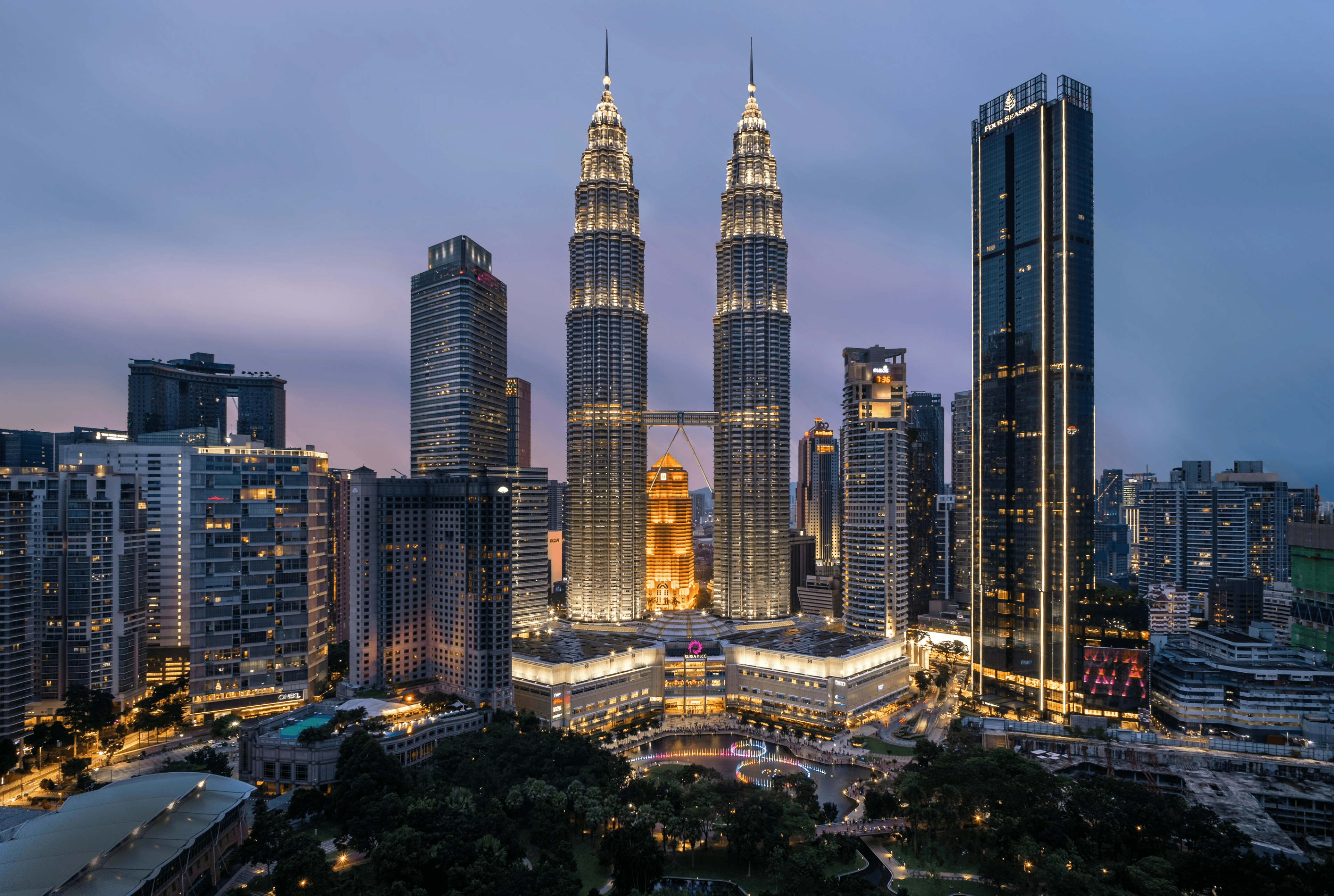
Malaysia is one of the most rewarding countries to visit in Southeast Asia. Kuala Lumpur alone could keep you busy for weeks — the food scene rivals anywhere in the world, the Petronas Towers are genuinely jaw-dropping in person, and Penang's Georgetown is one of those places that makes you rethink your whole travel timeline. But if you show up without a plan for how you're actually going to pay for things, you'll bleed money in ways you won't even notice until it's too late.
Here's what you actually need to know about paying in Malaysia as an international traveler.
Malaysia Is More Cashless Than You Think
Let's clear something up. A lot of travel blogs still describe Malaysia as a "cash-first" destination. That was true maybe five years ago. Today, it's a different story.
Malaysia has built one of the most mature digital payment infrastructures in Southeast Asia, anchored by a system called DuitNow QR. Launched under Bank Negara Malaysia's interoperability framework and managed by Payments Network Malaysia (PayNet), DuitNow QR is the national QR standard that unifies the country's banks and e-wallets under a single scannable code.
What this means in practice: a merchant only needs to display one QR code, and customers can pay from any participating bank or digital wallet app. You'll see DuitNow QR codes at hawker stalls, shopping malls, convenience stores, taxis, and everything in between. In cities like KL, George Town, and Johor Bahru, cashless acceptance has become the norm rather than the exception.
The catch? Most DuitNow apps are tied to Malaysian bank accounts, which you almost certainly don't have. That's where international travelers hit a wall — and where a little preparation makes all the difference.
The Cash vs. Card vs. QR Debate
Before getting into solutions, it's worth understanding what each payment option actually costs you.
Cash is the obvious fallback, but it comes with real costs. Airport exchange booths and hotel desks offer some of the worst rates you'll find. Money changers in cities like KL's Bukit Bintang area are much better — locals will point you to the ones on Jalan Tuanku Abdul Halim — but you're still subject to variable rates, handling fees, and the general hassle of carrying physical ringgit around.
Credit and debit cards are widely accepted in malls, upscale restaurants, and chain hotels. But if your card charges foreign transaction fees (often 2–3%), and your bank applies its own exchange rate markup on top of that, you're paying a quiet tax on every single swipe. It adds up. A two-week trip with daily card transactions can easily cost you $30–$50 in fees you never explicitly agreed to.
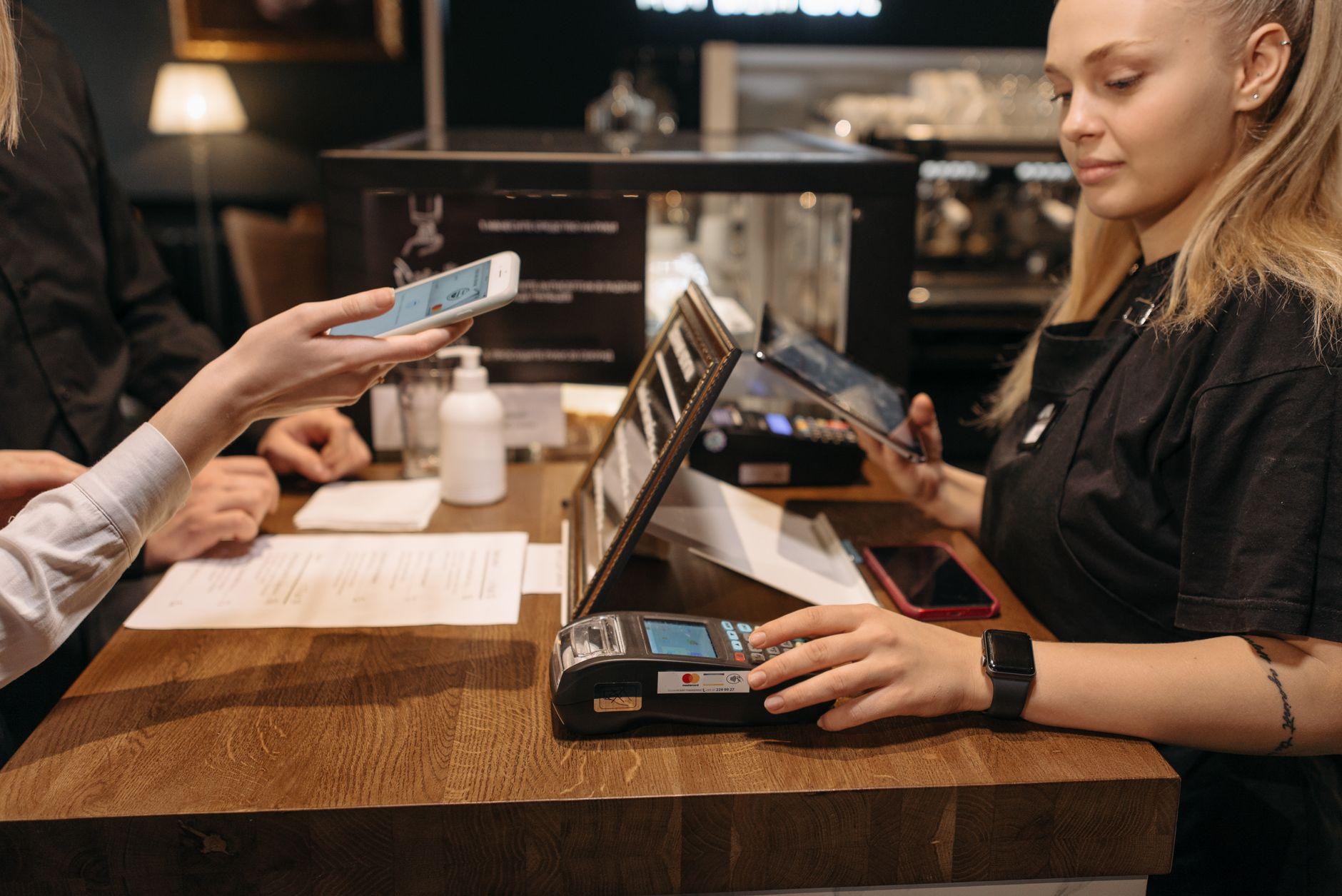
QR payments are where things get interesting. Pay the way locals do and you get real-time exchange rates, no markup, and a receipt right on your phone. The problem, historically, has been access — local QR networks aren't designed with foreign visitors in mind.
That's changing. Apps like Moreta were built specifically to solve this problem. Instead of needing a Malaysian bank account to tap into DuitNow QR, you load up your Moreta wallet from home, and when you're in Malaysia, you scan the same QR codes that every local uses. The conversion happens in real-time at the mid-market rate. No markup, no surprises. The merchant gets their ringgit instantly, and you get a clear receipt showing exactly what you paid and what rate you got.
Where You'll Actually Use QR Codes in Malaysia
If you're planning a trip, it helps to think through where cashless payments show up day-to-day.
Street food and hawker centres — This is what Malaysia is famous for, and it's also where cash has traditionally dominated. But increasingly, even small hawker stalls in places like Jalan Alor in KL or the UNESCO-listed hawker centres of Penang are displaying DuitNow QR codes. A quick scan, confirm the amount, done. No coins, no change issues.
Grab and ride-hailing — Malaysia is one of Grab's strongest markets. If you already have Grab set up with a card on file, you're covered. But for anything not covered by the app, QR payments are your next best option.
Convenience stores and pharmacies — 7-Eleven, MyNews, and Guardian pharmacies are everywhere. Most now accept QR payments at checkout, making small purchases for water, snacks, or toiletries seamless.
Markets and independent shops — Petronas station shops, local boutiques in Georgetown, night markets in Kota Kinabalu — QR acceptance has pushed well beyond the city centres. In Sabah and Sarawak on the Borneo side, it's a bit patchier, but in urban areas, you'll rarely need cash.
Transportation beyond Grab — The KL Monorail and MRT accept Touch 'n Go card (a local transit card you can pick up at most stations), but for buses, taxis, and ferry crossings, having some ringgit as backup is still smart. Carry a small amount of cash for these scenarios and let digital payments handle everything else.
A Quick Note on ATMs
ATMs are available throughout Malaysia — CIMB, Maybank, and Hong Leong Bank branches are common in most towns. If you need cash, they work fine. But the fees stack up fast: your home bank likely charges a foreign ATM fee, the local bank may charge one too, and the exchange rate built into the transaction is rarely the best available.
If you're going to use ATMs, use them as little as possible. Withdraw larger amounts less frequently rather than hitting the machine every couple of days. And always decline the option to "convert to your home currency" at the machine — that's Dynamic Currency Conversion (DCC), and it will always offer you a worse rate than letting your bank handle it.
Better yet, rely on QR payments for the bulk of your spending and only carry a small ringgit reserve for the rare cash-only situation.
Getting Set Up Before You Land
The thing about Malaysia is that it rewards preparation. Kuala Lumpur's KLIA airport is huge, and the queue at the currency exchange on arrival is always longer than you'd like. If you land with your payment setup already sorted, you walk straight past all of that.
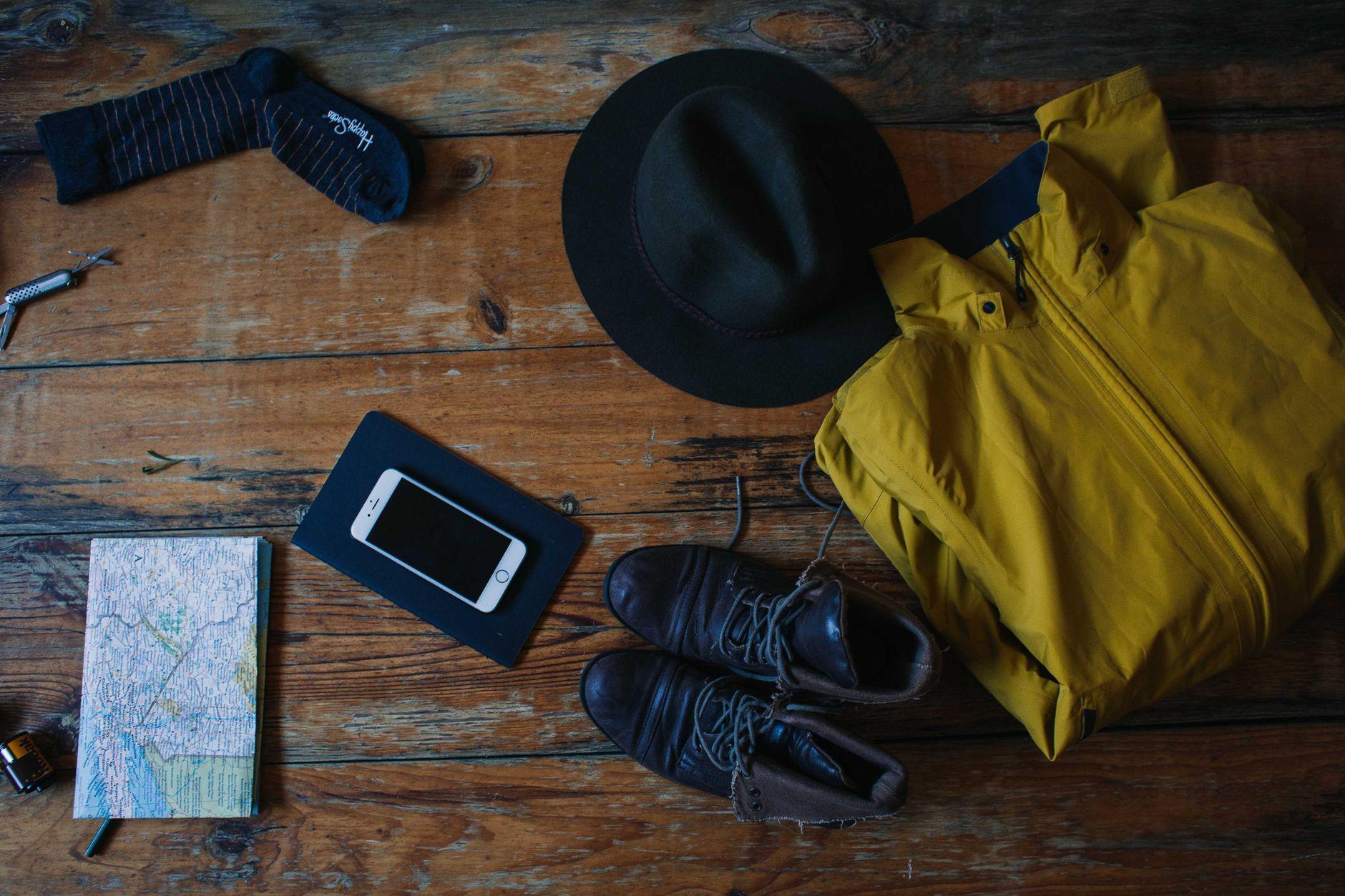
Here's what to do before your flight:
1. Download Moreta and top up your wallet. The app connects to your home bank account or lets you top up with a card. Once funded, you're ready to scan QR codes the moment you clear customs. Get set up at moretapay.com — the whole process takes about ten minutes.
2. Notify your home bank. If you're planning to use your debit card as a backup, let your bank know you're traveling. Nothing kills the mood like a blocked card at dinner.
3. Grab a small amount of local currency. Not from the airport exchange if you can avoid it. City money changers offer meaningfully better rates. But having 50–100 MYR on hand for the taxi from the airport or a cash-only food stall is a sensible backup.
4. Download offline maps. Google Maps works well in Malaysia, but having an offline version of KL or Penang downloaded means you're not burning data figuring out where you are right after landing.
What About Tipping?
Malaysia is generally not a tipping culture. Service charges of 10% are common at sit-down restaurants and are almost always included in the bill. You don't need to add anything on top, and staff won't expect it. A small gesture at a guesthouse or for genuinely exceptional service is appreciated but never required. One less thing to fumble with coins for.
A Real-World Scenario
Picture this: you're spending a morning at Chow Kit wet market in KL — one of the most vibrant, chaotic, wonderful food markets in Southeast Asia. You want a bowl of congee from the stall in the corner, a bag of rambutans from the fruit vendor, and a sugarcane juice from the guy who's been running that cart for twenty years.
A few years ago, you'd need cash for all three. Today, two of those three vendors almost certainly have a QR code taped to the front of their stall. You open Moreta, scan, confirm. Done. The congee costs RM6. You can see the exact conversion to your home currency right there on screen. No guessing, no rounding, no "sorry no change."
That's the experience Malaysia's digital payment system actually offers when you're set up to use it properly.
The Bottom Line
Malaysia's payment landscape has evolved faster than most travelers realize. DuitNow QR is embedded into everyday commerce across the country, from luxury malls to street food stalls. The challenge has always been that foreign visitors couldn't easily access those networks — but that barrier is disappearing.
With Moreta, you tap into the same infrastructure locals use: real exchange rates, no hidden fees, and payment confirmation in seconds. Pair that with a small cash reserve for genuinely cash-only situations, and you'll move through Malaysia the way a frequent visitor does — smoothly, cheaply, and without ever having to wonder if you got a fair rate.
Set it up before you fly. Your laksa fund will thank you.