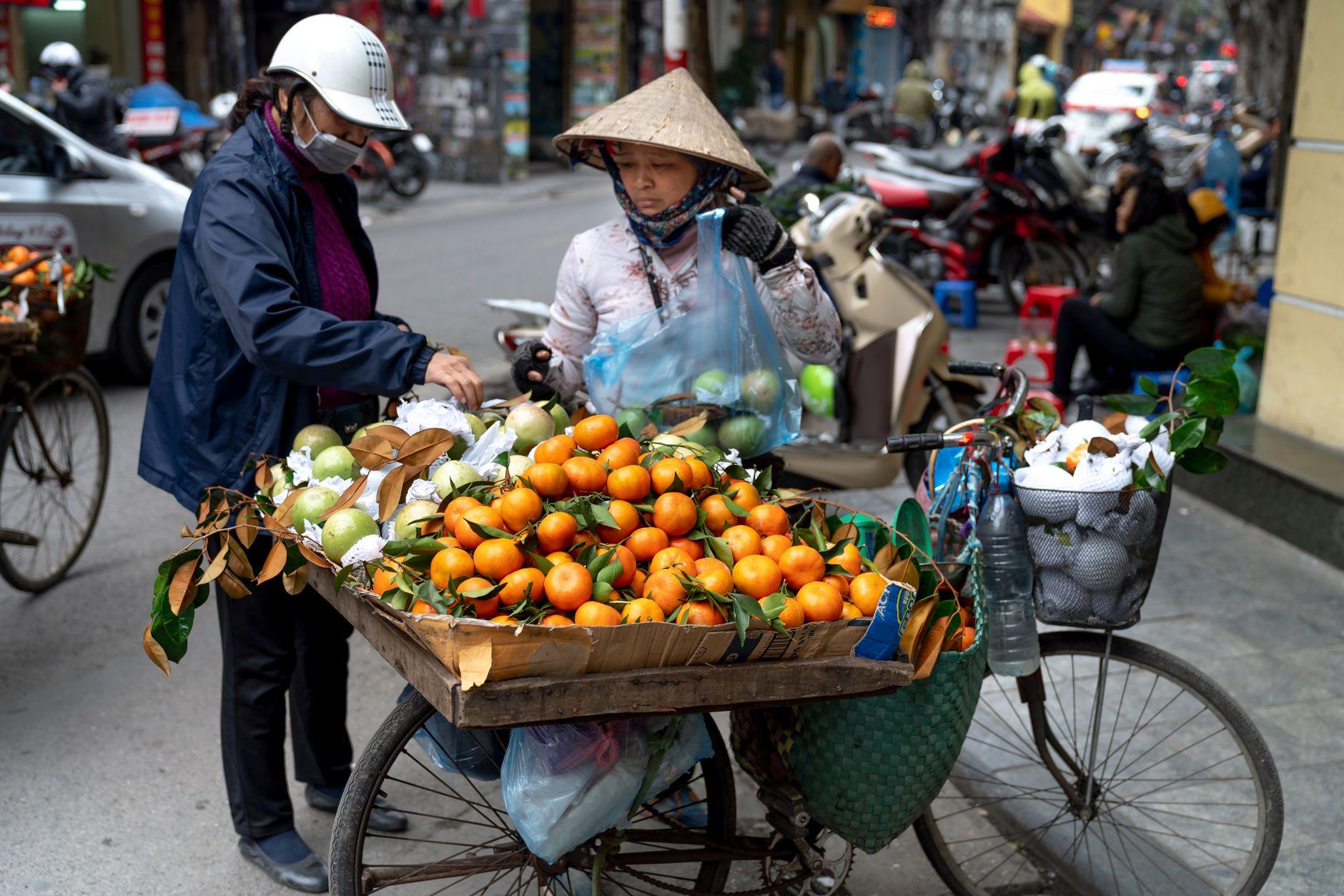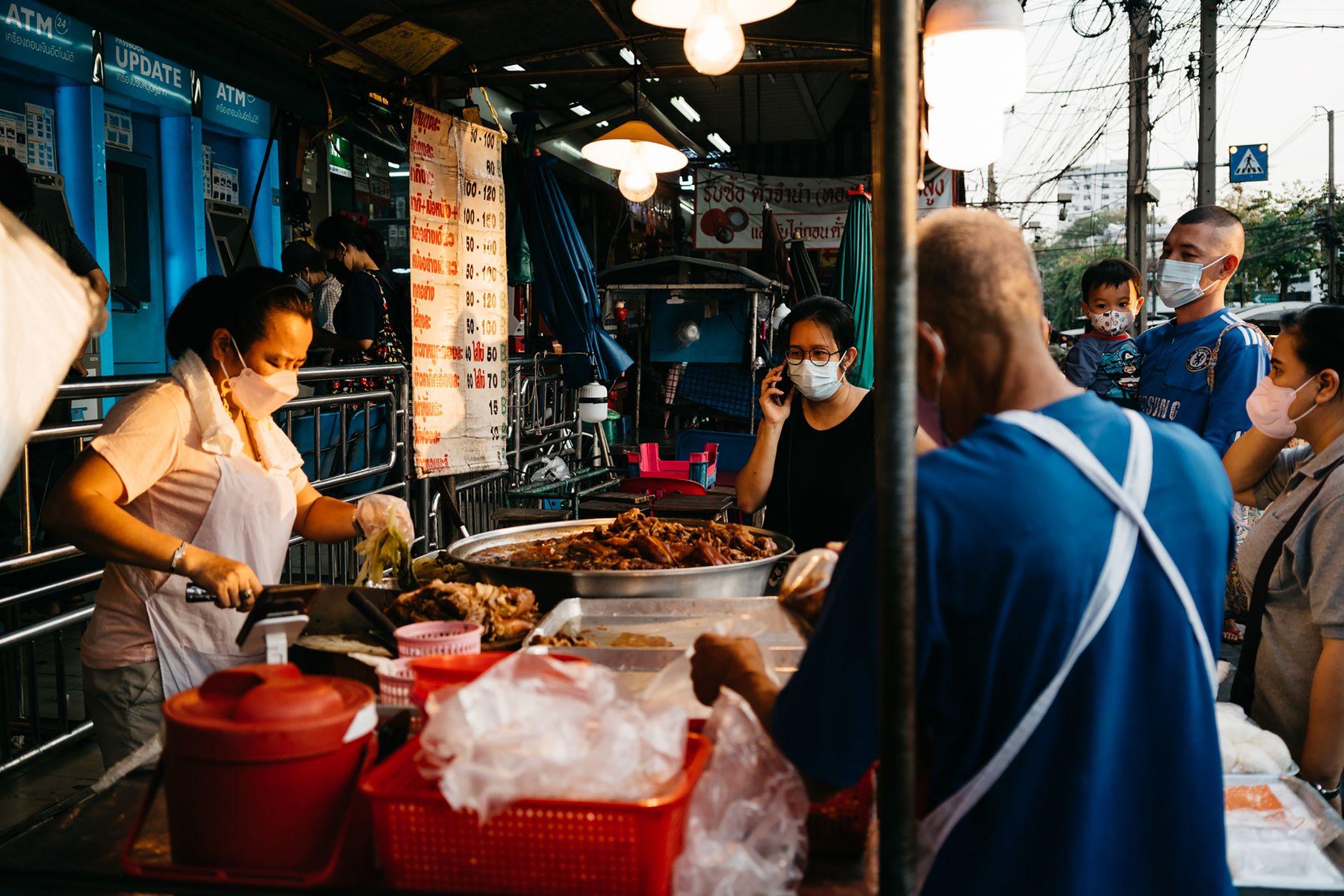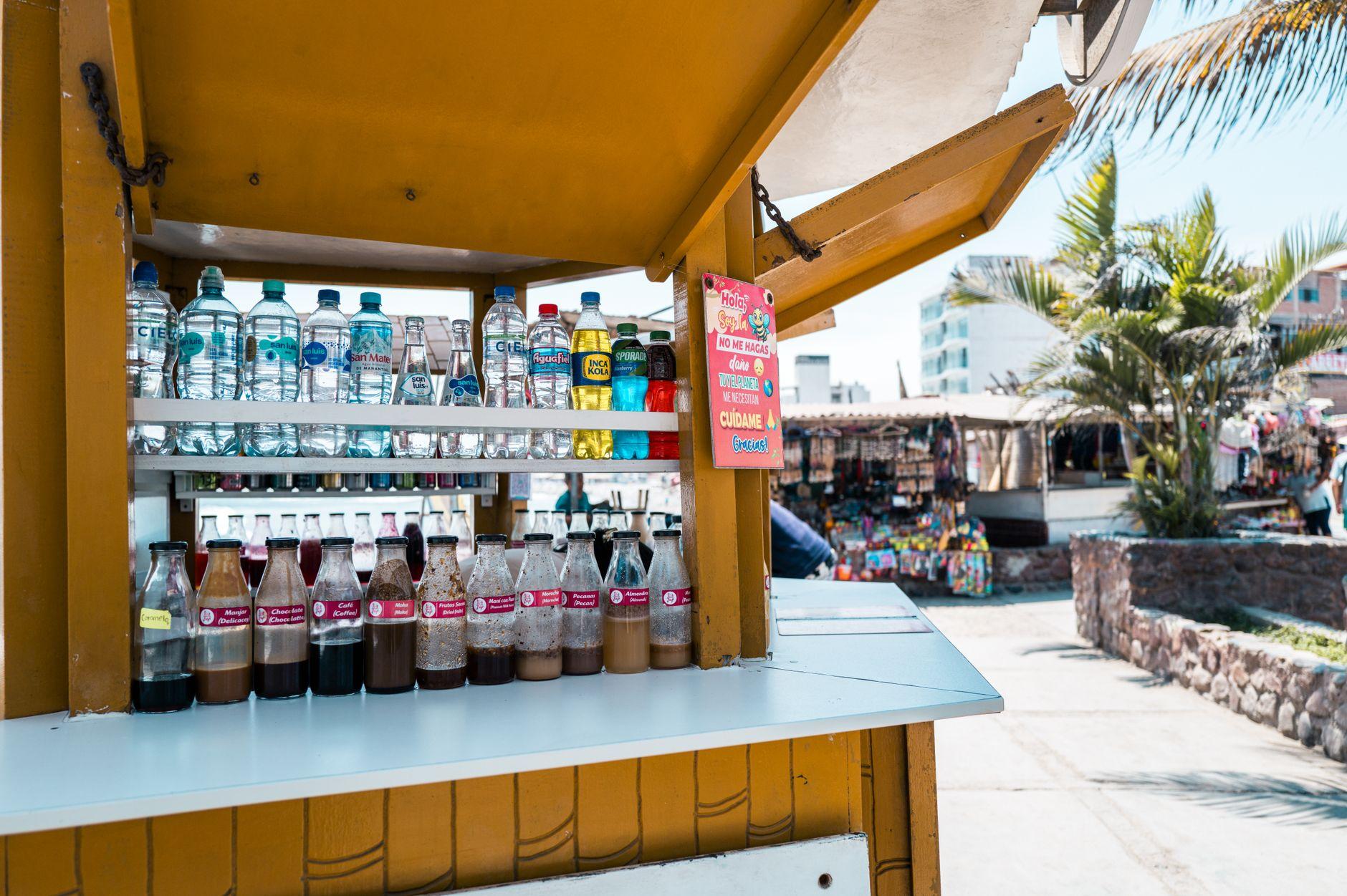

Here's the thing nobody puts in the Machu Picchu guides: Peru quietly went through a payments revolution while everyone was looking at Brazil. Walk through any mercado in Lima, any bodega in Cusco, any juice cart in Arequipa, and you'll see the same two purple and turquoise stickers taped to the counter: Yape and Plin. Locals barely carry cash anymore. Street vendors selling picarones for five soles take QR payments. The lady renting sandboards in Huacachina takes QR payments.
And as a tourist, you've historically been locked out of all of it.
The Two Apps Running Peru
Yape is the big one. Built by BCP, Peru's largest bank, it's now used by well over 15 million Peruvians — in a country of 34 million, that's basically everyone with a smartphone. Payments are instant, free between users, and accepted everywhere from formal restaurants to the guy selling emoliente from a cart at 6am.
Plin is the challenger, backed by a coalition of the other big banks (BBVA, Interbank, Scotiabank). Same idea, slightly smaller network. The good news is that Peru pushed interoperability a couple of years ago, so most merchants who take one now take both, and plenty of counters just show a single QR code that works for either.
The catch for visitors: registering for either app traditionally requires a Peruvian phone number and a local bank account, which requires a DNI or carné de extranjería. If you're in the country on a tourist stamp for three weeks, that's a dead end.
What Tourists Have Been Stuck With
Without QR access, your options in Peru have looked like this:
- ATMs that charge foreign cards steep fixed fees — often S/ 20 to S/ 35 per withdrawal on top of whatever your home bank adds. Pull out soles four or five times on a two-week trip and you've donated a decent dinner in Barranco to the banks.
- Credit cards, which work fine at hotels and chain restaurants but get you nowhere at markets, colectivos, small guesthouses, or roughly 70% of the places you actually want to eat. And when they do work, watch for terminals offering to charge you in your home currency — that's dynamic currency conversion, and it quietly costs you an extra 3–5% every time. Always choose soles.
- Cash, which still matters in Peru (more on that below), but comes with the counting, the counterfeit-checking, and the constant hunt for small bills because nobody can break a S/ 100 note.
How to Use Yape QR Codes Without a Peruvian Bank
This is where Moreta Pay changes the math. Moreta launched across Latin America this year, and Peru's QR network is live in the app. When you scan a Yape code at a ceviche counter in Miraflores, the merchant gets paid instantly on their end, same as if a local had done it. They don't need to do anything different, and neither do you.
No Peruvian bank account. No DNI. No SIM card gymnastics.
Setup takes about five minutes:
- Download Moreta from the App Store or Google Play and verify with your passport and a selfie.
- Top up in your home currency before you fly — bank transfer or debit card, ideally on home WiFi rather than airport roaming.
- Scan the QR code at the counter.
- Check the amount in soles, glance at the live exchange rate the app shows you, and confirm.
- The vendor's phone buzzes with the confirmation a second later. Done.
Moreta charges a flat 1.5% on QR payments in Latin America, with the real exchange rate shown before every transaction. Compare that to the 6–7% you bleed through a typical ATM-plus-conversion combo and it's not close. More detail on how the QR payment feature works is on the site.
Where You'll Actually Scan
Once you can pay by QR in Peru, you'll use it constantly:
- Menú del día lunch spots, where a full three-course meal runs S/ 12–18
- Mercados like Surquillo in Lima or San Pedro in Cusco
- Taxis and mototaxis (agree the price first — that part hasn't changed)
- Small hostels and family-run guesthouses that don't take cards
- Tour operators for Rainbow Mountain, the Sacred Valley, Colca Canyon
- Corner bodegas, pharmacies, fruit vendors, basically anyone with a laminated QR taped to a wall
Do You Still Need Cash?
Yes — some. Peru is far along the QR curve but not as far as Brazil. Keep S/ 100–200 in small notes for:
- Remote areas and small villages on trekking routes, where signal (and therefore QR) disappears
- Public bathrooms (usually S/ 1)
- Tips for guides and porters
- The occasional stubborn colectivo driver
Get your soles from an ATM inside a bank branch rather than a standalone machine, and skip the airport exchange counters entirely — the rates are the worst in the country.
Cards: Fine, but Know Their Lane
Visa and Mastercard work well at hotels, malls, chain restaurants and anywhere in touristy Miraflores. Amex is hit-or-miss. Outside the polished zones, acceptance falls off fast, and minimum-purchase requirements are common. Cards are your backup for big bills, not your daily driver. And again: if a terminal asks "charge in USD or PEN?", the answer is always PEN.
One Wallet, Whole Trip
If Peru is one stop on a longer route — Cusco this month, Buenos Aires next, maybe Bangkok after that — the same Moreta balance covers Yape here, MODO in Argentina, Pix in Brazil and PromptPay in Thailand. Top up once, scan on three continents. That's the whole pitch.
Grab the app before you fly (App Store / Google Play), and if anything gets weird mid-trip, the Help Center has answers and actual humans behind it.
Peru's already paying by QR. Now you can too.