

The QR Codes You Can't Scan
The mango sticky rice lady on Sukhumvit Soi 38 has a QR code taped to her cart, and it is not for you. It's for the office workers ahead of you in line, who scan it with their Thai banking apps and drift off without breaking conversation. You, meanwhile, are holding a phone with three banking apps, two travel cards, and Apple Pay — a small fortune in fintech — and none of it can read that little black-and-white square. She takes your crumpled banknote with the practiced patience of someone who deals with tourists all day.
Here's the uncomfortable truth about Asia's cashless revolution: it wasn't built for visitors. We've written about how QR payments swallowed Cambodia, China, and Argentina — but every one of those stories has a footnote that matters enormously if you're the one traveling: these systems run on local bank accounts, and you don't have one.
The Membership Problem
Take Thailand, where the national PromptPay system handles the daily payments of an entire country. The catch for a visitor is that PromptPay is tied to a Thai bank account or Thai phone number — neither of which tourists can realistically get. Your Revolut card, your Wise account, your home banking app: to the noodle stall's QR code, they simply don't exist. Thaiger
It gets more specific than that. Thai vendors use two kinds of codes — merchant QRs issued through banks and payment processors, and personal QRs tied to an individual's phone number or ID. Street food stalls, market vendors, and taxis overwhelmingly use the personal kind, which doesn't accept foreign payment apps or cards at all. So the fancier the restaurant, the more likely your card works — and the better the food, the more likely it doesn't. There's probably a law of travel in there somewhere. Blogarama
"Just Use Your Card" Doesn't Survive Contact With a Night Market
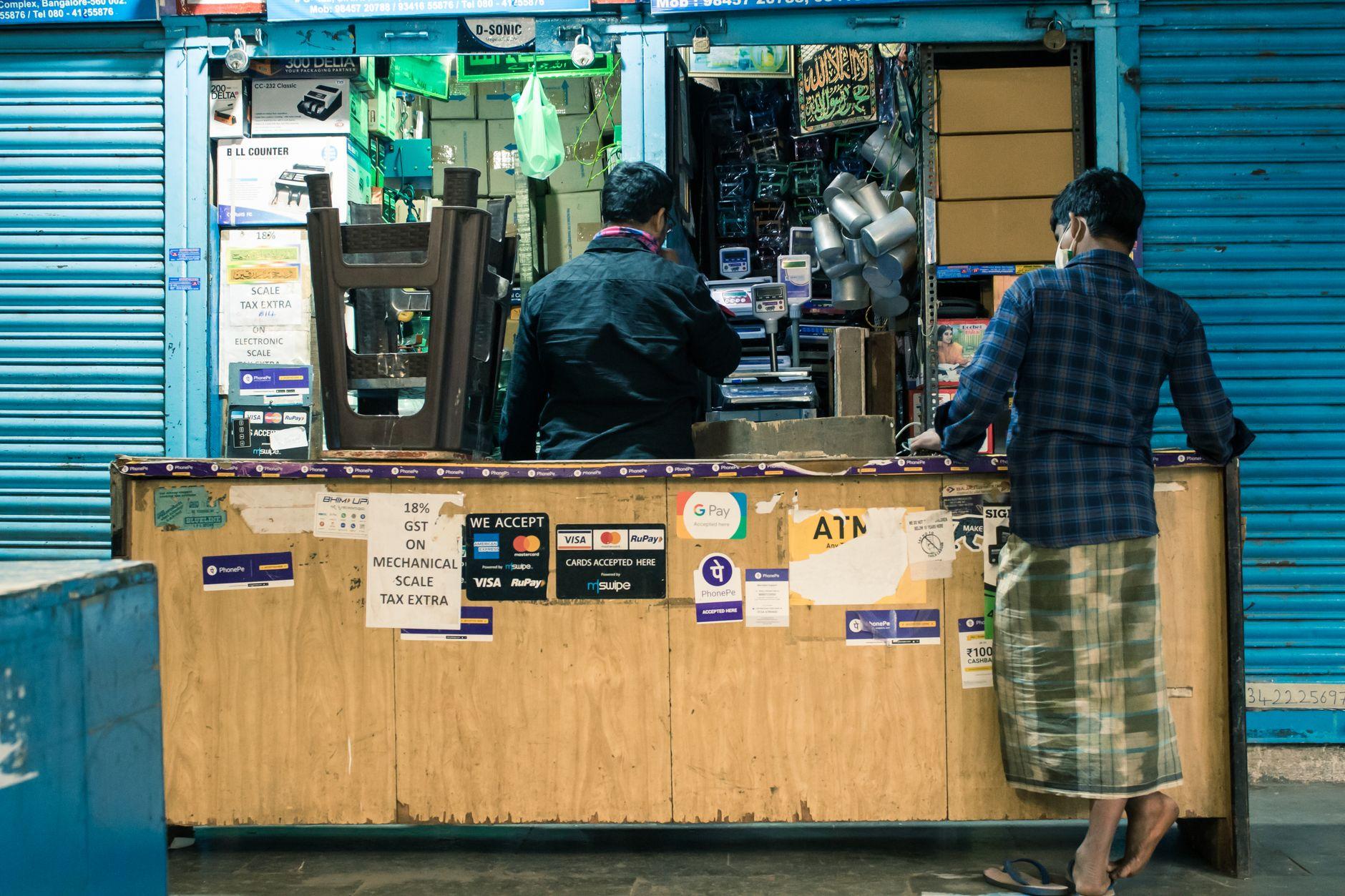
The standard advice — bring a Visa, you'll be fine — holds up right until you leave the mall. Foreign cards work at hotels, chain restaurants, and shopping centres; street vendors and small shops remain cash-only from a card's point of view. Even the tap-to-pay ecosystem has a velvet rope: Apple Pay and Google Pay work at 7-Eleven and the big chains, but not at independent shops. New Asia LivingNew Asia Living
And this isn't a Thailand quirk. The same pattern repeats in Vietnam with VietQR, in Indonesia with QRIS, in Malaysia with DuitNow. The systems are brilliant — genuinely some of the best payment infrastructure on earth — but they're brilliant for locals. The tourist experience is standing in a country that has largely stopped using cash, holding nothing but cash.
The Club Within the Club
Here's the twist that makes it sting a little more. If you're traveling within Asia, the walls are already coming down. Visitors from China, Malaysia, Singapore, Vietnam, Cambodia, Indonesia, Laos, Hong Kong, Korea, and Japan can scan Thai QR codes directly from their own home banking apps — an arrangement confirmed by the Bank of Thailand. The ASEAN payment connectivity initiative has stitched national QR systems together so that a traveler's home bank or e-wallet works across borders. wise
A Malaysian in Bangkok scans and pays like she's at home. A Singaporean in Phnom Penh, same thing. The region has quietly built a scannable club — and if your bank is in London, Sydney, or Chicago, you're not in it.
The Workaround Industry
Where there's friction, there's a cottage industry. Thailand alone has spawned a whole genre of tourist-wallet workarounds: apps like TAGTHAi that you top up at bank exchange booths in airports and department stores before you can scan anything, and local wallets whose signup process has become travel-blog folklore. One popular method involves withdrawing baht from an ATM with a foreign card, then walking into a 7-Eleven to deposit that cash over the counter into a local wallet — which is a lot of steps to avoid carrying the cash you just withdrew. Even then, foreigner accounts are often restricted to store payments and blocked from scanning the personal QR codes that street vendors actually use. wise + 2
Every one of these hacks works, sort of, in one country, with effort. Cross a border and you start over: new wallet, new verification, new exchange booth, new folklore.
What to Actually Do
The honest playbook for Southeast Asia right now looks like this. Keep a foreign card for hotels, malls, and anywhere with air conditioning and a printed receipt. Carry a modest amount of local cash, because a few holdouts will always want it. And for everything in between — the night markets, the tuk-tuks, the noodle carts, which is to say the entire reason you came — you need something that speaks the local QR language without demanding a local bank account.
That last piece is exactly what Moreta is: one wallet, topped up once, that scans local payment codes across Southeast Asia — so the mango sticky rice lady's QR code is finally for you too. Download the app before you fly, and skip the 7-Eleven cash-deposit pilgrimage entirely.