
Ask five travelers how to handle money in the Philippines and you’ll get five confident, contradictory answers. Bring stacks of cash. Never bring cash. Get GCash on day one. Don’t bother, foreigners can’t get it. Use ATMs. Avoid ATMs like the plague.
The truth is that the Philippines runs two money systems at once. Cities like Manila and Cebu have gone heavily digital around QR Ph, the national QR standard that GCash and Maya both plug into. Meanwhile, a sari-sari store on a back road in Bohol still wants pesos, folded, slightly damp from your pocket. Most of the bad advice comes from people who only saw one half of that picture. So let’s take the myths one at a time.
Myth 1: “You need GCash to pay like a local”
Half true, and the half that’s false matters. Yes, GCash and Maya dominate daily life here. The blue and green QR standees are on counters everywhere, from Jollibee to the fruit vendor outside your hostel. But GCash is famously difficult for a visiting foreigner to set up. You typically need a Philippine SIM and locally accepted ID, and the verification process was built with residents in mind, not someone landing at NAIA for three weeks.
Here’s the part the myth misses: the QR code on the counter usually isn’t a GCash code or a Maya code. It’s a QR Ph code, the interoperable national standard, which is why a GCash user can scan a Maya merchant’s code and vice versa. That interoperability is also what lets an app like Moreta Pay work here. You scan the same QR Ph code the locals scan, you see the peso amount and the FX rate before confirming, and the merchant gets paid instantly in pesos. No Philippine SIM, no local ID, no local bank account. The situation is a lot like Peru, where visitors are locked out of Yape but not out of the QR codes themselves, something we covered in our guide to paying in Peru without Yape.
Myth 2: “ATMs are the cheapest way to get pesos”
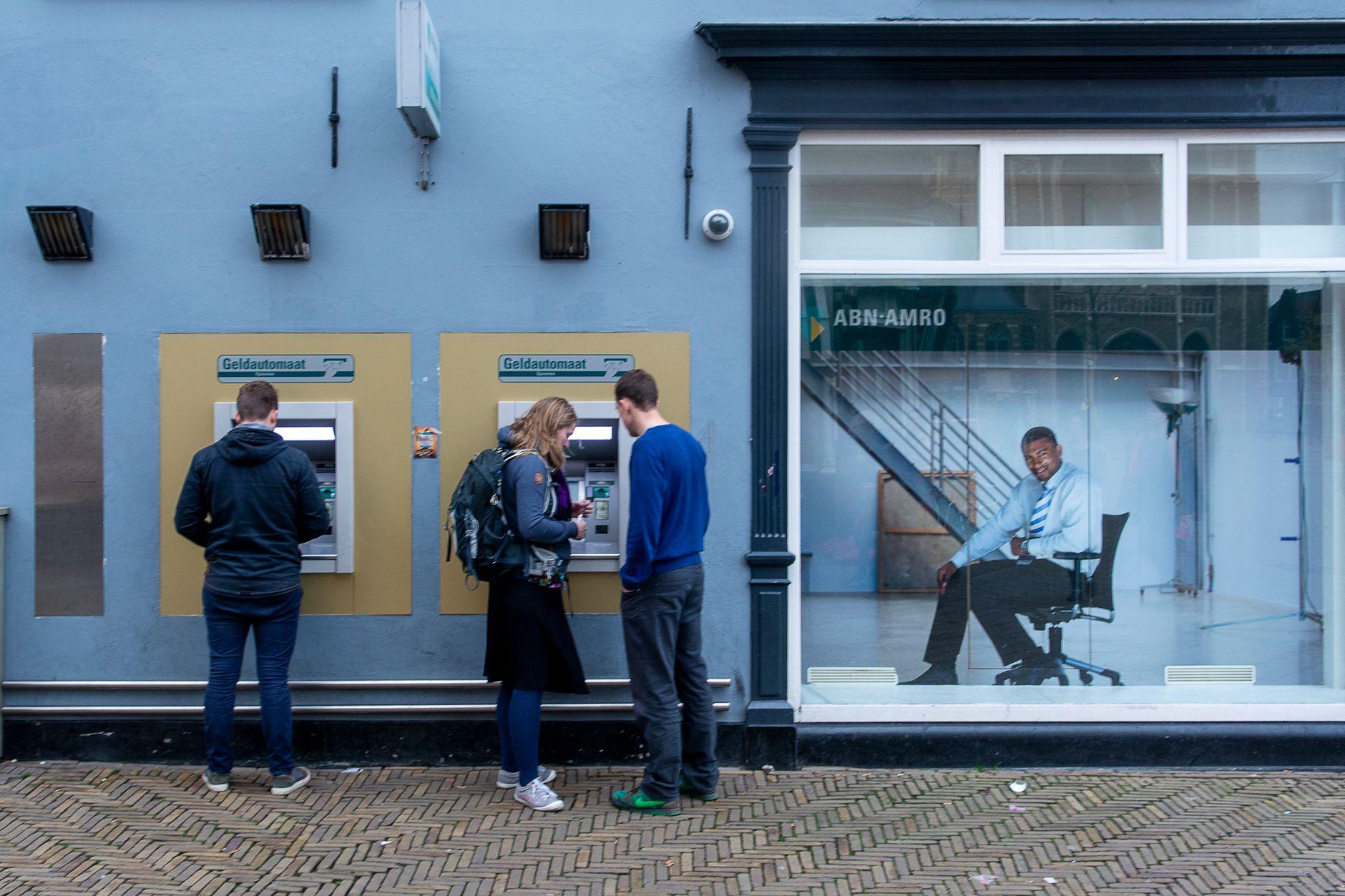
Philippine ATMs charge foreign cards a fee per withdrawal, on top of whatever your home bank adds, and withdrawal limits per transaction tend to be modest. That combination is brutal. A low ceiling per withdrawal plus a flat fee each time means the fee eats a bigger percentage of every batch of pesos, and you end up doing the ATM run again three days later.
Then there’s the dynamic currency conversion trap: the screen offers to charge you in your home currency “for convenience,” at a rate the ATM operator sets. Always decline and choose pesos. But the better move is to reduce how often you face that screen at all, by paying digitally wherever a QR code exists and saving your cash for the places that genuinely need it.
Myth 3: “Tourist areas take credit cards, so you’re fine”
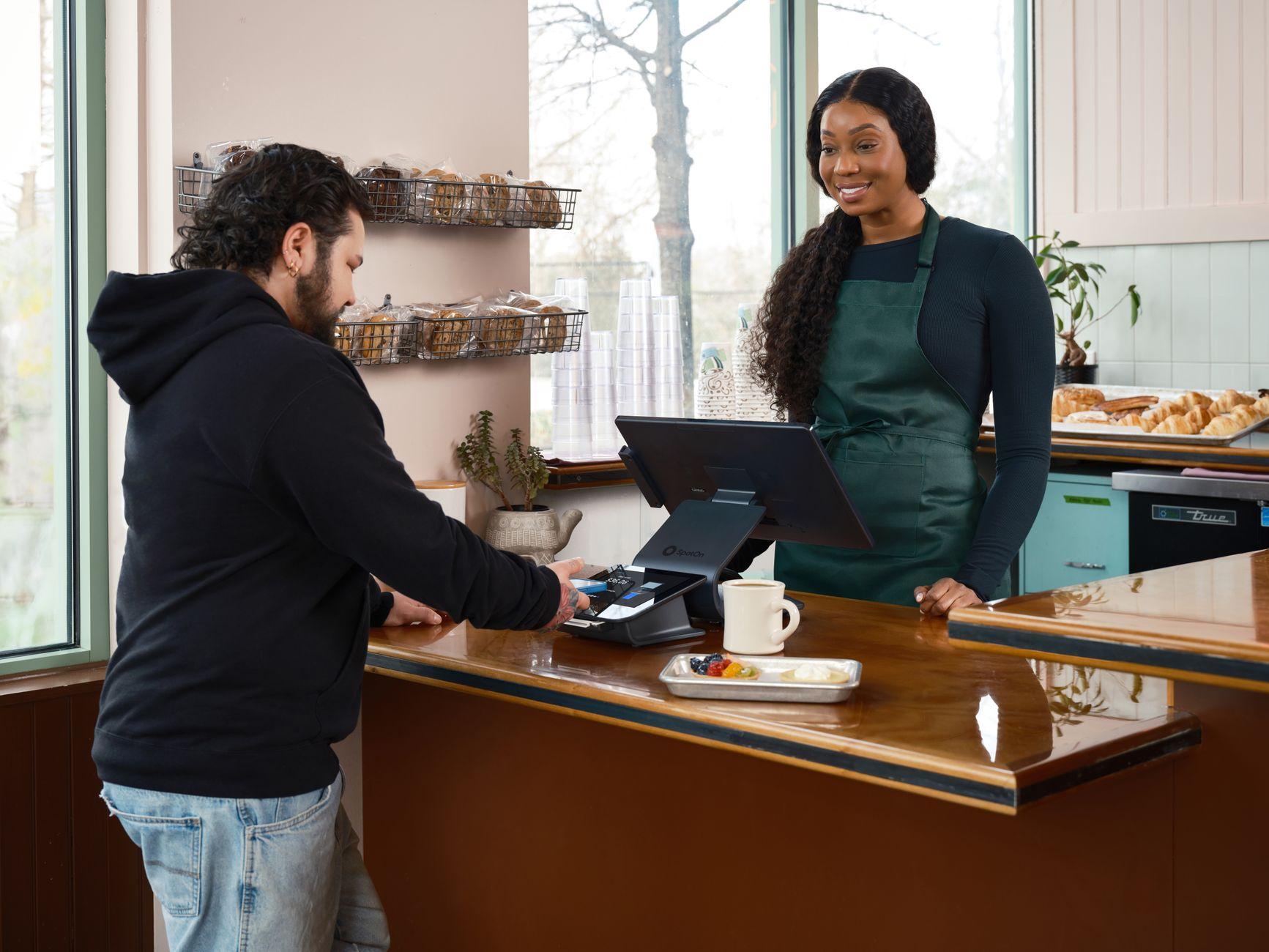
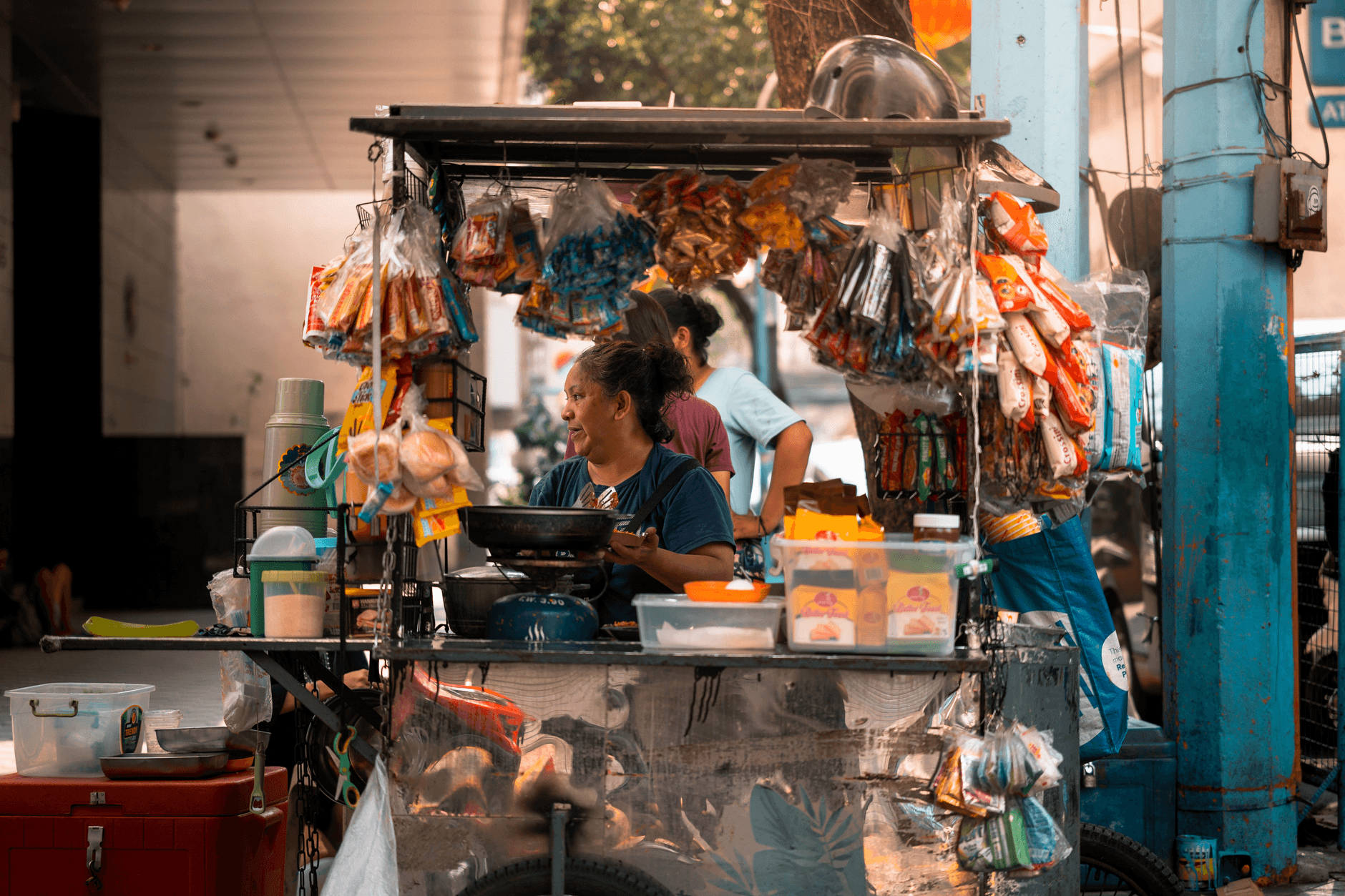
Hotels, malls, and larger restaurants in Makati or BGC, sure. But so much of what makes the Philippines fun happens below the card terminal line. The tricycle to the beach. The carinderia lunch. The banana cue from a street cart. The habal-habal ride up to a viewpoint. None of these take Visa, and many will look at a card the way you’d look at someone trying to pay with a check.
What a surprising number of them do have is a QR Ph code taped to a post or laminated on the counter, because accepting digital payments costs a small merchant almost nothing to set up. Your card can’t reach those codes. A QR Ph compatible wallet can.
Myth 4: “Island hopping means carrying your whole budget in cash”
This one used to be simply true, and in the more remote provinces it still leans true. If you’re heading to Siargao’s outer breaks, small islands off Palawan, or anywhere the power flickers, bring pesos, because cash is still king out there and ATMs can be a boat ride away, sometimes empty, sometimes offline.
But the calculation has changed in the hubs. El Nido town, Coron, General Luna, Panglao: tourism businesses in these places increasingly display QR Ph codes precisely because they know the nearest working ATM is under strain. The smart 2026 strategy is a split: pay digitally in towns and for anything bookable online, and treat your cash stash as a reserve for the genuinely offline stretches rather than your primary wallet. Your cash lasts three times longer, and each ATM visit you skip is a fee you didn’t pay.
Myth 5: “Airport money changers are good enough”
The airport counter is convenient and the rate reflects it. Changing a small amount for immediate needs (your Grab from the airport if you’re paying cash, a SIM card, water) is reasonable. Changing your whole trip budget there is a quiet loss you never see itemized. Better rates exist at reputable changers in the city, and the best rate of all is often the one you can actually read on a screen before committing. When you pay through Moreta Pay, the FX rate is shown on the confirmation screen for that exact transaction, so you’re comparing real numbers instead of trusting a chalkboard.
Myth 6: “Online bookings are separate from all this”
Travelers tend to think of QR payments as an in-person thing, but Philippine e-commerce leans on the same rails. Shopee and Lazada orders, Agoda and Trip.com bookings for your next island leg, all commonly offer QR-based checkout. If your wallet can pay a QR Ph code at a carinderia, it can settle your ferry-adjacent hotel booking the same way, without your foreign card getting declined by a fraud filter for the third time this trip.
What this looks like on an actual trip
Say you land in Manila, spend two nights in Cebu City, then head to Siargao for a week. Before you fly, top up your Moreta Pay wallet from your home bank (US bank via Plaid or ACH, SEPA in Europe, UK Faster Payments, Canadian e-Transfer) or a card, in your own currency. In Manila and Cebu, scan QR Ph codes for meals, coffee, shops, and check the merchant name and rate before each confirm. Withdraw one sensible batch of pesos before Siargao, not five panicked batches. In General Luna, scan where you can, spend cash where you must. Book the next leg on Agoda with QR checkout from your phone at a beach bar. You’ve done one ATM run instead of six and dodged every dynamic conversion prompt.
The Philippines doesn’t force you to choose between the cash economy and the QR economy. It just asks you to read the room. Bring pesos for the province, bring a QR Ph compatible wallet for everything else, and stop treating the ATM as your only door into the country. If you want that wallet ready before wheels down, set up Moreta Pay before your flight and land already able to scan.