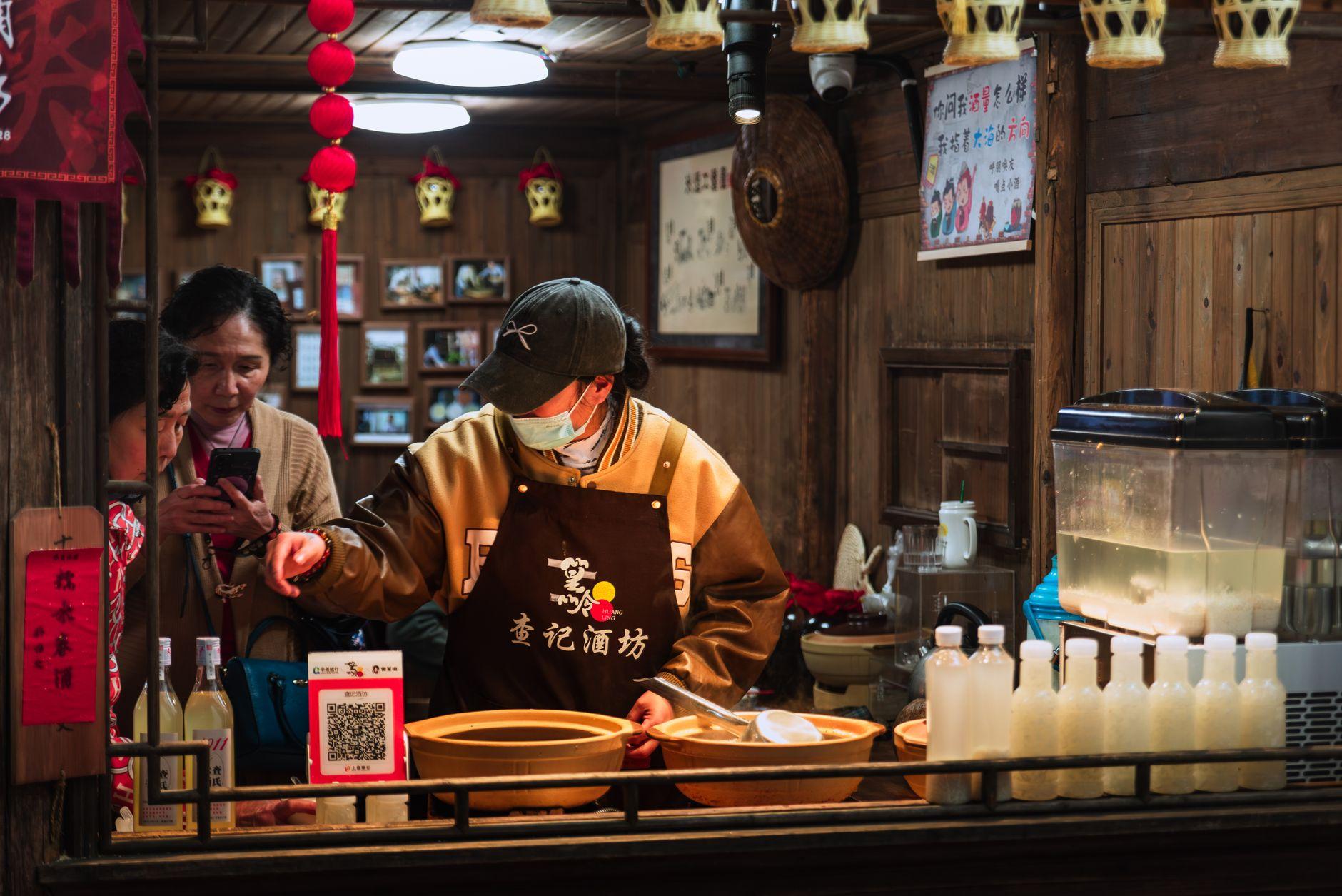

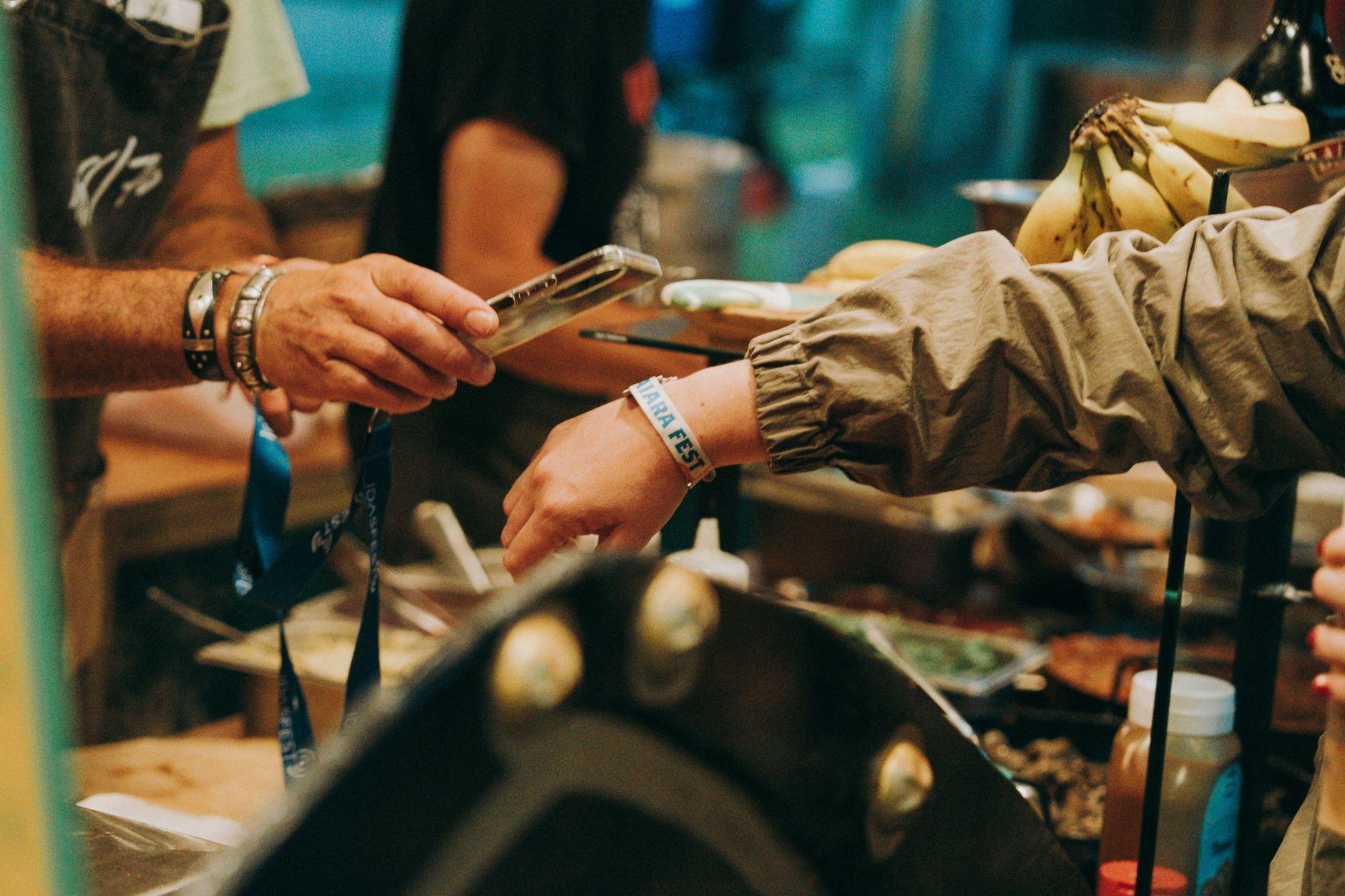
Spend one morning in Peru and you’ll hear it: “¿Yape o Plin?” The señora selling juice at the mercado asks it. The taxi driver asks it. The guy renting sandboards in Huacachina asks it. Peru’s two QR wallets are so embedded in daily life that many small vendors barely keep change anymore.
Here’s the problem. As a visitor, you almost certainly can’t get either one. And the fallback, carrying a stack of soles, comes with its own headache that every Peru guidebook warns you about: counterfeit bills.
This guide covers what actually works in 2026, step by step.
Why Yape and Plin are off limits to you
Yape comes from BCP, Peru’s biggest bank. Plin is the answer from a group of rival banks. Both are tied to Peruvian identity documents and local accounts. Signing up as a short-term visitor ranges from painful to impossible, and even long-stay expats often wait months until their paperwork lines up. We wrote about how Yape came to dominate Peru, and the short version is that it was built for Peruvians, top to bottom.
So you’re standing at a stall in Surquillo market, the vendor is pointing at a laminated QR code taped to the scale, and your phone can’t do anything with it. Unless you set yourself up before you go, which we’ll get to.
The cash trap: counterfeits and the 100-sol problem
Cash still works in Peru, obviously. But it’s more annoying than in most countries, for two reasons.
First, counterfeit notes are a real, widely discussed problem, and tourists are the favorite target. Locals check bills reflexively: hold them to the light, feel the texture, tilt for the security strip. You probably won’t. Taxi drivers and market vendors know this, and a fake 100 handed back as change at night is a classic move. Even honest vendors will scrutinize your large bills and sometimes refuse them.
Second, ATMs love dispensing 100-sol notes, and almost nobody wants to break one. Buy a 7-sol menú lunch with a 100 and watch the face fall. You end up planning your whole day around where you can break bills.
QR payments sidestep both problems entirely. The exact amount moves, no change, no counterfeit check, no awkward standoff over a big note.
How to scan the same QR codes locals do
This is where Moreta Pay comes in. It’s a wallet built for travelers, nomads, and expats that lets you pay local QR codes directly, the same printed codes Yape and Plin users scan, without a Peruvian bank account or DNI.
The flow is simple:
1. Set up before you land. Download the app and connect a funding source from home: a US bank via Plaid or ACH, SEPA if you’re European, UK Faster Payments, Canadian e-Transfer, or an international credit or debit card.
2. Top up in your own currency. Load dollars, euros, or pounds into your wallet. Do this on hotel Wi-Fi before you head out, not while a queue forms behind you.
3. Scan and confirm. At the stall, taxi, or restaurant, scan the merchant’s QR code. You’ll see the amount, the merchant name, and the exact FX rate before you confirm. If everything looks right, tap. The vendor gets paid instantly in soles, and their phone chimes just like it does for any local customer.
There are no hidden foreign transaction fees buried in the rate. The number you see on screen is the number you pay.
Where this matters most in Peru
Markets. San Pedro in Cusco, Surquillo and Magdalena in Lima, the artisan stalls in Pisac. These are QR heartland. Vendors often prefer it because they don’t have to guard a cash box all day.
Taxis and mototaxis. Street taxis in Peru are negotiated, unmetered, and historically a counterfeit-change hotspot. Agree the price, then pay the exact amount by QR. No change dispute possible.
Menú lunch spots. The set-lunch restaurants where locals eat are cheap, cash-heavy in feel, and almost always have a Yape or Plin code taped by the register. Perfect small-ticket QR territory.
Tours and guides. Independent guides in the Sacred Valley, sandboard operators in Ica, surf instructors in Máncora. Many are one-person businesses running entirely on a QR wallet.
Online bookings. QR-based online checkout works too, which helps on travel platforms like Trip.com when you’re arranging things from your hostel bed.
What to do when there’s no printed QR
One quirk of Peru: some vendors take Yape by phone number rather than a printed code. If someone starts reciting digits at you, just ask “¿Tiene el código QR?” Most established vendors have the printed code somewhere, often on a card behind the counter, and will happily dig it out.
If they genuinely only take a phone-number transfer, that’s a cash moment. Which brings us to the last piece.
Keep a small cash layer anyway
Peru is not 100% cashless and you shouldn’t try to be either. Keep a modest amount of small bills and coins for:
Remote areas. Trekking villages around the Ausangate or Colca Canyon routes, tiny tiendas on long bus routes, anywhere signal dies.
Baños públicos. Public toilets typically want a coin.
Colectivos and combis. Shared vans are often cash-in-hand to the cobrador.
Propinas. Small tips for porters and hostel staff are easier in coins.
The move is to flip the ratio. Instead of carrying a wad and worrying about every note, carry a small emergency float and put the bulk of your spending through QR. If you’re continuing south afterward, the calculus changes country by country, and our Bolivia payments breakdown covers what shifts across the border.
Your pre-flight checklist
Five minutes before you fly to Lima or Cusco:
1. Install Moreta Pay and verify your account.
2. Link your home bank or card.
3. Load enough for your first few days.
4. Learn one phrase: “¿Puedo pagar con QR?” (Can I pay with QR?)
5. Withdraw a small cash float on arrival, small bills only if the ATM offers a choice.
That’s it. You’ll spend your trip eating ceviche and climbing ruins instead of hunting for change and squinting at watermarks. Get Moreta Pay set up before you board and the next time someone asks “¿Yape o Plin?”, you can just point your camera at the code and smile.