

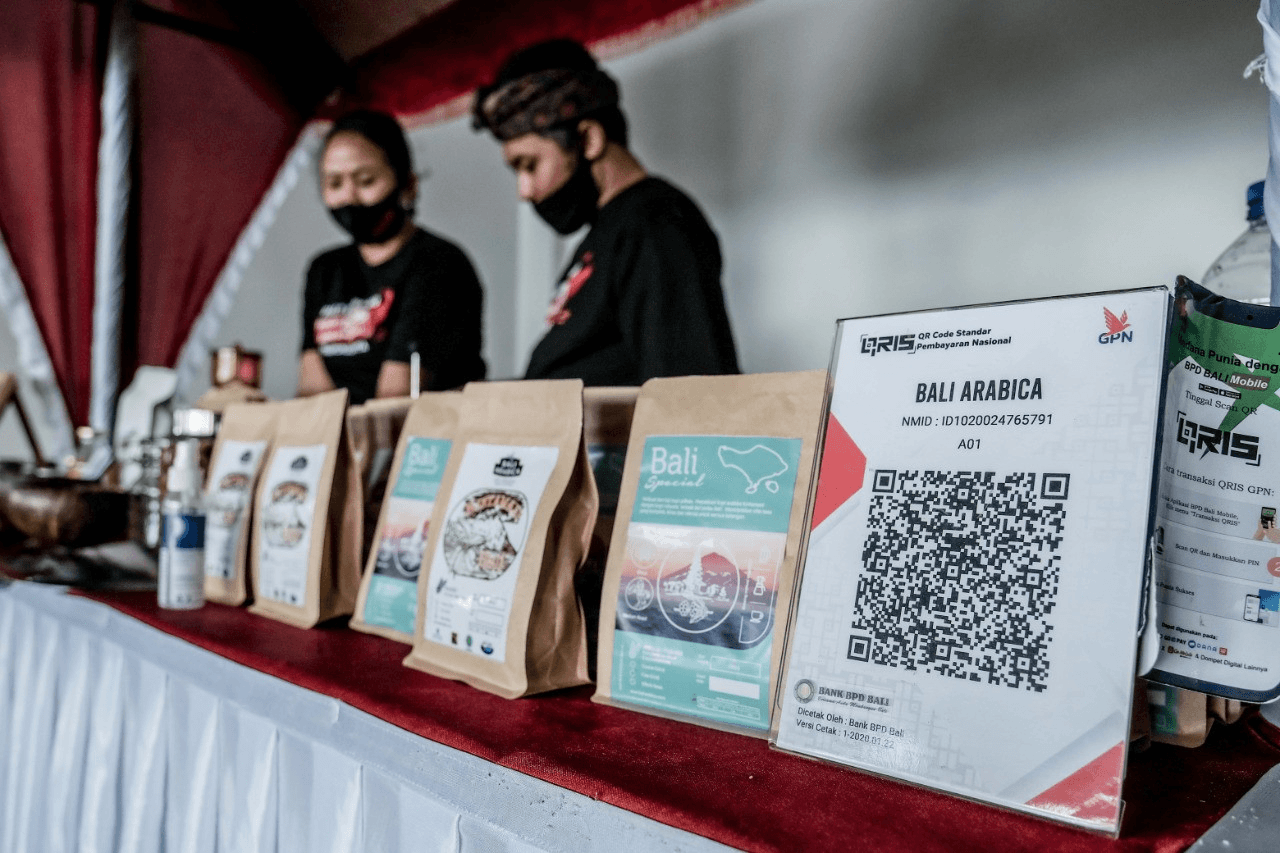
While cash and cards still reign supreme in many parts of the world, Asia is leading the charge for safer and more convenient digital payments. According to a study conducted by Visa, around 85 percent of consumers in the region use some form of digital payment, including QR code payments. QR code payments continue to surge in popularity, particularly in Southeast Asia. Projections indicate that adoption throughout Southeast Asia will increase by 590 percent by 2028, resulting in more than $1.2 trillion in transactions.
In popular tourist destinations, QR code payments are already widespread. For example, approximately 61.5 percent of Thailand's population uses QR codes every month. That figure is comparable in Vietnam, and the Philippines saw a nearly 148 percent increase in the number of merchants accepting QR code payments in 2024.
As a tourist planning to visit Asia, knowing how to make QR code payments is a must. QR code payments for tourists allow you to pay for goods and services just like locals. More importantly, you can benefit from the payment method's convenience, speed and inherent safety, bypassing the need for local currency exchange. Read on to learn more about QR code payments in Asia and how you can prepare for a trip of a lifetime.
How to Use QR Payments: Step-by-Step Guide for First-Time Travelers
Let's start with a simple QR payment guide. As the name implies, this payment method utilizes QR codes, which are machine-readable codes that are scannable with a smartphone camera. You may be familiar with QR codes in other applications, such as marketing. In such cases, scanning these codes may direct you to a website or social media profile. However, in Southeast Asia, merchants use those codes to accept payments.
The process is simple. The first step is to download a reputable app. There are many options available. The best go the extra mile to keep your personal and financial information simple. They're also intuitively designed, allowing anyone to make payments, regardless of their tech-savviness.
After creating an account and verifying your identity, you can link a payment method to fund your account. Do so before your trip, and you'll be ready to start making payments to any merchant accepting QR code payments.
How do you know that a store, restaurant or service provider accepts QR code payments? All you have to do is look for that signature QR code. They're typically at the checkout counter. When you're ready to pay, simply use the app to scan the code, verify the payment details and initiate the transaction. It's as simple as that.
Country-Specific Solutions You Need to Know
Here's the thing about cashless payments in Asia: every country has its own payment networks. In Thailand, you have major systems like PromptPay. Meanwhile, Vietnam has VietQR, the Philippines has QR Ph, Malaysia has DuitNow QR, Cambodia has KHQR, to name a few.
Tapping into those networks often requires specific apps that are only available to citizens of a particular country. Cross-border QR code payment initiatives are underway. For example, Regional Payment Connectivity (RPC) aims to enhance interoperability between the national payment systems of Association of Southeast Asian Nations (ASEAN) members. Some payment platforms, including WeChat Pay, GrabPay and AliPay, already enable QR code payments throughout Asia.
However, as a tourist, some of those payment networks will be inaccessible. Some require you to open local bank accounts, which is both unreasonable and challenging for those who are only visiting.
Fortunately, you can use third-party apps. Platforms like Moreta make scan to pay for tourists easier and more accessible when traveling throughout Asia. These apps can tap into multiple payment networks without the need to open local bank accounts or deal with the logistics of currency exchange.
Benefits of Cashless Payments for Asian Travel Adventures
There's much to love about QR code payments in Asia. This payment method is ultra-convenient. Whether you're picking up snacks from street vendors, visiting a local market for groceries or paying for transportation to your next destination, QR code payments make everything significantly easier.
Transactions are instant and secure. There's no need to worry about handling a bundle of cash, dealing with confusing exchange rates or losing cards during your travels. Because payments are tied to your smartphone, there's a lower risk of theft or loss. Plus, you get the benefits of having that technology in your pocket. With a great app, you can track your expenses, view every detail of a transaction before making it and easily stay within your budget.
Financially, QR code payments are advantageous because they offer more favorable mid-market exchange rates. With apps like Moreta, currency exchange happens the moment you initiate a transaction. Therefore, you receive better rates and don't need to follow changes to get the most value for your money, all without incurring excessive fees.
Setting Up Scan to Pay for Tourists: Essential Apps and Requirements
Before you leave for your trip to Asia, take some time to set yourself up to make QR code payments. You'll need a compatible smartphone and an app that works in your destination country. Depending on where you plan to travel, that may require you to open a local bank account in the country. Do your due diligence to understand the international banking requirements and any necessary documentation.
To keep things simple, consider tourist-friendly e-wallet apps with QR code capabilities. Download the app before you leave, you can use that app anywhere that allows payment through QR codes.
Digital Payments While Traveling: Troubleshooting Common Issues
QR code payments are simple, but that doesn't mean you won't encounter issues while traveling. Depending on the app used to make QR code payments, language barriers may exist, requiring you to rely on third-party translation apps to ensure you're using the app correctly. You may also encounter instances where the app fails to function properly, struggles to detect QR codes or declines payments.
When those issues occur, try restarting your app and device. You can also check Internet connectivity. Try connecting to stronger local networks to ensure transactions process smoothly.
If all else fails, carry backup payment methods. Carry some cash and have a card handy. Many merchants will still accept cash and cards when QR code payments fail. Having that backup can make all the difference, especially when you encounter a merchant who doesn't accept QR code payments at all.
Your Complete QR Payment Guide: Tips for Seamless Transactions
Learning how to use QR code payments for the first time can be daunting. However, we have a few tips to ensure success during your travels.
•Check QR Code Authenticity: Before sending funds, scrutinize the QR code. Fraud is possible, so you want to ensure that you're not scanning random codes. If you notice anything suspicious, such as a sticker over an existing code, consider using a different payment method.
•Be Wary of Transaction Limits: Transaction limits vary between networks and apps. Familiarize yourself with those restrictions to avoid hangups during the checkout process.
•Tipping Etiquette: Tipping culture can vary throughout Asia. Some restaurant payment platforms provide the option to leave a tip. Others have staff carrying around personal QR codes for tipping.
•Splitting Bills: Splitting bills is possible, but you must be respectful of a restaurant's capabilities. Some businesses provide splitting features, and you may even find that option in the QR code payment app you're using. Exact workflows will depend on what's available from a merchant. If splitting isn't possible, you can have one person pay the entire bill and then request a funds transfer within your payment app.
•Respecting the Process: Payment etiquette can differ between countries and merchants. Some merchants will have a static QR code that's the same for every customer. Others will have a dynamic code that changes per transaction. Some even scan a QR code generated on your smartphone. Don't be afraid to ask what's appropriate. Be patient and listen to the merchant for instructions. However, you should also be ready to act. Have your app open and ready to ensure you don't hold up the line or cause delays.
Tourist Payment Methods: QR vs Cards vs Cash in Asia
QR code payments are the best alternative to cash for tourists traveling through Southeast Asia, offering more favorable exchange rates, lower fees and less risk of theft or loss than carrying cash. Cash, card and QR code payments are all popular payment methods for tourists traveling through Asia, and each has its pros and cons.
Cash benefits from wide acceptance. Most merchants will accept cash. Cashless payments in Asia are becoming increasingly prevalent, but smaller merchants, restaurants and service providers will still accept cash. Generally, it's best to use cash to cover smaller transactions, as this allows merchants to avoid fees.
Card payments have wider acceptance than QR code payments. As a result, many travelers use cards as a backup payment source. When QR codes aren't available, cards are there to cover you. Card payments do come with notable fees. Your financial institution may charge fees for foreign transactions. Plus, you get unfavorable exchange rates. However, when no other method is available, cards are a viable substitute.
QR code payments offer convenience, speed and security. Making payments by scanning a code is safer, as there's no physical money or cards to lose. These payments are also more cost-effective, allowing you to obtain more favorable exchange rates while avoiding exorbitant fees. With adoption increasing every year, more merchants are turning to QR code payments, and it's always better to choose this option when available.
Cash vs. Cards vs. QR Payments
- Cash: Widely accepted, including by smaller merchants, but best reserved for small transactions since it offers no favorable exchange rate and carries a risk of loss or theft.
- Cards: Wider acceptance than QR payments and a useful backup, but they come with foreign transaction fees and unfavorable exchange rates.
- QR payments: Convenient, fast and secure, with no physical cash or cards to lose, more favorable exchange rates and fewer excessive fees, which is why adoption keeps increasing across the region.
Start Your Cashless Journey With Moreta Today!
There's no better tool to have during your travels throughout Asia than Moreta. Moreta is the ultimate solution, facilitating quick, easy and secure QR code payments in Asia. Instead of dealing with cash or the logistics of opening a local foreign bank account to use a local app, Moreta integrates with multiple payment networks throughout the region. With features like 24/7 fraud monitoring, real-time alerts and compliance with strict U.S. financial security standards, you can rest easy knowing your money is safe as you pay your way through your journey. Track your expenses and save money with favorable exchange rates and zero hidden fees.
Sign up with Moreta today to learn more, prepare for an adventure of a lifetime, and pay like locals.