
How Southeast Asia’s Integrated QR Code Payment Systems Work, and What It Means for Travelers

How Southeast Asia’s Integrated QR Code Payment Systems Work, and What It Means for Travelers

How Southeast Asia’s Integrated QR Code Payment Systems Work, and What It Means for Travelers

Jan 15, 2026

Jan 15, 2026

Jan 15, 2026

a hand holding a coin in front of a machine

If you have spent any time in Southeast Asia, you have probably noticed something surprising. Almost everyone pays with QR codes. Street food vendors, cafes, taxis, bars, salons, and even market stalls often prefer QR payments over cash or cards.

This is not accidental. Southeast Asia has quietly built one of the most advanced and widely adopted QR payment ecosystems in the world. Understanding how it works helps explain why traveling and paying in the region feels so different from the U.S. or Europe.

Why QR payments took off in Southeast Asia

Many Southeast Asian countries skipped widespread credit card adoption. Cards were expensive for merchants, unreliable in rural areas, and slow to scale. At the same time, smartphone usage exploded.

Banks and regulators leaned into this reality. Instead of pushing cards, they built national QR standards that allowed anyone with a phone and a bank or wallet to pay instantly.

The result is a payment method that is fast, cheap, and accepted almost everywhere.

What an integrated QR payment system actually means

An integrated QR payment system is a shared standard. Merchants display one QR code. Customers scan it using a supported app. The payment routes through local banking infrastructure in real time.

Each country typically has its own national QR system. Thailand has ThaiQR. Malaysia has DuitNow. Singapore has SGQR. The key innovation is that many of these systems are now interoperable.

That means a QR code issued in one country can be recognized and processed by wallets or banks from another country.

This effort is largely driven by regional cooperation through organizations like ASEAN, which aims to simplify cross border payments and reduce friction for travelers and businesses.

What travelers usually get wrong about QR payments

Many travelers assume QR payments are tied to a specific local app or bank. In reality, most QR codes are just standardized payment requests.

The real limitation is not the QR code. It is whether your wallet or bank supports the local payment rails behind it.

This is why travelers often run into problems. Their bank app does not support foreign QR standards. Their card is not accepted. Or fees make small payments impractical.

Why QR payments feel more universal than cards

In many Southeast Asian cities, QR payments are accepted in more places than cards. Small merchants often avoid card terminals entirely. QR codes cost almost nothing to display and have lower transaction fees.

From a traveler’s perspective, this creates a paradox. You might have a premium credit card that works fine at hotels, but fails at the coffee shop next door. Meanwhile, a simple QR scan works everywhere.

How this affects cross border travel

As QR systems become more integrated across Southeast Asia, the experience improves for travelers moving between countries.

You no longer need to constantly withdraw cash or open new local accounts. In theory, one wallet can work across borders, as long as it connects to the regional QR infrastructure.

This is where modern travel wallets come into play. Instead of issuing separate cards or accounts for each country, they focus on supporting the underlying QR networks that locals already use.

Where Moreta fits into this ecosystem

Moreta is built specifically for this environment. It connects international travelers to Southeast Asia’s QR payment rails, without requiring local bank accounts or juggling multiple apps.

You scan the same QR codes locals use. Payments convert automatically at the time of purchase. You avoid carrying large amounts of cash and avoid card acceptance issues at small merchants.

The experience feels local because it is local, just with a global wallet behind it.

What to look for when paying by QR as a traveler

When you are traveling in Southeast Asia, keep a few simple things in mind:

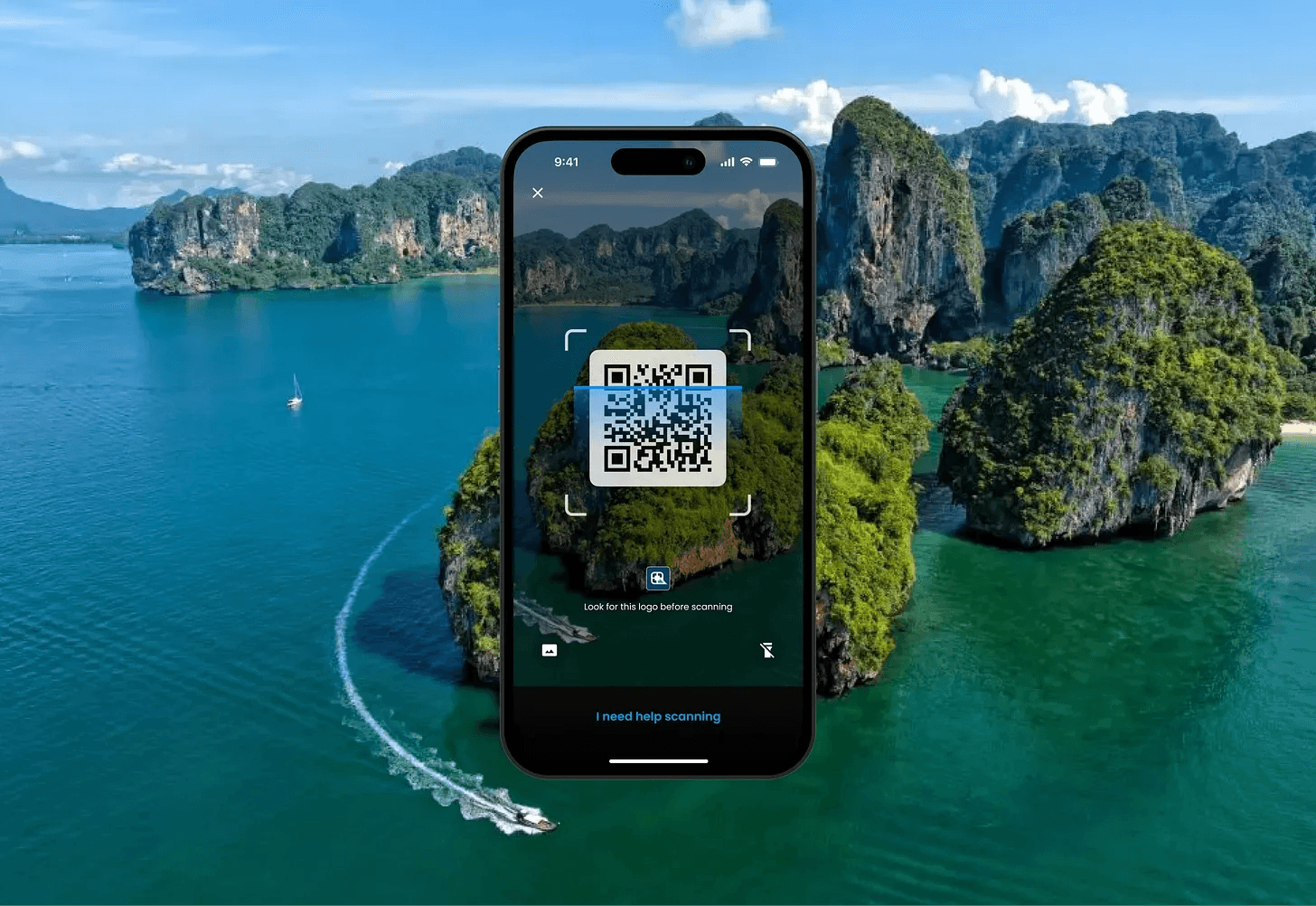
  • Look for official QR logos at the counter or register

  • Expect QR to work even when cards do not

  • Assume small merchants prefer QR over cash or cards

  • Use a wallet that supports local QR networks, not just international cards

The future of travel payments in Southeast Asia

Southeast Asia is setting a blueprint for how everyday payments can work globally. Low friction, real time, and built around mobile behavior instead of legacy card systems.

For travelers, this means fewer barriers and more places where digital payments simply work.

As QR integration continues to expand, paying like a local across multiple countries will stop being a novelty and become the default.

And once you experience it, going back to cash heavy travel feels like a step backward.
If you have spent any time in Southeast Asia, you have probably noticed something surprising. Almost everyone pays with QR codes. Street food vendors, cafes, taxis, bars, salons, and even market stalls often prefer QR payments over cash or cards.

This is not accidental. Southeast Asia has quietly built one of the most advanced and widely adopted QR payment ecosystems in the world. Understanding how it works helps explain why traveling and paying in the region feels so different from the U.S. or Europe.

Why QR payments took off in Southeast Asia

Many Southeast Asian countries skipped widespread credit card adoption. Cards were expensive for merchants, unreliable in rural areas, and slow to scale. At the same time, smartphone usage exploded.

Banks and regulators leaned into this reality. Instead of pushing cards, they built national QR standards that allowed anyone with a phone and a bank or wallet to pay instantly.

The result is a payment method that is fast, cheap, and accepted almost everywhere.

What an integrated QR payment system actually means

An integrated QR payment system is a shared standard. Merchants display one QR code. Customers scan it using a supported app. The payment routes through local banking infrastructure in real time.

Each country typically has its own national QR system. Thailand has ThaiQR. Malaysia has DuitNow. Singapore has SGQR. The key innovation is that many of these systems are now interoperable.

That means a QR code issued in one country can be recognized and processed by wallets or banks from another country.

This effort is largely driven by regional cooperation through organizations like ASEAN, which aims to simplify cross border payments and reduce friction for travelers and businesses.

What travelers usually get wrong about QR payments

Many travelers assume QR payments are tied to a specific local app or bank. In reality, most QR codes are just standardized payment requests.

The real limitation is not the QR code. It is whether your wallet or bank supports the local payment rails behind it.

This is why travelers often run into problems. Their bank app does not support foreign QR standards. Their card is not accepted. Or fees make small payments impractical.

Why QR payments feel more universal than cards

In many Southeast Asian cities, QR payments are accepted in more places than cards. Small merchants often avoid card terminals entirely. QR codes cost almost nothing to display and have lower transaction fees.

From a traveler’s perspective, this creates a paradox. You might have a premium credit card that works fine at hotels, but fails at the coffee shop next door. Meanwhile, a simple QR scan works everywhere.

How this affects cross border travel

As QR systems become more integrated across Southeast Asia, the experience improves for travelers moving between countries.

You no longer need to constantly withdraw cash or open new local accounts. In theory, one wallet can work across borders, as long as it connects to the regional QR infrastructure.

This is where modern travel wallets come into play. Instead of issuing separate cards or accounts for each country, they focus on supporting the underlying QR networks that locals already use.

Where Moreta fits into this ecosystem

Moreta is built specifically for this environment. It connects international travelers to Southeast Asia’s QR payment rails, without requiring local bank accounts or juggling multiple apps.

You scan the same QR codes locals use. Payments convert automatically at the time of purchase. You avoid carrying large amounts of cash and avoid card acceptance issues at small merchants.

The experience feels local because it is local, just with a global wallet behind it.

What to look for when paying by QR as a traveler

When you are traveling in Southeast Asia, keep a few simple things in mind:

  • Look for official QR logos at the counter or register

  • Expect QR to work even when cards do not

  • Assume small merchants prefer QR over cash or cards

  • Use a wallet that supports local QR networks, not just international cards

The future of travel payments in Southeast Asia

Southeast Asia is setting a blueprint for how everyday payments can work globally. Low friction, real time, and built around mobile behavior instead of legacy card systems.

For travelers, this means fewer barriers and more places where digital payments simply work.

As QR integration continues to expand, paying like a local across multiple countries will stop being a novelty and become the default.

And once you experience it, going back to cash heavy travel feels like a step backward.