
Complete Payment Solutions for Your Thailand DTV Visa Journey
Dec 3, 2025
Dec 3, 2025
Dec 3, 2025


The new Destination Thailand Visa (DTV) presents an exciting opportunity for digital nomads seeking a change in scenery. Officially launched in mid-2024, the Thailand DTV Visa is a multi-entry visa that allows freelancers and remote workers to live and work in the country for up to five years! Unlike other visas around the world, Thailand makes this one relatively easy to get. It's accessible and comes with many generous perks that cater to that nomadic lifestyle.
However, before you begin the application process and start planning your next huge adventure, there are several key considerations to take into account. The most significant challenge you need to prepare for is managing your money and payments during your long-term stay as a visa holder. When all your banks and personal finances live at home on the opposite side of the world, you must be strategic about fiscal management while finding ways to pay for goods and services as a local in Thailand.
This blog is your comprehensive guide for all things money management as a DTV visa holder. You'll learn about DTV visa financial requirements, strategies for easy ongoing payments and more.
Financial Requirements and Proof
While many nomads praise the Thailand DTV visa for its wide accessibility, especially compared to other Thailand long-term visa options. However, there are still some requirements that you must meet during the application process. Thailand wants to ensure that you can support yourself during your stay. The Thailand digital nomad visa is not a work visa. You can't work for Thai companies or have clients based in the country. Therefore, DTV visa financial requirements exist to demonstrate to the Thai Ministry of Foreign Affairs that you have sufficient funds to support yourself while living there.
During your application process, you must show that you have at least ฿500,000, or the equivalent in another currency. 500,000 Thai Baht is around $15,000 in U.S. currency, and those assets must be liquid. Non-liquid assets, such as stock or property, typically do not count. The goal here is to show you have financial stability, and there are several ways to achieve this.
The most common method for meeting DTV visa financial requirements is to provide bank statements that cover the last three months. After those three months, the Thai government requires a final balance of at least ฿500,000. Another option to fulfill this requirement is to obtain a savings or checking account certificate that proves you have the minimum balance. The Thai government may also request that you submit salary slips or employment contracts to demonstrate your ability to generate income.
Along with proof of financial stability, you'll need to submit various documents. These include a complete Thailand DTV visa application, a valid passport for at least six months, recent passport-style photos and proof of current residence. Thai embassies reserve the right to request additional documents if necessary or an interview. Be prepared to collect extra documentation if requested.
Setting Up Banking
Opening a bank account with a Thailand digital nomad visa isn't easy. Shortly after the Thailand DTV visa launched, most Thai banks tightened policies. Changes in Thai law have compelled many popular banks to implement stricter rules regarding who can open an account, posing challenges for DTV holders. Most banks now require applicants to have a Thailand long-term visa, and the DTV no longer meets this requirement.
These issues are relatively new, and the situation is constantly evolving. DTV holders report that eligibility for bank accounts varies significantly, not only across different banks but also among individual branches within the same bank. The best approach is to work with a visa agent. They may help visa holders find banks willing to open new accounts. These experts can assess your situation and work to find solutions.
If you're lucky enough to find a suitable bank, you'll typically need your passport, a printed visa, proof of your Thai address and a Thai phone number. Generally, you'll need to visit a branch in person. Some banks allow you to initiate the process online, but you'll have to complete it by visiting a branch. Once your account is ready, you can download the app and take advantage of features like QR code payments. However, be sure to read the terms of service, particularly regarding your DTV visa banking requirements and the minimum account balances you must maintain.
Managing Money During Long-Term Stays in Thailand
Money management is crucial when you're staying long-term. The Thailand remote work visa is valid for a period of five years. However, each entry only lasts for 180 days. You can visit the Thai Immigration Office to extend your stay for an additional 180 days. However, after that, you'll need to leave the country and re-enter to start the 180-day cycle.
To make the most out of your stay and maintain good financial stability, it's wise to develop a budget. How much you'll need largely depends on your lifestyle and where you're staying. Bigger cities and hotspots in the southern part of the country are more expensive than places in northern Thailand.
The best approach is to develop a budget that includes all your major expenses. These include rent payment and utilities. The average one-bedroom apartment in a city in Thailand costs around $400 to $500 per month. Meanwhile, utilities range from $60 to $120. Nomads typically budget around $900 per month to cover rent, utilities, groceries and daily spending. Of course, that can vary depending on where you stay.
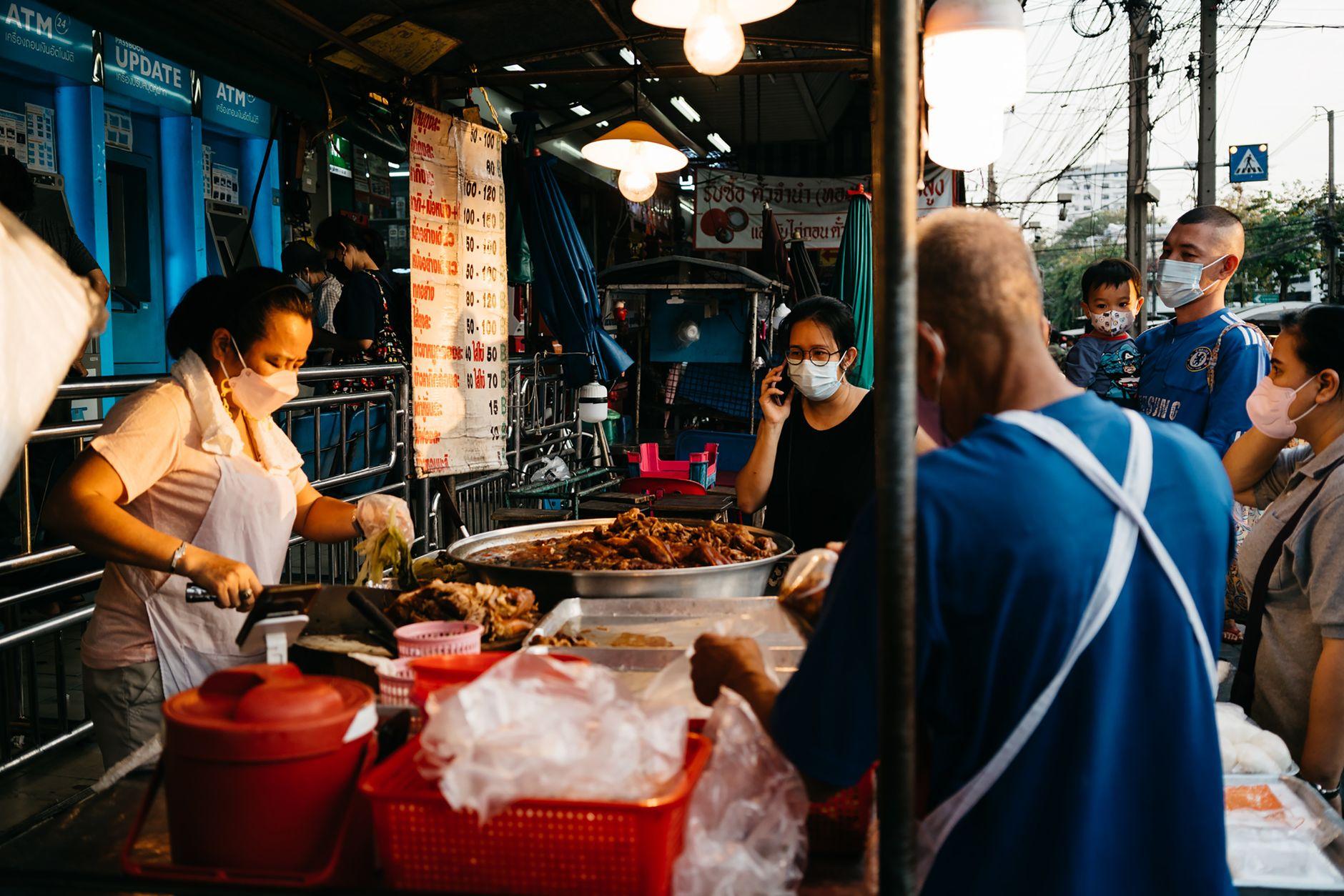
To pay for goods, services and monthly expenses, the most effective strategy is to use a combination of card payments and cash. In tourist-heavy areas, many merchants will accept cards. However, outside those hotspots, cash is more prevalent. Therefore, it's best to carry cash to cover expenses such as food, transportation and small purchases. Most nomads and expats will tell you to have between $30 and $50 (฿1,000 to ฿1,600) for daily spending.
Best Payment Methods for Digital Nomads in Thailand
In Thailand, you can pay for goods and services in numerous ways. However, you'll quickly find that there's considerable variety in what merchants and service providers accept. As mentioned earlier, you can typically use debit and credit cards in tourist-heavy areas. However, moving away from busy cities and regions that cater to visitors will result in significantly lower acceptance.
If using cards, choose which ones you'll use wisely. International cards come with excessive fees. You'll have to cover processing fees from merchants, foreign transaction fees from your bank at home and deal with unfavorable exchange rates. If you can open a Thai bank account, consider using debit cards from your Thai account instead of international ones.
Thailand remains a predominantly cash-based culture, and a significant portion of the country's economy relies on informal businesses that lack the infrastructure to accept card payments. That's why you need to carry cash around.
Fortunately, things are changing. Digital payments are becoming more prevalent throughout the country. QR codes, in particular, are gaining popularity with an increasing number of merchants accepting them. Whenever possible, use digital payment solutions. QR code payments are more convenient, cost-effective and safe. You should have backup Thai visa payment methods, such as cards or cash, but it's always a good idea to use digital payment options when available.
Like any other place, theft and fraud are possible. Therefore, you must always secure your cash and cards at all times, and consider using RFID-blocking wallets to prevent unauthorized access to your information.
Currency Exchange Strategies for DTV Visa Holders
For most people needing to obtain Thai Baht cash, the go-to option is to use an ATM. That works, but it can cost you. In addition to foreign transaction and ATM fees from your home bank, you'll need to cover local ATM fees. Every withdrawal will incur fees. Furthermore, you may get unfavorable exchange rates.
Anyone living in the area with a Thailand long-term visa or DTV will tell you that, if you plan to use ATMs, do so infrequently. Withdraw large amounts to minimize fees. Bulk withdrawals will cost you far less in the long run than multiple smaller ones.
It's also advisable to consider visiting an exchange booth, particularly in city centers. Compared to banks and ATMs, exchange booths typically offer more favorable rates, helping you get more bang for your buck during your long-term stay.
Thailand Digital Nomad Visa: Working and Getting Paid
Another important detail to consider before starting your journey in Thailand is understanding how you'll get paid. Remember: the Thailand DTV visa is not a work visa, and you're prohibited from working for any local companies. Your income needs to come from outside Thailand.
Generally, the best strategy is to utilize freelance payment platforms and maintain a strong relationship with your home bank. Keep your home bank accounts open, and you can continue receiving work payments as you do now. From there, you can remit money to your Thai account. Maintaining those accounts will also simplify your tax situation. Even if you're living abroad, you'll need to pay income taxes as a citizen of your home country.
Freelance payment platforms streamline payment collection, and some will even allow you to transfer funds to your local bank account in Thailand.
Avoiding Common DTV Visa Payment Mistakes
Since the Thailand remote work visa is still relatively new, nomads are still learning how to maximize its benefits while managing their finances. However, early adopters stress the importance of maintaining financial documentation and being strategic about avoiding excessive fees while living abroad.
Good bookkeeping goes a long way. Keep your documentation in order, keep track of what you're making and develop a budget that you can easily monitor. That documentation can help you during tax season and can benefit you when applying for visa extensions.
Early DTV adopters also emphasize the expensive mistakes they had to learn the hard way! Many nomads value convenience early in their stay, using nearby ATMs and frequently using their cards. However, the fees associated with card usage and unfavorable exchange rates add up. It's like flushing money down the drain.
To avoid wasting valuable funds, make bulk ATM withdrawals, convert cash at exchange booths to get better rates and be more careful about avoiding fees.
Streamline Your Experience
Taking a more tactical approach to managing your finances can lead to greater success during long-term stays. The Thailand DTV visa opens numerous doors for digital nomads, but unless you manage your finances effectively and set yourself up for success, you'll encounter countless challenges. Before you depart for an experience of a lifetime, you need to explore solutions that provide convenience, support and security.
Check out Moreta Pay. Moreta Pay is a platform that can help nomads like you avoid high fees, obtain better exchange rates and make international money transfers with ease. You can even make digital payments and avoid the high costs of using your cards. With Moreta Pay, you can save money and handle your finances smarter.
Download the Moreta Pay app or request a consultation to learn more about how the platform can help you succeed as a visa-holder in Thailand.
The new Destination Thailand Visa (DTV) presents an exciting opportunity for digital nomads seeking a change in scenery. Officially launched in mid-2024, the Thailand DTV Visa is a multi-entry visa that allows freelancers and remote workers to live and work in the country for up to five years! Unlike other visas around the world, Thailand makes this one relatively easy to get. It's accessible and comes with many generous perks that cater to that nomadic lifestyle.
However, before you begin the application process and start planning your next huge adventure, there are several key considerations to take into account. The most significant challenge you need to prepare for is managing your money and payments during your long-term stay as a visa holder. When all your banks and personal finances live at home on the opposite side of the world, you must be strategic about fiscal management while finding ways to pay for goods and services as a local in Thailand.
This blog is your comprehensive guide for all things money management as a DTV visa holder. You'll learn about DTV visa financial requirements, strategies for easy ongoing payments and more.
Financial Requirements and Proof
While many nomads praise the Thailand DTV visa for its wide accessibility, especially compared to other Thailand long-term visa options. However, there are still some requirements that you must meet during the application process. Thailand wants to ensure that you can support yourself during your stay. The Thailand digital nomad visa is not a work visa. You can't work for Thai companies or have clients based in the country. Therefore, DTV visa financial requirements exist to demonstrate to the Thai Ministry of Foreign Affairs that you have sufficient funds to support yourself while living there.
During your application process, you must show that you have at least ฿500,000, or the equivalent in another currency. 500,000 Thai Baht is around $15,000 in U.S. currency, and those assets must be liquid. Non-liquid assets, such as stock or property, typically do not count. The goal here is to show you have financial stability, and there are several ways to achieve this.
The most common method for meeting DTV visa financial requirements is to provide bank statements that cover the last three months. After those three months, the Thai government requires a final balance of at least ฿500,000. Another option to fulfill this requirement is to obtain a savings or checking account certificate that proves you have the minimum balance. The Thai government may also request that you submit salary slips or employment contracts to demonstrate your ability to generate income.
Along with proof of financial stability, you'll need to submit various documents. These include a complete Thailand DTV visa application, a valid passport for at least six months, recent passport-style photos and proof of current residence. Thai embassies reserve the right to request additional documents if necessary or an interview. Be prepared to collect extra documentation if requested.
Setting Up Banking
Opening a bank account with a Thailand digital nomad visa isn't easy. Shortly after the Thailand DTV visa launched, most Thai banks tightened policies. Changes in Thai law have compelled many popular banks to implement stricter rules regarding who can open an account, posing challenges for DTV holders. Most banks now require applicants to have a Thailand long-term visa, and the DTV no longer meets this requirement.
These issues are relatively new, and the situation is constantly evolving. DTV holders report that eligibility for bank accounts varies significantly, not only across different banks but also among individual branches within the same bank. The best approach is to work with a visa agent. They may help visa holders find banks willing to open new accounts. These experts can assess your situation and work to find solutions.
If you're lucky enough to find a suitable bank, you'll typically need your passport, a printed visa, proof of your Thai address and a Thai phone number. Generally, you'll need to visit a branch in person. Some banks allow you to initiate the process online, but you'll have to complete it by visiting a branch. Once your account is ready, you can download the app and take advantage of features like QR code payments. However, be sure to read the terms of service, particularly regarding your DTV visa banking requirements and the minimum account balances you must maintain.
Managing Money During Long-Term Stays in Thailand
Money management is crucial when you're staying long-term. The Thailand remote work visa is valid for a period of five years. However, each entry only lasts for 180 days. You can visit the Thai Immigration Office to extend your stay for an additional 180 days. However, after that, you'll need to leave the country and re-enter to start the 180-day cycle.
To make the most out of your stay and maintain good financial stability, it's wise to develop a budget. How much you'll need largely depends on your lifestyle and where you're staying. Bigger cities and hotspots in the southern part of the country are more expensive than places in northern Thailand.
The best approach is to develop a budget that includes all your major expenses. These include rent payment and utilities. The average one-bedroom apartment in a city in Thailand costs around $400 to $500 per month. Meanwhile, utilities range from $60 to $120. Nomads typically budget around $900 per month to cover rent, utilities, groceries and daily spending. Of course, that can vary depending on where you stay.
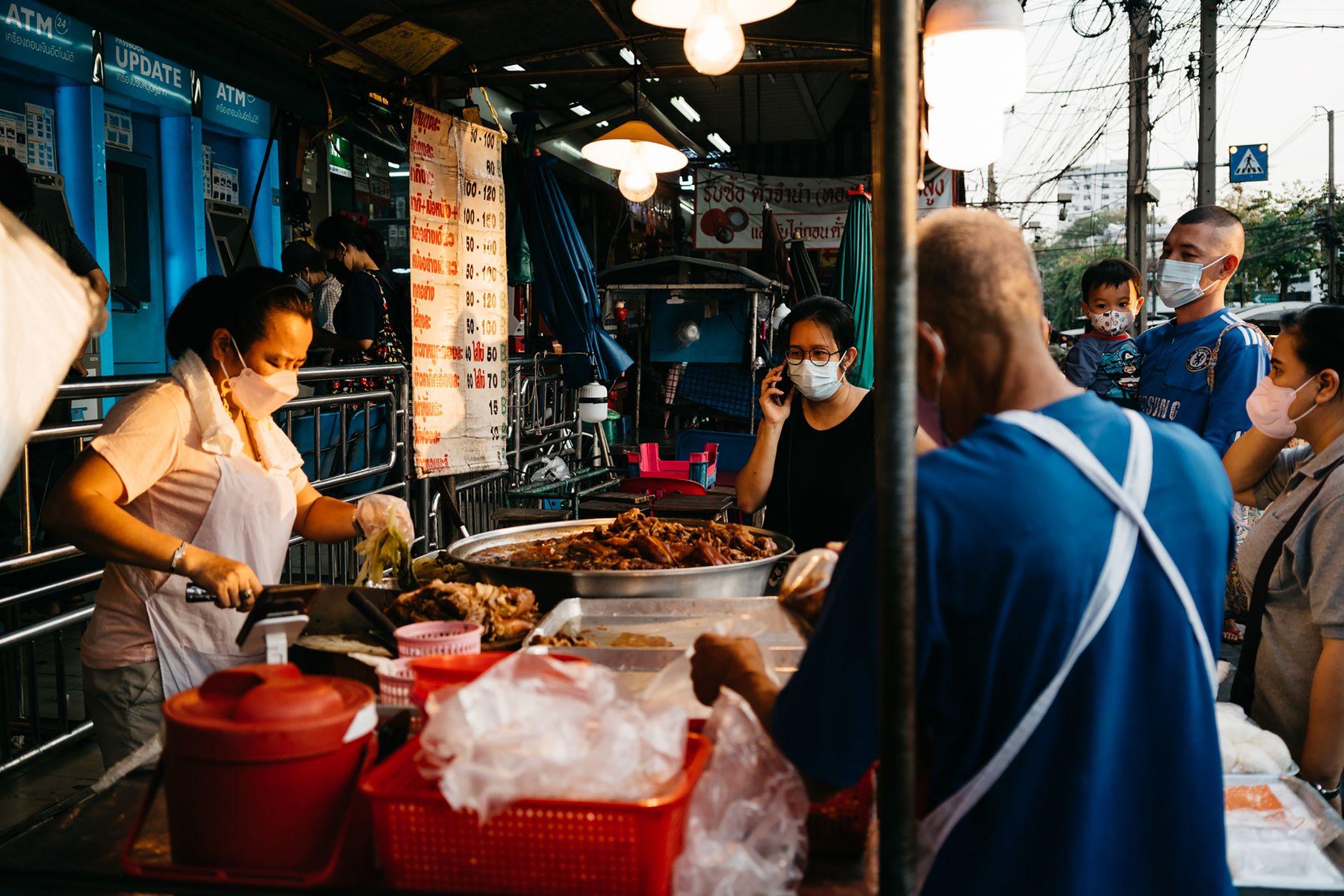
To pay for goods, services and monthly expenses, the most effective strategy is to use a combination of card payments and cash. In tourist-heavy areas, many merchants will accept cards. However, outside those hotspots, cash is more prevalent. Therefore, it's best to carry cash to cover expenses such as food, transportation and small purchases. Most nomads and expats will tell you to have between $30 and $50 (฿1,000 to ฿1,600) for daily spending.
Best Payment Methods for Digital Nomads in Thailand
In Thailand, you can pay for goods and services in numerous ways. However, you'll quickly find that there's considerable variety in what merchants and service providers accept. As mentioned earlier, you can typically use debit and credit cards in tourist-heavy areas. However, moving away from busy cities and regions that cater to visitors will result in significantly lower acceptance.
If using cards, choose which ones you'll use wisely. International cards come with excessive fees. You'll have to cover processing fees from merchants, foreign transaction fees from your bank at home and deal with unfavorable exchange rates. If you can open a Thai bank account, consider using debit cards from your Thai account instead of international ones.
Thailand remains a predominantly cash-based culture, and a significant portion of the country's economy relies on informal businesses that lack the infrastructure to accept card payments. That's why you need to carry cash around.
Fortunately, things are changing. Digital payments are becoming more prevalent throughout the country. QR codes, in particular, are gaining popularity with an increasing number of merchants accepting them. Whenever possible, use digital payment solutions. QR code payments are more convenient, cost-effective and safe. You should have backup Thai visa payment methods, such as cards or cash, but it's always a good idea to use digital payment options when available.
Like any other place, theft and fraud are possible. Therefore, you must always secure your cash and cards at all times, and consider using RFID-blocking wallets to prevent unauthorized access to your information.
Currency Exchange Strategies for DTV Visa Holders
For most people needing to obtain Thai Baht cash, the go-to option is to use an ATM. That works, but it can cost you. In addition to foreign transaction and ATM fees from your home bank, you'll need to cover local ATM fees. Every withdrawal will incur fees. Furthermore, you may get unfavorable exchange rates.
Anyone living in the area with a Thailand long-term visa or DTV will tell you that, if you plan to use ATMs, do so infrequently. Withdraw large amounts to minimize fees. Bulk withdrawals will cost you far less in the long run than multiple smaller ones.
It's also advisable to consider visiting an exchange booth, particularly in city centers. Compared to banks and ATMs, exchange booths typically offer more favorable rates, helping you get more bang for your buck during your long-term stay.
Thailand Digital Nomad Visa: Working and Getting Paid
Another important detail to consider before starting your journey in Thailand is understanding how you'll get paid. Remember: the Thailand DTV visa is not a work visa, and you're prohibited from working for any local companies. Your income needs to come from outside Thailand.
Generally, the best strategy is to utilize freelance payment platforms and maintain a strong relationship with your home bank. Keep your home bank accounts open, and you can continue receiving work payments as you do now. From there, you can remit money to your Thai account. Maintaining those accounts will also simplify your tax situation. Even if you're living abroad, you'll need to pay income taxes as a citizen of your home country.
Freelance payment platforms streamline payment collection, and some will even allow you to transfer funds to your local bank account in Thailand.
Avoiding Common DTV Visa Payment Mistakes
Since the Thailand remote work visa is still relatively new, nomads are still learning how to maximize its benefits while managing their finances. However, early adopters stress the importance of maintaining financial documentation and being strategic about avoiding excessive fees while living abroad.
Good bookkeeping goes a long way. Keep your documentation in order, keep track of what you're making and develop a budget that you can easily monitor. That documentation can help you during tax season and can benefit you when applying for visa extensions.
Early DTV adopters also emphasize the expensive mistakes they had to learn the hard way! Many nomads value convenience early in their stay, using nearby ATMs and frequently using their cards. However, the fees associated with card usage and unfavorable exchange rates add up. It's like flushing money down the drain.
To avoid wasting valuable funds, make bulk ATM withdrawals, convert cash at exchange booths to get better rates and be more careful about avoiding fees.
Streamline Your Experience
Taking a more tactical approach to managing your finances can lead to greater success during long-term stays. The Thailand DTV visa opens numerous doors for digital nomads, but unless you manage your finances effectively and set yourself up for success, you'll encounter countless challenges. Before you depart for an experience of a lifetime, you need to explore solutions that provide convenience, support and security.
Check out Moreta Pay. Moreta Pay is a platform that can help nomads like you avoid high fees, obtain better exchange rates and make international money transfers with ease. You can even make digital payments and avoid the high costs of using your cards. With Moreta Pay, you can save money and handle your finances smarter.
Download the Moreta Pay app or request a consultation to learn more about how the platform can help you succeed as a visa-holder in Thailand.
More Update
More Update
More Update
Apple/GPay now available. Sign up for updates.