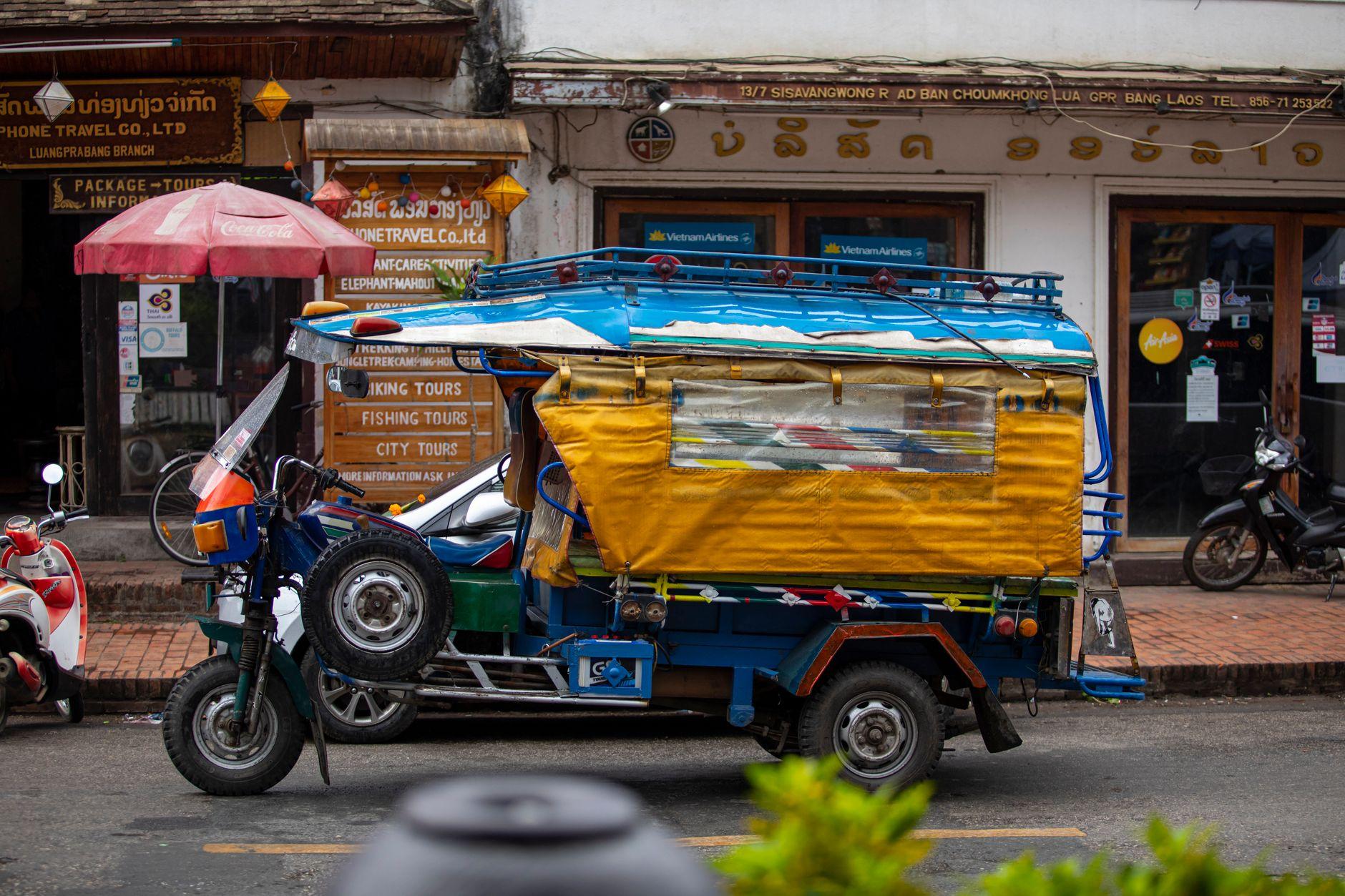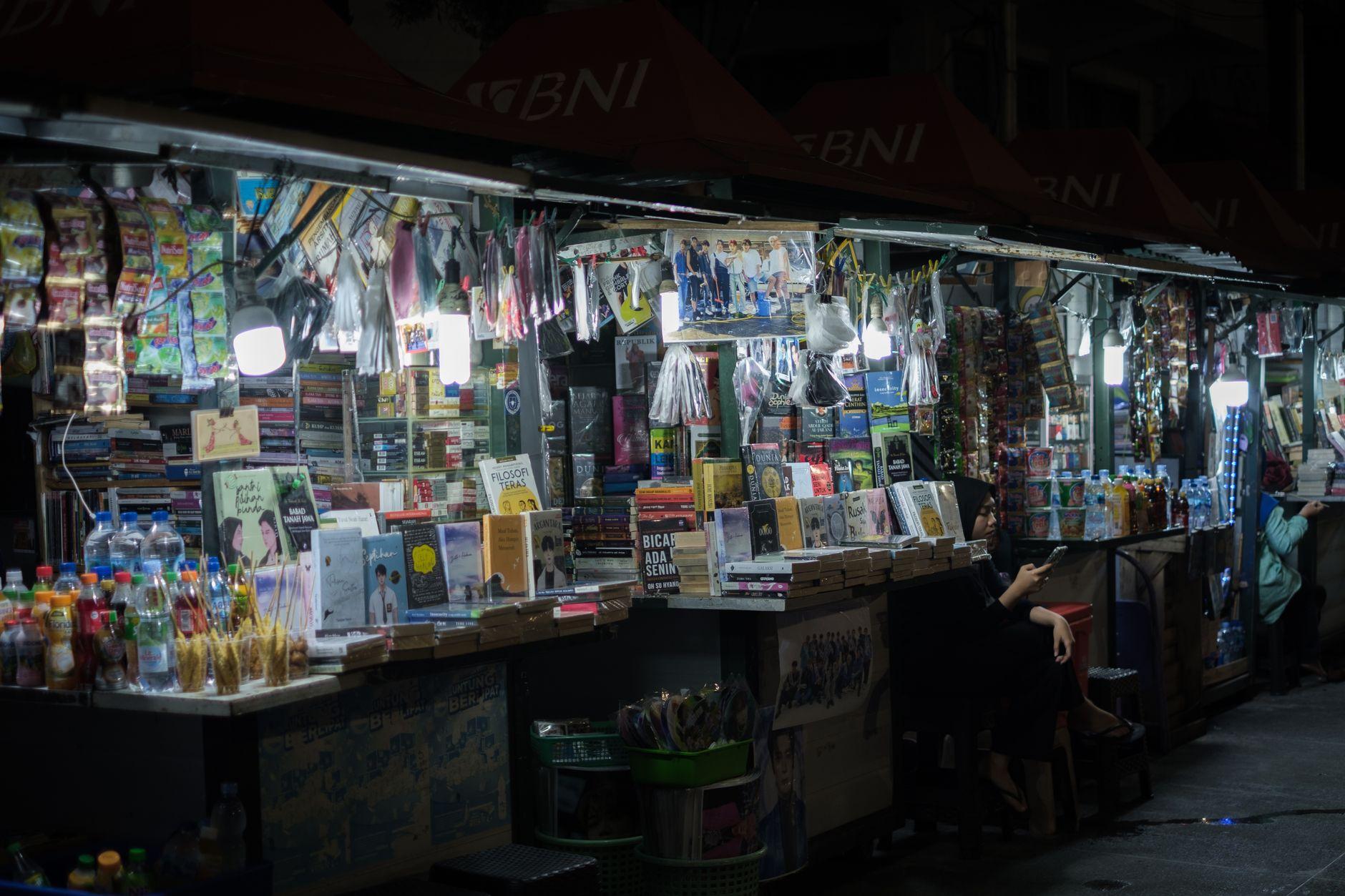


The first time I tried to pay for a bowl of khao piak sen at a roadside stall outside Luang Prabang, I reached for a fold of kip and the woman behind the pot waved it off, almost annoyed, and tapped a laminated square taped to her cart. No card reader. No register. Just a printed code, a cheap Android phone, and a little ping when the money landed. She'd already turned back to the broth before I'd put my wallet away.
A decade ago that scene would have been unthinkable. Laos was one of the most stubbornly cash-based economies in Southeast Asia, a place where travelers planned their days around finding a working ATM. Now a noodle vendor in a town of 50,000 people would rather you scan. The shift didn't happen slowly, and understanding how it happened tells you a lot about how to actually pay for things when you visit.
A country that ran on cash and UnionPay
For most of the 2010s, Laos didn't really have a payments problem to fix so much as a blank page to fill. Credit cards were rare. Card terminals lived in hotels and a handful of city supermarkets. The closest thing to a national electronic backbone arrived in 2015, when the central bank built out a domestic card system with China UnionPay — which is why, even today, eight out of ten bank cards in the country still carry the UnionPay logo.
That thin card infrastructure turned out to be an advantage. There was no entrenched Visa-and-Mastercard ecosystem to defend, no fleet of expensive terminals merchants had just financed. When a cheaper option came along, almost nothing stood in its way. It's the same leapfrog story we've written about across the region — Laos just started from further back, and jumped further.
2020: the year Laos got a QR standard
The real turning point came in early 2020. On January 29, the Bank of the Lao PDR soft-launched the national Lao QR Code standard, a single technical format that any bank could build on. This mattered more than it sounds. Before that, QR payments existed in Laos, but they were a mess of walled gardens — your bank's code only worked with your bank's app.
A standard fixed that. The central bank had quietly set up a dedicated Payment Systems Department in 2018 to manage exactly this kind of plumbing, and a few months after the QR launch it switched on LaPASS, a real-time settlement system that let money actually move between institutions instantly. Underneath it all sits LAPNet, the national switch that now connects around 30 member banks and financial firms. Boring infrastructure — and the entire reason a code on a coffee cart works no matter which bank issued it.
2020 was also the year Laos handed out its first e-wallet license, to M-Money, run by Lao Telecom. That platform alone now links tens of thousands of merchants, mostly through QR.
COVID did the convincing
The timing was almost too good. The standard went live weeks before the pandemic shut the region down, and suddenly handing over grubby banknotes felt like a risk. Vendors who'd ignored QR for years taped up a code in a single afternoon. Markets, tuk-tuks, pharmacies, guesthouses — the laminated square spread the way it did almost everywhere in Southeast Asia, except here it landed on top of fresh, standardized rails instead of a tangle of competing apps.
What's notable is what didn't happen afterward. The habit stuck. By the time tourism reopened, BCEL — the country's largest bank — had pushed its OnePay QR service deep enough that the Lao QR network now covers somewhere around 200,000 merchants nationwide, a staggering figure for a population of roughly seven million.
Crossing the Mekong, then every border
Once domestic QR was solid, Laos started doing something more ambitious: wiring its code into its neighbors'.
The first link was with Cambodia in September 2023, letting Cambodian travelers scan Lao codes through their own banking apps. Then came the big one. In April 2024, on the sidelines of an ASEAN finance meeting in Luang Prabang, the Bank of Lao PDR and the Bank of Thailand launched cross-border QR — at first letting Lao travelers scan Thailand's PromptPay codes, with Thai tourists able to pay across the Mekong in Laos by that summer. For two countries joined by the Friendship Bridge, this was less a tech demo than a tourism stimulus.
Vietnam connected its VietQR network to Laos around the turn of 2025. China linked in too, plugging LAPNet into UnionPay so Chinese visitors — Laos's largest tourist source — could pay through familiar apps. By late 2025 the Laos–Cambodia link had reached Phase 2, meaning travelers in both directions can now scan, and the Bank of China had even run the country's first cross-border digital-yuan QR payment in Vientiane.
That's the part worth sitting with. In five years Laos went from "find an ATM" to a national QR rail stitched into four neighboring countries and a central-bank digital currency pilot. This is public infrastructure behaving like the internet — open, interoperable, and quietly international.
What this means if you're visiting
Here's the catch, and it's a real one. Almost all of this runs through local apps that assume you have a Lao bank account, a Lao phone number, and Lao ID. BCEL's tourist wallet EzyKip and the ride-and-pay app LOCA Pay were built specifically to bridge that gap, letting you top up from a foreign card and scan local codes — useful, though each comes with its own fees and quirks.
The smarter move is to treat Laos the way you'd treat the rest of the region: arrive already able to scan. That's the exact problem Moreta Pay is built for. You load funds in your home currency, scan the same Lao QR codes the locals around you are scanning, and skip the ATM hunt and the 4–6% foreign-transaction surcharge your card would quietly add. If you're sending money to friends or family in-country, the same rails handle remittances without the wire-transfer headache. Laos is one of the countries Moreta already supports, so the noodle-cart workflow just works.
Bring a little cash for the genuinely rural edges and a card for your hotel. But your default in Laos in 2026 should be the phone in your hand.
Because the woman with the khao piak sen has already moved on. She's not waiting for your kip — she's waiting for the ping.