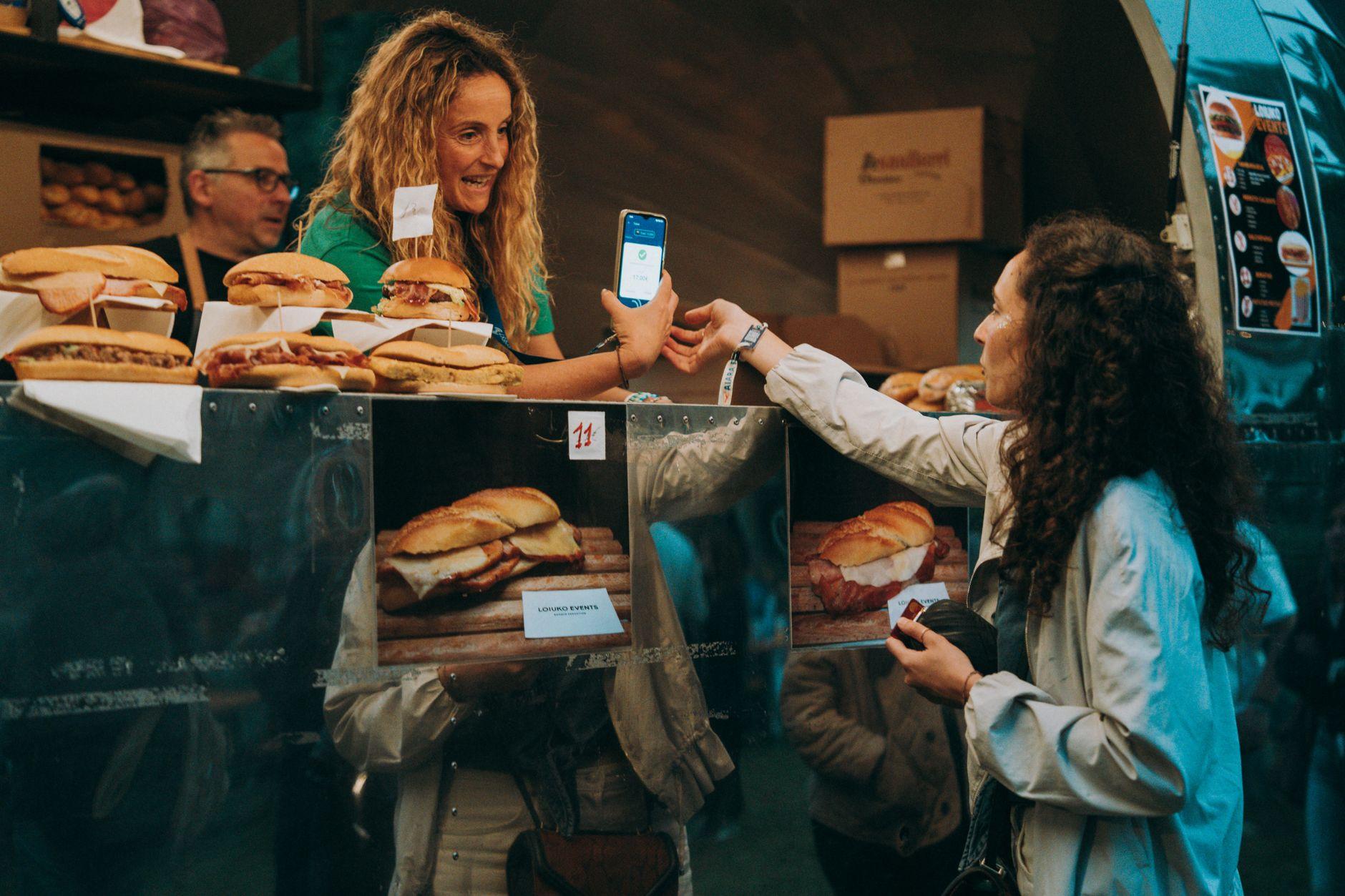

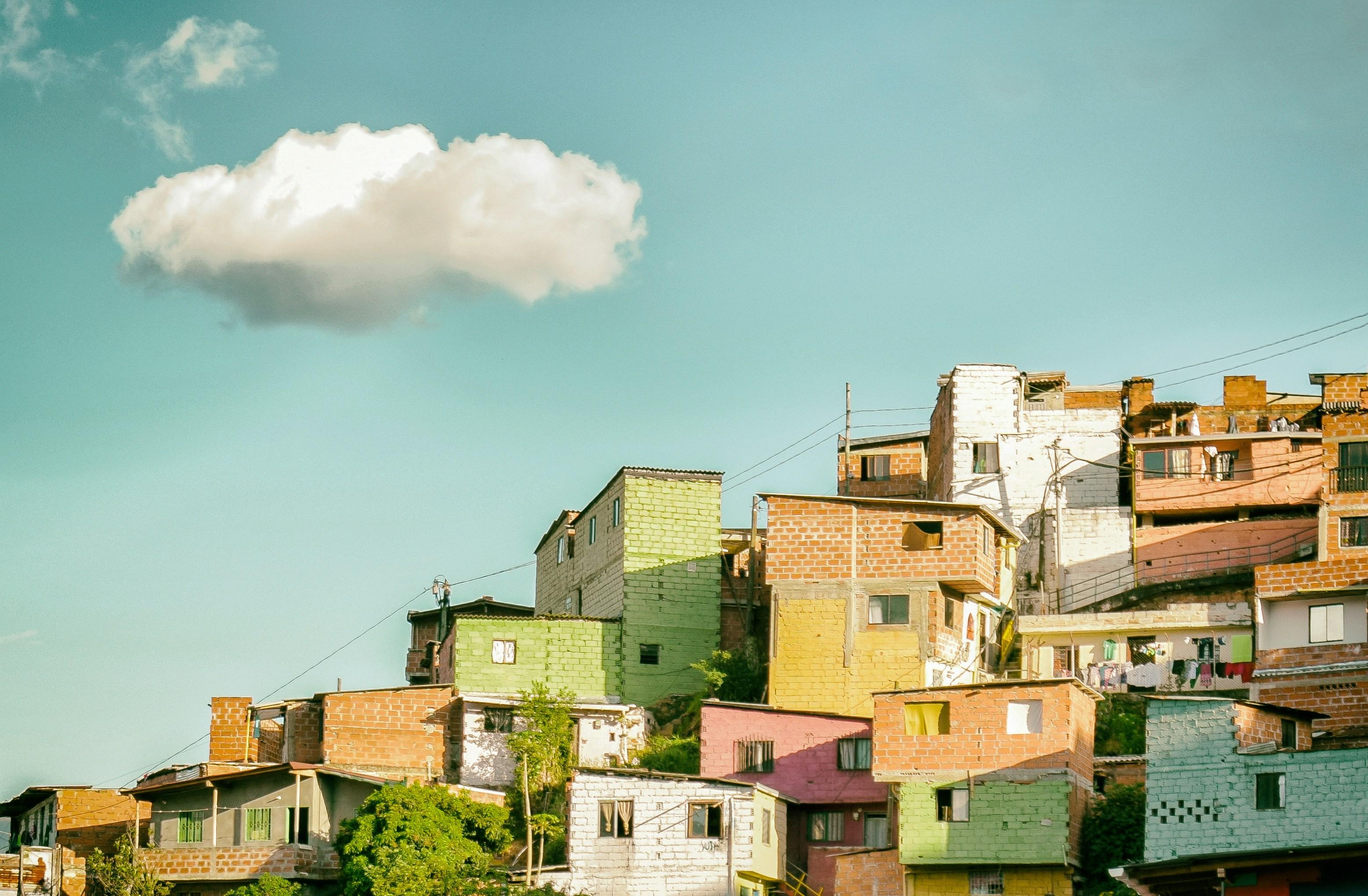
The guy selling arepas de choclo outside my hostel in Medellín had a laminated card clipped to his cart. No prices on it. Just a QR code and a phone number written in marker underneath. When I held out a 20,000-peso note he took it, sure — but the three Colombians ahead of me in line never reached for a wallet. They scanned, typed, showed him the confirmation screen, and walked off chewing.
Eighteen months ago that transaction would have depended on which app everybody happened to use. Nequi customer, Daviplata vendor? Awkward. Today it doesn't matter, and the reason is a piece of infrastructure most travelers have never heard of: Bre-B.
Colombia Was a Cash Country. Then It Wasn't.
Here's the part that makes the speed genuinely strange. As recently as 2023, cash was still the preferred payment method for almost four out of five Colombian adults. This was not a country itching to go digital. Wallets like Nequi and Daviplata were huge — Nequi alone counts around 25 million users — but they were islands. Sending money between them was clumsy, and paying a merchant usually meant being on the same app they were.
Then, on October 6, 2025, the Banco de la República flipped the switch on Bre-B, its interoperable instant payment system. Within six months it had blown past 100 million registered payment keys, with more than 34 million users and over 600 million transactions processed. In a country of about 52 million people, that's not adoption. That's a stampede. ColombiaOne
What a "Llave" Actually Is
Bre-B runs on llaves — keys. Instead of sharing a 16-digit account number, a Colombian links their phone number, national ID, email, or a custom alphanumeric tag to their bank or wallet account. To get paid, they give you their key. To pay, you type it in or scan a QR that carries it. The money moves in seconds, any hour, any day, and it costs the user nothing.
If that sounds like Pix in Brazil, it should — the central bank started designing Bre-B in 2022, openly inspired by Pix's success, with 24/7 transactions and full interoperability as the goal from day one. Colombia watched its neighbor rewire an economy and decided to skip the decade of fragmentation and go straight to the good part. It's the same leapfrog logic we've written about in Southeast Asia: when card infrastructure never fully arrived, there's nothing to protect and no reason to wait. EBANX
One Button in Every App
The genius move was where they put it. Bre-B isn't a separate app you download. It's a button — a purple "Bre-B" zone that appeared inside Bancolombia, Nequi, Daviplata, Nu, and every other participating bank and wallet, more or less overnight. Over 170 institutions plugged in. Grandma didn't have to learn new software; the app she already had simply started talking to everyone else's.
That's why the arepa guy doesn't care what's on your phone anymore. His QR works with all of it. The central bank even picked up a Central Banking award in 2026 for how cleanly the rollout landed — a sentence I never expected to type about payments infrastructure, but here we are.
Merchants Did the Math Immediately
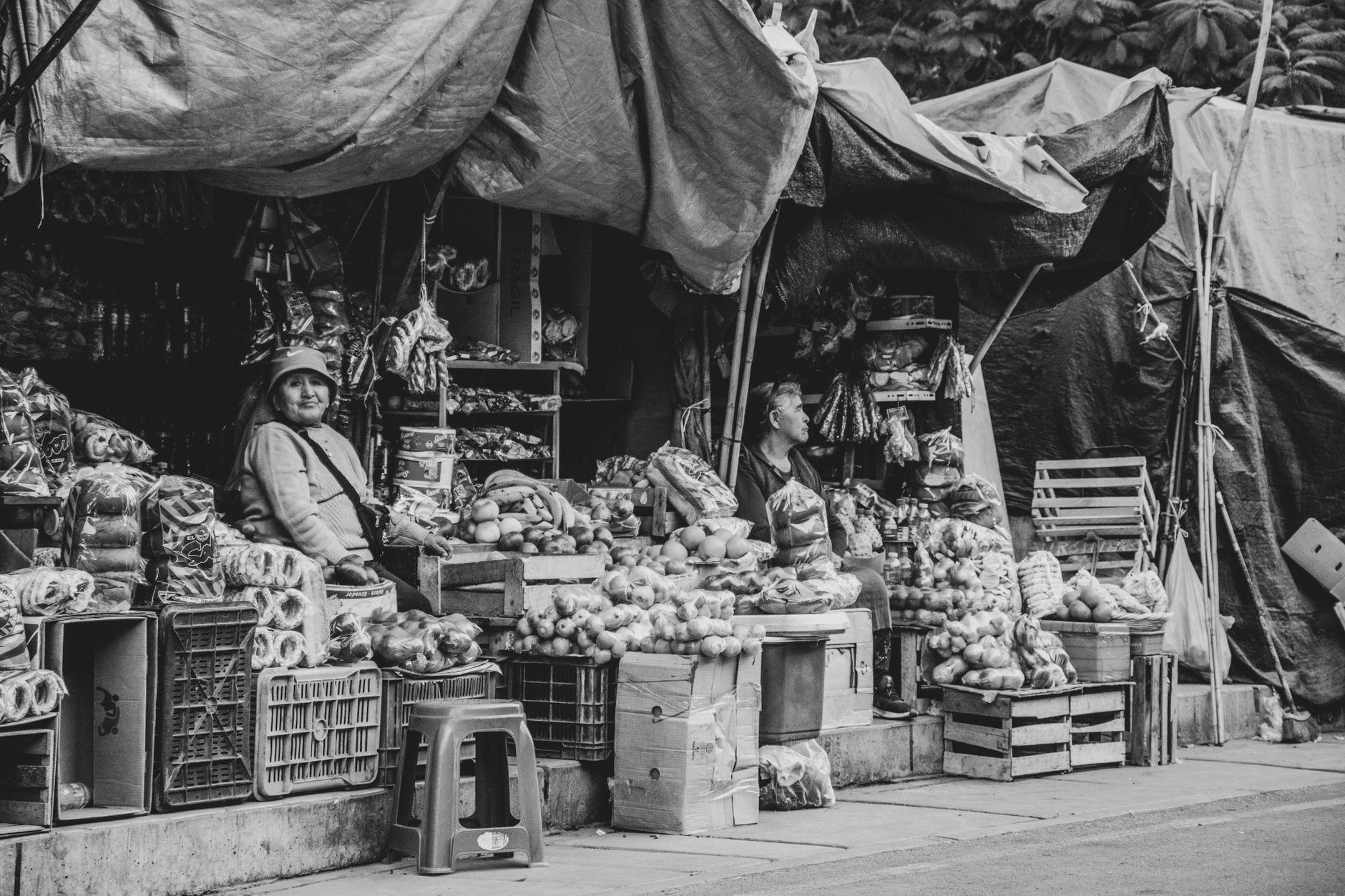
Card terminals in Colombia are expensive, slow to settle, and take a real bite out of every sale. Bre-B transfers land instantly and cost small merchants essentially nothing. So the tiendas, the fruit stalls, the taxi drivers, the woman selling tintos from a thermos on the Transmilenio platform — they didn't need convincing. Print the code, tape it up, done.
The average Bre-B transaction runs around 157,000 pesos, roughly $43, but plenty are far smaller. This is a rail people use for a 3,000-peso coffee without thinking twice, which is exactly the behavior that killed cash-first culture in Brazil, Argentina, and Peru before it.
The Tourist Problem, Again
And now the familiar catch. Nequi, Daviplata, and the Bre-B button inside every Colombian bank app all require what tourists don't have: a cédula, a local phone plan, a Colombian bank account. You can watch the entire country scan its way through the day while your foreign Visa gets declined at a market stall and the nearest ATM charges you 26,000 pesos for the privilege of withdrawing cash, before your own bank piles on.
This is exactly the gap Moreta Pay was built to close. Since launching across Latin America, the whole point has been letting you scan the same local QR codes residents use — no cédula, no local account, no "¿tienes efectivo?" standoff. You top up in your own currency, see the live peso rate before you confirm, and the vendor gets paid like you're any other local. Same wallet handles Pix in Brazil and Yape in Peru, so one top-up covers the whole trip down the Andes.
One habit worth stealing from Colombians while you're there: check the recipient name on screen before you confirm. Any payment system that grows this fast attracts fake-QR sticker scams, and a two-second glance is all the protection you need.
The Takeaway
Colombia didn't drift into digital payments. The central bank built one shared rail, dropped it into every app in the country at once, and a cash-loving nation registered a hundred million keys before the system's first birthday. The arepa cart has better payment tech than most airport duty-free shops now.
Show up ready to scan, and Colombia is one of the easiest countries in the Americas to spend money in. Show up with only plastic, and you'll spend your trip hunting ATMs while everyone around you pays with a key.