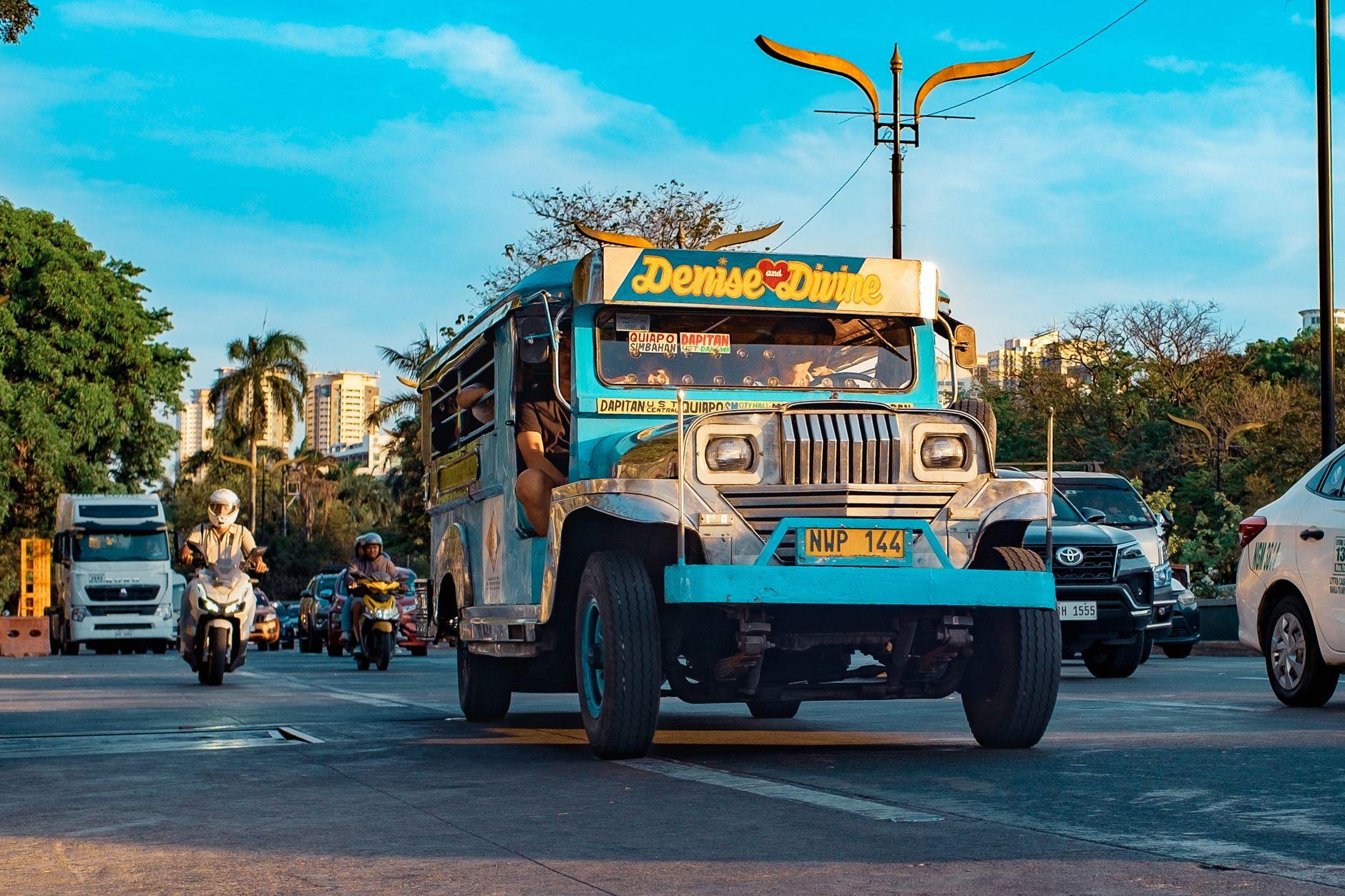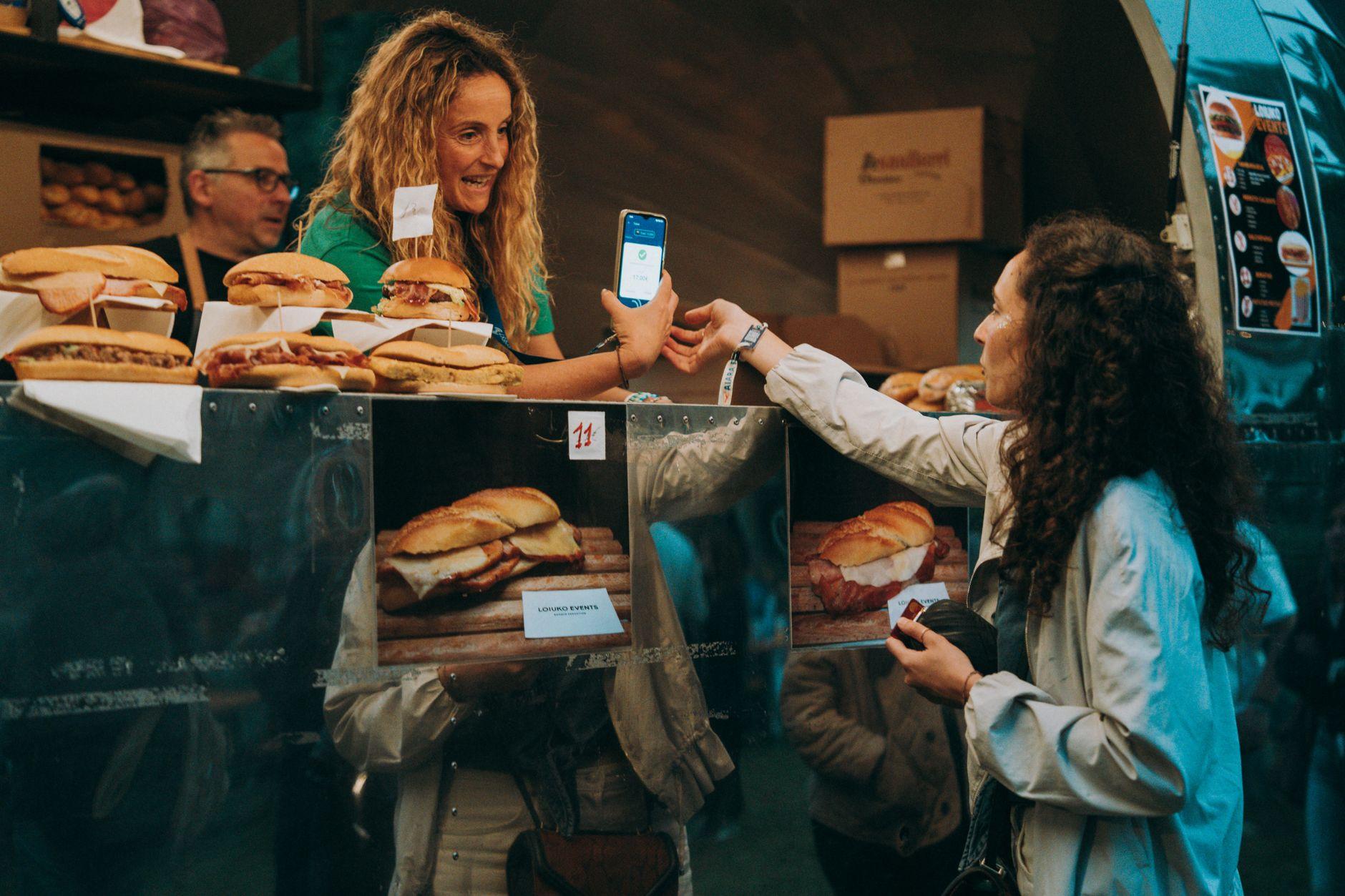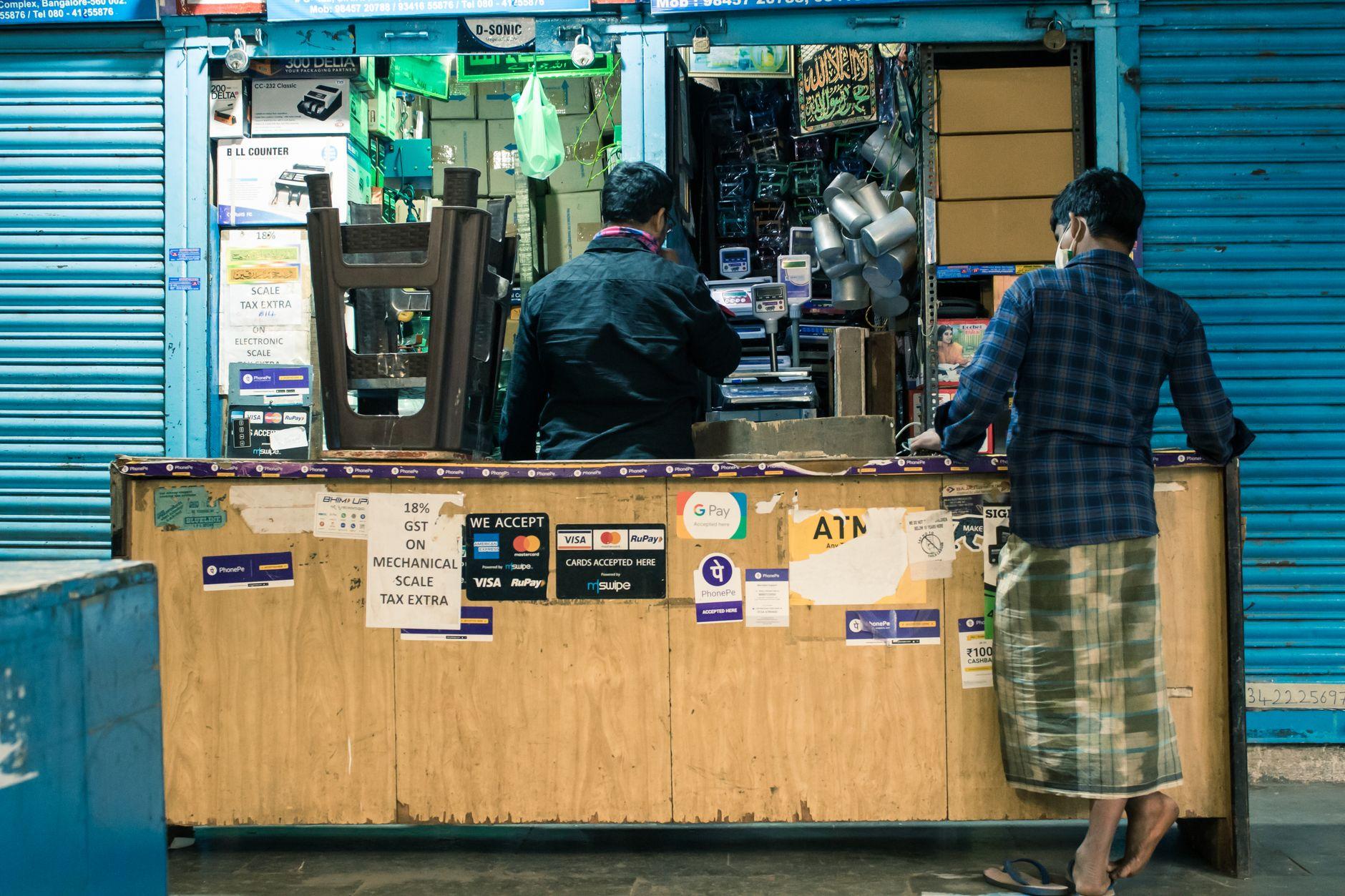


Walking into a 7-Eleven in Bangkok last spring, I watched something that would have looked impossible in New York. A construction worker, dust still on his boots, paid for his rice bowl by holding up a QR code on his phone. The cashier didn't blink. Behind him, an elderly woman did the same thing. The card reader sitting on the counter looked almost decorative.
This is the part of Southeast Asia's payment story that doesn't get told enough. The region didn't slowly adopt QR codes as a card alternative. It mostly skipped the card era altogether.
If you're traveling here from North America or Europe, that gap will hit you faster than the humidity. Your Visa works fine at the airport hotel. It might be useless at the noodle shop two streets over. Meanwhile, everyone around you is scanning a square on a laminated piece of paper and walking out with their food in under five seconds.
Here's why that happened, and why it's not going back.
Cards Were Never Going to Work Here
The standard cashless story in the West goes like this. Banks issued debit and credit cards. Merchants bought POS terminals. Visa and Mastercard took a percentage on every swipe. The whole system slowly grew over fifty years.
That model doesn't translate to Southeast Asia, for one simple reason: the math doesn't work for most merchants.
A typical card transaction in the US costs the merchant somewhere between 1.5% and 3.5%, plus monthly equipment rental, plus minimum transaction requirements. For a Bangkok street vendor selling pad thai at 50 baht ($1.40) a plate, a 2.5% fee on every sale is meaningful. A $30/month terminal lease is a deal-breaker. The card economic model assumes mostly high-value transactions in formal retail. The Southeast Asian merchant economy runs on a high volume of small ones — coconut drinks, motorbike rides, banh mi sandwiches, single bunches of rambutan.
There was a demand-side problem too. For decades, big chunks of the population in Vietnam, the Philippines, Indonesia, and Cambodia simply didn't have the bank accounts that would qualify them for a credit card. According to the World Bank, financial inclusion in these countries climbed from below 40% to well over 70% in less than a decade — but that didn't happen through cards. It happened through phones.
By the time card infrastructure could have rolled out at scale, something better had already shown up.
The Smartphone Beat the Card to the Punch
A funny thing happened in Southeast Asia between roughly 2015 and 2020: cheap smartphones got into people's hands before bank cards did. A villager in central Thailand or rural Vietnam might never have held a Visa card. But they almost certainly owned a phone with a working camera and a banking app.
That sequence matters. When the infrastructure decision came up — how do we let tiny merchants accept digital payments? — the answer wasn't "buy them all card terminals." The answer was "they already have phones. Let them print a QR code." Marginal cost: roughly zero.
This is why you see QR codes taped to pad thai carts, glued to tuk-tuk dashboards, and laminated next to the cash register at every hostel in the region. The merchant didn't need a terminal. They needed a piece of paper and an app they already had on their phone. As one recent analysis put it, allowing even the smallest street vendors to accept QR payments didn't just expand digital commerce — it pulled millions of underbanked people into the financial system for the first time.
The same thing can't be said for cards. A vendor accepting a card needs hardware, a merchant agreement with a bank, settlement times, and chargeback risk. With QR, money lands in the seller's account instantly. They get a notification on their phone before you've even walked away.
Central Banks Did Something the West Hasn't
Here's the part that most travelers underestimate. Southeast Asian central banks actually coordinated. They built shared, standardized QR systems that aren't owned by Visa, Mastercard, Apple, or any single private network.
Thailand has PromptPay. Vietnam has VietQR. Indonesia has QRIS. Malaysia has DuitNow QR. The Philippines has QR Ph. Cambodia has KHQR. Each one is a national real-time payment rail. Any bank or wallet app in that country can plug into the same standard.
The technical lift is real. Thailand's PromptPay alone processes over 75 million transactions a day, running on real-time gross settlement and ISO 20022 messaging standards. Indonesia's QRIS connects tens of millions of merchants through Bank Indonesia's instant clearing system. These aren't toys — they're public payment highways.
What this means in practice: you don't need to be on the same banking app as the merchant. A Thai person with K-Bank can scan a Krungthai-issued QR. A foreigner with Moreta Pay can scan either one. The interoperability is baked in at the central bank layer, not bolted on by private companies competing with each other.
That level of coordination basically hasn't happened in US or European card markets, where the networks are private and the incentives push toward fragmentation instead of standardization.
The Cross-Border Move That Sealed It
In the last few years the project got more ambitious. The same central banks that linked banks inside their own borders started linking countries to each other.
Today, a tourist with an Indonesian QRIS account can pay at a Bangkok night market by scanning a PromptPay code. The conversion happens in real time, settled directly between central banks rather than through Visa's correspondent banking network. From Bali to Bangkok, people are skipping cards for cross-border QR — it's the first regional payment integration of its kind globally.
That's worth sitting with. Europe has been talking about a unified payment system for years and finally produced Wero, which is barely off the ground. Southeast Asia just did it. Indonesia, Malaysia, the Philippines, Singapore, and Thailand have live cross-border QR. Vietnam, Cambodia, and Laos are integrating. Japan and South Korea are joining the network now too.
For travelers, the practical takeaway is straightforward. The dominant payment rail across Southeast Asia is QR. It's not reverting to cards. If anything, it's spreading further.
Cards Aren't Dead Here — They're Just Not Default
I don't want to overstate this. Cards still work fine at international hotels, major airline counters, big-box retailers, mall chains, and tourist-facing restaurants. If your trip looks like Marriott-to-McDonald's-to-Starbucks, you can probably get through it on a credit card.
The issue is that almost no one's trip actually looks like that. The real texture of travel here — the night markets, the family-run guesthouses, the Grab rides, the 7-Elevens, the boat tours, the corner cafes that brew condensed-milk coffee on a plastic table — runs on QR codes. Card acceptance drops off sharply the moment you leave the tourist bubble.
There's a second problem too. Even when the card does work, the foreign transaction fee, the dynamic currency conversion markup, and the merchant's bad-FX terminal will often add 4-6% on top of what you actually owe. A QR payment through a transparent app settles at close to mid-market and skips most of those layers. Over a two-week trip, the difference is real money. Plenty of travelers I've talked to figure this out three days in, when they finally compare their bank statement to the prices they thought they were paying.
The other thing cards can't do here is rent payments, utility bills, or remittances to family. QR rails handle all of that natively. The infrastructure is doing things cards were simply never designed to do.
What This Means If You're Coming to Visit
Don't show up in Southeast Asia treating your credit card as your primary payment method. That's an outdated playbook. You'll overpay on fees, struggle at smaller merchants, and you'll be the only person at the table fumbling for a piece of plastic while everyone else taps and walks.
The practical move is to set up a QR-capable payment app before you fly. Moreta Pay plugs into the actual central bank rails across Thailand, Vietnam, the Philippines, Cambodia, Laos and a growing list of others. You top up in your home currency, see the conversion in real time, and scan local QR codes the same way locals do — no Thai bank account, no local SIM, no waiting in line at currency exchange counters.
Keep your card in your pocket for the airline counter and the hotel. Keep a little cash for the rural fruit vendor who hasn't joined the digital economy yet. But your default payment method in Southeast Asia should match the default of the country you're actually standing in. Right now, that's a QR code.
The leapfrog already happened. The cards aren't catching up.