
Sending money to the Philippines isn't a niche activity. It's one of the biggest financial flows on the planet. The country pulled in over $38 billion in personal remittances in 2024, with most of it coming from Overseas Filipino Workers wiring funds back to family. For millions of households, those transfers pay for groceries, school tuition, medical bills and rent.
Despite the size of the market, the actual experience of remitting to the Philippines still feels stuck in the past for a lot of senders. High fees, poor exchange rates, long waits and pointless trips to physical branches continue to dominate the space. The good news is that you have more options than you probably realize, and some of them are dramatically better than others.
Here's a breakdown of how people remit money to the Philippines today, what each method actually costs, and why Moreta Pay has become a go-to alternative for families and travelers alike.
The Traditional Way: Remittance Centers and Wire Transfers
For decades, sending money to the Philippines meant walking into a Western Union, MoneyGram or Cebuana Lhuillier branch with a stack of cash. You'd fill out a form, hand over the money, pay a fee and text the tracking number to your relative. They'd then queue up at a branch on the receiving end to claim it.
It works. But it's slow, inconvenient and expensive. The World Bank tracks the global average cost of sending $200 across borders, and the figure has been hovering around six percent for years. On a $500 transfer that adds up fast. International wire transfers from your bank can be even worse, often charging $25 to $50 in flat fees on top of a markup baked into the exchange rate.
Then there's the time cost. Standing in line, filling out paperwork, dealing with branch hours and showing ID at both ends of the transaction is a hassle that doesn't really fit modern life anymore.
The Shift to Mobile Wallets: GCash and Maya
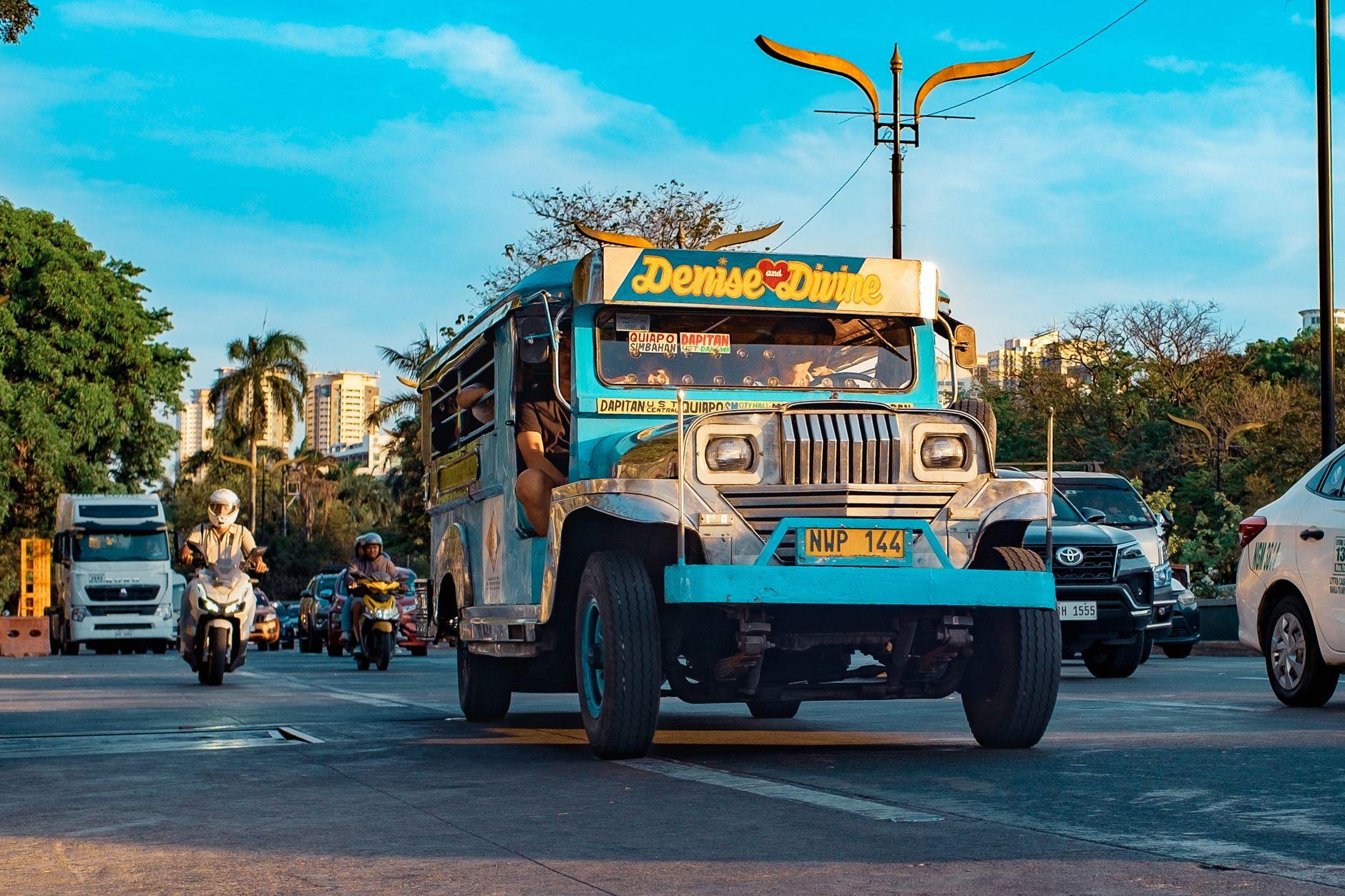
Over the last few years, the Philippines has gone through a rapid digital payments shift. GCash and Maya now sit on tens of millions of phones across the country. Filipinos use them to pay for groceries, jeepney rides, electricity bills and online shopping. They've quietly become the default way money moves around inside the country.
Naturally, this changed how remittances work too. Instead of sending cash to a branch for pickup, many overseas senders now top up a relative's GCash or Maya wallet directly. The recipient sees the funds in their app within minutes and can spend it without ever touching cash.
The catch? Funding those transfers from abroad usually still routes through one of the older remittance providers. So while the recipient experience is modern, the sender is often still paying outdated fees and getting hit with a poor exchange rate on the way in.
A Better Way to Send Money to the Philippines
Moreta Pay was built to fix exactly that problem. It's a mobile app that lets you send money from your phone straight to a recipient's bank account or mobile wallet in the Philippines, without the markup, without the branch visit and without the waiting around.
A few things make it work differently than the legacy options.
Mid-Market Exchange Rates With No Hidden Markup
Most remittance providers quote you an exchange rate that already includes a hidden margin of two to four percent. That's the part of their profit you never see written on the receipt. Moreta uses the same rate you'd find on Google or Reuters, with no spread baked in. You see the exact amount your recipient will get in pesos before you confirm the transfer.
Transparent Fees From Start to Finish
What you see is what you pay. There are no surprise charges tacked on at the end, no "service fees" buried in the fine print and no exchange rate sleight of hand. The total cost of your remittance to the Philippines is shown in your local currency before you tap send, so there are no awkward surprises on either end of the transfer.
Direct Delivery to GCash, Banks and Mobile Wallets
You can send funds straight to a recipient's bank account or scan a QR code generated from their GCash app. Money lands in the account they already use day to day, with no pickup required. If you want a more detailed walkthrough specifically for GCash, we've broken down that flow in our guide to sending money to your family's GCash in the Philippines.
Fast Settlement, Not Days of Waiting
Traditional bank wires can take three to five business days. With Moreta, most transfers settle within minutes. That matters when a family member is dealing with an emergency, or simply needs to pay a bill before a deadline.
How to Send Money with Moreta Pay
The setup is straightforward enough that most people get through it on their first try.
Download the Moreta Pay app on iOS or Android and create an account. Verification is done inside the app. You snap a photo of your passport and take a quick selfie, and you're approved within minutes.
Once your account is live, link a funding source. You can connect a bank account or top up using a debit card, Apple Pay or Google Pay.
To send money, open the app and choose your recipient. You can enter their bank details directly or scan a QR code they've sent you from their GCash, Maya or bank app. Moreta will show you the exact amount in pesos that will arrive, the exchange rate being used and any fee involved. Confirm the transfer and the money is on its way.
The recipient doesn't need a Moreta account. They don't need to install anything new. They don't need to walk anywhere. The funds just appear in the account or wallet they already use.
Choosing the Right Method for Your Situation
There's no single best way to send money home. It depends on the recipient, the amount and how often you're sending.
If your relative lives somewhere remote and prefers cash in hand, a traditional remittance center may still be the most practical option, even with the higher fees. If they have a bank account or a mobile wallet, though, a digital service like Moreta is almost always faster, cheaper and easier for both sides.
For regular monthly support, the savings really stack up. Cutting two or three percent off every transfer means hundreds of extra dollars staying in your family's hands over the course of a year. Multiply that across years of remittances and the difference is enormous.
For travelers and expats, Moreta does double duty. The same app you use to pay for things across the Philippines by QR code also handles your remittances, so there's nothing extra to install or learn.
Start Sending Money Home with Moreta
Remitting to the Philippines doesn't have to be the slow, expensive ordeal it used to be. Whether you're an OFW supporting family in the provinces, an expat sending rent to a Manila landlord or just trying to chip in for a cousin's birthday, Moreta lets you do the whole thing from your phone in a couple of minutes.
Download the Moreta Pay app today and see how much you can save on your next transfer home.