
There’s a moment every traveler in Brazil eventually has. You’re standing at a lanchonete counter holding a card, and the woman behind it points at a laminated QR code taped next to the register and says one word: “Pix?”
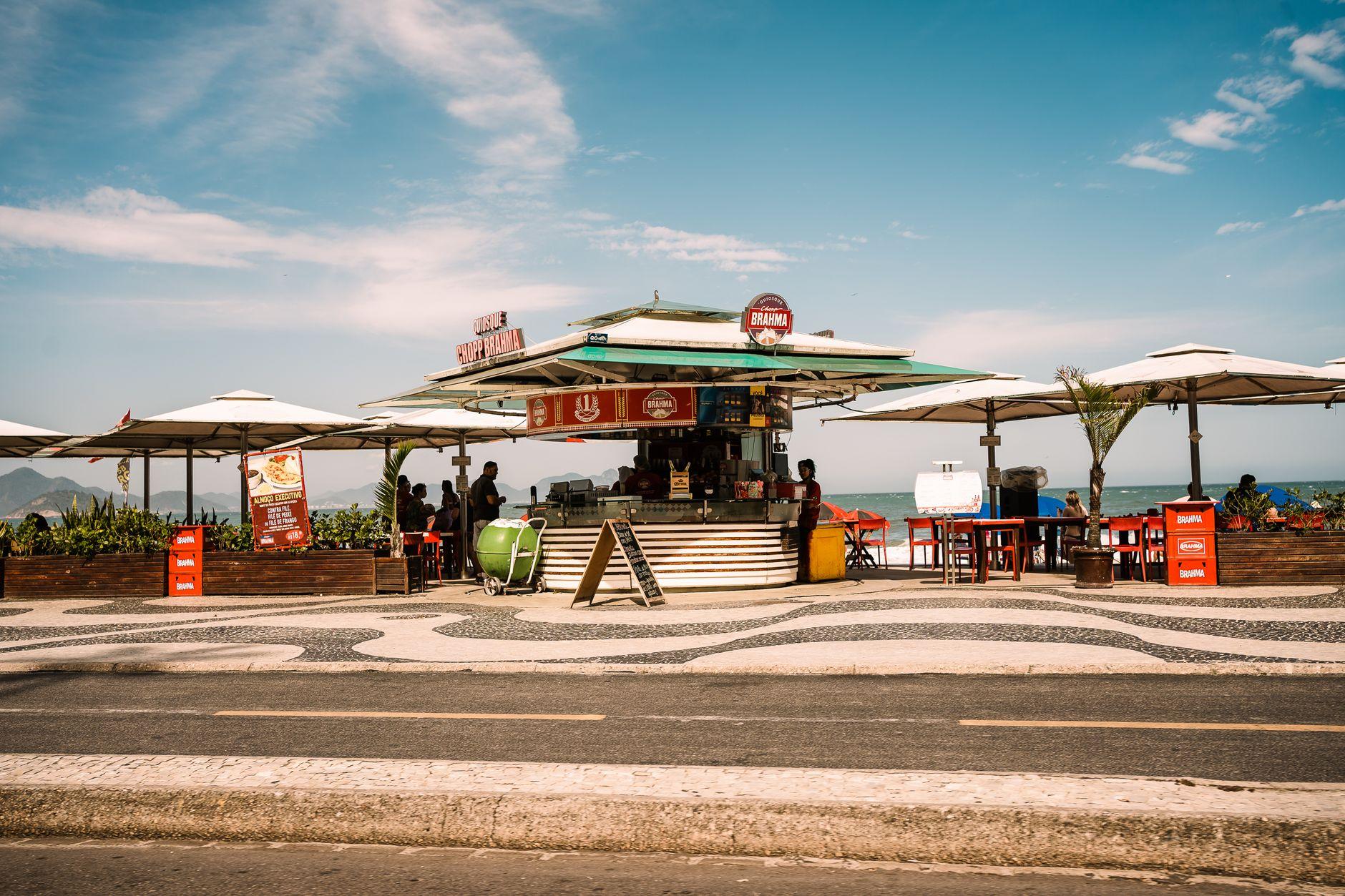
It happens at the beach kiosk, the padaria, the taxi window, the churrascaria. Because in Brazil, Pix isn’t an alternative payment method. It is the payment method. Everything else — cash, credit, debit — is now the workaround.
The Numbers Are Kind of Ridiculous
Pix launched in late 2020, built and run by the Central Bank of Brazil. Within a couple of years it was processing more transactions than credit and debit cards combined. Well over 150 million Brazilians use it — that’s most of the adult population — and it moves billions of payments a month, everything from R$4 espresso to rent.
Nowhere else on earth flipped to instant payments this fast. Not Sweden, not China, not anywhere in Southeast Asia. Brazilians went from cash-heavy to nearly cashless in about four years, and they did it through one system that every bank in the country is required to support.
Which means as a visitor, you’re not choosing between five competing wallets like you might in Vietnam or the Philippines. There’s one network. Everyone’s on it.
Why Cards Lose
Your Visa or Mastercard technically works in Brazil. Here’s what “technically works” looks like in practice:
- Small merchants don’t want it. Card processing costs them 2 to 4 percent plus terminal fees, and money can take days to settle. Pix is near-free for them and settles in seconds. Plenty of places offer a small desconto for Pix, or quietly add a surcharge for cards.
- Foreign cards get declined constantly. Brazilian card terminals and online checkouts often reject international cards outright, especially anything that runs through a parcelamento (installment) system. Booking a bus ticket or topping up a rideshare with a foreign card is a coin flip.
- The fees stack up. Foreign transaction fee from your bank, then the dynamic currency conversion the terminal tries to slip in (“pay in USD?” — always say no). You can lose 4 to 6 percent per swipe without noticing.
- Cash isn’t the answer either. ATM withdrawals in Brazil routinely cost R$25–30 in local fees before your home bank takes its cut, daily limits are low, and machines in tourist areas are exactly where skimmers live.
Pix skips the whole mess. The payment goes account-to-account, instantly, at any hour including Sunday at 3am. The merchant sees the confirmation on their phone before you’ve put yours away.
The Catch — and the Fix
The catch is the one your guidebook won’t mention: Pix was designed for Brazilian residents. Registering normally requires a Brazilian bank account, which requires a CPF, which requires paperwork no two-week visitor is doing. We covered the full backstory in Pix in Brazil Without a CPF.
The short version: Moreta Pay went live across Latin America this year, and it plugs straight into the Pix QR network. You scan the same code the locals scan, the merchant gets paid the same way, and on your end it just draws from a wallet you topped up in your own currency.
- Download the app from the App Store or Google Play and verify with your passport — takes about five minutes.
- Top up in your home currency, ideally before your flight while you’re still on decent WiFi.
- Scan any Pix QR code, static or dynamic, check the recipient name and the live BRL rate on screen, and confirm.
Moreta’s fee is a flat 1.5 percent on the transaction. Compare that to the 5-ish percent an ATM run actually costs you and the math does itself.
A Week of Paying Like a Local
To make it concrete, here’s roughly what a normal travel day in Rio looks like on Pix:
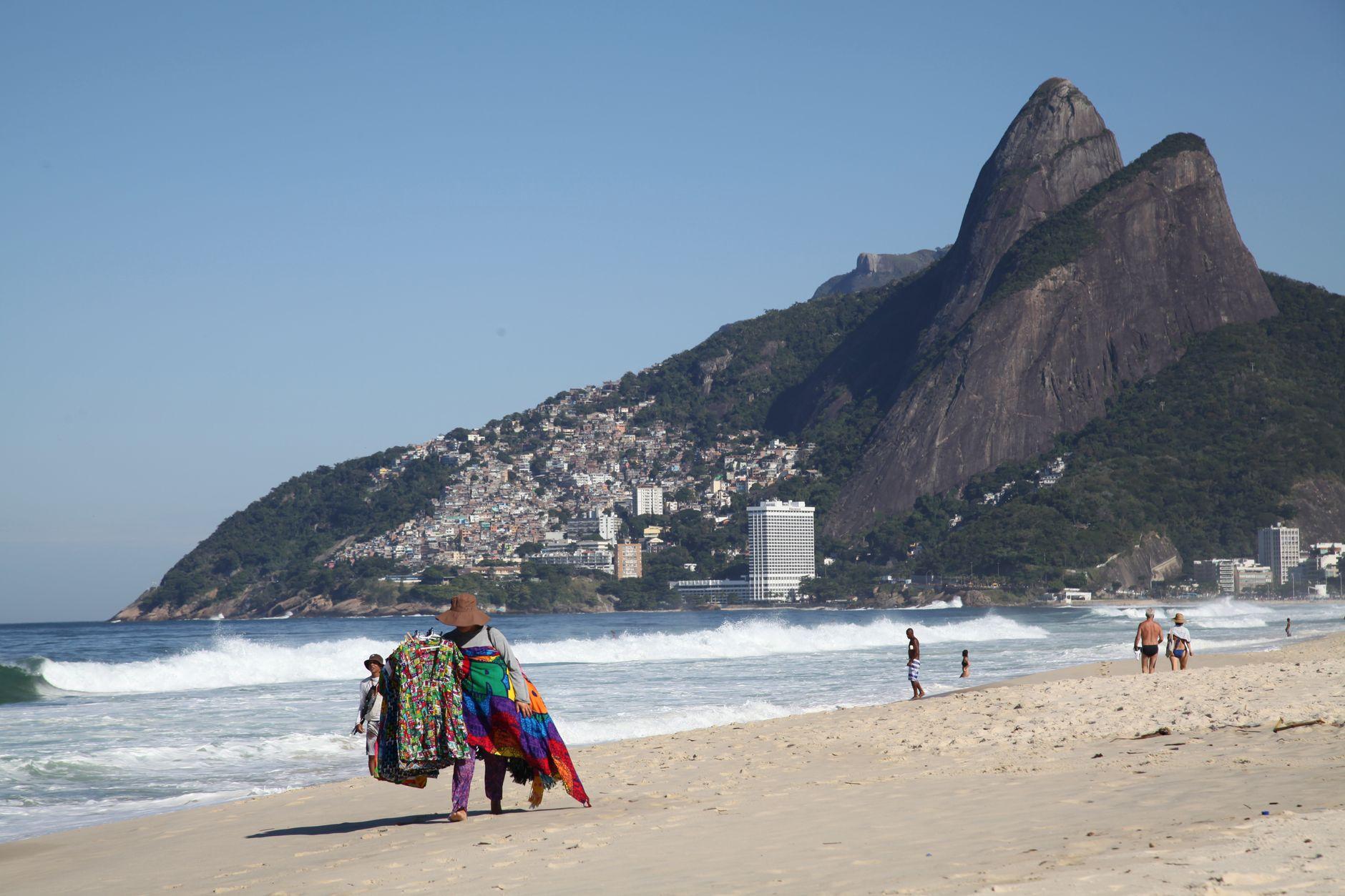
Morning pão de queijo and a coffee at the padaria — scan, R$14, done before the coffee’s poured. Beach chair and two coconuts from the guy at Posto 9 — he has the QR code laminated and hanging off his umbrella. Comida por kilo lunch where the Pix line moves twice as fast as the card line. An Uber top-up, a caipirinha in Lapa, the moto-taxi back. Not one card swipe, not one trip to an ATM, not one moment of counting change in the dark.
Multiply that by two weeks and you start to understand why Brazilians look mildly confused when tourists pull out cash.
Still Keep a Few Reais
Pix coverage is close to total, but “close to total” isn’t total. A crumpled R$50 in small notes covers the rare holdouts — the odd parking attendant, a very old-school feira stall, tips where a QR code would feel weird. Everything else, scan it.
One Wallet, Not One Per Country
If Brazil is one stop on a longer route, the same Moreta balance carries over: Pix here, MODO in Argentina, Yape in Peru, PromptPay in Thailand when you eventually swing back to Asia. Top up once, use it on every QR network we support — the full list is on the supported countries page.
Questions about limits, refunds, or a payment that hangs mid-scan? The Help Center has you covered.
Brazil built the best payment system in the world and then, for years, locked visitors out of it. Not anymore. Download the app, land at GRU, and when the woman at the counter says “Pix?” — you just say sim.