
Ask ten travelers how much cash to bring to Brazil and you'll get ten confident, contradictory answers. Bring $500 in dollars. Bring nothing. Exchange at the airport. Never exchange at the airport.
Here's the honest answer for 2026: less than you think, and probably less than any guidebook is telling you. Brazil went digital faster than almost any country on earth, and the amount of paper money you actually need has collapsed. But "almost none" isn't "none," and the edge cases are worth knowing before you're standing in front of a beach kiosk in Búzios with an empty wallet.
Let's break it down properly.
The Short Version
For most travelers, R$200 to R$300 in cash (roughly $35 to $55 USD) is enough for an entire two-week trip — as long as you can pay by Pix. If you can't pay by Pix, you'll need dramatically more, and you'll pay for it in fees at every step. More on that in a minute.
Why Brazil Barely Uses Cash Anymore
Pix, the instant payment system run by the Central Bank of Brazil, processes billions of transactions a month and reaches the overwhelming majority of Brazilian adults. It's free for individuals, settles in seconds, and works at everything from a Leblon cocktail bar to a woman selling tapioca out of a cart in Recife.
The result is a country where cash is now the backup plan. Street vendors have laminated QR codes taped to their coolers. Taxi drivers keep one on the dashboard. We covered why Pix beat cards so decisively in a separate post, but the practical upshot for travelers is simple: if you can scan, you can pay almost anywhere.
The catch has always been that Pix required a Brazilian bank account and a CPF. That's no longer true — you can pay Pix with Moreta without either — which is exactly what makes the low-cash strategy possible for foreigners now.
A Realistic Daily Budget in Reais
Prices swing a lot between Rio's Zona Sul and, say, Fortaleza, but here's a fair 2026 baseline for one person:
- Backpacker: R$180–R$280/day. Hostel dorm, comida por kilo lunches, buses and the metro, a few beers at the hostel bar.
- Mid-range: R$400–R$700/day. Private room or modest hotel, sit-down dinners, Ubers, a paid tour or two per week.
- Comfortable: R$900+/day. Boutique hotel in Ipanema or Jardins, nicer restaurants, day trips, beach club in Trancoso.
Now the important part: nearly all of this is payable by QR code. Hotels, restaurants, Ubers, buses in most big cities, tours, pharmacies, even the caipirinha guy on the sand. Your daily cash budget is a tiny slice of your daily spending budget.
Where You Still Want Paper Money
Keep a small stash for the stragglers:
- Tips for informal services — the flanelinha watching your car, a helpful porter, a beach chair attendant who's been running drinks all day
- Public restrooms at some bus stations and beaches (R$2–R$5)
- Tiny rural spots — a roadside fruit stand in the interior, the odd kiosk in a small Pantanal town where the phone signal died
- Older street vendors who never got around to printing a QR code (increasingly rare, but they exist)
- Emergencies — a dead phone battery is the real reason to carry anything at all
R$50 in small notes on your person, R$150–R$250 back at the accommodation. That's genuinely it.
The Expensive Way to Get Reais (Don't Do This)
If you show up planning to run on cash and cards, here's what Brazil charges you for the privilege:
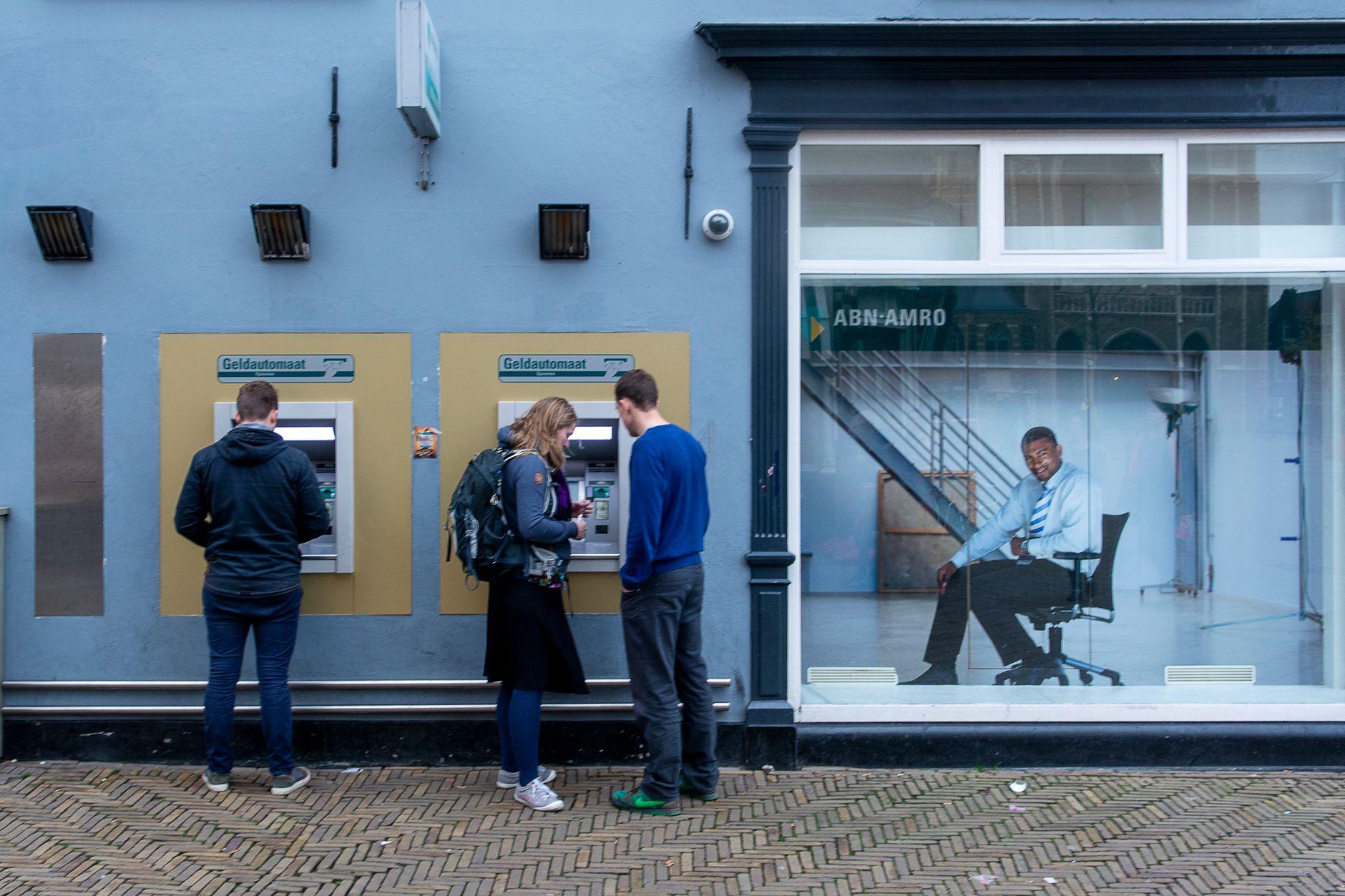
ATMs: local banks charge R$25–R$30 per withdrawal, your home bank adds its own international fee, and the conversion markup runs another 2–5%. Withdraw R$1,000 and you've quietly lost six or seven percent. Many machines also cap withdrawals at R$500–R$1,000 per pull, so the fees stack fast.
Cards: foreign cards get declined at small merchants constantly, and when they do work, the terminal will often offer to charge you in your home currency. Always decline that — dynamic currency conversion is one of the classic ways traditional wallets fail travelers, and it skims 4–5% per transaction.
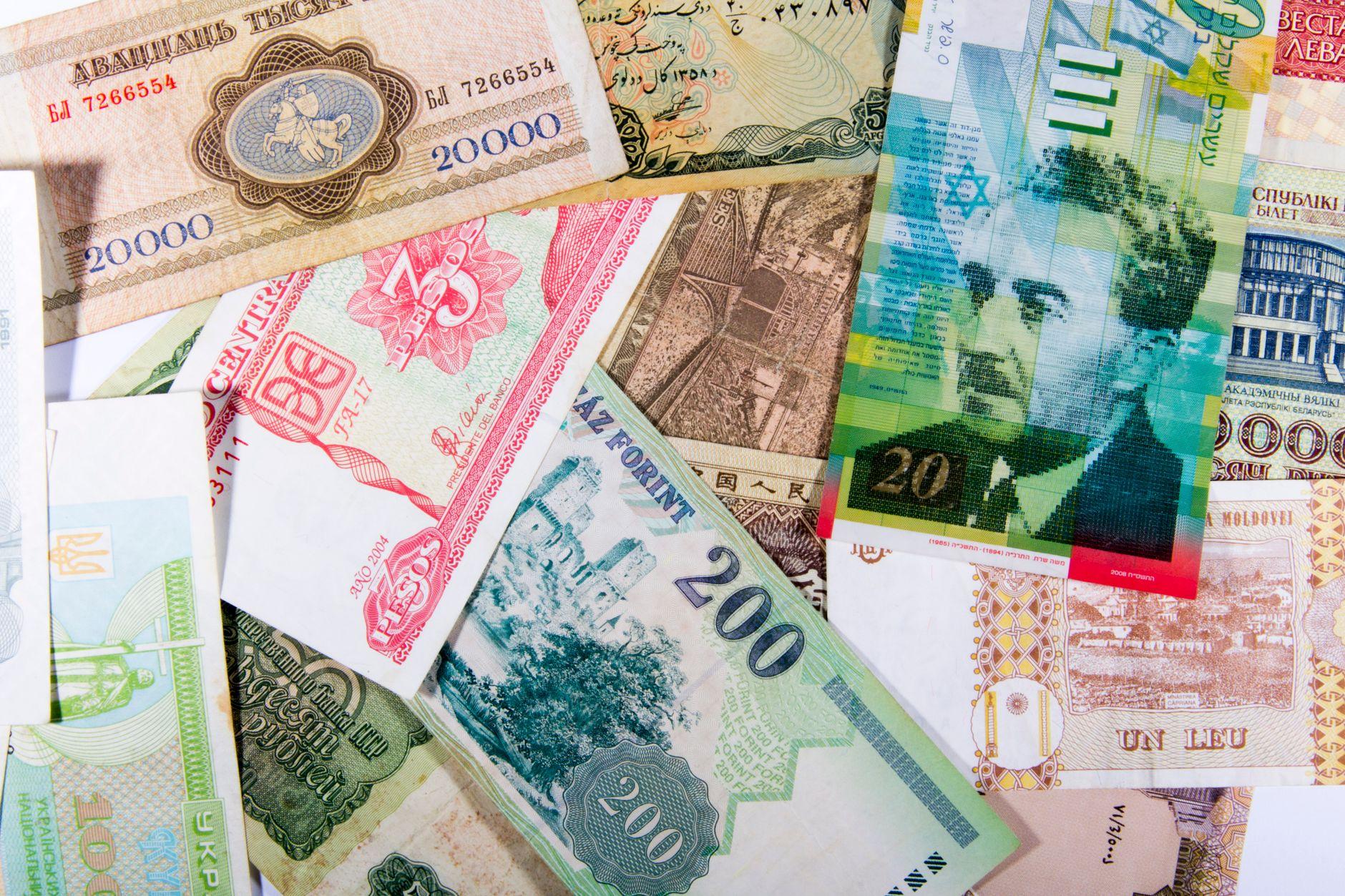
Airport exchange desks: the rates at GRU and GIG are as bad as airport exchange rates everywhere. Use them for R$100 of arrival cash at most, never for your trip fund.
The Cheap Way (Do This Instead)
Download Moreta Pay, verify with your passport, and top up your wallet in your home currency before you fly. In Brazil, you scan any Pix QR code — static or dynamic — and pay in seconds at a flat 1.5%, with the live BRL rate shown on screen before you confirm.
That single move converts "how much cash do I need" from a stressful math problem into a rounding error. Land, keep a couple hundred reais for the edge cases, and Pix everything else. If you're also using Uber, 99 or Rappi while you're there, you can keep those running through the same wallet logic too.
Sample Two-Week Budget: Rio + São Paulo
For a mid-range traveler, here's how it actually shakes out:
- Accommodation (14 nights): R$4,200 — paid by Pix or booked online
- Food and drink: R$2,400 — 95% Pix
- Transport (metro, Uber, one intercity bus): R$700 — Pix and in-app
- Tours and activities (Cristo, Sugarloaf, a favela tour, football match): R$900 — Pix
- Cash actually spent: R$220 — tips, one restroom, one stubborn kiosk
Total trip: roughly R$8,400. Cash share: under 3%. That's modern Brazil.
Quick Answers
Should I bring US dollars to exchange? No real need. Exchange rates for physical dollars are mediocre, and casas de câmbio involve queues and paperwork. A small emergency bill tucked in your bag is fine; a trip fund in cash is a fee generator.
Is it safe to carry cash in Brazil? All the more reason to carry less of it. Standard big-city rules apply — don't flash a phone on an empty street, keep the day's cash separate from the stash — but the best anti-theft strategy is simply having almost nothing to steal.
What if a place doesn't take Pix? In 2026, that place almost certainly takes nothing digital at all — which is exactly what your R$50 in small notes is for.
Before You Go
Setup takes about five minutes:
The Help Center has you covered on limits, refunds and top-up questions.
Pack light on the paper. Brazil already did.