
Ask five travelers how to pay in Argentina and you will get five confident, contradictory answers. Bring crisp US dollars. No, use your foreign card, it gets a special rate now. No, get pesos from an ATM. No, everything is QR codes, just tap your phone. The frustrating part is that each of these answers was the best advice at some point in the last few years. Argentina’s money landscape changes fast, and strategies calcify into travel-forum folklore long after they stop making sense.
So instead of one more hot take, here is the honest comparison for 2026: cash, foreign cards, local wallets, and a QR wallet built for visitors. Each one, with the trade-offs spelled out. You can decide what fits your trip.
Option one: cash, the old champion with a back problem
For years, cash was king in Argentina because the informal exchange rate was dramatically better than what banks and card networks gave you. Travelers arrived with dollar bills, exchanged them, and walked away feeling like they had beaten the system.
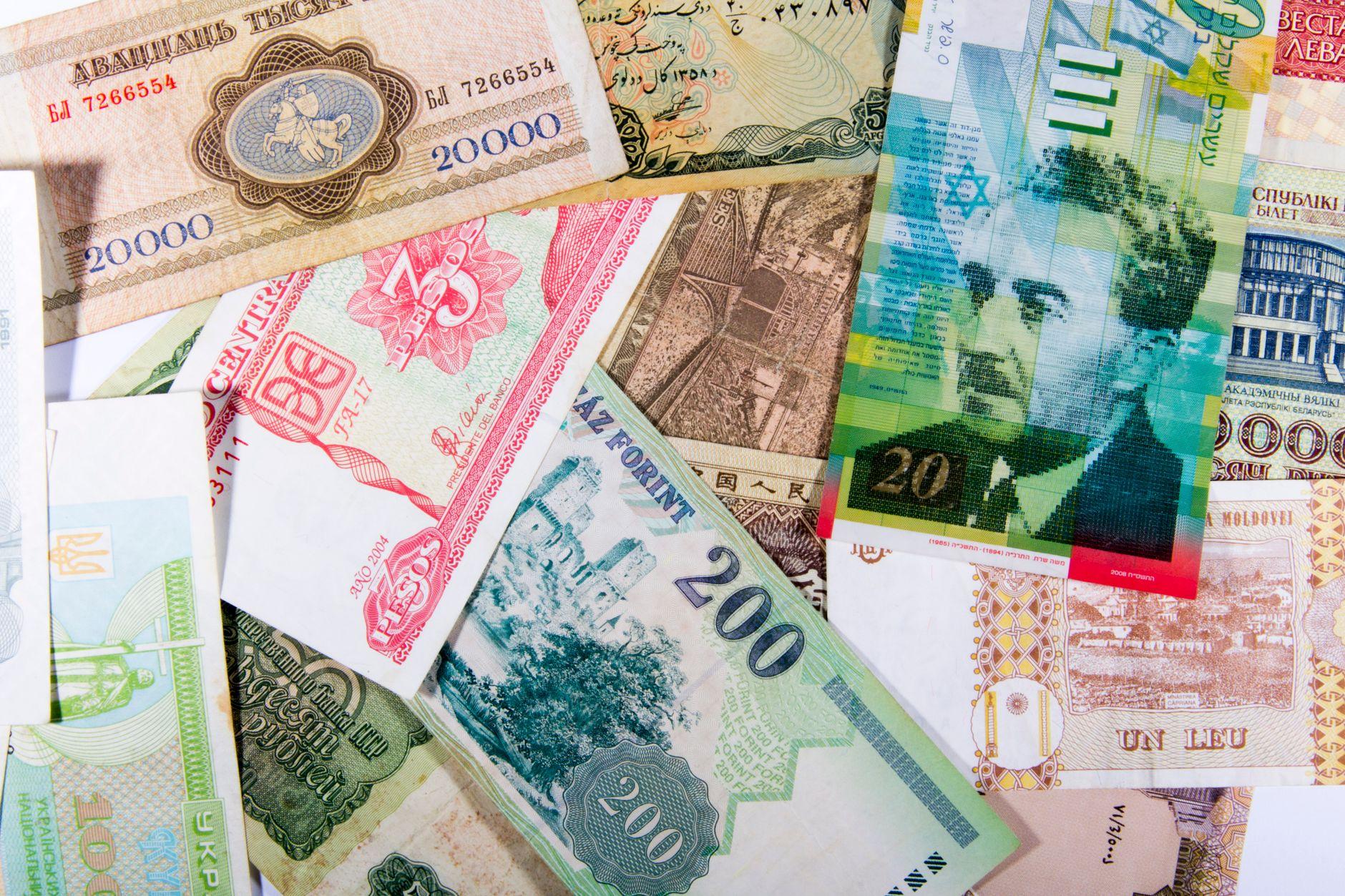
The system has changed shape more than once since then. The gap between rates has narrowed, widened, and narrowed again, and the rate your card gets versus the rate a cash exchange gets is exactly the kind of thing that shifts between the day you read a blog post and the day you land in Ezeiza. What has not changed is the physical reality: inflation means prices carry a lot of zeros, and a normal week of spending can turn your pocket into a brick of banknotes. Counting out a stack of bills for a steak dinner while the waiter waits patiently is a genuine Argentine experience. It is also a genuinely annoying one.
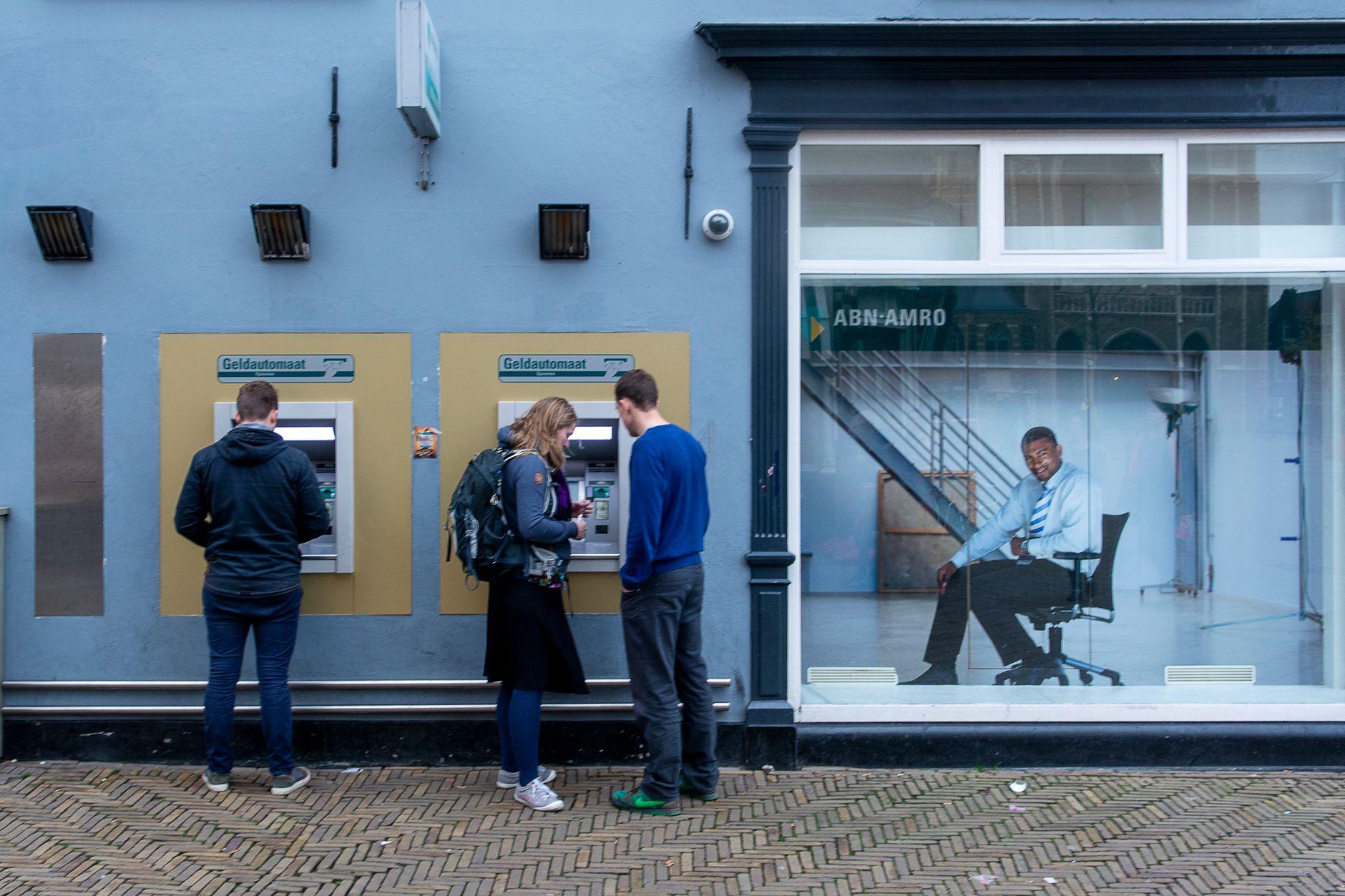
ATMs make cash worse, not better. Withdrawal limits for foreign cards are famously stingy, machines charge their own fee on top of whatever your home bank adds, and the limit forces you to withdraw often, which means paying those fees often. Some travelers work around this by wiring themselves money through transfer services and picking up pesos at a counter, which works but involves queues, ID checks, and, again, the brick of banknotes.
Cash makes sense for: tiny kiosco purchases, taxis without apps, small towns off the main circuit, and tipping.
Cash fails at: being convenient, being safe to carry in quantity, and being cheap to obtain from an ATM.
Option two: your foreign card, better than it used to be, still not simple
Foreign Visa and Mastercard transactions in Argentina have, in recent years, been settled at rates far friendlier to visitors than the old official rate. This turned card payments from a rip-off into a legitimate option, and plenty of restaurants, supermarkets, and hotels in Buenos Aires, Mendoza, and Bariloche take cards without drama.
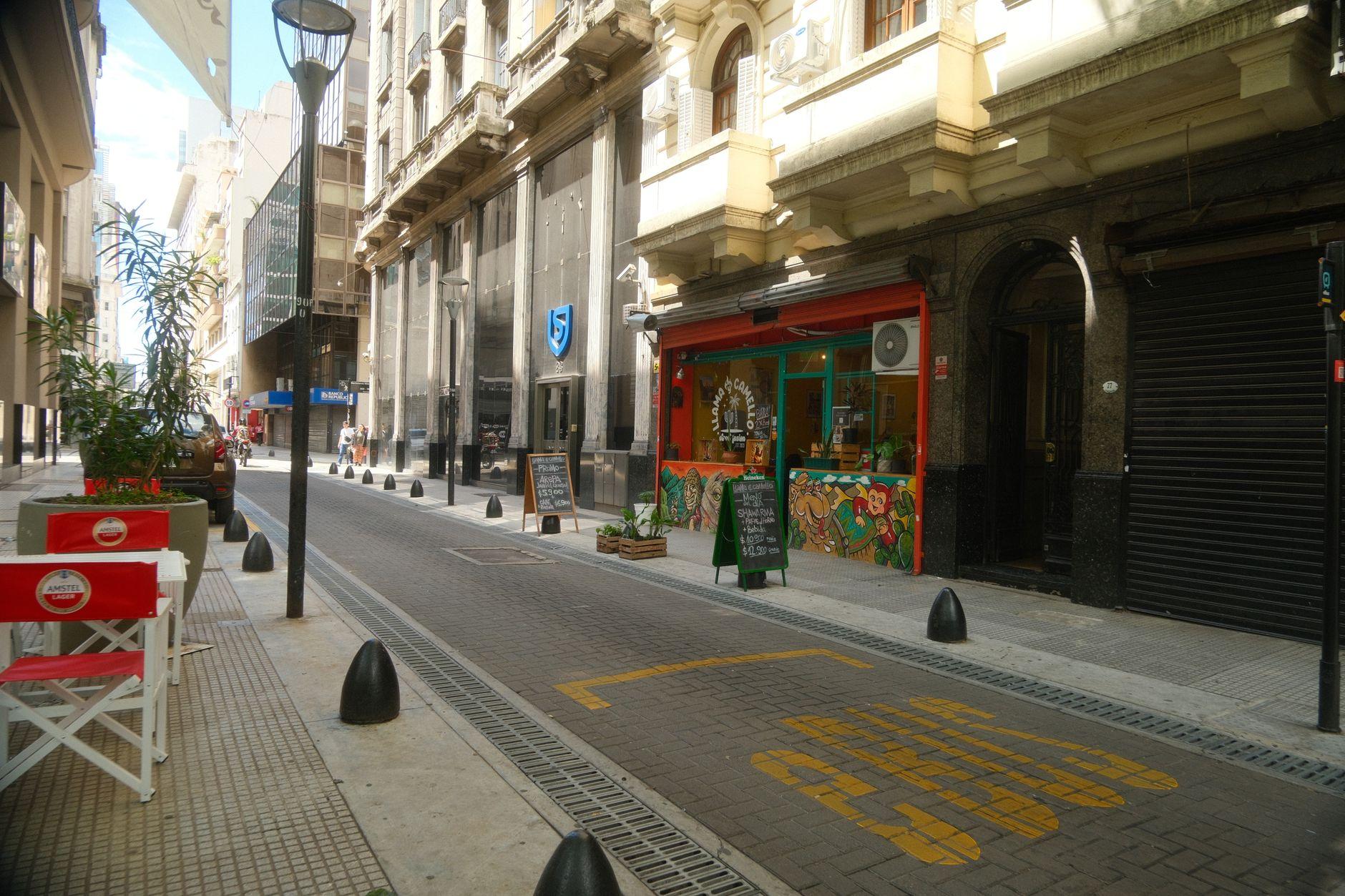
The catches are practical rather than dramatic. First, acceptance thins out quickly outside tourist-facing businesses. The empanada window, the verdulería, the flea market stall at San Telmo, the guy selling choripán outside the fútbol stadium: these run on cash and QR, not card terminals. Second, you still need to watch for dynamic currency conversion, where a terminal offers to charge you in dollars or euros “for convenience” at a rate chosen by someone who is not on your side. Always choose pesos. Third, some smaller businesses quietly prefer other payment methods or add a surcharge for cards, because merchant fees hurt when margins are thin.
Cards make sense for: hotels, larger restaurants, supermarkets, and anything bookable online.
Cards fail at: the everyday street-level economy where a lot of Argentina’s best food and shopping actually happens.
Option three: MODO and Mercado Pago, the wallets Argentines actually use
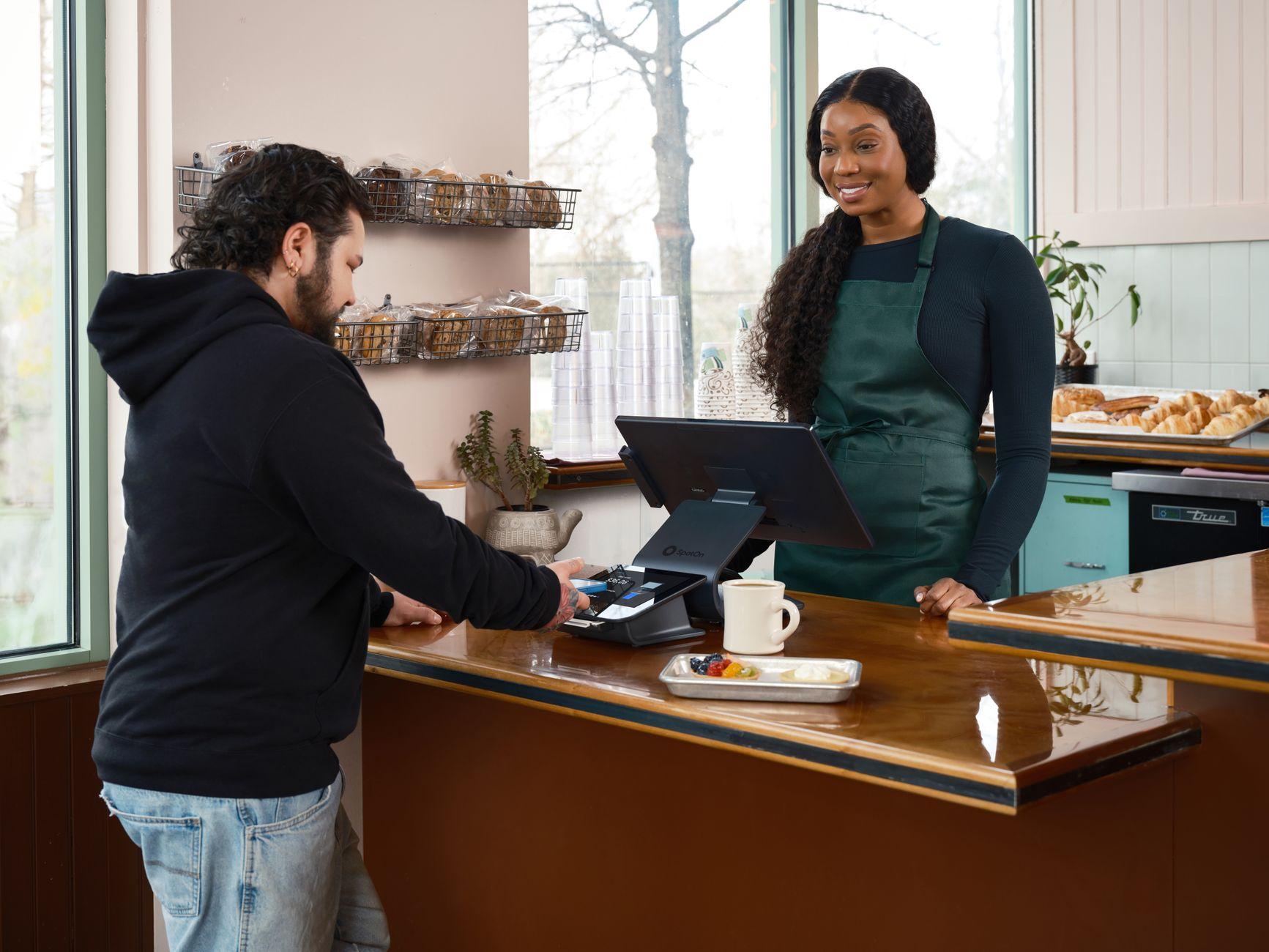
Watch a checkout line in any Argentine city and you will see the real answer to how locals pay: phones. Mercado Pago QR codes are everywhere, from cafés to hardware stores to the woman selling plants on the sidewalk, and MODO ties together the traditional banks into the same QR ecosystem. Argentina QR payments are not a novelty or a pilot program. They are the default. We wrote about that culture shock in the parrilla piece, where the visitor with cash is the odd one out at the table.
For locals this is fantastic: no cash to count, instant confirmation, discounts and promotions layered on top. For visitors, there is a wall. Setting up Mercado Pago or MODO as a foreigner generally means local identification, a local bank account or funding source, and paperwork that makes no sense for a three-week trip. Expats who settle in long enough to get residency and a local account eventually cross that wall. Tourists and shorter-stay nomads mostly cannot.
Local wallets make sense for: residents and long-term expats with local banking.
Local wallets fail at: being accessible to the average visitor at all.
Option four: joining the QR economy without the paperwork
This is where Moreta Pay changes the comparison. It lets you scan the same Mercado Pago and MODO QR codes locals use, but the money comes from a wallet you top up in your own currency, from your own home bank or card. Scan the code at the café counter, see the amount, the merchant name, and the exact FX rate on screen, confirm, and the merchant is paid in pesos instantly. No local bank account, no DNI, no ATM run, and no guessing which exchange rate you just received, because the rate is shown before you commit.
The practical effect is that the street-level economy opens up. The QR taped to the counter at the medialunas place, the code the artisan at the feria shows you on their phone, the neighborhood almacén: all payable, at a rate you can see. It works the same way our readers heading north use it for Pix in Brazil, one wallet across both countries if your trip covers the Iguazú border or a longer South America loop.
Moreta makes sense for: visitors who want local-level QR access, transparent rates, and no cash logistics.
Where you still need a backup: the handful of situations that remain cash-only, like some remote areas and informal tips.
How this plays out over a real trip
Picture two weeks split between Buenos Aires and Mendoza. The all-cash traveler makes repeated ATM withdrawals, eats the stacked fees each time, and carries a wad thick enough to be nervous about. The card-only traveler does fine at hotels and big restaurants, then hits a wall at every market stall and neighborhood spot, and ends up at the ATM anyway. The realistic winning combination in 2026 is a QR wallet for the daily flow of cafés, restaurants, shops, and markets, a card for hotels and bookings, and a modest cash reserve for the edges. That setup means maybe one small withdrawal all trip instead of six, and no afternoon spent researching which exchange rate applies to what.
Argentina rewards travelers who pay the way Argentines do. If you want the QR half of that equation sorted before you land, set up Moreta Pay and walk into that first café already able to scan.