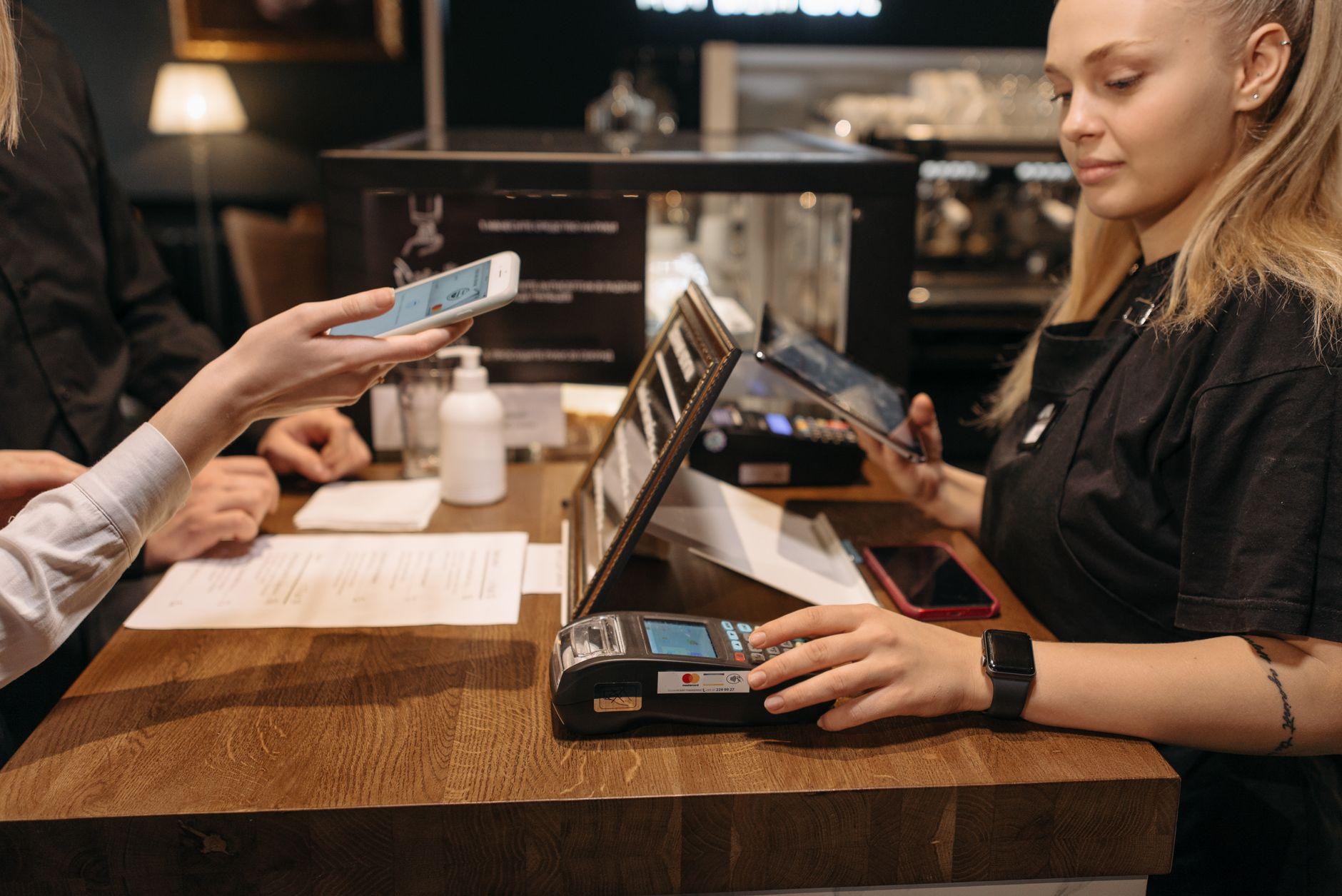


The coconut guy on Ipanema has a cooler, a machete, and a laminated QR code zip-tied to his umbrella pole. You watch three Brazilians in a row tap their phones at it, grab their coconuts, and wander off. Then it’s your turn. You hold out a card. He shakes his head, points at the QR, and says one word: “Pix?” You don’t have Pix. So you dig through your bag for the crumpled reais you withdrew at the airport, the ones that cost you a chunky ATM fee and an exchange rate you’d rather not think about, and you hand over a note he now has to make change for. Everyone was patient about it. But you just paid more than everyone else in line, for the same coconut.
That little scene repeats itself all over Brazil, at feira stalls in São Paulo, at churrasco joints in Belo Horizonte, in the back of unofficial taxis in Salvador. Understanding why is the key to figuring out how to pay in Brazil without bleeding money at every ATM.
Pix is not an app, it is how Brazil pays
Pix is Brazil’s instant payment system, and it has gone from novelty to default with astonishing speed. It is not one company’s wallet. It is a national rail that every Brazilian bank plugs into, which means the QR code at the beach kiosk, the pharmacy, the tattoo studio, and the guy selling churros outside the metro all work the same way. Money moves instantly, day or night, weekends included.
The practical result for a visitor: virtually everyone around you, from street vendors to Uber drivers offering a Pix option instead of the in-app charge, is settling up in seconds with zero friction. Many small merchants openly prefer Pix over cards. Some will quote you a better price if you pay by Pix. Some will tell you, with a shrug, that the card machine “isn’t working today.” It might even be true. Either way, the message is the same: Pix is the cheapest, fastest lane, and tourists without it are stuck in the slow one.
The slow lane is expensive
If you can’t ride the Pix rail, your options in Brazil are cash and cards, and both have teeth.
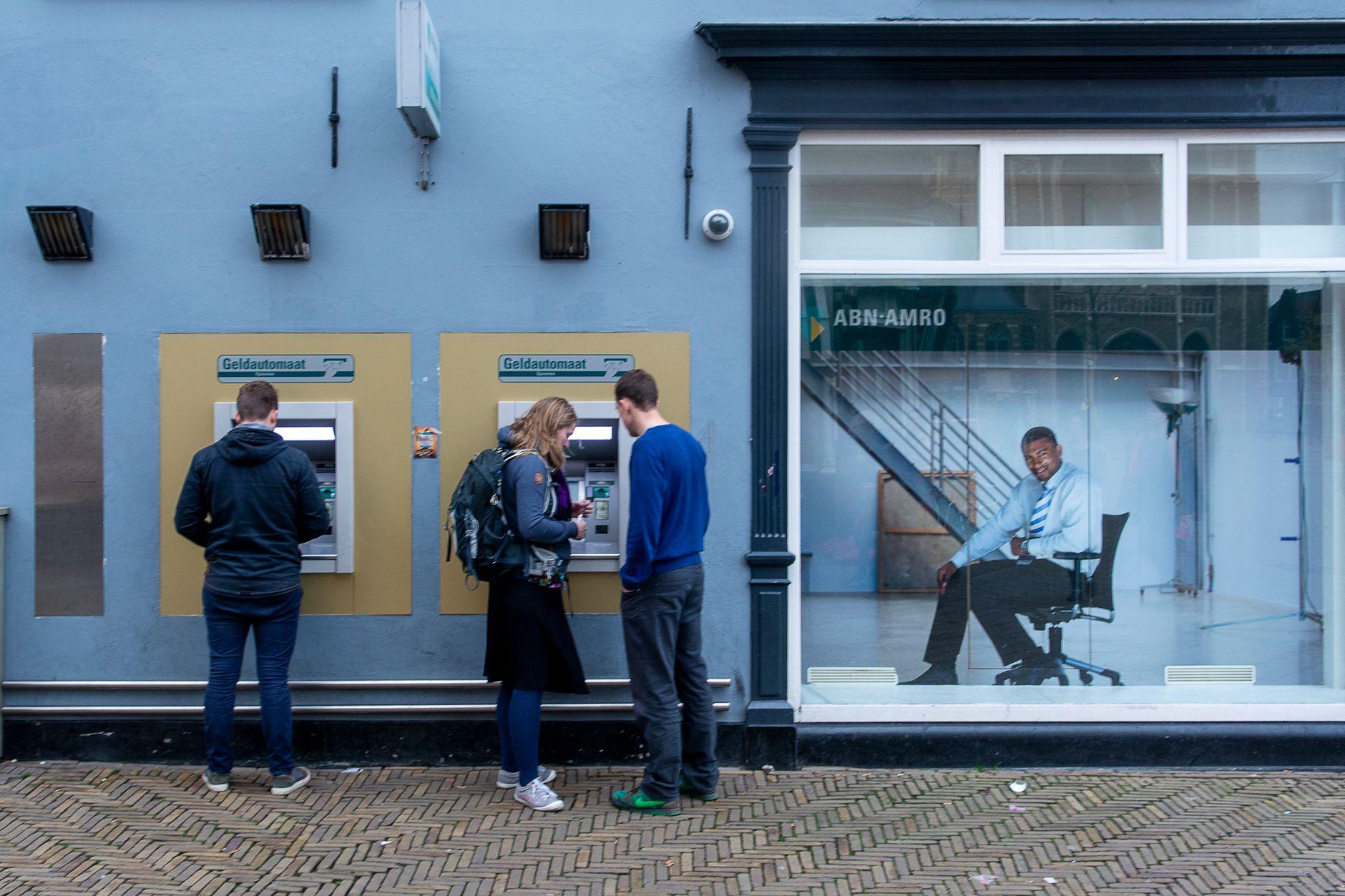
ATMs. Brazilian ATMs that accept foreign cards typically charge a fixed fee per withdrawal, and your home bank may pile its own foreign transaction and withdrawal fees on top. Withdrawal limits are often modest, so you end up making several trips, paying the fee each time. Many machines also offer to convert the amount into your home currency on screen. That offer is dynamic currency conversion, and the rate baked into it is almost never in your favor. Always choose to be charged in reais. If you have read our piece on DCC traps in South Korea, the same reflex applies here: decline the “helpful” conversion every single time.
Cards. Big supermarkets, chain restaurants, and hotels take cards happily. But the moment you step into the Brazil most people travel for, the beach barracas, the Sunday feira, the boteco with plastic chairs on the sidewalk, cards get shaky. And even where they work, a foreign card can carry hidden foreign transaction fees and a marked-up exchange rate you never see itemized. You just notice your statement is heavier than your trip felt.
Why tourists have been locked out of Pix
Here is the frustrating part. Pix normally requires a Brazilian bank account, which requires a CPF (the Brazilian tax ID) and usually a local address. For a two-week trip, or even a three-month stint working from Florianópolis, that is a wall most visitors never get over. It is the same story we covered for travelers watching everyone at the parrilla pay by phone in Argentina: the local system is brilliant, and you are standing outside it with cash in your fist.
This is exactly the gap Moreta Pay was built for. You load the wallet from your own bank at home (US bank via Plaid or ACH, SEPA in Europe, UK Faster Payments, Canadian e-Transfer) or from an international card, in your own currency. Then in Brazil, you scan the exact same Pix QR code the locals scan. The app shows you the amount, the merchant’s name, and the FX rate before you confirm anything. Tap confirm, the merchant is paid instantly in reais. No CPF, no Brazilian bank account, no ATM run.
Where this changes your trip, specifically
Beach vendors and street food. The coconut guy, the queijo coalho griller walking the sand with his little charcoal box, the açaí window near your hostel. These are Pix-first businesses. Scan, confirm, eat.
Markets and feiras. Produce stalls, artisan markets, the woman selling pastéis at the Sunday feira. Cash used to be mandatory here. Now the QR taped to the cash box does the job, and you’re not carrying a wad of notes through a crowd.
Rides. Plenty of drivers, both app-based and street-hailed, will happily take Pix. It settles instantly, so there is no trust issue and no hunting for change.
Online bookings and shopping. Pix QR codes also show up at checkout on platforms Brazilians use daily, and Moreta Pay works for QR-based online payments on sites like Shopee and Trip.com too, so a bus ticket or a last-minute pousada booking doesn’t force you back onto a foreign card with its quiet markups.
Bills. If you’re staying longer, expat-style, QR-based bill payments in supported countries mean you’re not begging a Brazilian friend to pay your internet bill for you.
Should you carry any cash at all?
A little, yes. Brazil is enormous, and habits vary. A tiny beach town in the Northeast, a trailhead kiosk in Chapada Diamantina, a city bus with a human cobrador, these can still be cash moments. Keep a modest reserve of small notes for those edges. But treat cash as the backup, not the plan. One careful ATM withdrawal early in the trip, in reais, DCC declined, will usually cover the gaps. Everything else can go through the QR codes that are, quite literally, everywhere.
The five-second version
Brazil already built the cheapest, fastest way to pay, and it is stuck to every counter and umbrella pole in the country. The only question is whether you can use it. With Moreta Pay on your phone, that laminated Pix code at the coconut stand works for you the same as it works for the local in front of you, with the rate shown upfront and no ATM in sight. Set up your wallet before you land in Brazil and let the airport ATM keep its fee.