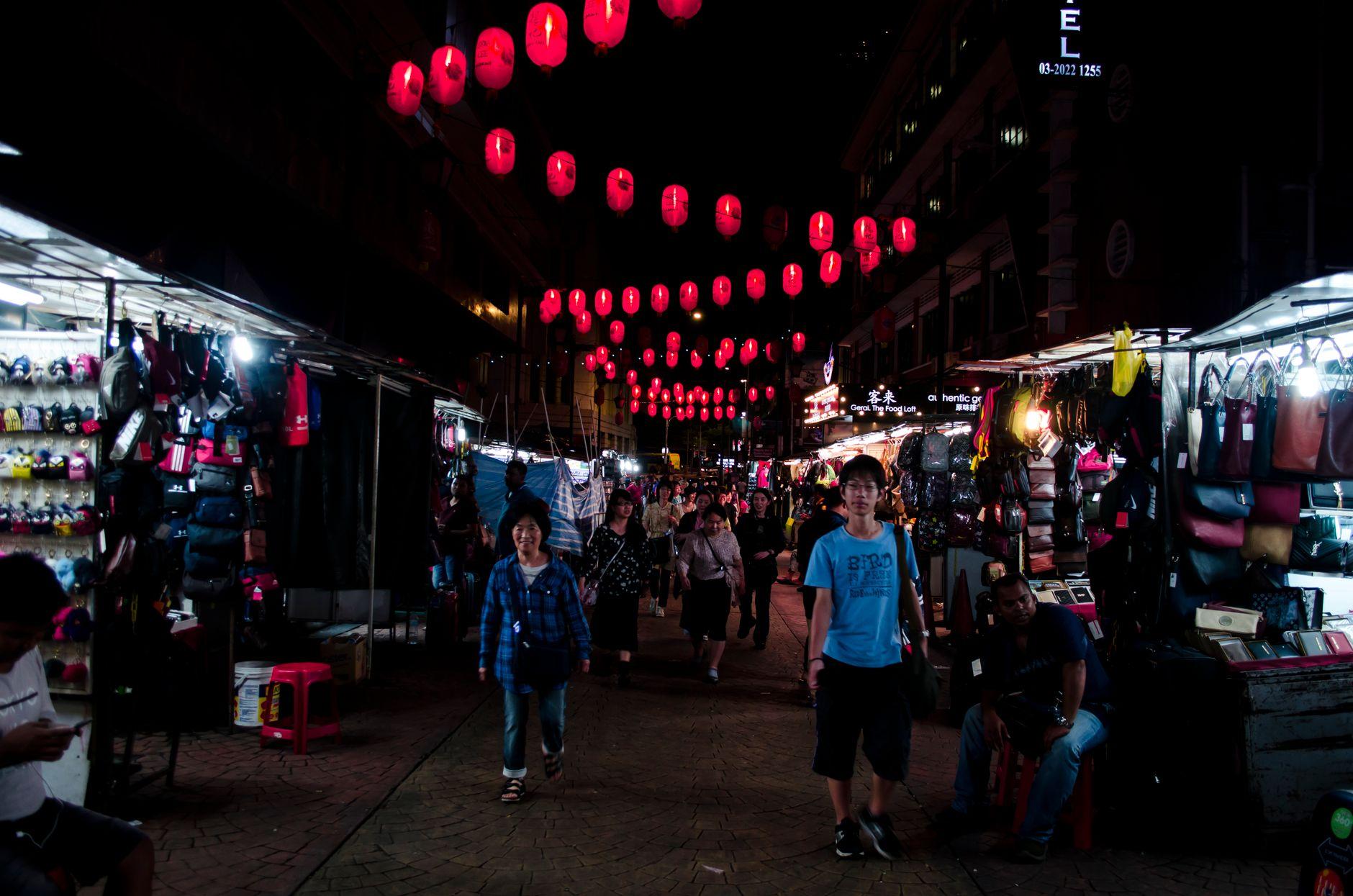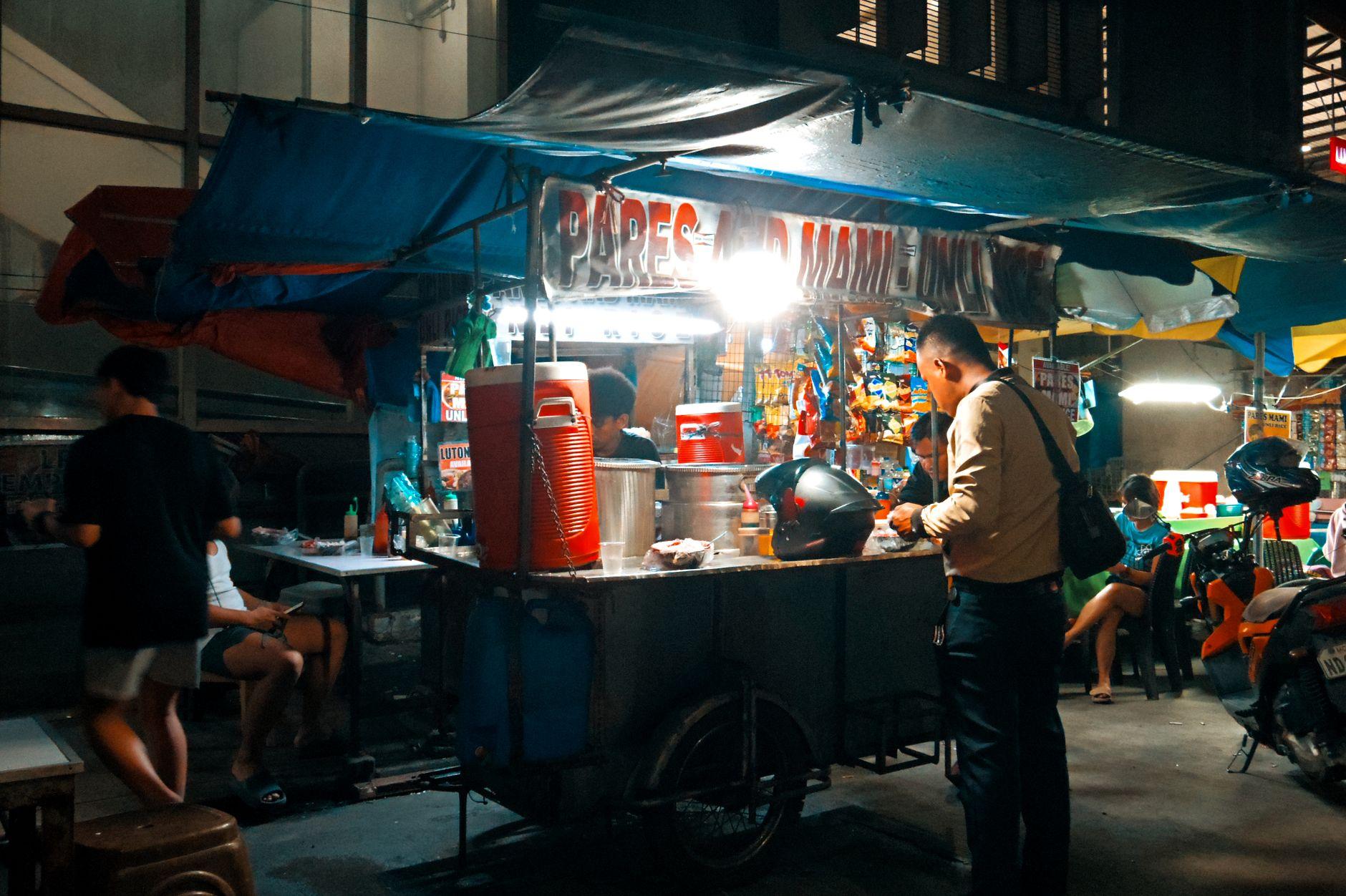

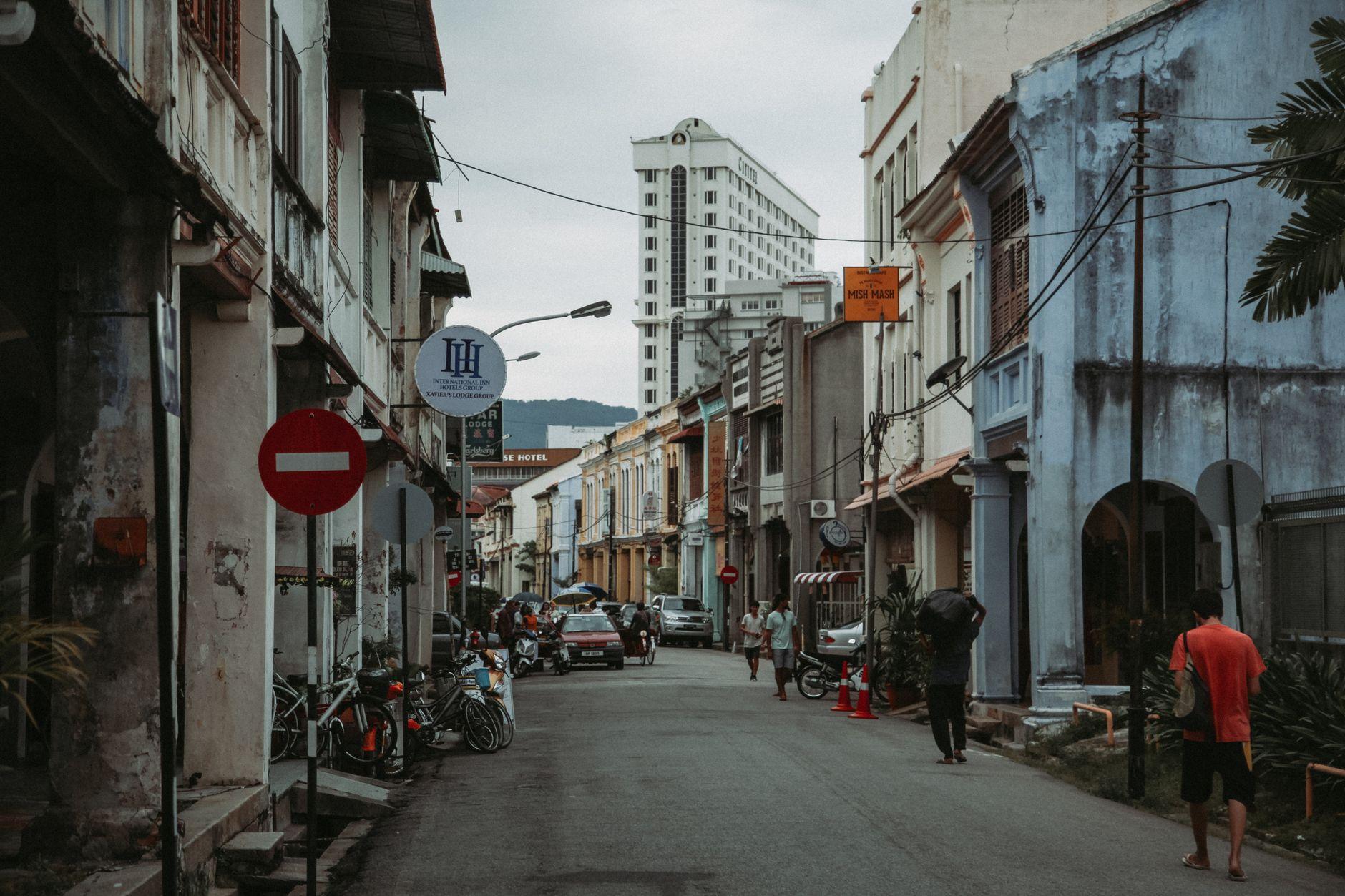
Your landlord in George Town wants rent in cash, folded into an envelope, on the first of the month. Your lunch stall two streets over wants a DuitNow QR scan and doesn't keep a cashbox at all. This is the actual budgeting problem for digital nomads in Malaysia and Cambodia in 2026: two completely different payment systems running side by side, and most people only plan for one of them. The fix is to treat rent as a separate cash-logistics problem from daily spending, which runs almost entirely on QR now, and to build a monthly budget with two distinct withdrawal and top-up strategies instead of one.
Why is rent still cash-only in Malaysia and Cambodia when everything else is QR?
Rent sits outside the QR ecosystem because DuitNow QR and KHQR were built for merchant acceptance networks, not peer-to-peer landlord payments. DuitNow QR passed 3 million merchant touchpoints in Malaysia by the end of 2025, and e-wallets are now used by about four in five Malaysians who pay by non-cash means, according to Ipsos. Cambodia's KHQR standard has hit similarly large numbers, with about 4.5 million merchants able to accept it nationwide. Both systems were designed around registered businesses scanning a static QR code at a till, not around an individual landlord who may not have a business registration, doesn't want a paper trail for tax reasons, or simply prefers the certainty of cash in hand on the first of the month.
The result is a split economy. Your Grab rides, your kopitiam breakfast, your gym membership in Phnom Penh, all QR. Your room deposit and monthly rent, cash. This isn't a quirk of one city, it's structural: landlords in both countries operate largely outside the merchant rails that QR systems were built to serve, and that gap isn't closing anytime soon.
How should you separate rent budgeting from daily spending budgeting?
Building on the split above, the practical answer is to stop treating your monthly budget as one number and start treating it as two budgets with different withdrawal mechanics. Daily spending in Kuala Lumpur, Penang, or Phnom Penh runs through QR scans that settle instantly and cost you nothing extra per transaction if you're using a wallet with transparent conversion. Rent is a lump sum you need in physical notes, usually once a month, sometimes with an additional deposit at move-in.
The mistake most nomads make is withdrawing cash in small, frequent amounts to cover both categories, paying their home bank's flat foreign ATM fee every single time. Most Malaysian banks do not add a local operator fee for foreign cards, but a typical home bank charges around $5 plus a percentage on every overseas withdrawal, and Malaysian machines cap a single withdrawal at roughly 1,500 to 3,000 MYR. If your rent is 2,800 MYR, that's one or two withdrawals covering the full amount for one or two fees, not five smaller withdrawals across the month paying that fee five times for money you didn't need in cash form anyway.
In Cambodia, the same logic applies but the mechanics differ. Cambodian banks do charge foreign cards an operator fee, generally $4 to $8 USD per withdrawal, and most machines cap a single withdrawal at $500 USD, with a few allowing $1,000 to $2,000, so your home bank's daily limit and the machine's cap both matter. If your Phnom Penh rent is $450 USD, one withdrawal covers it cleanly. The rest of your month, groceries at AEON, coffee at a shophouse counter, a moto-taxi ride, all go through KHQR and never touch a withdrawal fee at all.
What does currency exchange actually cost in each country?
A related but distinct question is what you're actually paying to convert your home currency into ringgit or riel, since currency exchange Malaysia and currency exchange Cambodia both involve markup that compounds with ATM fees if you're not paying attention. Wise applies the mid-market rate with no markup and a transparent upfront fee. Revolut offers 0 percent markup on weekdays up to your plan's limit but adds a 1 percent markup on weekend transactions. OFX charges no transfer fee but applies a markup of roughly 0.5 to 1.5 percent on the exchange rate itself, sometimes more on minor currencies.
None of these numbers are hidden, but they're easy to lose track of when you're stacking an ATM fee on top of an exchange markup on top of your home bank's own foreign transaction fee, three separate charges for one act of getting local cash in hand. This is where a wallet built around local QR rails changes the math for the bulk of spending that isn't rent: you top up once from your home bank or card, see the exact FX rate before confirming, and pay the merchant directly in ringgit or riel with no ATM in the loop at all. Moreta Pay works this way specifically for DuitNow QR and KHQR, which means the currency exchange conversation only matters for the cash slice of your budget, not the whole thing.
How does money transfer work if your landlord will accept bank transfer instead of cash?
Some landlords, especially in condo buildings catering to expats in Kuala Lumpur or serviced apartments in Siem Reap, will accept a local bank transfer instead of cash, and it's worth asking before you assume cash is mandatory. Money transfer Malaysia typically means a local bank-to-bank transfer via DuitNow, which settles in real time between Malaysian banks. Money transfer Cambodia often runs through Wing or ABA Bank's own transfer network, separate from KHQR merchant payments. If your landlord will take either, you've eliminated the cash-logistics problem entirely and your rent becomes just another line item paid from the same wallet as everything else.
If they won't, and many won't, the honest answer is to keep a specific cash reserve sized to one month's rent plus a modest buffer for the security deposit, rather than trying to solve rent through the QR system it wasn't built for.
How does a Malaysia or Cambodia digital nomad visa change this budgeting?
Stepping back from monthly mechanics, the length of your stay changes what's worth optimizing. Malaysia's DE Rantau Nomad Pass is the country's dedicated digital nomad visa, valid for three to twelve months and renewable for another twelve, and requiring proof of a minimum annual income (around $24,000 USD for IT and digital professionals, or $60,000 USD for other professions) from a foreign source [globalworkandtravel.com], which means you're budgeting for a longer stay where negotiating a bank-transfer rent arrangement upfront saves you a repeated cash-withdrawal headache for the full duration. Cambodia does not currently offer a dedicated digital nomad visa; remote workers there typically enter on an ordinary visa and apply for a business visa extension locally, without the formal proof-of-income requirements that come with a standard digital nomad visa. Even so, in both countries a longer stay makes it worth asking your landlord directly, in the lease negotiation, whether transfer is an option before you commit to a year of cash withdrawals.
Budget-conscious nomads researching destinations broadly point to Southeast Asia specifically because rent is the largest line item and both Malaysia and Cambodia offer it at a fraction of Western costs [cheapestdestinationsblog.com], which is exactly why it deserves its own withdrawal strategy rather than getting lumped into daily spending math built around QR.
Is DuitNow QR accepted everywhere in Malaysia?
It's accepted at the overwhelming majority of registered merchants, more than 3 million touchpoints, but informal cash-preferring businesses and most residential landlords sit outside that network.
Is KHQR accepted everywhere in Cambodia?
KHQR covers about 4.5 million merchants nationwide, making it the default for restaurants, markets, and shops, though landlords and informal transactions remain cash-based.
How much cash should I withdraw at once in Malaysia?
Withdraw close to the machine's per-transaction limit, roughly 1,500 to 3,000 MYR, to minimize the number of times you pay your home bank's flat fee.
How much cash should I withdraw at once in Cambodia?
Withdraw enough to cover your rent in one transaction where possible, since the $4 to $8 operator fee per withdrawal is fixed regardless of amount up to the machine's cap, usually $500.
Can I avoid ATM fees entirely for daily spending?
Yes, by using a wallet that tops up from your home card or bank account and pays DuitNow QR or KHQR directly, leaving cash withdrawals only for rent.
How do digital nomads handle everyday payments without a local bank account?
You don't need one. Top up a wallet like Moreta Pay from your home bank account or card, then scan DuitNow QR in Malaysia or KHQR in Cambodia to pay merchants in local currency. Rent is the main exception: it is usually paid in cash, so plan your withdrawals around it.
Does a digital nomad visa require proof of income in Malaysia or Cambodia?
Malaysia's DE Rantau digital nomad visa requires proof of minimum annual income from a foreign source, around $24,000 USD for IT and digital professionals or $60,000 USD for other professions [globalworkandtravel.com]. Cambodia has no dedicated digital nomad visa, so there is no equivalent formal income requirement; remote workers there typically rely on an ordinary visa with a business extension instead.
Should I always decline dynamic currency conversion at Malaysian or Cambodian ATMs?
Yes. Always choose to be charged in local currency, ringgit or riel, rather than accepting the ATM's offered conversion, which typically carries a worse rate than your card issuer's own conversion.
About Moreta
Moreta Global Inc. is a Delaware corporation and FinCEN-registered Money Services Business, backed by Y Combinator. The Moreta app connects directly to local QR payment networks including DuitNow QR in Malaysia and KHQR in Cambodia, letting you top up from your home bank or card and pay merchants instantly in local currency at a rate you see before confirming. It won't pay your landlord's cash-only rent, but it's built to handle the rest of your monthly spending without a single ATM fee. Learn more at Moreta Pay.
References
- Digital Nomad Visas 2026 - Countries, Income Requirements, Minimum Salary (freelancermap.com)
- The Best Digital Nomad Destinations for Those on a Budget (cheapestdestinationsblog.com)
- Malaysia Digital Nomad Visa - The Complete Guide For 2026 (globalworkandtravel.com)