
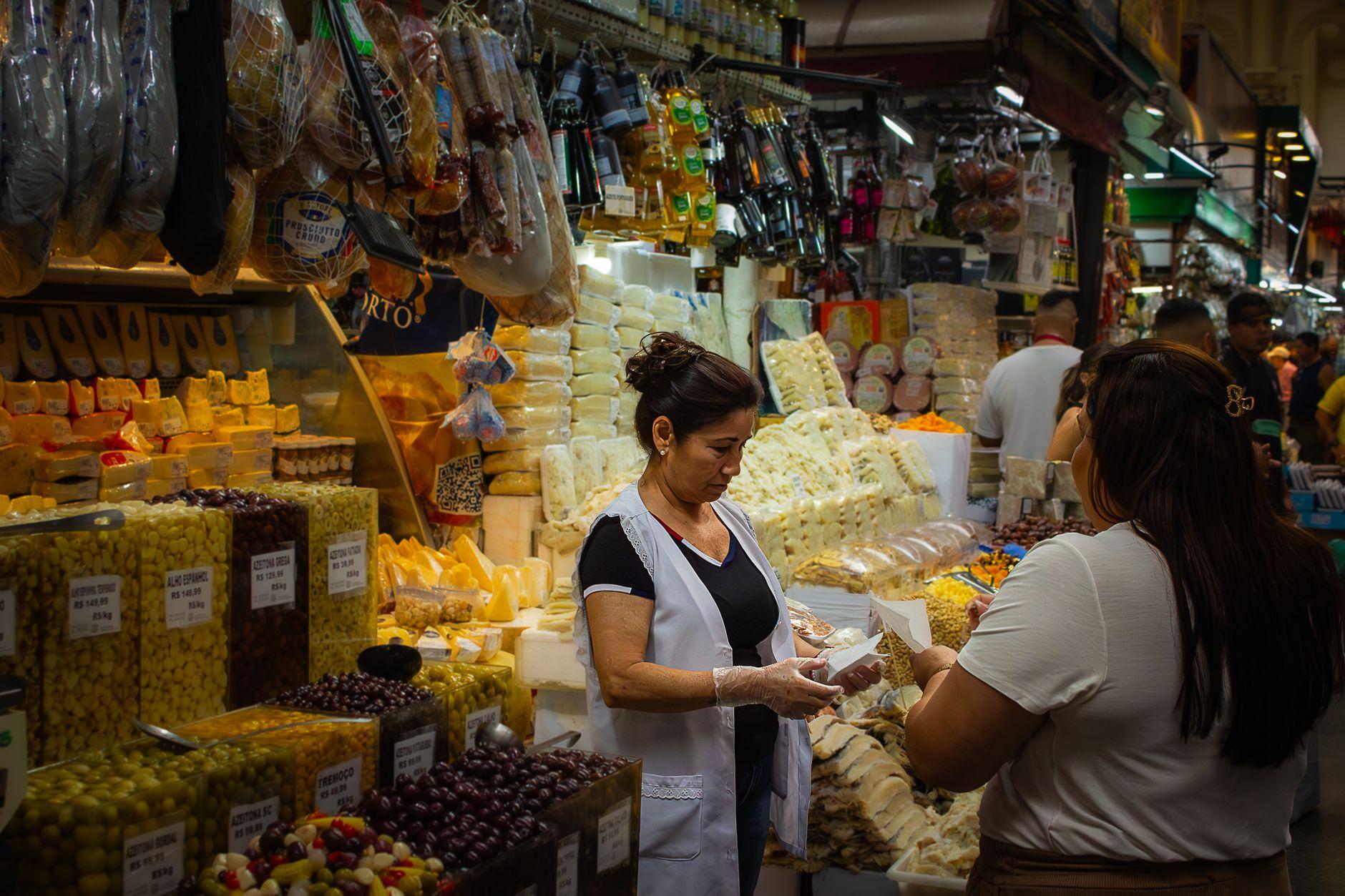
A vendor at Mercado Municipal in São Paulo holds up a laminated Pix QR code, points at it, and waits. You have a Malaysian debit card, a stack of ringgit still sitting in your CIMB account, and no CPF number. The fastest way to pay her is also the one your bank never mentioned when you left Kuala Lumpur: fund a wallet before you land, then scan the same code she shows every other customer. Choosing between a debit card, a bank transfer, or a QR top-up for a Malaysia-to-Brazil trip comes down to one question: which method gets your ringgit converted into usable Brazilian reais with the least friction and the lowest total cost, not just the lowest advertised fee.
This guide breaks down the three main funding paths, what each actually costs once hidden markups and ATM taxes are counted, and how a multi-currency wallet app changes the calculation.
Debit card at ATM
A standard Malaysian debit card and a dedicated travel money card solve the same problem, access to foreign currency, with different cost structures. Your regular debit card routes transactions through Visa or Mastercard's currency conversion, to which Maybank and CIMB add about 2%, a 1% scheme conversion fee plus a 1% bank fee, on top of whatever exchange rate the network applies that day.
At the ATM, the costs stack. Malaysian banks typically charge a flat withdrawal fee of RM10 to RM12 per transaction, and depending on which ATM network you use in Brazil, you may also face a separate fee from the local network operator. Shared networks like Banco24Horas show a convenience fee on screen, commonly around R$20 to R$24, though big banks such as Bradesco and Banco do Brasil typically add no local surcharge for foreign cards. One thing you will not pay is Brazil's IOF tax, despite what some travel guides say: it is a tax on Brazilian cards used abroad, not on foreign cards used in Brazil. Even so, pull out R$500 and you could lose a meaningful chunk of it to fees before you've bought a single pastel at a feira.
A dedicated travel money card, preloaded in a basket of currencies, avoids some of this by locking in a rate before departure. The tradeoff is that most travel cards still don't connect to Pix directly. You're still withdrawing cash or swiping at a card terminal, not scanning the QR code that millions of Brazilian merchants actually prefer.
Bank transfer to Brazil
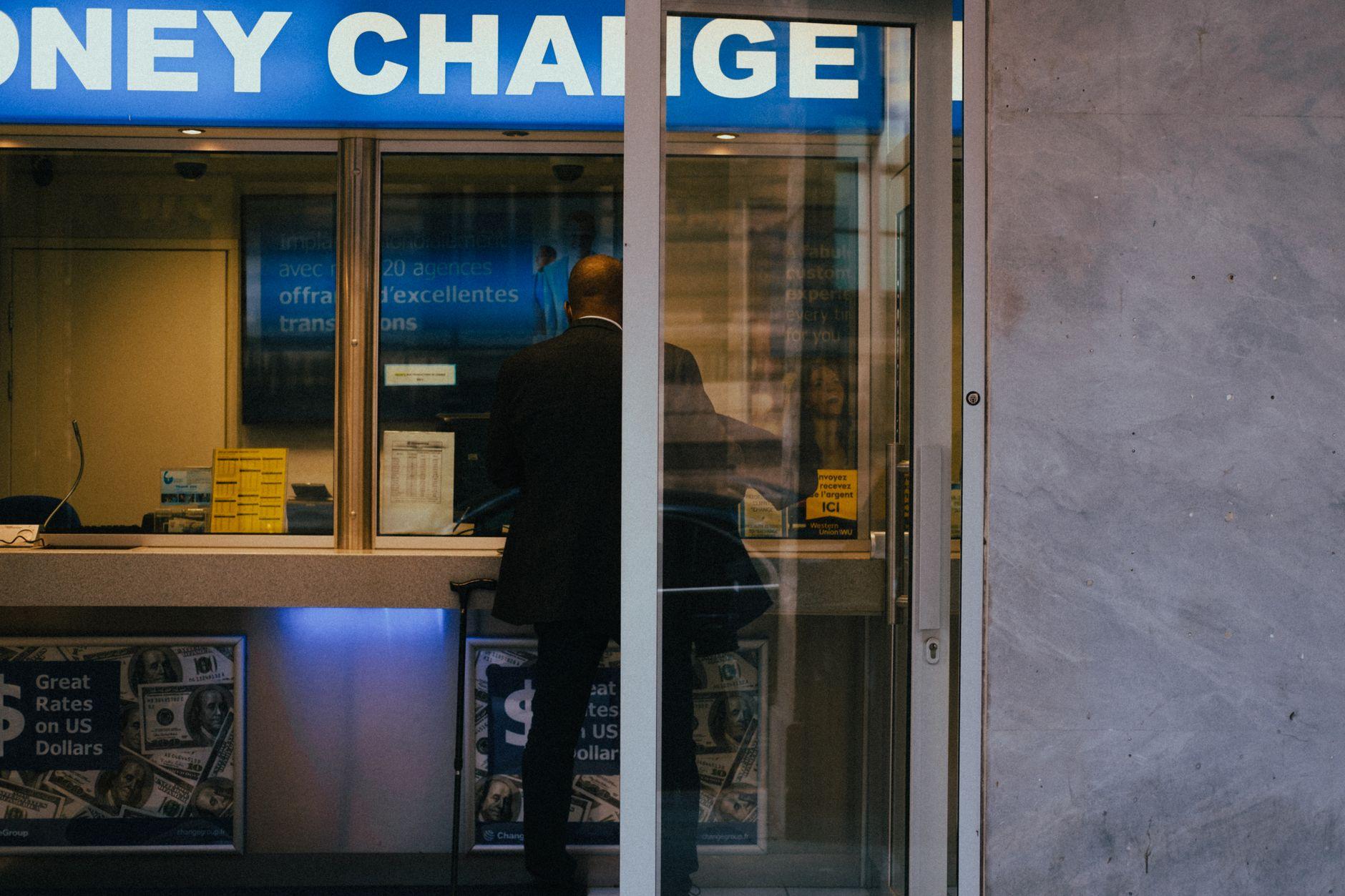
A direct bank transfer looks cheap on paper and often isn't once you compare the exchange rate against the mid-market rate. Sending money from a Malaysian bank account to a Brazilian one involves correspondent banking, and traditional banks typically build their margin into the exchange rate itself rather than charging a separate line-item fee, so the transfer "fee" might read as zero while the rate you receive is 2% to 4% worse than what you'd see on a currency converter.
Services like Wise changed this by offering the mid-market rate with a transparent charge, roughly 1% to 1.5% on the ringgit-to-real corridor. Revolut is not available to Malaysian residents. Wise is still a meaningfully better deal than a legacy bank wire. But a bank transfer, even a cheap one, still deposits funds into a bank account. It doesn't let you stand at a lanchonete counter in Ipanema and pay with a QR scan in under ten seconds. The same goes for a churrascaria in Ipanema.
The core distinction: a transfer moves money from account to account, while a QR top-up moves money from your card or bank straight into a spendable local-currency balance at the point of sale.
| Method | Typical cost drivers | Speed at point of sale | CPF needed? |
|---|---|---|---|
| Debit card at ATM | RM10-12 withdrawal fee + possible local network fee (e.g. R$20-24 at shared ATMs) + about 2% FX fee | Minutes, but cash only | No |
| Bank-to-bank transfer | Hidden rate markup (banks) or about 1-1.5% (Wise) | 1-3 business days | Often yes, for local accounts |
| QR top-up wallet | Card or supported-currency bank funding fee shown upfront, rate shown at confirmation | Instant at checkout | No |
Pix and why QR top-up works for visitors
Pix is Brazil's instant payment system, run through the Central Bank of Brazil, and it has become the default way Brazilians pay for everything from a coxinha at a lanchonete to rent. It uses the EMV-compliant BR Code standard for both static and dynamic QR codes, which is why the same QR sticker works whether you're buying feijoada from a street cart or paying a dentist.
The catch for visitors is that Pix traditionally requires a CPF, Brazil's tax identification number, to register a wallet or bank account that can send and receive through the system. Most Malaysian travelers don't have one and aren't going to apply for one for a two-week trip. This is the wall every guide to spending in Brazil eventually runs into: the rail is everywhere, but the enrollment process assumes you're a resident.
A cross-border payment app built for travelers closes that gap by letting you scan the merchant's existing Pix QR code without needing a CPF of your own. You top up with a card, Apple Pay or Google Pay, which your Malaysian bank converts from ringgit, or from a US dollar balance at a service like Wise, the app converts to BRL at a visible rate when you pay, and the merchant receives an instant Pix payment exactly as if a local had paid. No new bank account, no local SIM-linked wallet, no waiting in line at a bank branch to register.
DuitNow QR in Malaysia and Pix in Brazil
If you've paid with DuitNow QR at a mamak stall in Petaling Jaya, you already understand the mechanism Pix runs on: a national QR standard that lets any bank or e-wallet scan the same code and settle instantly. Both countries built unified QR rails so that one code, one scan, settles a payment instantly, no card terminal, no signature, no PIN pad.
The exchange rate for this corridor sat around 1 MYR to 1.22 to 1.27 BRL in early October 2026, and a wallet that shows that number before you confirm the payment removes the single biggest source of surprise on a bill.
Checking fees and rates before topping up
Before comparing apps, check the fee structure against the actual transaction, not the advertised headline rate. A provider offering "free transfers" that quietly applies a worse exchange rate isn't cheaper than one that's upfront about a small percentage fee on a rate close to the interbank mid-market figure.
- Confirm the app shows the exact BRL amount and fee before you confirm, not after.
- Check whether the funding source (card, a bank transfer in a supported currency, or USDC) changes the fee.
- Verify the app works with Pix's BR Code directly rather than routing through a third-party cash pickup.
- Keep a small reserve of reais in cash for rural markets, parking attendants, and informal vendors who still only take notes.
Frequently Asked Questions
Do I need a CPF to use Pix as a tourist from Malaysia?
Not if you're using a wallet app designed for visitors. Brazil's rule traditionally requires a CPF to register directly with a bank or Pix provider, but apps built for cross-border travelers let you scan a merchant's Pix QR code without one.
What's the best prepaid travel card for a Malaysia-to-Brazil trip?
It depends on whether you need cash or QR payments. A prepaid travel card helps at ATMs and card terminals, but it won't connect directly to Pix, so pairing it with a wallet that reads BR Codes covers both scenarios.
Are bank transfer international fees worth avoiding by using a wallet instead?
Traditional bank transfers often hide their cost in the exchange rate rather than a visible fee. A QR top-up wallet that shows the converted amount before you confirm lets you compare the real cost directly.
Is DuitNow QR connected to Pix?
No. They're separate national systems, each run by its own central bank. A multi-currency wallet app bridges them by letting you fund in MYR and spend against Brazil's Pix network without a direct link between the two rails.
How much does it cost to send money to Brazil from Malaysia?
Costs vary by method: bank wires often bury a markup in the exchange rate, while a dedicated transfer service such as Wise charges roughly 1% to 1.5% of the amount on this corridor.
Will my Malaysian debit card work at Brazilian ATMs?
Yes, but expect a flat fee from your Malaysian bank, a possible separate fee from the local ATM network operator in Brazil, and a foreign transaction percentage, all stacked on a single withdrawal. Brazil's IOF tax does not apply to foreign cards.
About Moreta
Moreta is a Delaware-incorporated, FinCEN-registered money services business, backed by Y Combinator, built for travelers who want to pay the way locals do instead of relying on cash or foreign card fees. The wallet tops up in US dollars, euros, pounds, Canadian dollars or Australian dollars, by bank transfer from those countries, by card, Apple Pay or Google Pay, or with USDC; from Malaysia, a card or a Wise balance in one of those currencies is the practical route. You then scan the same DuitNow QR or Pix BR Code every merchant already uses, with the exchange rate shown before you confirm. For a Malaysia-to-Brazil trip, that means one wallet instead of juggling a travel card, a bank transfer app, and a CPF you don't have.
Check your route and compare rates at Moreta before you book your flight.