
Here is a quick test you can run on your first morning in Laos. Walk through the morning market in Luang Prabang, or down a food street in Vientiane, and count the little laminated QR code placards propped up next to the sticky rice baskets and grilled chicken skewers. Then count the card terminals. The first number will be surprisingly high. The second will almost certainly be zero.
That gap tells you most of what you need to know about how to pay in Laos in 2026. But "most" is not "all," so let's do this properly. There are four realistic ways a visitor can pay for things here. Each one wins somewhere and loses somewhere else. Weigh them honestly and the right mix becomes obvious.
Option one: a wallet full of kip
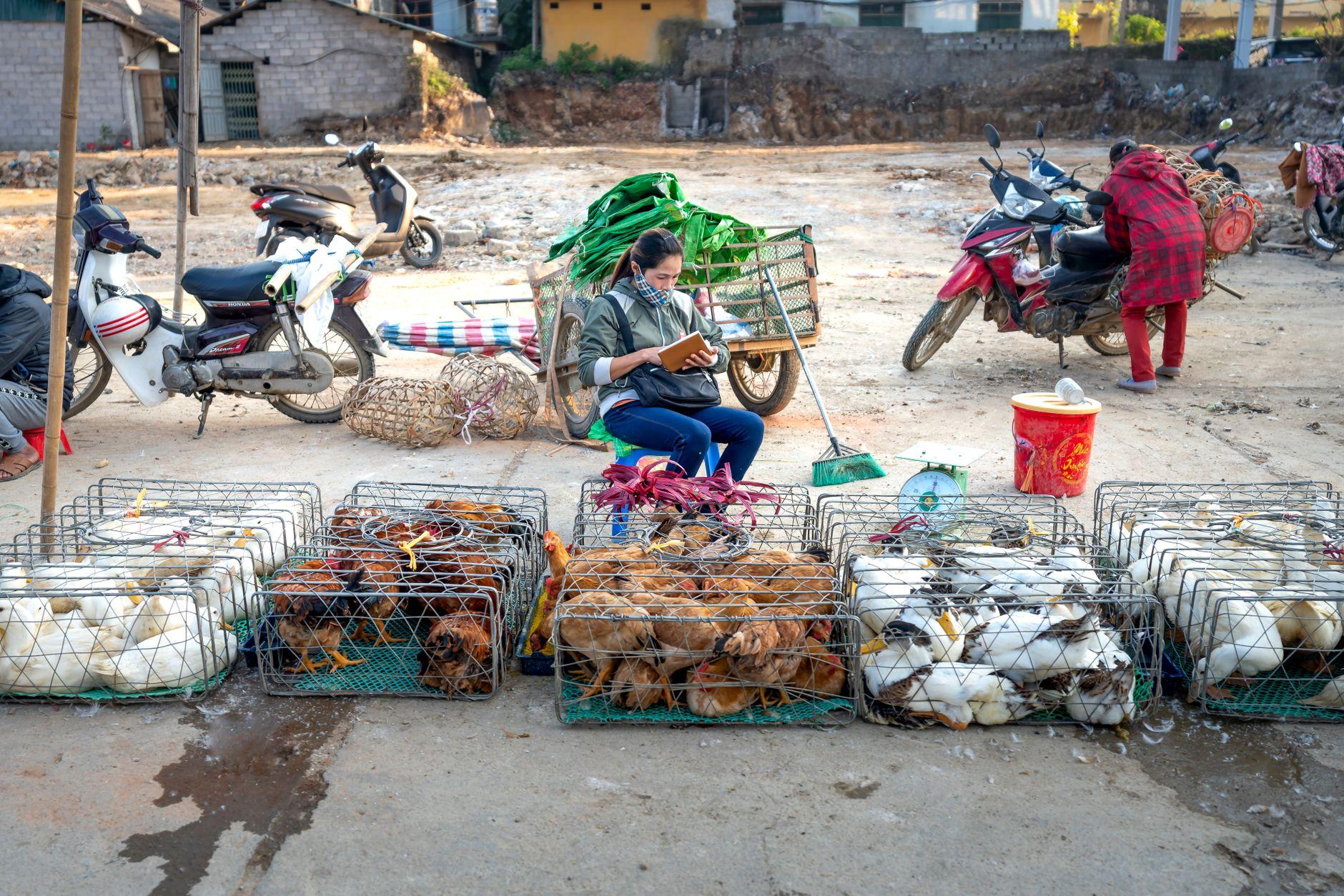
Cash still works everywhere in Laos, and in plenty of places it is the only thing that works. Tuk-tuk drivers outside the QR-covered city centers, village stalls on the way to Kuang Si, the lady selling khao jee baguettes from a cart at 6am. Kip is the universal fallback, and you should always carry some.
The problems start with the kip itself. Denominations are enormous, so even a modest amount of spending money arrives as a thick stack of notes. Travelers joke about carrying a brick, and it is barely a joke. Your wallet will not close. You will spend real mental energy counting zeros at every transaction, and small vendors frequently cannot break large notes early in the day.
Then there is the matter of getting the cash. ATMs in Laos tend to have low withdrawal limits, which means one withdrawal often does not cover more than a few days of normal spending. Each withdrawal comes with fees from the local machine, often stacked with whatever your home bank charges on top. So the cash strategy in practice means repeated ATM runs, repeated fee hits, and a running count of how many days your current brick will last.
Verdict: essential as a backup and for rural travel, miserable as your primary method in the cities.
Option two: tapping your foreign card
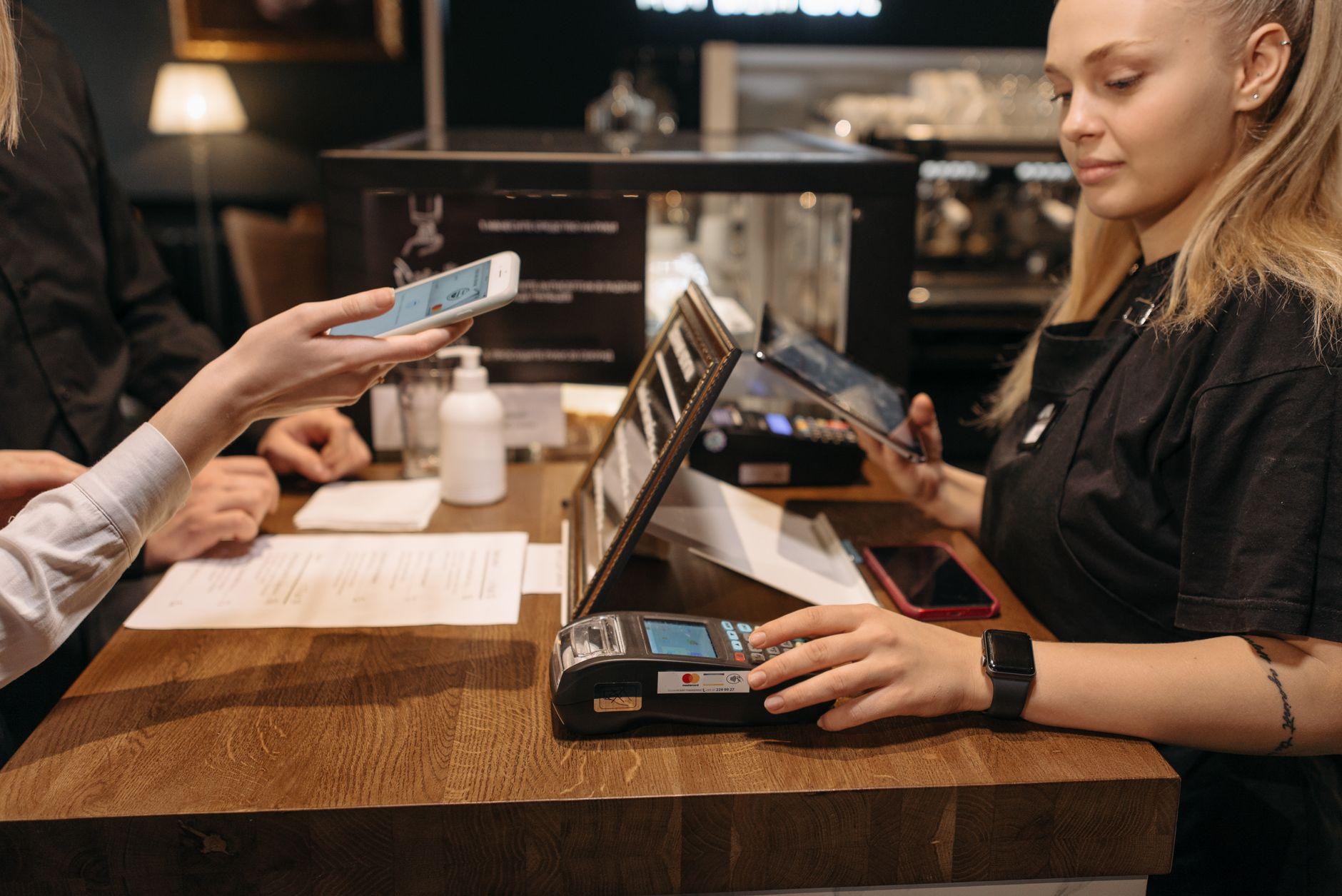
In theory your Visa or Mastercard should be the easy answer. In practice, card acceptance in Laos is thin outside a specific bubble: international hotels, upscale restaurants in Vientiane, some tour agencies, a handful of cafes aimed squarely at foreigners. Step outside that bubble and the terminal simply does not exist.
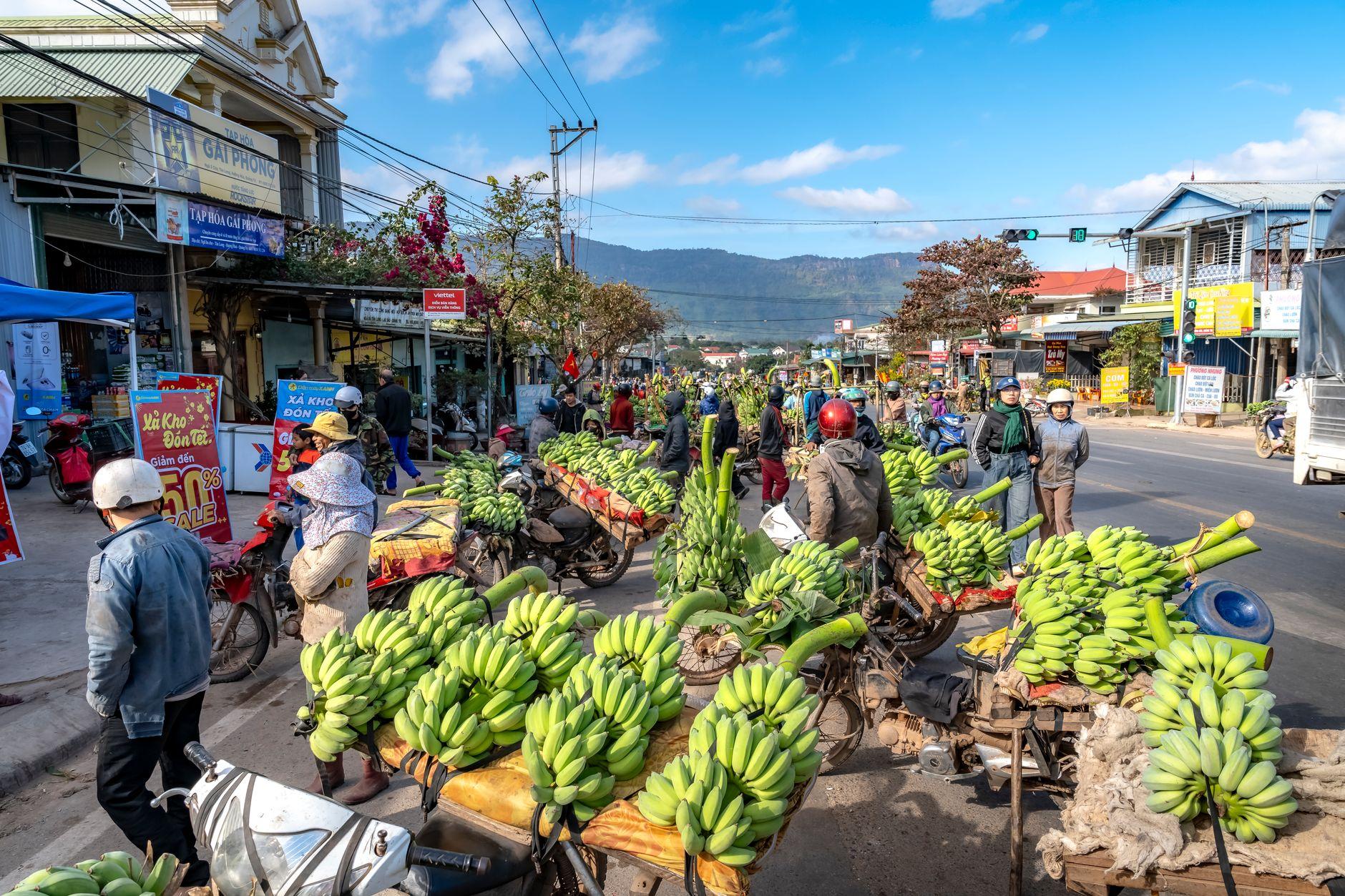
Even inside the bubble, you are often paying for the privilege. Foreign transaction fees from your home bank, conversion markups you never see itemized, and the occasional merchant who quietly prefers cash and tells you the machine is "broken today." If you have traveled nearby you already know this story. It is close to the situation travelers hit in Vietnam, where the card-shaped hole in daily life is just as large.
Verdict: fine for the hotel bill, nearly useless for the daily life of actually being in Laos.
Option three: a local wallet like BCEL OnePay
Now we get to how Lao people themselves actually pay. The national standard is LAO QR, and it has spread fast through Vientiane and Luang Prabang. Local wallets, most visibly BCEL's OnePay, let people scan a code at the noodle shop, the pharmacy, the minimart, even the temple donation box, and settle instantly in kip. No cash counted, no change fumbled, no brick in anyone's pocket.
Watching locals pay this way is genuinely enviable. The catch for a visitor is the front door: these wallets are built around Lao bank accounts, and opening one generally means residency paperwork, a local phone number, and patience with branch visits. For a two-week trip, or even a few months of slow travel, that door mostly stays shut. If you are settling in Laos long term, the calculus changes a bit, and we have covered the expat version of this problem separately.
Verdict: the best payment experience in the country, locked behind a bank account most visitors cannot get.
Option four: scanning LAO QR with Moreta Pay
This is the newer path, and it is the one that resolves the tension between options one through three. Moreta Pay lets you scan the same LAO QR codes locals scan, without a Lao bank account. You top up the wallet from home in your own currency, from a US bank, SEPA in Europe, UK Faster Payments, Canadian e-Transfer, or an international card. At the stall, you scan the merchant's code, see the amount, the exchange rate, and the merchant name on screen, and confirm. The merchant is paid instantly in kip.
The honest pros: you join the exact payment rail the country is standardizing on, you stop feeding the ATM fee cycle, and you see the FX rate before every single payment instead of discovering a markup on your statement later. The honest cons: it only helps where QR codes exist, which means it is strongest in Vientiane, Luang Prabang, and other spots where LAO QR has spread, and weakest in the countryside, where cash remains king.
Verdict: the closest a visitor can get to paying like a local, with cash kept in reserve for the places QR has not reached yet.
Putting the scorecard together
No single option sweeps the board, so here is the realistic mix for Laos without cash dominating your trip:
- City eating, shopping, cafes, markets: QR first. Anywhere you see a LAO QR placard, scanning with Moreta Pay beats peeling notes off a brick.
- Hotels and international restaurants: card or QR, whichever the counter offers, with QR usually sparing you the foreign transaction fee question.
- Rural trips, remote guesthouses, roadside stalls: kip in cash, but a smaller stack than you would otherwise need, withdrawn less often.
- Online bookings: platforms like Trip.com and Agoda that accept QR-based payment can also be settled from the same wallet, which is handy when your card gets flagged for a "suspicious" booking in Southeast Asia for the third time.
One more regional note: if Laos is a stop on a longer loop, the same approach carries over the border. Cross the Friendship Bridge and you are in PromptPay territory in Thailand, another standard local QR system Moreta Pay speaks natively. One wallet, several countries, no new app per border.
Travel lighter than your wallet wants you to
The old Laos payment experience was defined by bulk: bulky notes, bulky ATM fees, bulky mental math. The new one, at least in the cities, fits on a laminated card next to a basket of mangoes. You do not need a Lao bank account to be part of it anymore. Set up Moreta Pay before you land and let the brick of kip be a souvenir-sized stack instead of a second wallet.