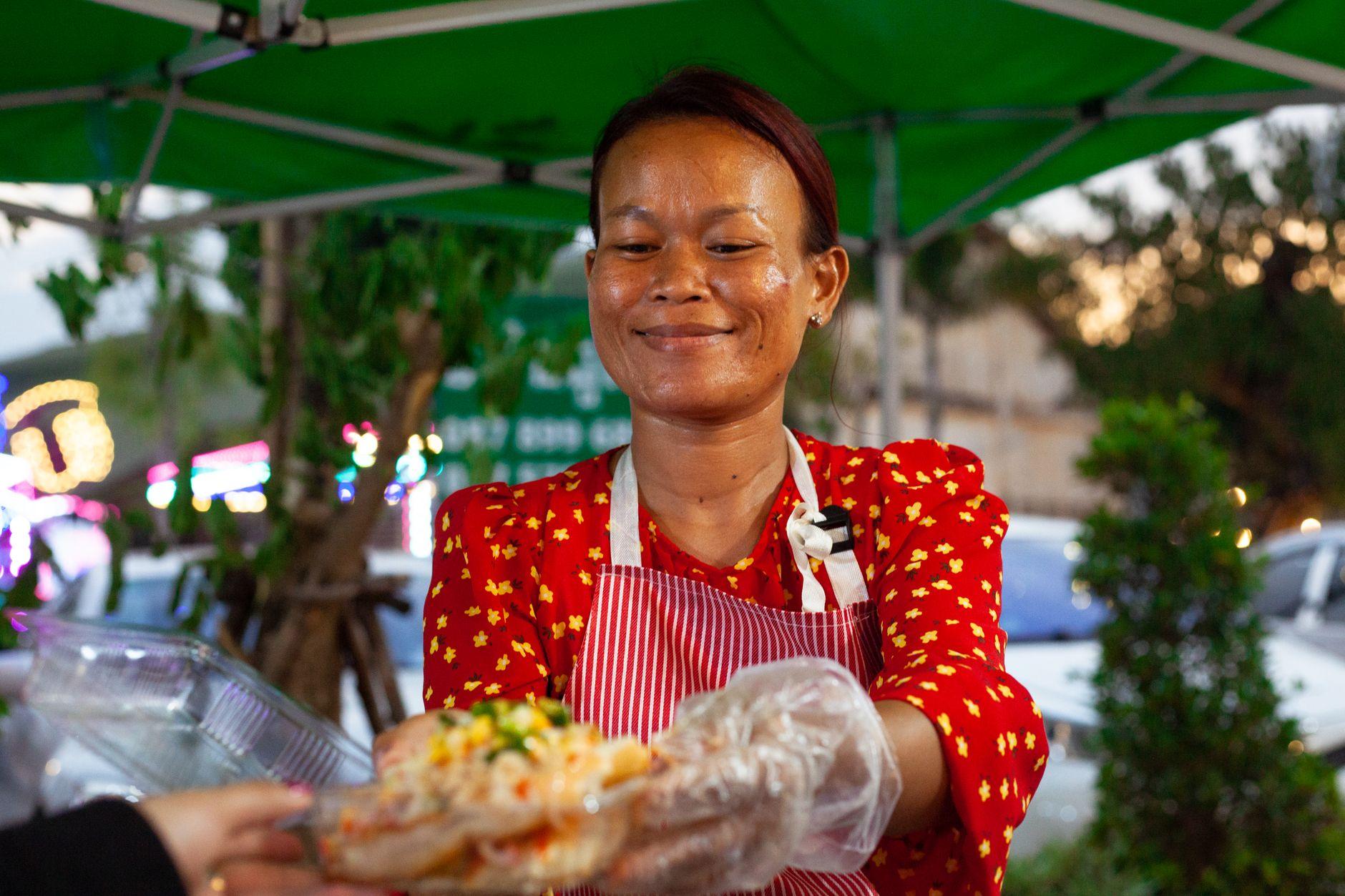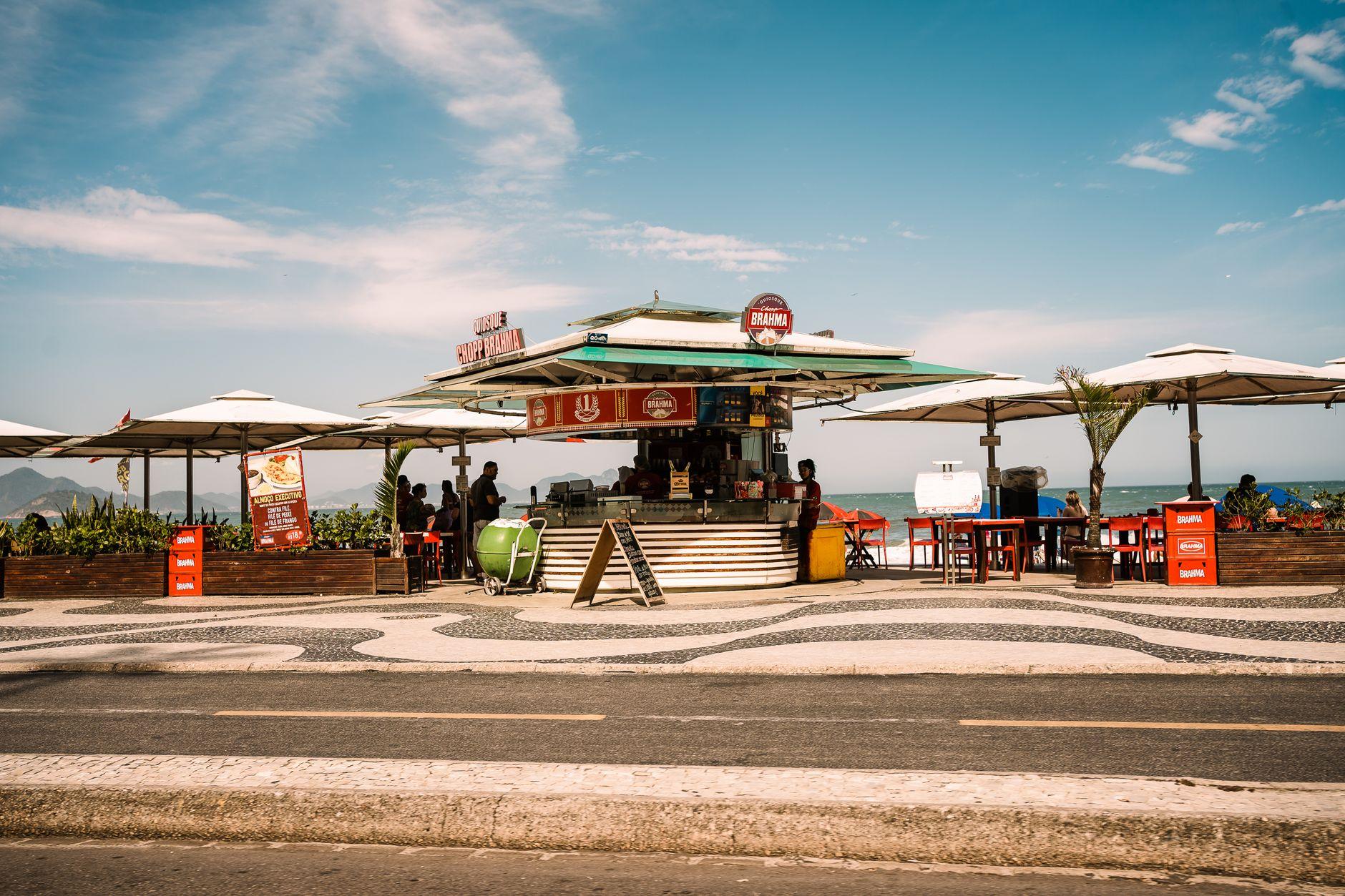


It is almost midnight on Jalan Alor in Kuala Lumpur, and you have just demolished a plate of char kway teow that cost less than a coffee back home. You pull out the crisp RM100 note the airport money changer gave you. The uncle behind the wok looks at it like you handed him a parking ticket. He does not have change. He gestures at a laminated card zip tied to the stall’s umbrella pole. On it: a single QR code, a little pink and blue logo, and the word DuitNow.
The Malaysian couple at the next table settles their bill in about four seconds. Phone out, scan, tap, done. Nobody counts coins. Nobody waits for change. This is how Malaysia pays now, and the good news is that as a visitor, you can pay exactly the same way, no local bank account required.
One QR Code Covers the Entire Country
Malaysia did something genuinely smart with QR payments. Instead of letting every bank and wallet print its own incompatible code (the mess you will find in plenty of other countries), Malaysia standardized on DuitNow QR, a single national QR format. One sticker works with essentially every Malaysian bank app and e-wallet.
That is why you see the same DuitNow QR everywhere: taped to the glass at a Penang kopitiam, propped on the counter of a nasi kandar joint, stuck beside the register at a pharmacy in Mid Valley Megamall, hanging off a durian stall in Petaling Jaya. Hawkers use it. Mall chains use it. The lady selling apam balik at the pasar malam uses it. For merchants, QR is also cheaper to accept than cards, which is exactly why the tiniest stalls, the ones that would never dream of renting a card terminal, all have that sticker.
So the question for a traveler is not whether Malaysia takes QR payments. It obviously does, everywhere. The question is how you, with your foreign phone and foreign bank, get into that system.
The Touch ‘n Go Problem
Ask a Malaysian which wallet they use and many will say Touch ‘n Go eWallet. It is the household name, it grew out of the toll road card everyone already carried, and it scans DuitNow QR like everything else.
Here is the catch for visitors: getting a fully working Touch ‘n Go eWallet as a foreigner is famously frustrating. The signup and verification flow is built around local requirements that short term visitors often cannot complete. Plenty of travelers download the app at the airport, hit a wall somewhere in registration or top up, and give up by the time their Grab arrives. Some expats eventually get it sorted. Most tourists never do.
This is the strange gap in Malaysia’s otherwise excellent system. The QR standard is unified and universal, but the most popular local on ramp assumes you live there.
Cards Work, Until They Don’t
To be fair, Malaysia is not a card desert. In KL, Penang, and Johor Bahru, malls, chain restaurants, hotels, and supermarkets take Visa and Mastercard without drama, and contactless is common. If your trip were only Pavilion KL and hotel breakfasts, a card would mostly carry you.
But the best of Malaysia does not live in malls. It lives at the mamak at 1 a.m., the wet market at 7 a.m., the roadside cendol cart, the hole in the wall bak kut teh shop with plastic stools. Those places are QR or cash, full stop. And even where cards are accepted, your home bank may quietly add foreign transaction fees or an ugly exchange rate you only discover on your statement weeks later.
How a Visitor Actually Joins the QR Economy
This is exactly the gap Moreta Pay exists to close. It is a wallet app for travelers, nomads, and expats that scans the same standard DuitNow QR codes locals use, with no Malaysian bank account, phone number, or paperwork.
The flow is simple. You top up the wallet in your own currency from your home bank (US banks via Plaid or ACH, European SEPA, UK Faster Payments, Canadian e-Transfer) or with an international credit or debit card. At the stall, you scan the merchant’s DuitNow QR, and before you confirm you see the amount, the exchange rate, and the merchant’s name on screen. Tap confirm, the wallet converts to ringgit, and the merchant is paid instantly, same as if a local had scanned it. There are no hidden foreign transaction fees.
The moment that sells it is small but satisfying: standing at a hawker stall next to locals, scanning the exact same sticker they do, and watching the auntie’s phone chirp with the payment confirmation before you have even put your phone away.
A Cashless Day, Kuala Lumpur Edition
Here is what a normal day looks like once you are inside the QR ecosystem. Kaya toast and kopi at a kopitiam in the morning, scan the code taped by the till. A Grab across town, paid in app with your card on file. Lunch at a nasi campur spot where you point at trays and the total appears on a calculator, scan the DuitNow QR on the counter. Afternoon shopping online, since Moreta Pay also handles QR based checkout on platforms Malaysians actually use, like Shopee and Lazada, plus travel bookings on Agoda and Trip.com. Dinner at the pasar malam, half a dozen tiny purchases, satay here, muar chee there, every single vendor with a QR sticker. In supported countries you can even knock out bills from the same wallet.
Notice what is missing from that day: an ATM run, a money changer, a pocket full of coins, and any mental math about whether this stall will take your card. It will not. It does not need to.
Keep a Little Cash Anyway
Honesty corner: do not go fully zero. A small stash of ringgit still earns its place. Public transit in KL runs on physical Touch ‘n Go cards and station machines, and it is easiest to buy and top up a transit card with cash. The occasional very old school stall, a parking attendant, or a temple donation box will want notes. Think of cash as your backup singer, not the lead. Twenty or fifty ringgit in small notes covers the edge cases, and QR covers everything else.
The Bottom Line
Malaysia built one of the cleanest QR payment systems in Asia, then accidentally locked visitors out of it through wallet signup requirements. You do not have to accept that. Skip the Touch ‘n Go registration battle, skip the airport money changer’s worst in class rates, and pay the way the whole country already pays.
Download Moreta Pay before you land, connect your home bank or card, and scan your first DuitNow QR at whatever stall smells best. Get started at moretapay.com.